

By Manisha Sahu | America News World | November 13, 2025
After more than six weeks of political deadlock, President Donald Trump has signed a stopgap funding bill to officially end the 43-day-long government shutdown, the longest in American history. The decision came late Wednesday night after both chambers of Congress passed the GOP-backed measure, finally breaking the impasse that had left hundreds of thousands of federal employees without pay and disrupted vital public services.

The House of Representatives voted 222-209 in favor of the temporary funding bill, extending government operations until January. The vote followed days of tense negotiations and increasing public pressure on lawmakers to find a resolution. Earlier this week, the Senate had approved the same measure, ensuring its smooth path to the President’s desk for final approval.
End of a 43-Day Political Standoff
The shutdown, which began in late September, was triggered by a standoff over federal spending priorities and disagreements between the Republican-controlled Congress and Democratic leaders on budget allocations, particularly concerning immigration enforcement and domestic welfare funding.
For 43 days, the deadlock paralyzed key government agencies, leaving thousands of workers furloughed or working without pay. National parks remained closed, passport and visa processing slowed to a crawl, and the aviation sector suffered significant disruptions due to shortages of air traffic controllers.
Images of unpaid federal workers waiting in long lines at food banks, families struggling to pay rent, and flight delays across the country painted a grim picture of a nation caught in a self-inflicted crisis.
Bipartisan Votes Break the Deadlock
In a rare display of bipartisan cooperation, eight Democratic Senators and six Democratic House members crossed party lines to vote in favor of the Republican-sponsored bill. This move proved decisive in ensuring the passage of the legislation in both chambers.
In the Senate, Republicans had secured 52 votes—eight short of the 60 needed to advance the bill. However, with eight Democrats siding with them, the measure narrowly cleared the threshold. In the House, Republicans leveraged their slim majority to pass the bill, helped by a handful of Democratic defectors.
The final vote came after days of marathon sessions and intense lobbying on Capitol Hill. Sources say that moderate Democrats, facing pressure from constituents affected by the shutdown, were instrumental in breaking the stalemate.
White House Celebrates a “Major Win”
Moments after the bill passed the House, the White House celebrated the move on social media, declaring:
“HUGE: Congress passes bill to END THE DEMOCRAT SHUTDOWN.
Now en route to President Trump’s desk.”
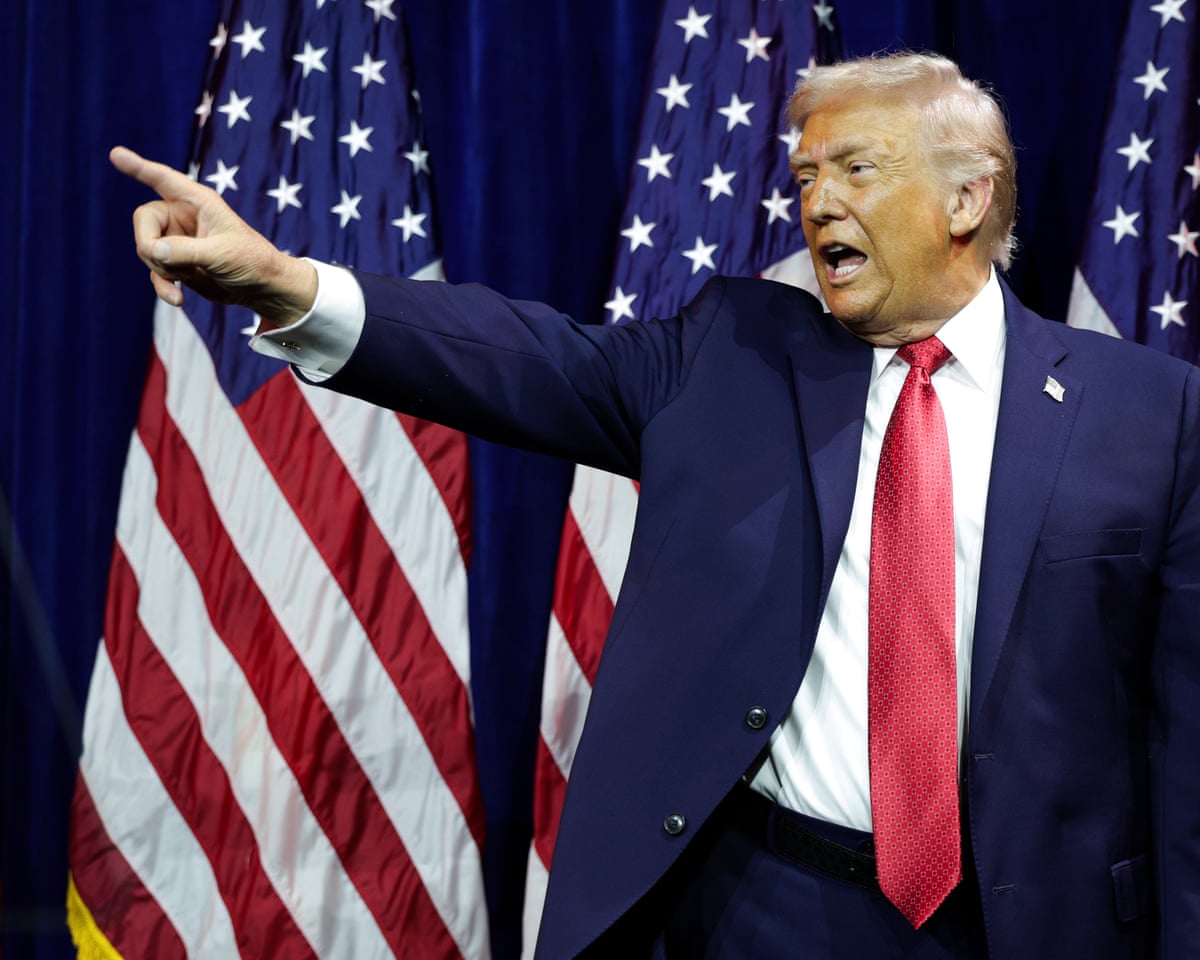
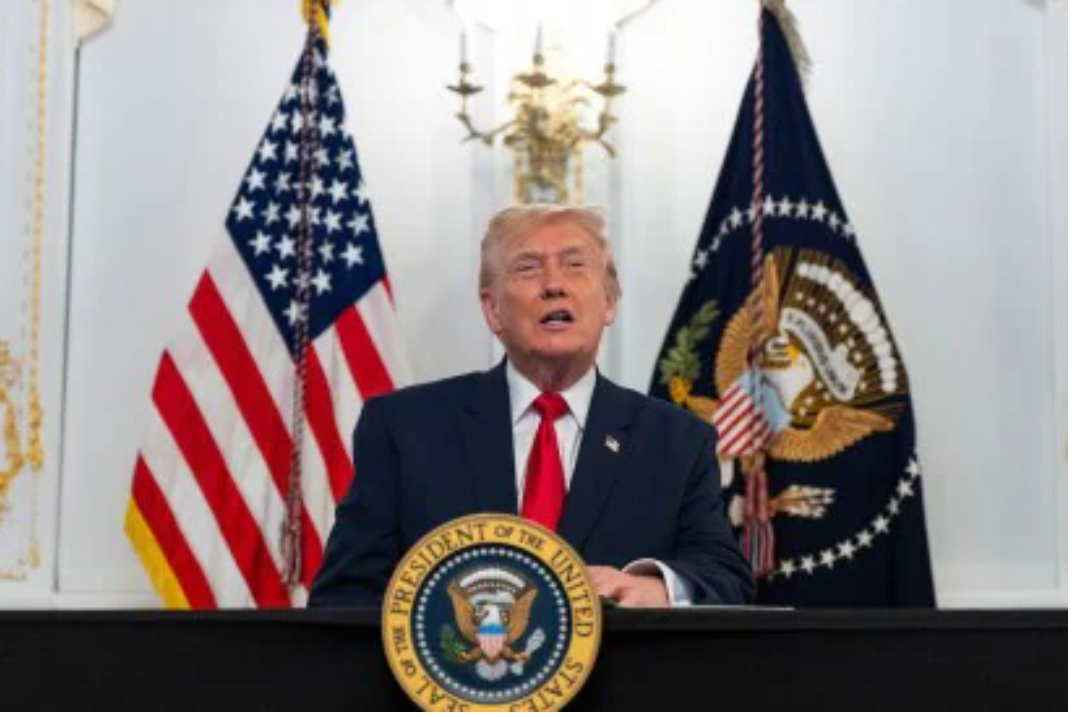
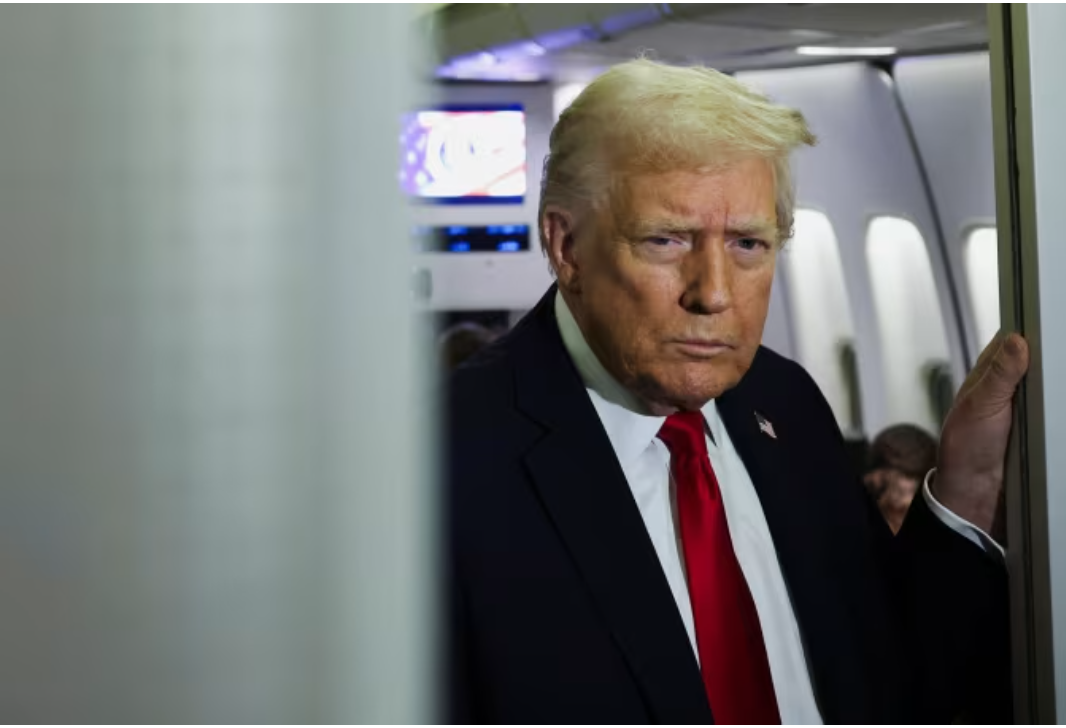
Later in the evening, President Donald Trump signed the legislation in the Oval Office, calling it “a victory for the American people and for common sense governance.”
“This shutdown should never have happened,” Trump said during the brief signing ceremony. “But tonight, we are reopening our great government, paying our workers, and getting America back to work.”
He thanked congressional leaders for “putting politics aside” and expressed optimism that “both parties can come together in January to pass a long-term budget that strengthens the economy and secures our borders.”
Impact of the Shutdown
The 43-day government shutdown has been described by economists as one of the costliest in U.S. history. According to estimates from the Congressional Budget Office (CBO), the shutdown led to a temporary loss of approximately $11 billion in economic output, much of which may not be recovered.
Federal agencies like the Transportation Security Administration (TSA), NASA, and the Department of Agriculture were among the hardest hit. Airports across major cities experienced long security lines and flight delays as unpaid TSA officers called in sick.
Meanwhile, federal contractors—many of whom do not receive back pay—faced severe financial distress. Local economies around Washington, D.C., and other government-heavy regions also reported a sharp decline in consumer spending during the shutdown period.
Democrats Divided Over Compromise
While the passage of the bill marks an end to the immediate crisis, it has also exposed divisions within the Democratic Party. Progressive lawmakers criticized colleagues who supported the GOP measure, arguing that it handed political leverage to Republicans without securing key Democratic priorities such as expanded childcare funding and climate initiatives.
Senator Elizabeth Warren (D-MA) voiced her disapproval, saying, “This deal postpones the problem instead of solving it. Working families need stability, not stopgap measures.”
However, moderate Democrats defended their votes, emphasizing the urgent need to reopen the government. Representative Adelita Grijalva (D-AZ) said, “This wasn’t about party politics. This was about people’s lives. Federal workers in my district haven’t seen a paycheck in over a month — that’s unacceptable.”
What Happens Next?
The temporary funding bill extends government operations until January, setting up another round of negotiations before the new deadline. Lawmakers from both parties have indicated their intent to begin talks immediately to draft a comprehensive spending package that addresses both domestic and defense priorities.
House Speaker Mike Johnson (R-LA) praised the bipartisan outcome but warned against complacency:
“This is not the end of the conversation — it’s the start of a new one. We must use this time to craft a responsible budget that reflects fiscal discipline and national priorities.”
Meanwhile, Senate Majority Leader Chuck Schumer (D-NY) expressed cautious optimism, stating that Democrats “will work in good faith” to find long-term solutions but will continue to fight for “protecting working families, healthcare, and education.”
Public Reaction
Across the nation, news of the shutdown’s end was met with relief. Federal employees are expected to receive their delayed paychecks within the next few days. Major airports began returning to full operations Thursday morning, and federal offices are expected to reopen by the end of the week.
Social media also reflected the mood of cautious relief. Hashtags like #ShutdownEnds and #BackToWork trended on X (formerly Twitter) as citizens expressed gratitude for the resolution while criticizing the political gridlock that led to the crisis in the first place.
With the stroke of a pen, President Trump brought an end to a historic 43-day standoff that tested the patience of millions of Americans. Yet, as Washington breathes a temporary sigh of relief, the question remains: can lawmakers bridge their divisions before the next deadline looms?
For now, the government is open again — but the political battles that closed it are far from over.
Discover more from AMERICA NEWS WORLD
Subscribe to get the latest posts sent to your email.





























![Smoke rises after Israeli strikes in Beirut's southern suburbs, on March 2 [Mohamad Azakir/Reuters]](https://america112.com/wp-content/uploads/2026/03/hgh.webp)