By Manisha Sahu | America News World
December 08,2025
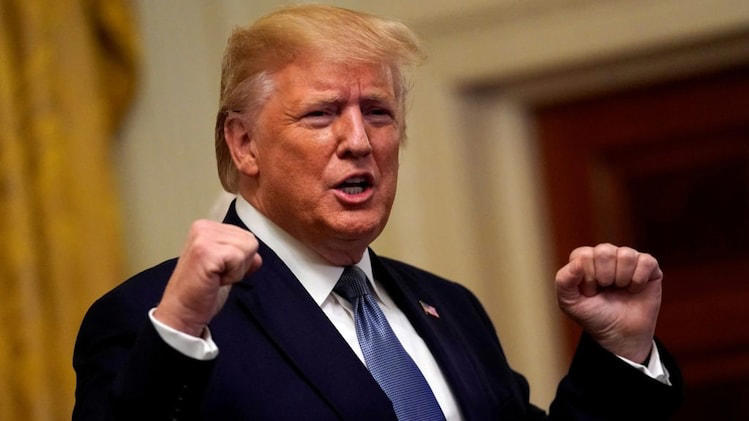
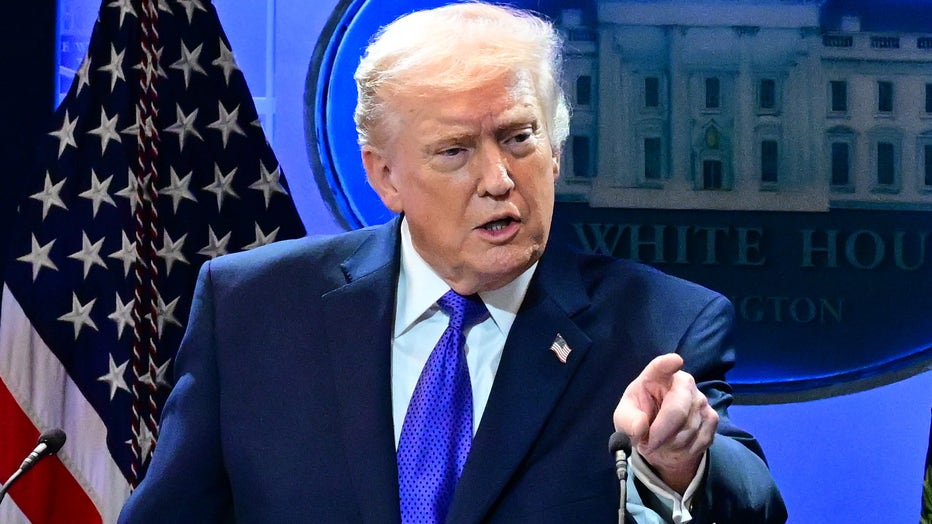
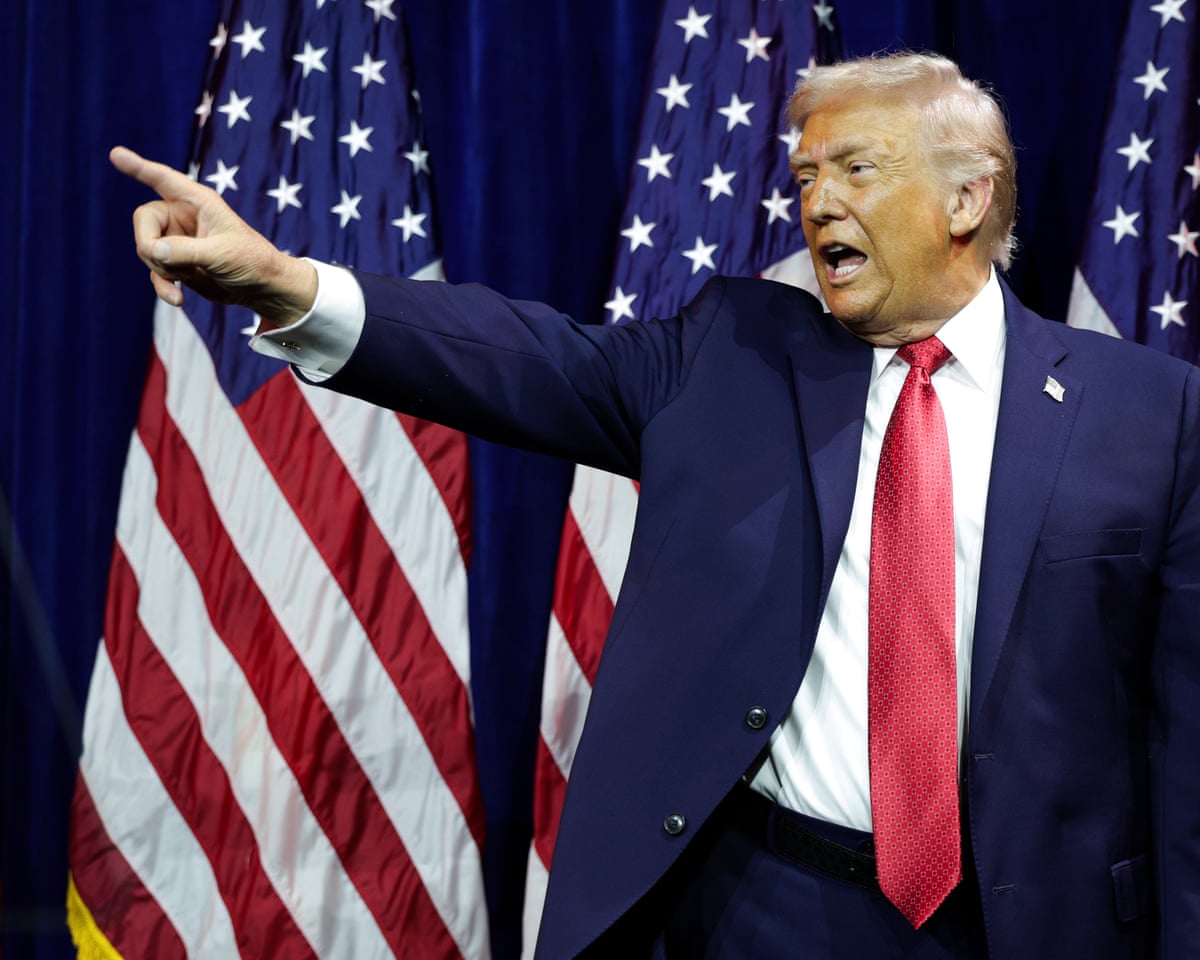
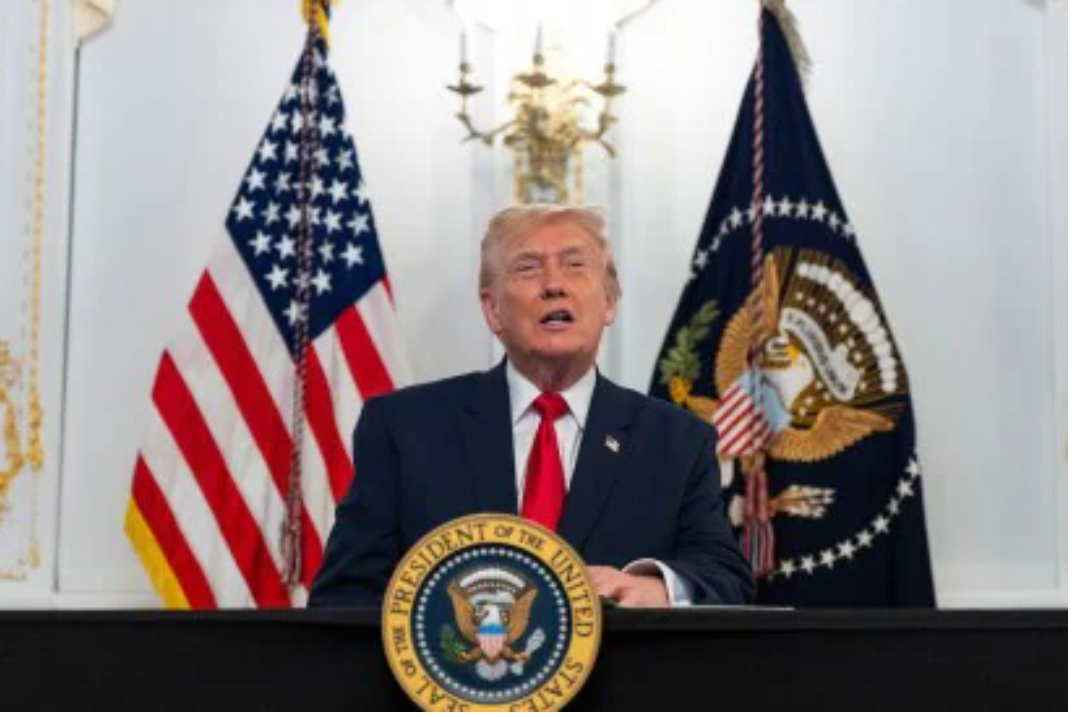
President Donald Trump stepped into an unprecedented spotlight at the 48th Kennedy Center Honors on Sunday night, transforming a traditionally nonpartisan artistic celebration into a stage reflecting the cultural and political imprint of his administration. Held at the John F. Kennedy Center for the Performing Arts in Washington, D.C., the annual event paid tribute to a diverse group of honorees—actor Sylvester Stallone, music legend Gloria Gaynor, and several other artists whose work has shaped American culture. Yet, it was Trump’s presence, involvement, and self-positioning at the center of the evening that drew the most attention.

President Donald Trump and First Lady Melania Trump walked the red carpet on Sunday, December 7, 2025, ahead of the 48th Kennedy Center Honors at the John F. Kennedy Center for the Performing Arts in Washington. (AP Photo/Julia Demaree Nikhinson)
This year’s Honors marked a significant departure from the program’s long-standing traditions. While U.S. presidents have typically attended the ceremony, their participation has been largely ceremonial and intentionally restrained. Trump, however, became the first sitting president to host the event, underscoring what many observers interpret as a broader cultural realignment underway in Washington under his leadership.
A Return After Years of Distance
The moment carried particular weight because Trump had previously distanced himself from the Kennedy Center Honors. During his earlier term in the White House, political tensions and boycotts by artists led him to skip the event entirely, breaking with decades of presidential custom. This year’s hosting, therefore, served not only as a reversal but as a symbolic reclamation of the space—politically and culturally.
Accompanied by First Lady Melania Trump, the president arrived on the red carpet to a flurry of cameras and a mix of applause and murmurs, characteristic of the polarizing dynamic that often surrounds him. The couple’s presence alone would have been newsworthy, but Trump’s decision to take the stage as an active participant turned the night into something distinctly different from past ceremonies.
Celebrity Support on the Red Carpet
Among the celebrities attending the event, one of the most notable reactions came from Gene Simmons of the rock band Kiss. Dressed strikingly in python-skin shoes, Simmons publicly praised the president’s decision to host the program. His approval highlighted a theme of the evening: Trump’s growing alignment with certain corners of Hollywood and the entertainment industry—an industry that previously stood largely in opposition to him.
Supporters on the red carpet described the president’s participation as “refreshing” and “long overdue,” arguing that it reflected a more engaged relationship between the White House and America’s artistic community. Critics, however, viewed his role as an overt attempt to politicize a historically apolitical event.
Honoring American Icons
Despite the political undercurrents, the heart of the night remained the celebration of artistic excellence. Sylvester Stallone, best known for his iconic roles in Rocky and Rambo, was recognized for his decades-long impact on American cinema. Gloria Gaynor, whose anthem “I Will Survive” became a global symbol of resilience, received honors for her influential contributions to music and culture.
Other honorees from across artistic disciplines—including theatre, dance, and classical performance—were recognized with heartfelt tributes, musical segments, and retrospective montages that reflected the legacy and emotional depth of their work.
As is tradition, performers and presenters shared stories, memories, and accolades highlighting the honorees’ lifelong contributions. The energy, however, carried a distinct sense of spectacle—heightened, in part, by the president’s active presence and the political vibrations of the moment.
A Cultural Shift in Washington
The Kennedy Center Honors has long stood as a symbol of artistic neutrality, an annual space where politics take a back seat to creativity. Trump’s approach, however, signaled a shift in tone and philosophy. As he addressed the audience while paying tribute to the honorees, he framed the evening as a celebration of American greatness—linking artistic achievement with broader national values and, indirectly, with his own cultural message.
Analysts note that Trump’s involvement is part of a larger pattern in which his administration has sought influence over national institutions, from education to public broadcasting to cultural organizations. Hosting the Honors allowed him to publicly stake a claim to American cultural identity, presenting himself as both patron and participant in the nation’s artistic narrative.
Reactions From the Arts Community
The response from the arts community was mixed. Some performers welcomed the president’s engagement, arguing that political leaders should embrace and support the arts. Others felt uneasy, expressing concerns about the potential politicization of an event meant to rise above partisan divides.
Though some attendees spoke cautiously, even anonymously, about their discomfort, the night ultimately unfolded without major protest or disruption. Instead, the mood remained one of cautious participation, with observers watching closely for the cultural message embedded in the evening’s symbolism.
A Night of Art—and Politics
Throughout the evening, Trump emphasized unity and admiration for the honorees’ contributions, though critics argued that his presence itself carried political weight that overshadowed the program’s intentions. Nevertheless, for many supporters in attendance, his participation brought newfound visibility and prestige to the event.
What remains clear is that this year’s Kennedy Center Honors will be remembered not only for the artists celebrated but also for the unmistakable presence of a president asserting his influence over America’s cultural landscape.
Looking Ahead
As the Honorees stood on stage to receive the nation’s recognition, the President and First Lady applauded alongside the audience, marking a moment where politics and art intersected in unprecedented ways. Whether this shift signals a long-term transformation of the Kennedy Center Honors or remains a singular moment in its history is yet to be seen.
But for now, one thing is certain:
Donald Trump did not just attend the Kennedy Center Honors—he starred in them.
Discover more from AMERICA NEWS WORLD
Subscribe to get the latest posts sent to your email.