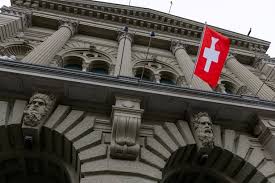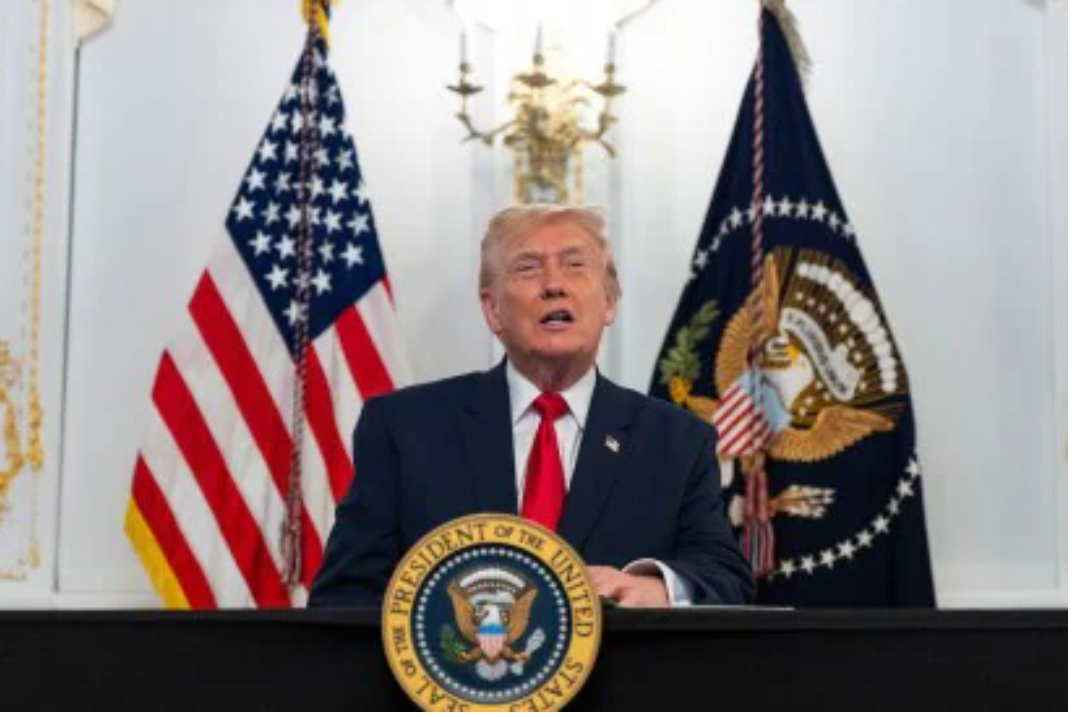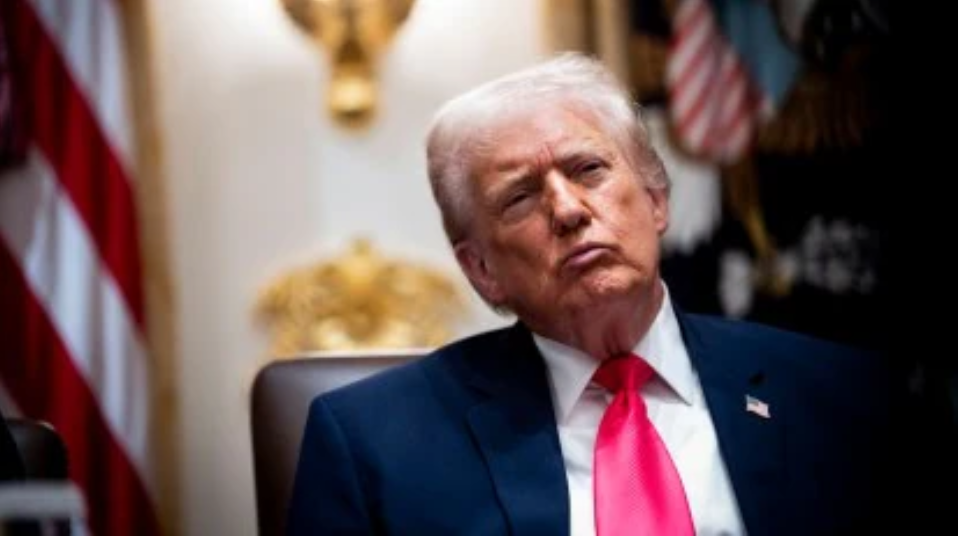
Washington D.C. – February 17, 2026 – United States President Donald Trump announced on Monday that he will be involved “indirectly” in the upcoming nuclear talks between the U.S. and Iran. The high-stakes negotiations are scheduled to begin on Tuesday in Geneva, Switzerland, amid heightened military tensions in the Middle East.

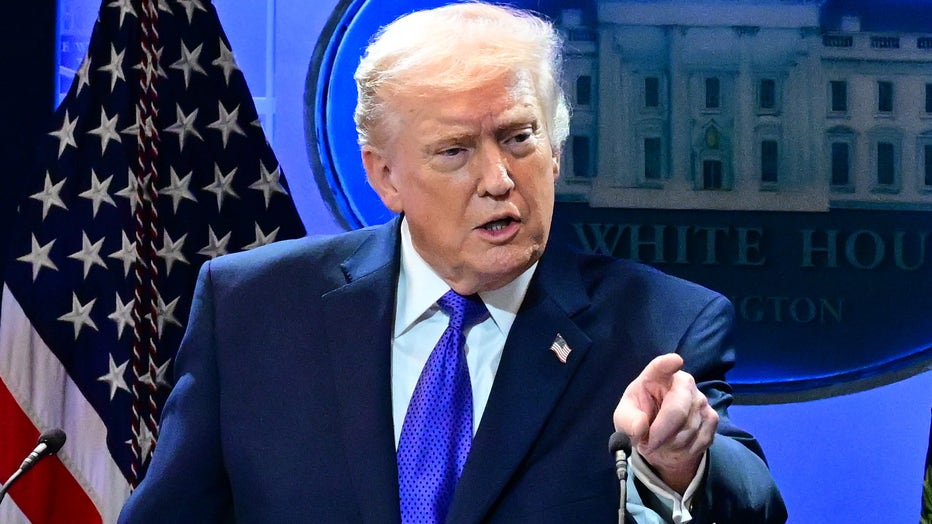
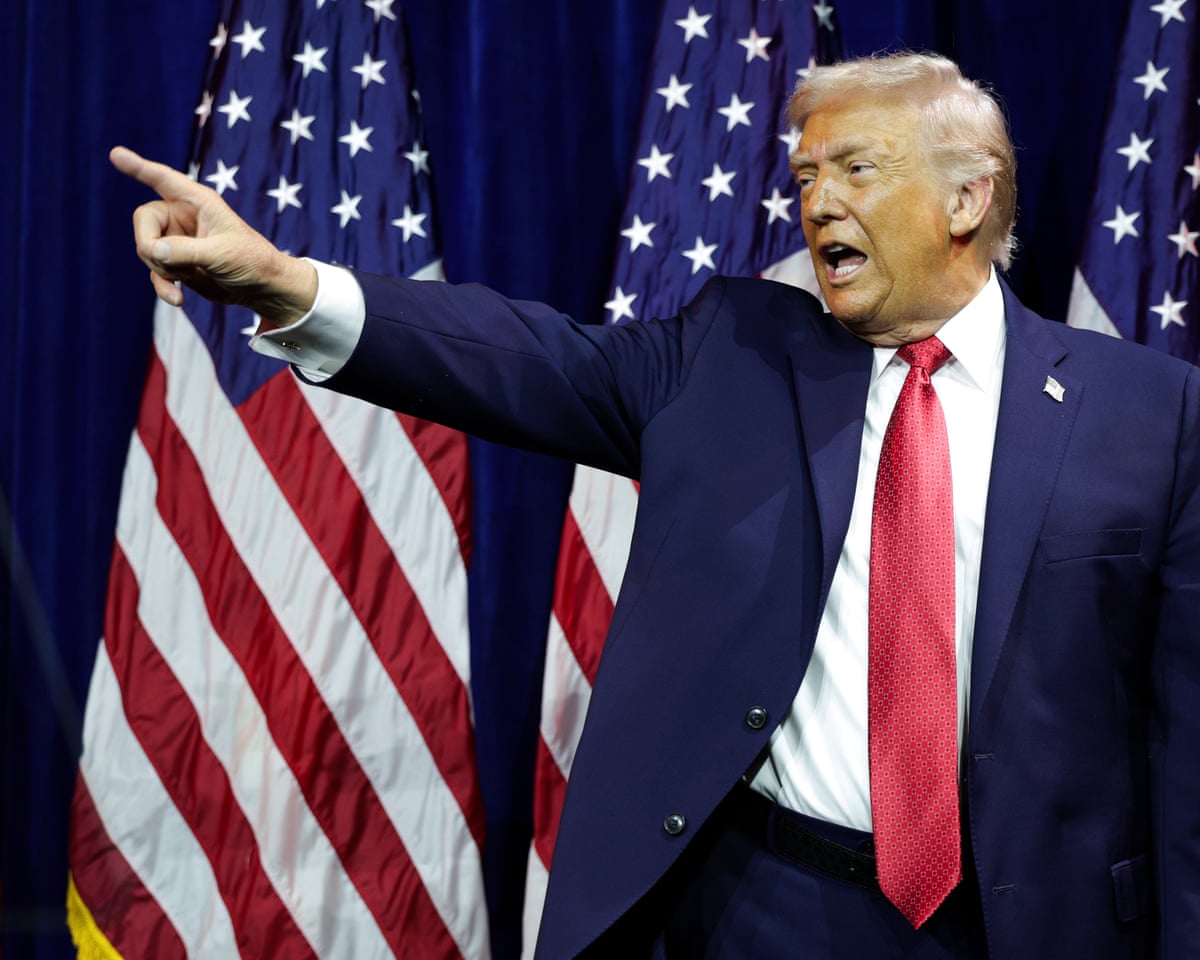
Speaking to reporters aboard Air Force One, President Trump shared his perspective on the negotiations, suggesting that Iran is now more motivated to reach an agreement following last summer’s military action.
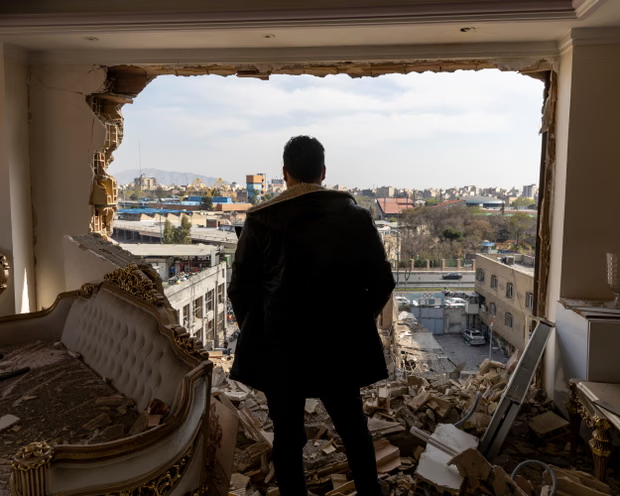
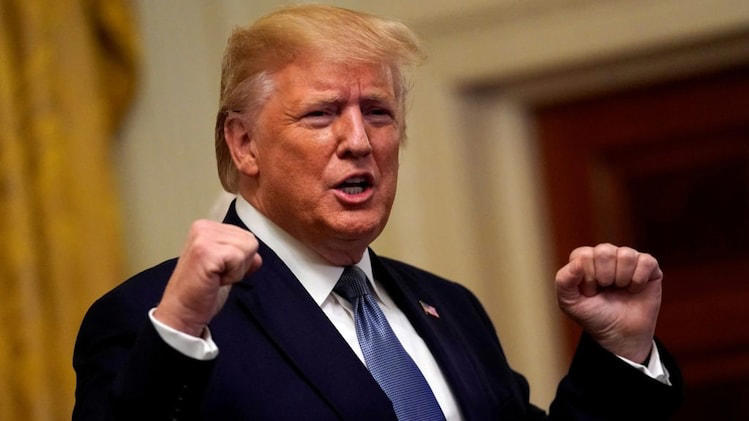
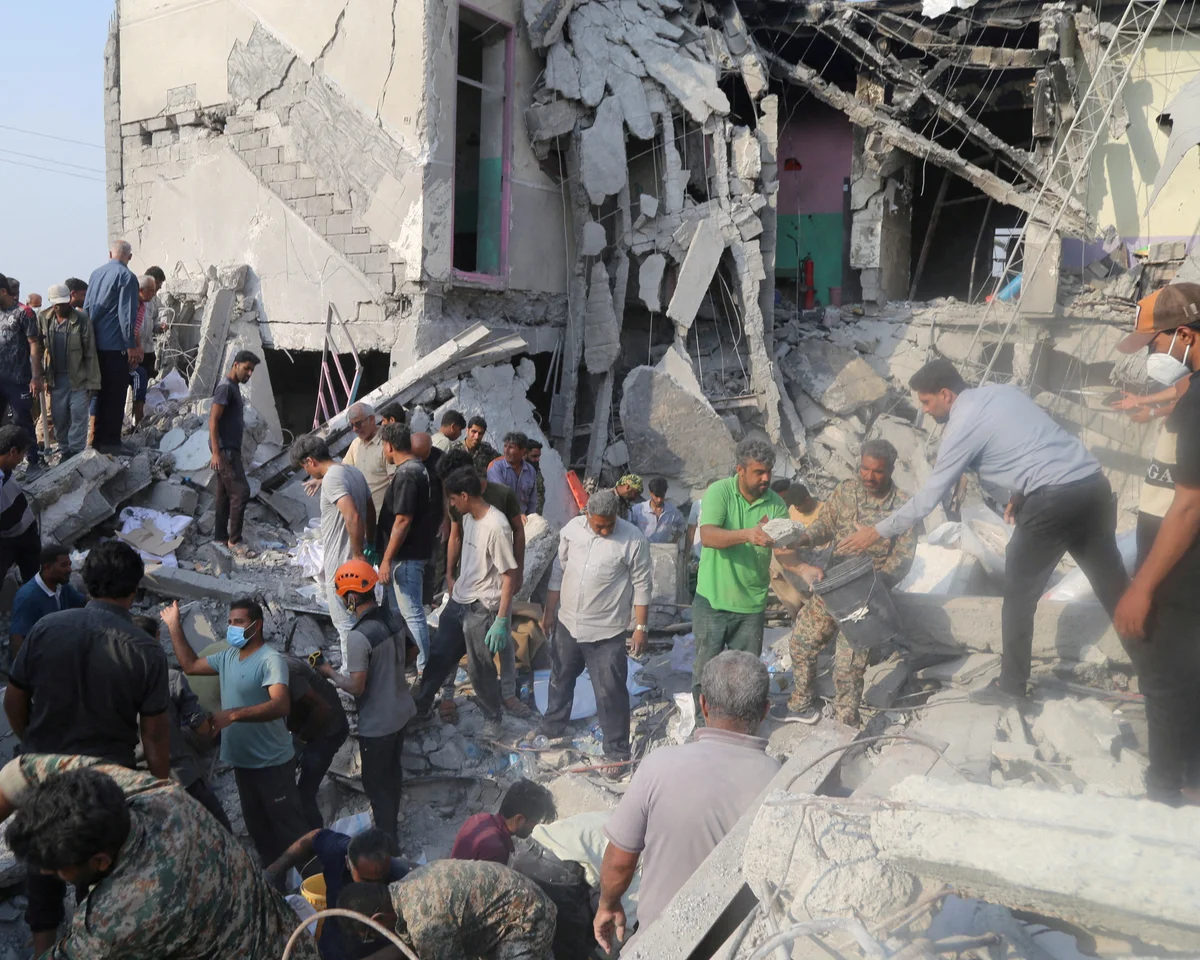
“I’ll be involved in those talks, indirectly. And they’ll be very important,” President Trump told reporters. He indicated that while Iran initially sought a tough negotiating stance, they learned the consequences of that approach when the U.S. bombed Iranian nuclear sites last June.
Trump’s Message to Iran: Make a Deal or Face Consequences
President Trump suggested that the military strikes have changed Iran’s calculus, making them more willing to negotiate seriously. He emphasized that Tehran understands the alternative to a diplomatic agreement.
“I don’t think they want the consequences of not making a deal,” Mr. Trump stated, delivering a clear warning to the Iranian leadership.
His comments come just one day before U.S. and Iranian officials are set to meet in Geneva. The primary focus of the talks is Tehran’s nuclear program. Prior to the U.S. joining Israel in striking Iranian nuclear facilities last summer, negotiations had completely stalled. The main point of disagreement was Washington’s demand that Iran stop enriching uranium on its own soil. The U.S. views this domestic enrichment program as a direct pathway for Iran to develop a nuclear weapon, a charge Tehran has consistently denied.
Military Buildup in the Region
The diplomatic efforts in Geneva are unfolding against a backdrop of significant military escalation. The U.S. has deployed a second aircraft carrier strike group to the Middle East, a clear signal of the importance and potential volatility of the situation.
According to U.S. officials who spoke to Reuters, the American military is actively preparing for the possibility of a sustained military campaign if the diplomatic talks in Geneva fail to produce a successful outcome. This dual-track approach of diplomacy backed by military force underscores the high stakes involved in the negotiations.
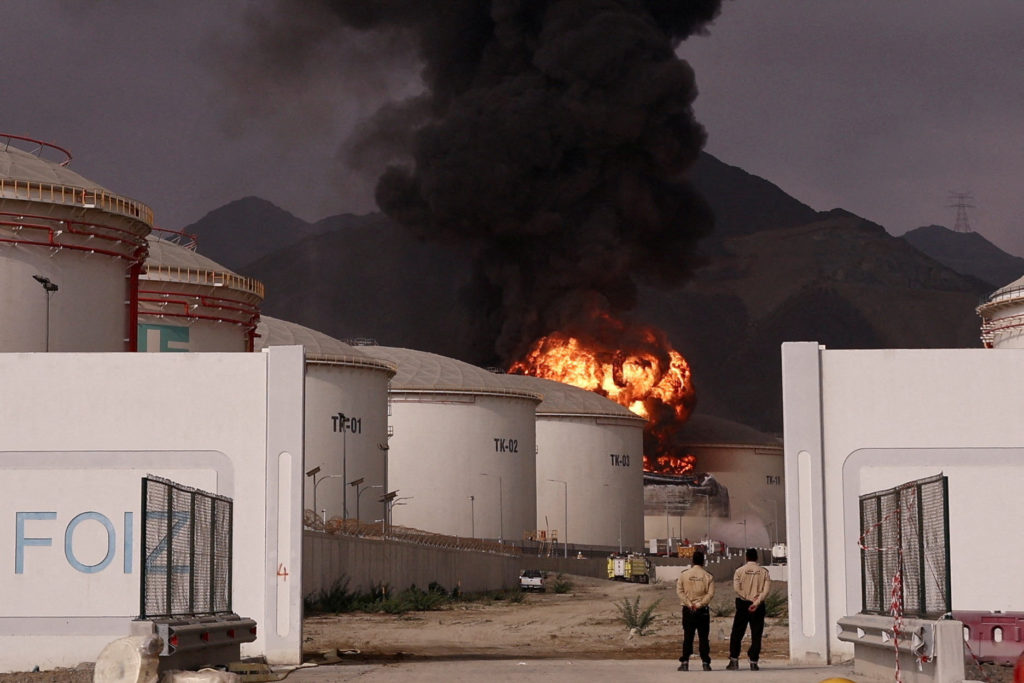
Iran is also projecting strength. Foreign Minister Abbas Araghchi is already in Geneva leading the Iranian delegation. Simultaneously, the Islamic Revolutionary Guard Corps (IRGC) has begun live-fire military drills near the strategically vital Strait of Hormuz, a major waterway through which a significant portion of the world’s oil passes. On Monday, Iran’s civil defense organization also conducted a chemical defense drill in the Pars Special Economic Energy Zone, a massive energy hub in southern Iran. The drill was designed to strengthen the country’s preparedness for potential chemical incidents, further highlighting the state of high alert in the region.
International Reaction and Israeli Stance
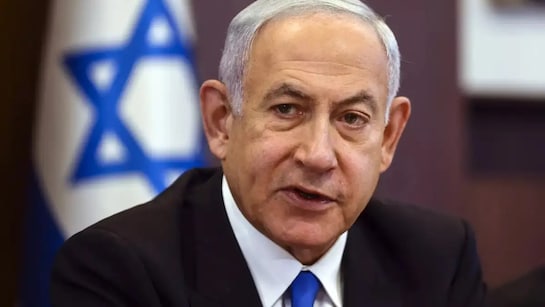
The international community is watching the Geneva talks closely. Israeli Prime Minister Benjamin Netanyahu has been a vocal opponent of any deal that does not completely dismantle Iran’s nuclear infrastructure. He has repeatedly stated that any agreement between the U.S. and Iran must ensure that Iran is left without any capability to produce nuclear weapons. This hardline stance from a key U.S. ally adds another layer of complexity to the negotiations.
What to Expect from the Geneva Talks
The upcoming talks in Geneva are seen as a critical moment for both countries. For the Trump administration, securing a deal that permanently curbs Iran’s nuclear program is a top priority. The president’s comments suggest he believes a combination of military pressure and the threat of further action has created a window of opportunity for diplomacy.
For Iran, the goal will be to negotiate a reduction in crippling economic sanctions while preserving its right to a peaceful nuclear program. However, the memory of last summer’s bombings and the current U.S. military buildup in the region will undoubtedly weigh heavily on the Iranian delegation.
President Trump’s description of his involvement as “indirect” leaves room for interpretation. It could mean that while U.S. officials handle the face-to-face negotiations in Geneva, he will be setting the parameters from Washington and making the final decisions. It could also suggest a back-channel method of communication.
As the world waits for the Geneva talks to begin, one thing is clear: the path to a deal is narrow, and the consequences of failure could be severe. The coming days will reveal whether diplomacy can succeed where military action has so far defined the conflict.
Discover more from AMERICA NEWS WORLD
Subscribe to get the latest posts sent to your email.