
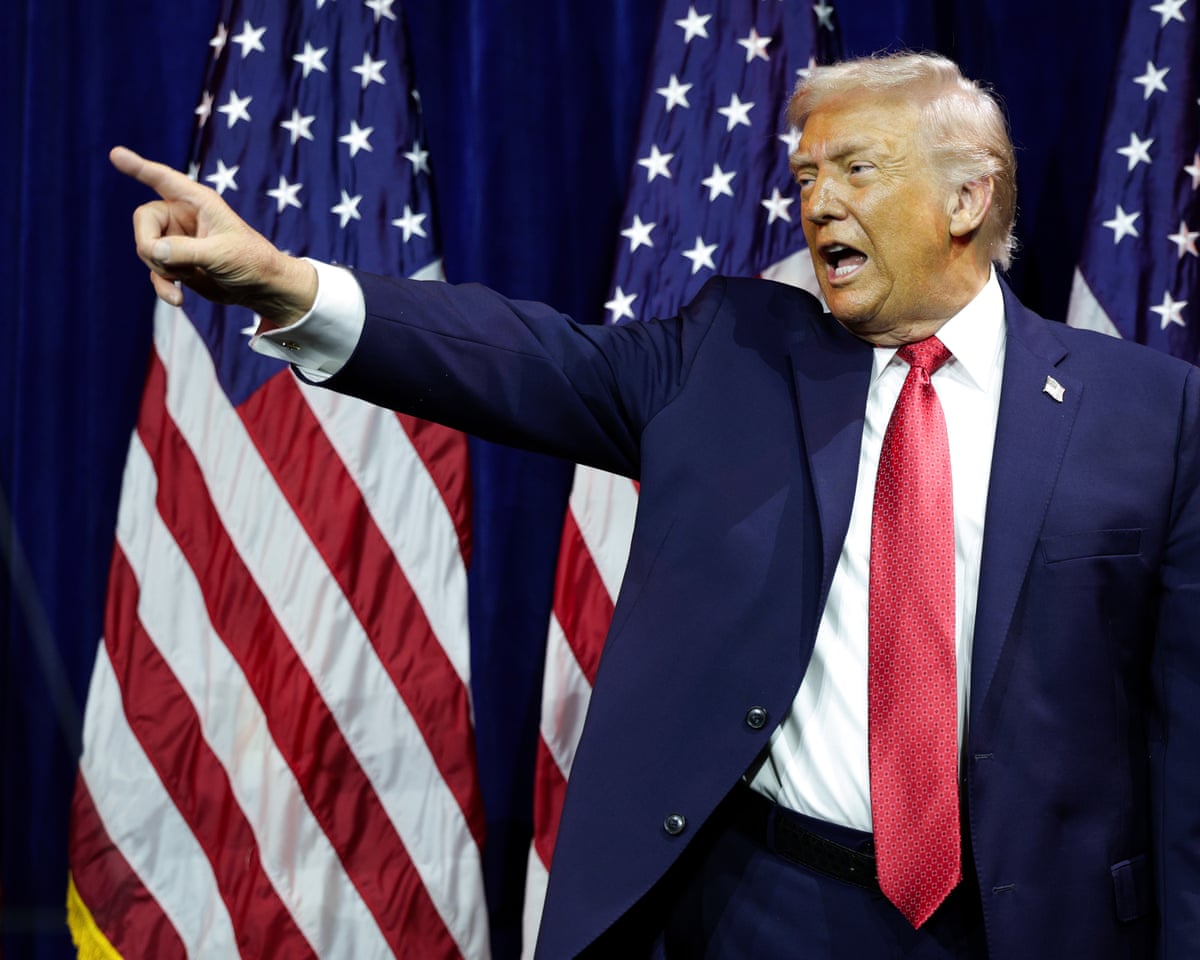
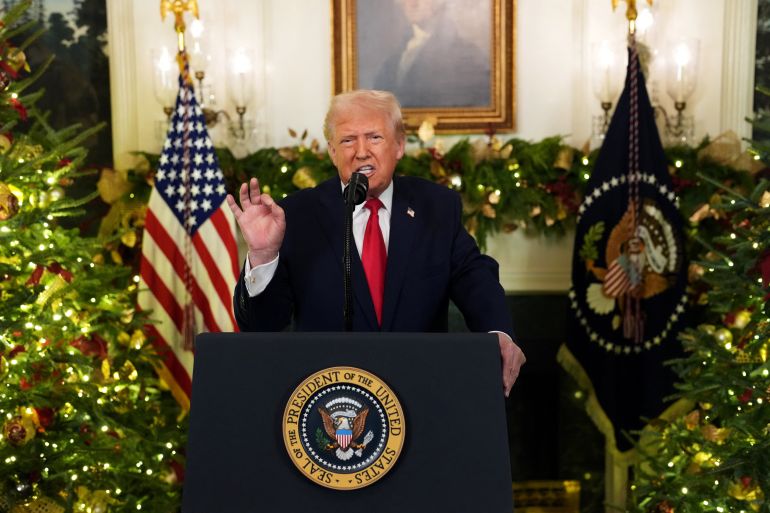
In a bold move, US President Donald Trump has renewed his push to bring Greenland under American control. The White House stated late Tuesday that using the US military remains an option. This comes after Trump’s recent military action in Venezuela, where President Nicolás Maduro was captured. Greenland, a large Arctic island under Danish rule, holds key strategic value for US national security.

Greenland’s location near Canada and mostly inside the Arctic Circle makes it vital for North America’s defense since World War II. Trump first suggested buying Greenland during his first term. Now, he cites threats from Russia and China in the Arctic as reasons for the takeover.
White House Press Secretary Karoline Leavitt said in a statement: “President Trump sees acquiring Greenland as a top national security priority. It helps deter enemies in the Arctic.” She added that the team is looking at various ways to achieve this, including military use if needed.
This statement surprised many, as other US officials downplayed military action. Special Envoy to Greenland Jeff Landry and Deputy Chief of Staff Stephen Miller both hinted that force might not be required. Landry, Louisiana’s governor, wants direct talks with Greenlanders. He said on Fox News radio: “I want to speak to people who seek better lives in Greenland.” He even joked about “culinary diplomacy,” noting shared interests in hunting and fishing.
Miller, in a CNN interview, stressed Greenland should join the US for security reasons. He questioned Denmark’s claim over the island, calling it a “colony.” But he insisted no military fight is needed, saying: “Nobody will battle the US over Greenland’s future.”
European leaders quickly responded. Leaders from France, Germany, Italy, Poland, Spain, and the UK joined Danish Prime Minister Mette Frederiksen in a joint statement. They affirmed: “Greenland belongs to its people. Only Denmark and Greenland decide their matters.” They defended Greenland’s sovereignty as part of Denmark and NATO.
Canadian Prime Minister Mark Carney supported this, announcing a visit to Greenland by Governor General Mary Simon and Foreign Minister Anita Anand. Carney said: “Denmark’s people alone decide Greenland’s future.”
Danish and Greenlandic leaders rejected Trump’s idea. Frederiksen warned that a US takeover could end NATO. Greenland’s Prime Minister Jens-Frederik Nielsen echoed this, saying Greenland won’t join the US or EU.
Republican House Speaker Mike Johnson opposed military action, stating: “It’s not appropriate.”
Greenland’s importance stems from its resources and position. It has rare earth minerals for tech like smartphones and green energy. The US Geological Survey notes potential oil and gas offshore. Militarily, the US runs Pituffik Space Base there for missile defense and space monitoring under a 1951 Denmark-US agreement. Greenland helps guard the GIUK Gap, tracking Russian ships in the North Atlantic.
Trump told reporters: “Greenland is strategic now. Russian and Chinese ships surround it. Denmark can’t handle it for security.”
Historically, Greenland was a Danish colony for centuries, integrated in 1953. A 2009 law gave it self-rule and independence rights, favored by most Greenlanders. The US recognized Denmark’s claim early in the 20th century.
This isn’t Trump’s first Greenland bid. In 2019, he floated buying it, but Denmark dismissed it as “absurd.” Now, post-Venezuela, tensions rise.
Critics fear this could strain NATO ties, as Denmark is an ally. A US attack on Greenland would challenge the alliance’s core.
Supporters argue Greenland’s minerals and bases strengthen US against Arctic rivals. China seeks mining deals there, Russia expands military presence.
Landry focuses on Greenlanders’ benefits, like jobs and infrastructure. He emailed locals interested in US ties.
Environmental groups worry a takeover ignores climate change, as Greenland’s ice melts rapidly.
The White House won’t budge. Leavitt’s words show military options stay open.
As talks continue, the world watches. Will diplomacy win, or escalate to force? Greenland’s 56,000 people hold the key, but global powers pull strings.
This development highlights shifting Arctic geopolitics. With warming opening new routes, competition grows.
For America, securing Greenland means bolstering defense. But at what cost to alliances?
Stay tuned for updates on this unfolding story.
Discover more from AMERICA NEWS WORLD
Subscribe to get the latest posts sent to your email.

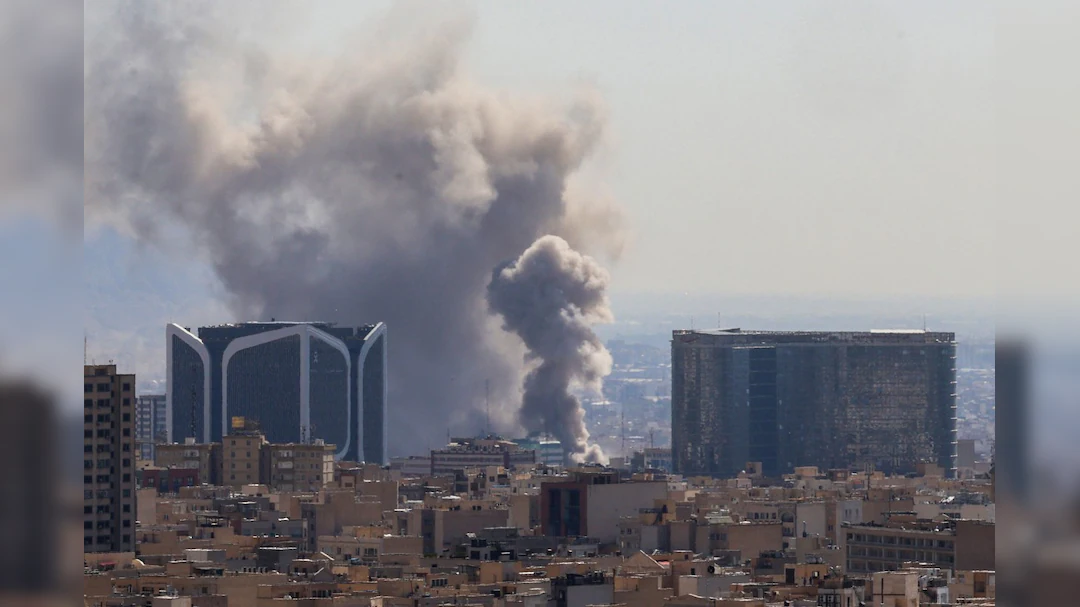
![Smoke rises after Israeli strikes in Beirut's southern suburbs, on March 2 [Mohamad Azakir/Reuters]](https://america112.com/wp-content/uploads/2026/03/hgh.webp)

















droversointeru
Thanks, I have just been searching for information approximately this topic for a long time and yours is the greatest I have discovered so far. However, what about the bottom line? Are you sure in regards to the source?