By Manisha Sahu | America News World
November 27, 2025
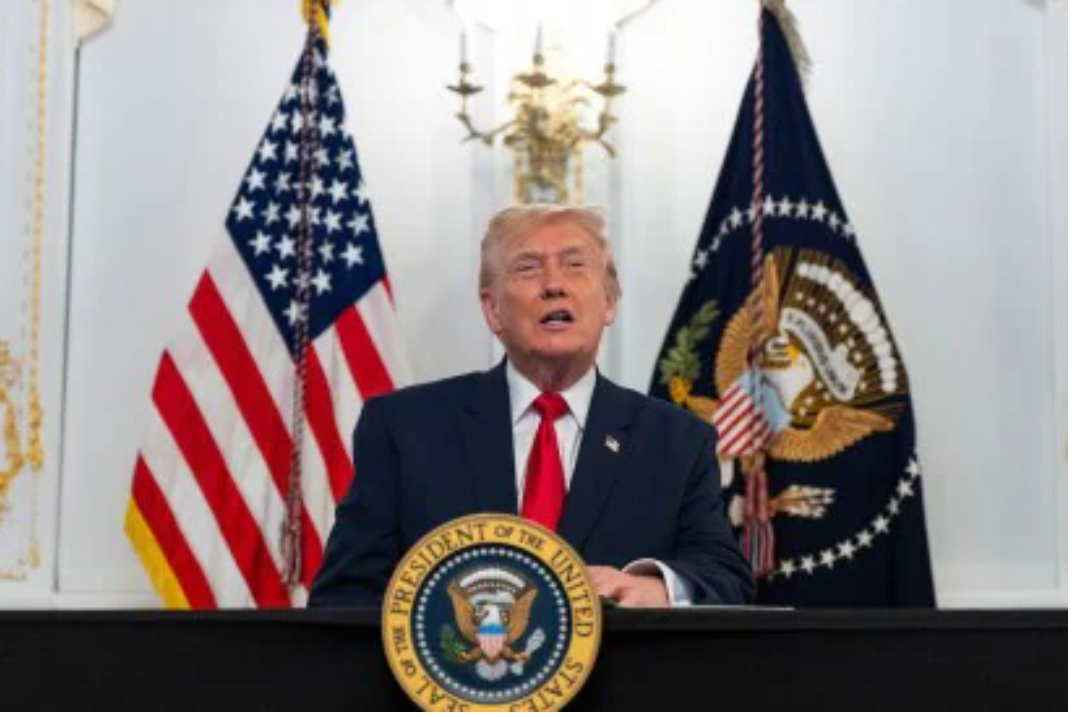
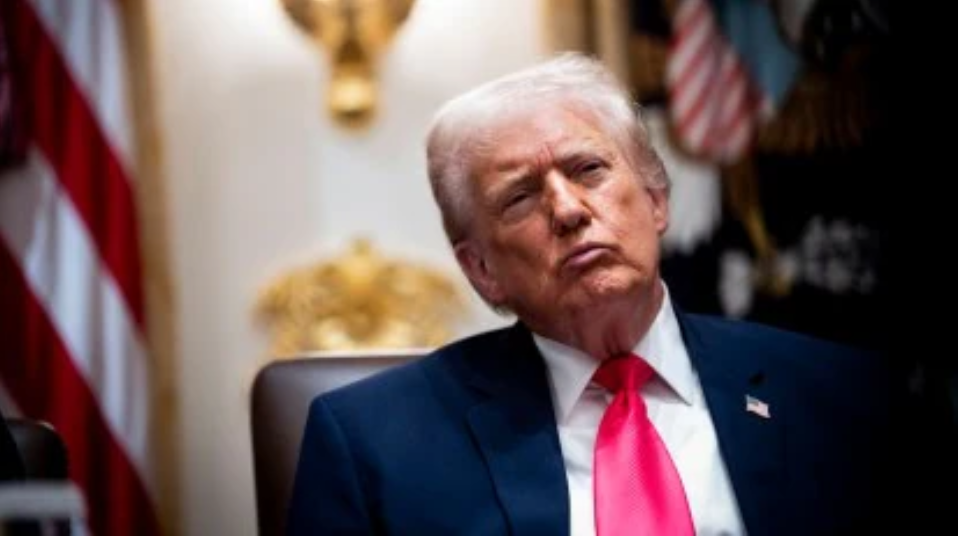
In a continuing display of gendered attacks on journalists, former President Donald Trump has once again targeted a female reporter, this time calling her “ugly,” following a New York Times report on his health and public schedule. The 79-year-old former president’s post on Truth Social comes less than two weeks after he referred to another female reporter as “quiet, piggy,” sparking fresh concerns about his treatment of women in the media.

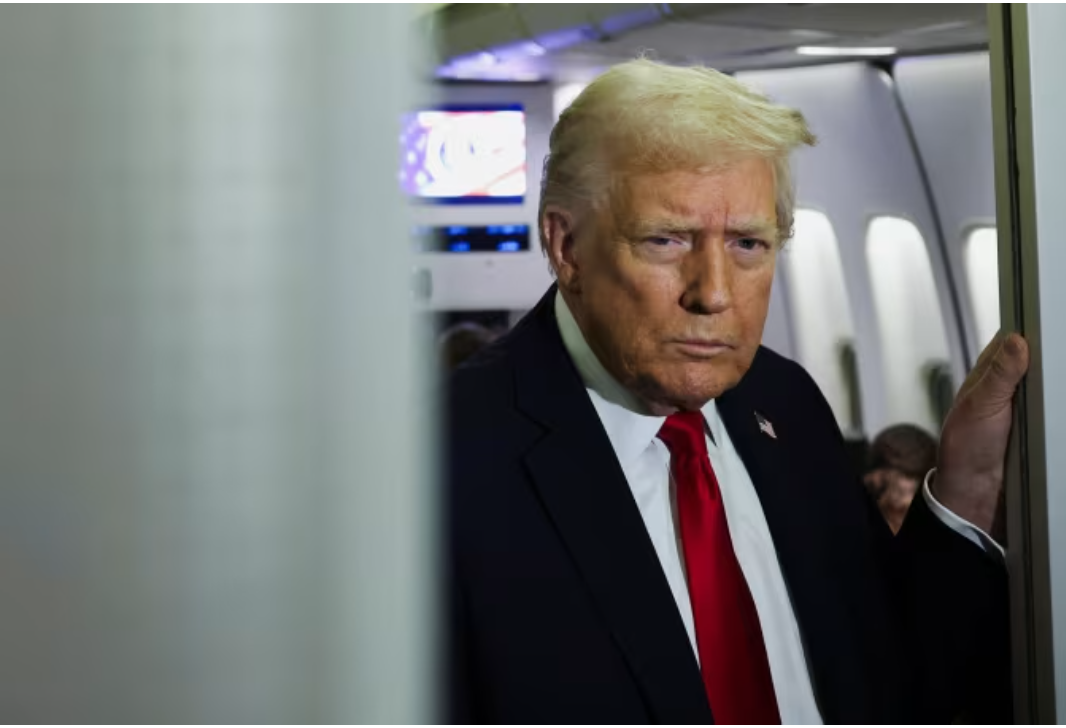
On November 25, 2025, President Donald Trump is seen aboard Air Force One while traveling from Joint Base Andrews in Maryland to Palm Beach, Florida. (Photo: Anna Rose Layden/Reuters)
The New York Times’ story, co-authored by White House correspondent Katie Rogers and Dylan Freedman, a reporter on the newspaper’s AI initiatives team, focused on Trump’s public appearances, domestic travel, and health in 2025. According to the report, Americans are seeing Trump “less than they used to.” The paper noted that the former president has fewer public events scheduled and is traveling domestically far less than he did in the same period during his first year in office in 2017, although he is taking more foreign trips.
The report also observed that Trump “keeps a shorter public schedule than he used to” and, when in public, “occasionally, his battery shows signs of wear.” Yet, the Times emphasized that Trump “remains almost omnipresent in American life” and fields questions from reporters far more frequently than President Joe Biden did.
In response, Trump lashed out at the female journalist while ignoring his male co-author. “The writer of the story, Katie Rogers, who is assigned to write only bad things about me, is a third-rate reporter who is ugly, both inside and out,” Trump wrote on Truth Social. The post was part of a broader message in which he claimed, without evidence, that his poll numbers were the highest ever, despite independent tracking showing a decline from his second-term peak.
“There will be a day when I run low on energy, it happens to everyone,” Trump added. “But with a PERFECT PHYSICAL EXAM AND A COMPREHENSIVE COGNITIVE TEST (‘That was aced’) JUST RECENTLY TAKEN, it certainly is not now!”
The Times’ report highlighted Trump’s recent MRI scan in early October but noted that the former president has not publicly disclosed the reason for the procedure. The newspaper also submitted detailed questions regarding his health, which went unanswered.
Instead, Trump’s Press Secretary, Karoline Leavitt, issued a statement attacking President Biden and asserting that Trump and his team “have been open and transparent” about his health. Trump further criticized the publication, dismissing it as “the soon-to-fold New York Times,” despite the paper’s continued profitability and growing digital subscription base.
The former president is currently pursuing a defamation lawsuit against The Times over the article, although legal experts suggest the case is unlikely to succeed. Analysts point out that public figures face a high bar to win defamation cases, especially when the reporting is based on factual observation and public records.
This incident comes amid a broader pattern of attacks by Trump against female journalists. His repeated use of personal insults has drawn widespread criticism from media organizations and press freedom advocates, who say such language undermines journalism and intimidates reporters.
In response to the latest attack, a spokesperson for The New York Times defended Rogers and the paper’s reporting. “The Times’ reporting is accurate and built on first-hand reporting of the facts,” the statement said. “Name-calling and personal insults don’t change that, nor will our journalists hesitate to cover this administration in the face of intimidation tactics like this. Expert and thorough reporters like Katie Rogers exemplify how an independent and free press helps the American people better understand their government and its leaders.”
Media observers note that Trump’s attacks reflect a longstanding antagonism toward news organizations that critically cover him. His labeling of mainstream media outlets as “fake news” and the personal denigration of reporters have been consistent strategies throughout his public life.
Trump’s most recent attacks also coincide with a time when questions about his health and stamina are increasingly relevant, as he remains active in political circles and maintains a significant media presence. The Times’ analysis suggests that while his schedule has slowed compared to earlier years, Trump remains highly visible in American politics, often participating in public events and interviews that reinforce his ongoing influence.
The former president’s behavior underscores the ongoing tension between political figures and the press, particularly regarding issues of accountability, transparency, and personal conduct. While his supporters may view these remarks as humorous or inconsequential, critics argue they contribute to a culture of harassment that discourages investigative reporting and undermines public trust in media institutions.
This latest episode raises questions about the future of political discourse in the U.S., as gendered attacks on journalists continue to surface in the public sphere. It also highlights the broader challenges faced by female reporters covering powerful political figures, where professionalism and accuracy can sometimes be met with hostility and personal attacks.
As the media continues to cover Trump’s public and political activities, the scrutiny of his health, schedules, and rhetoric remains a point of national interest. The Times’ reporting, and the subsequent response from Trump, reflects a complex interplay between media accountability and political defense, emphasizing the vital role of journalism in holding public figures to scrutiny.
In the face of repeated insults, journalists like Katie Rogers remain committed to their work, relying on rigorous reporting and fact-checking to inform the public. The Times’ defense signals a commitment to maintaining independence and credibility, even in the face of high-profile criticism from one of the nation’s most prominent political figures.
As Trump continues to influence political discourse and the national media narrative, the interactions between journalists and public figures will remain under scrutiny. Analysts predict that incidents like this could further polarize public opinion, highlighting the persistent divide in how Americans perceive media credibility and political leadership.
Discover more from AMERICA NEWS WORLD
Subscribe to get the latest posts sent to your email.