By Manisha Sahu | America News World
Nashville | December 3, 2025
Republican Matt Van Epps has secured a closely watched and strategically important victory in Tennessee’s 7th Congressional District, winning a special election that drew national attention, heavy spending, and high-profile endorsements. The win allows Republicans to maintain their hold on a reconfigured district at a time when the party has been grappling with declining approval ratings and growing Democratic momentum nationwide.

Republican candidate for Tennessee’s 7th Congressional District, Matt Van Epps, reaches out to shake hands as he steps out to applause during a rally in Franklin, Tennessee. (AP Photo)
Van Epps, a military veteran and former Tennessee commissioner of general services, defeated Democratic state Rep. Aftyn Behn after a fiercely contested campaign that became a proxy battle between Republican efforts to protect traditional strongholds and Democratic attempts to expand their reach into historically red territories.
A High-Priority Contest for Both Parties
Although the 7th District has long leaned Republican, the special election took on outsized significance due to President Donald Trump’s slipping approval numbers and rising voter discontent over economic issues. For Democrats, a competitive showing in Tennessee would have signaled that even deeply conservative districts were vulnerable ahead of the 2026 midterm elections.
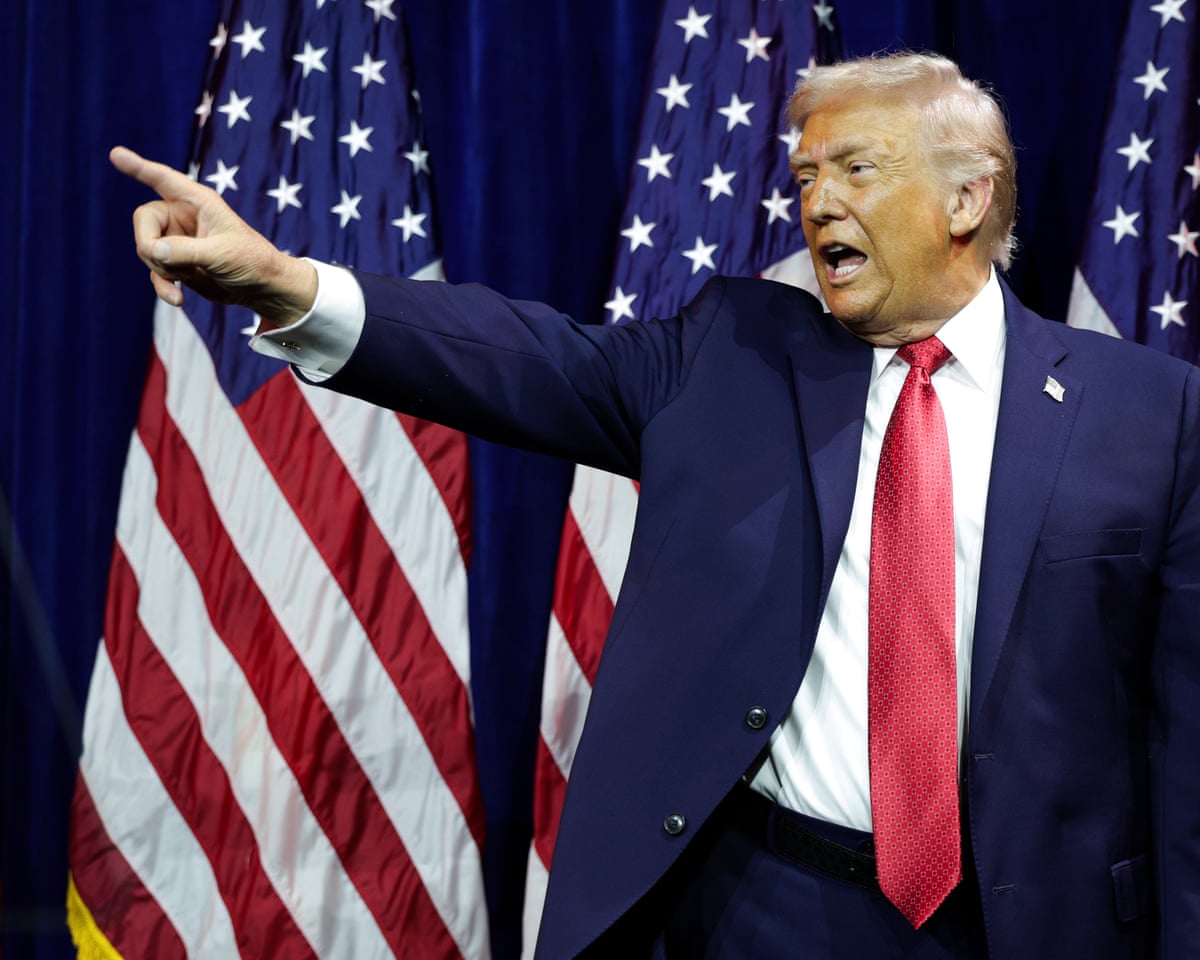
Republicans, aware of the national implications, mounted an aggressive defense of the seat. Van Epps received more than $1 million in support from MAGA Inc., marking the super PAC’s first major expenditure since last year’s presidential election. The involvement underscored the campaign’s strategic importance for the GOP and for Trump personally.
Trump made his presence felt throughout the race: addressing crowds by phone during a Tennessee rally, hosting a tele-rally for Van Epps, and offering one of his trademark last-minute endorsements that helped the Republican secure a dominant primary victory in October.
“I will have your back 100%,” Van Epps told Trump during a tele-rally in November, making clear his alignment with the former president. His messaging resonated with voters across the district’s rural and suburban counties, reinforcing his identity as a staunch supporter of Trump-era conservative policies.
Democratic Hopes and Heavy Investment
Aftyn Behn, a progressive state representative known for her fiery speeches, mounted an energetic campaign centered on economic justice, criticizing Trump’s policies and budget priorities as favoring corporations and the wealthy. She specifically targeted Trump’s tariffs and the Republican-backed budget and spending law, both of which Van Epps supports.
Democrats poured significant resources into the race. The House Majority PAC invested $1 million to boost Behn’s visibility and counter GOP messaging. National party figures including Democratic National Committee Chair Ken Martin, former Vice President Kamala Harris, former Vice President Al Gore, and Congresswoman Alexandria Ocasio-Cortez mobilized for Behn through campaign visits and virtual rallies.
Despite the momentum and national backing, Behn faced an uphill battle in a district that Tennessee Republicans strategically redrew in 2022. The redistricting process carved Nashville’s liberal-leaning voters into separate districts, minimizing the city’s influence. Today, only roughly 1 in 5 voters in the 7th District live in Nashville, significantly diluting Democratic presence.
A District Reshaped by Politics
The vacancy emerged after Republican Rep. Mark Green announced his retirement in the summer of 2025. Green had won reelection in 2024 by a comfortable 21-point margin, mirroring Trump’s performance in the area. That history reaffirmed the district’s reliably conservative tendencies even before the redistricting.
Still, with recent Democratic gains in states like New Jersey and Virginia, party leaders hoped Behn could narrow the Republican margin or even pull off an upset. A strong performance, they argued, would demonstrate that economic dissatisfaction and Trump fatigue were penetrating even the GOP’s safest seats.
But Republicans were determined to prevent such an outcome. They seized on Behn’s own statements, amplifying moments in which she described herself as a “radical” or criticized aspects of Nashville’s culture and tourism industry. These remarks surfaced repeatedly in GOP advertisements, shaping voter perceptions and blunting Behn’s message.
Unusual Election Timing Creates Uncertainty
The special election’s timing added another layer of unpredictability. Early voting ended just before Thanksgiving, and Election Day fell the following Tuesday — an unusual slot on the calendar that both campaigns worked aggressively to navigate.
Turnout strategies differed sharply between the two camps. Republicans emphasized their well-established voter networks across rural counties, while Democrats focused heavily on mobilizing younger voters and disaffected moderates in Nashville’s smaller share of the district.
Victory Despite National Headwinds
Van Epps’ victory delivers an important morale boost for Republicans at a time when the party has been battling questions about its electoral durability. The GOP had entered Election Day with the explicit goal of dispelling Democratic claims that even traditional red districts were slipping from Republican control amid broader dissatisfaction with Trump’s leadership.
The result also underscores the enduring political influence of Trump within Republican circles. Van Epps’ deep alignment with him — and Trump’s willingness to intervene directly in the race — suggest that the former president remains a central figure not only in national politics but also in down-ballot contests.
Democrats Look Ahead
Though Behn was unable to flip the district, Democratic leaders contend that their heavy investment and the narrowing of Republican margins in certain precincts demonstrate growing competitiveness in regions once considered unreachable.
With the midterm elections less than a year away, Democrats hope that lessons learned in Tennessee — particularly concerning turnout, messaging, and rural engagement — can strengthen their prospects in swing districts across the country.
A Preview of 2026
The Tennessee special election may not have shifted the balance of power in Congress, but it provided an early window into the political climate ahead of the 2026 midterms. Both parties treated the race not merely as a local contest but as a national litmus test of voter mood, campaign strategy, and Trump’s ongoing influence.
For now, Republicans can claim victory — and Van Epps can prepare to bring his Trump-aligned agenda to Washington. But with Democrats continuing to seek openings in historically conservative territory, both parties recognize that the fight for Congress in 2026 has already begun.
Discover more from AMERICA NEWS WORLD
Subscribe to get the latest posts sent to your email.