By Manisha Sahu | America News World
December 6, 2025
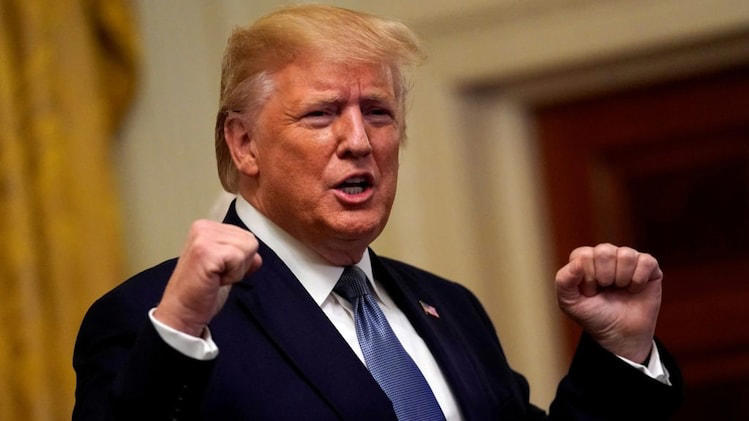
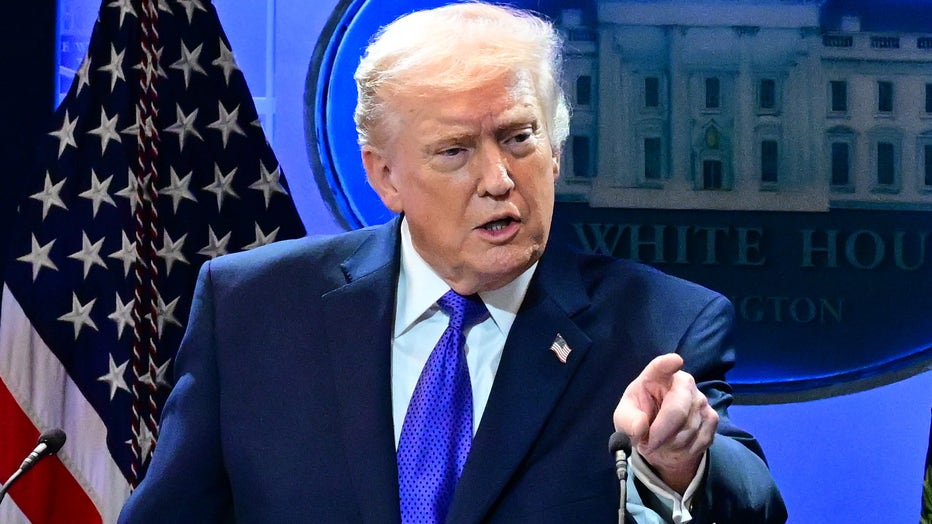
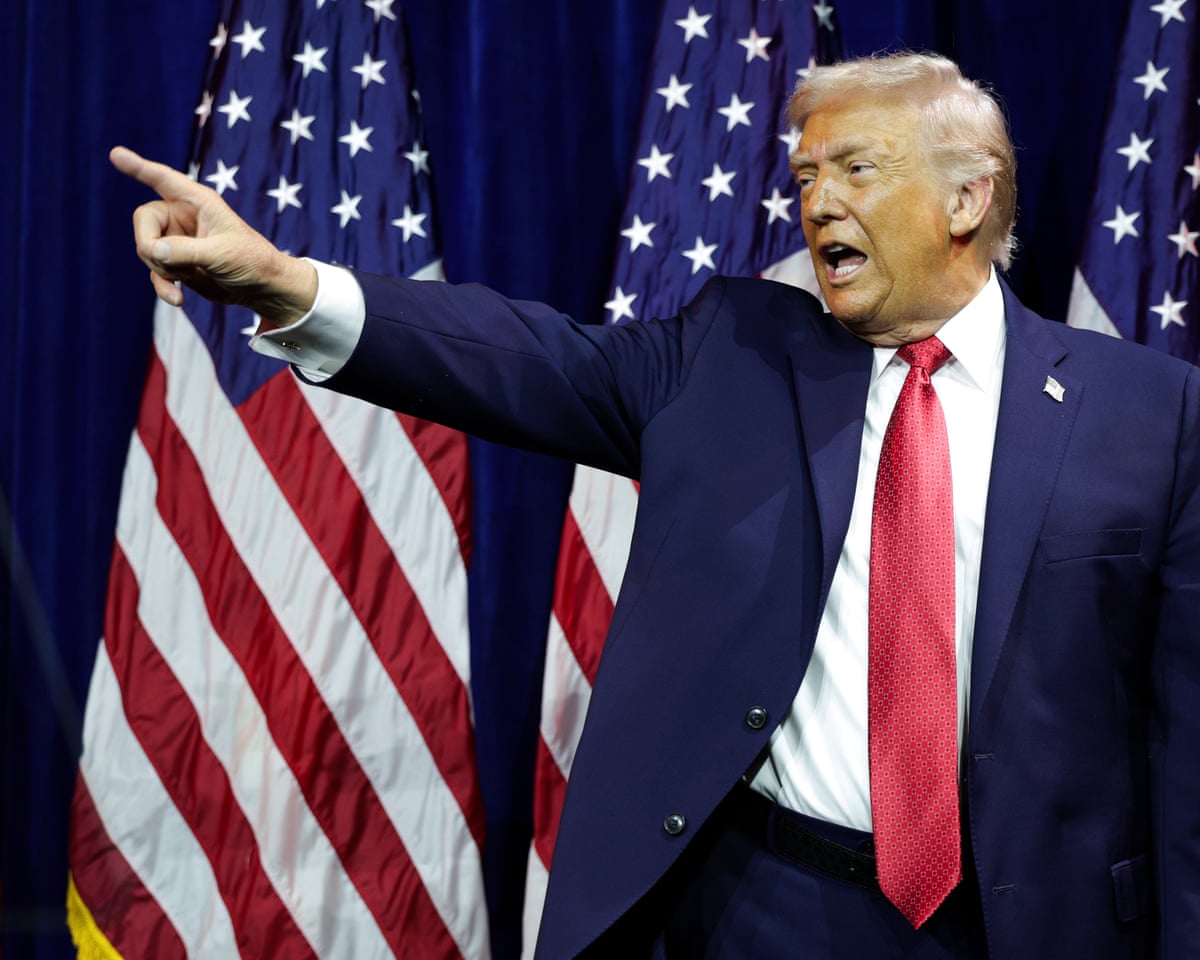
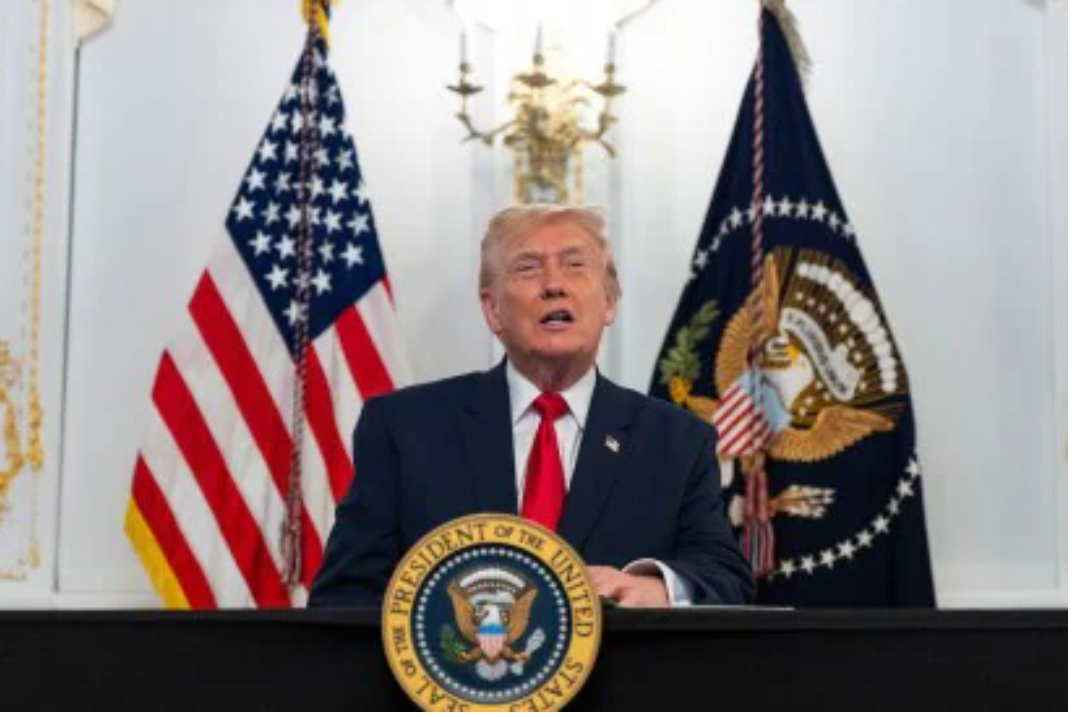
In a move that signals a potential shift in America’s automotive landscape, US President Donald Trump on Friday announced that he has formally approved the production of what he calls “tiny cars of the very near future” within the United States. Describing the vehicles as safe, economical and technologically forward-looking, Trump said the decision is aimed at opening the door to a new era of compact mobility that has already proven successful in other countries.

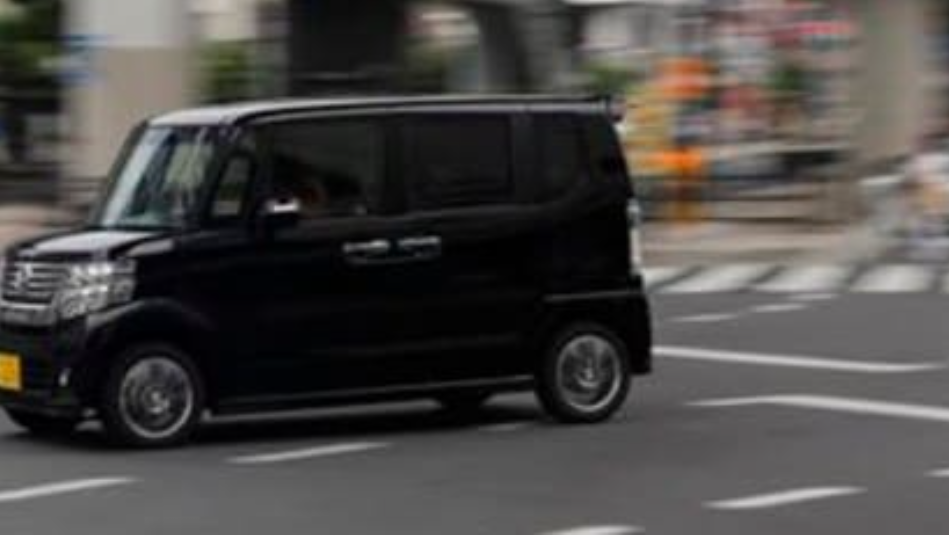
Earlier this week, Trump praised Japan’s Kei cars, the compact vehicles widely seen on Japanese roads. (Photo: Reuters)
The announcement, made on Truth Social, was accompanied by Trump’s characteristic enthusiasm. “I have just approved TINY CARS to be built in America,” he wrote. “Manufacturers have long wanted to do this, just like they are so successfully built in other countries. They can be propelled by gasoline, electric, or hybrid. These cars of the very near future are inexpensive, safe, fuel efficient and, quite simply, AMAZING.”
A Pivot Toward Ultra-Compact Mobility
Trump’s greenlight for domestic production of tiny cars comes at a time when many global automakers are exploring alternatives to traditional full-size vehicles in order to meet evolving consumer demand, address climate concerns and comply with changing regulatory environments. While ultra-compact cars remain a niche category in the United States, they dominate Japanese roads through the popular “Kei car” system — a class of small, lightweight vehicles known for affordability, ease of parking and low operating costs.
According to a recent Bloomberg report, Trump’s push was influenced by what he observed during a trip to Japan. He openly admired the efficiency and charm of Kei cars, telling reporters, “They’re very small, they’re really cute, and I said, ‘How would that do in this country?’ But we’re not allowed to make them in this country and I think you’re gonna do very well with those cars, so we’re gonna approve those cars.”
Trump’s remarks suggest a belief that American consumers, too, could embrace such vehicles, especially as urban congestion grows and fuel prices fluctuate. The idea aligns with earlier promises from the Trump administration to bolster domestic manufacturing and expand automotive innovation.
Regulatory Pathways and Safety Concerns
Although Trump has expressed confidence in the potential of these compact vehicles, not all officials are positioning them as suitable for every American road. Transportation Secretary Sean Duffy, who has been tasked with overseeing their approval, provided a more cautious outlook.
In an interview with CNBC, Duffy said the Department of Transportation is working closely with the National Highway Traffic Safety Administration (NHTSA) to create a regulatory framework that would allow these smaller cars to be built in the US while still complying with American safety standards. However, he acknowledged that such vehicles are “probably not” going to be permitted on major freeways due to their size and potential vulnerability in crashes involving larger vehicles.
This distinction underscores the challenge of integrating ultra-compact vehicles into a landscape dominated by large SUVs, pickup trucks and heavy commercial vehicles — all of which significantly outsize tiny cars. Ensuring that they are used in appropriate environments, such as urban centers or short-distance commuting corridors, will play a key role in shaping public adoption.
Reversing Course on Fuel-Efficiency Rules
The announcement also arrives just days after the Trump administration revealed its intention to roll back the Biden-era Corporate Average Fuel Economy (CAFE) standards. These regulations set minimum miles-per-gallon requirements for automakers’ fleets, encouraging manufacturers to produce more fuel-efficient vehicles.
Trump has long argued that such standards place undue burden on automakers and increase car prices for consumers. By promoting tiny cars — which are inherently fuel efficient — his administration appears to be offering an alternative path toward broader fuel conservation without mandating stricter rules on manufacturers.
Critics, however, contend that weakening CAFE standards while pushing tiny cars could create regulatory inconsistencies, leaving questions about how emissions targets will be met.
Industry Response: Cautious Optimism
Within automotive circles, Trump’s announcement has triggered a mix of intrigue and caution. While several American manufacturers have experimented with compact electric models, few have attempted to market ultra-compact vehicles akin to Japanese Kei cars.
Industry analysts say the US market has historically gravitated toward larger vehicles, which offer perceived safety, comfort and utility. Yet, they also note that rising urbanization, the growth of car-sharing platforms and greater environmental consciousness could open the door for a niche compact-car segment.
If manufacturers are able to design models that appeal to urban drivers — especially younger consumers seeking affordable options — tiny cars may find a sustainable foothold. Their potential as electric or hybrid vehicles also strengthens their relevance as the automotive industry transitions toward cleaner mobility solutions.
A Cultural Shift or a Short-Lived Experiment?
Whether tiny cars will become a mainstream option in the US remains uncertain. America’s historical preference for large vehicles, wide highways and suburban commuting patterns stands in stark contrast to Japan’s compact urban streets and stringent parking regulations.
Still, Trump’s approval has pushed the conversation into the national spotlight. It raises questions about whether Americans are ready to embrace dramatically smaller vehicles for everyday use, or whether tiny cars will serve more specialized roles — such as urban deliveries, short city commutes, campus transportation or last-mile mobility.
Advocates argue that introducing these vehicles could help reduce traffic congestion, lower emissions and offer cost-effective alternatives to traditional vehicles. Skeptics worry about safety, practicality and market acceptance.
As regulators move forward and manufacturers begin exploring design options, the coming months will reveal how quickly the tiny car initiative progresses. Pilot projects in select cities may offer insight into real-world feasibility.
For now, Trump’s announcement has injected fresh momentum into a long-standing industry debate. Whether tiny cars become a transformative mobility trend or remain a niche concept will depend on consumer interest, regulatory clarity and manufacturers’ willingness to innovate.
One thing is certain: the conversation about America’s automotive future has gotten just a little smaller — and potentially a lot more interesting.
Discover more from AMERICA NEWS WORLD
Subscribe to get the latest posts sent to your email.