By_shalini oraon

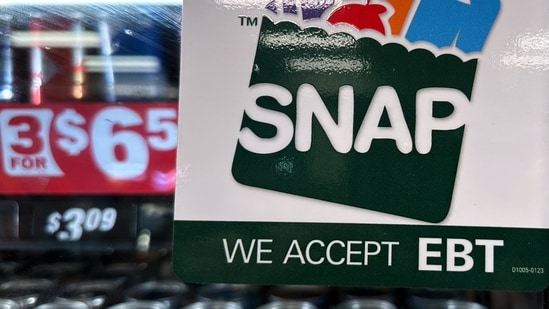
_The subject of the Trump administration’s threat to cut SNAP funding,
—
A Political Fault Line: The Trump Administration’s SNAP Threat and the “Blue State” List
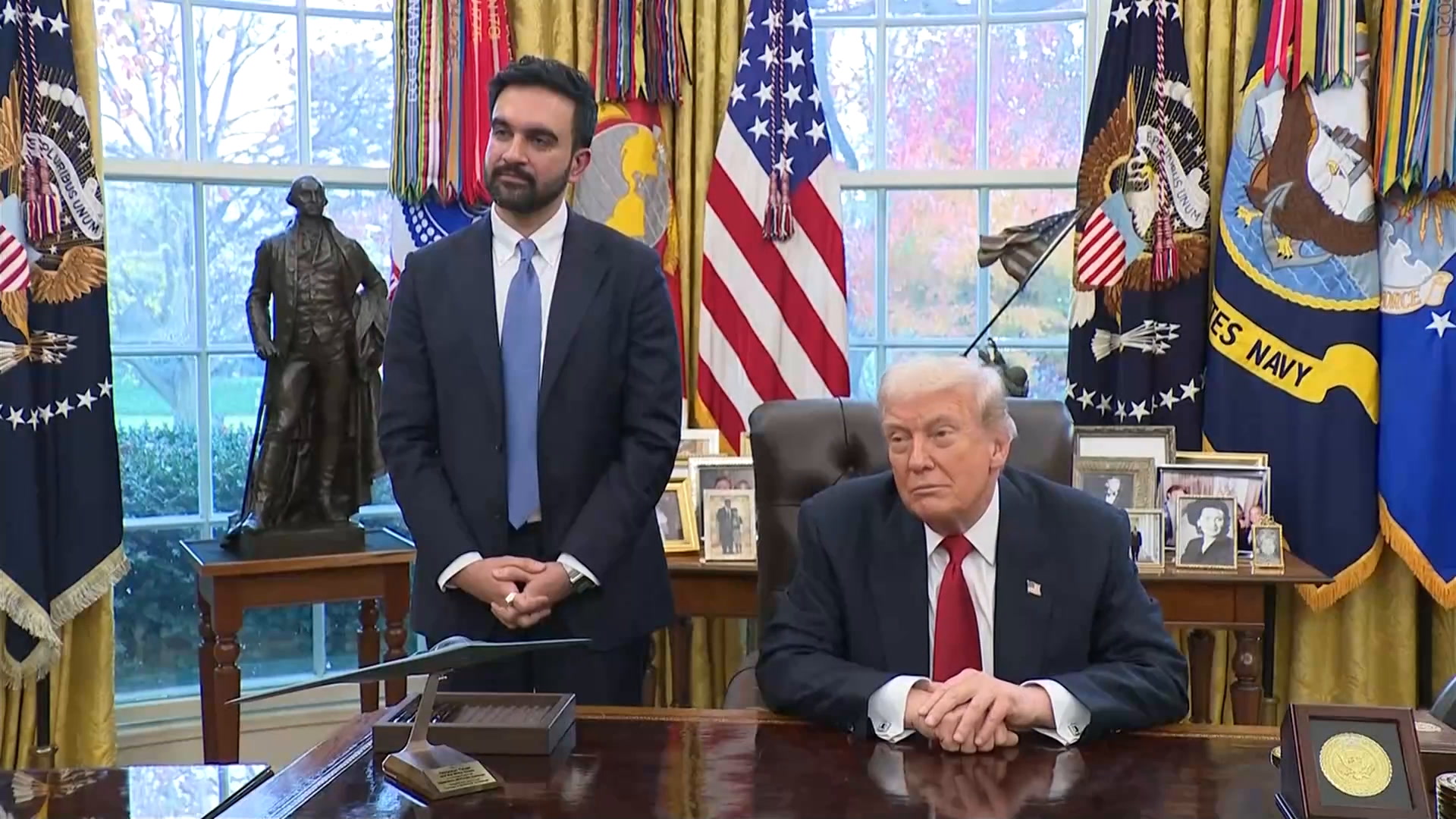
The Trump administration’s tenure was marked by a series of high-stakes policy clashes, and few were as visceral or directly impactful as the battles over the social safety net. Among the most significant was the persistent effort to fundamentally restructure the Supplemental Nutrition Assistance Program (SNAP), historically known as food stamps. A key flashpoint emerged with a regulatory threat that explicitly targeted a group of states, an action framed by critics as a politically motivated maneuver that used food security as a bargaining chip.
While the headline “Trump administration threatens to cut funding for SNAP in 21 Blue states” captures a dramatic moment, the full story is a complex tapestry of administrative rule-making, federalism, and the politics of poverty. It was not a simple, singular legislative veto but a calculated attempt to reinterpret and enforce existing SNAP statutes in a way that would disproportionately affect states with specific political and policy profiles.
The Mechanism: Cracking Down on “Broad-Based Categorical Eligibility”
The core of the conflict revolved around a wonky but crucial provision called Broad-Based Categorical Eligibility (BBCE). Under federal law, households receiving cash welfare benefits (Temporary Assistance for Needy Families, or TANF) are automatically eligible for SNAP, streamlining the process. Over decades, states—with federal approval—had expanded this link. They offered minimal, non-cash TANF benefits, such as informational brochures or referral services, to effectively raise or eliminate the SNAP asset test and slightly increase the income eligibility threshold. This practice, known as BBCE, was adopted for pragmatic reasons: it reduced administrative complexity, encouraged savings among low-income families (by not penalizing them for having a modest car or emergency fund), and helped transition people off welfare without immediately losing food aid.
The Trump administration’s Department of Agriculture (USDA), under Secretary Sonny Perdue, argued this practice was a “loophole” that allowed states to improperly enroll people who did not meet the program’s core need requirements. In July 2019, it proposed a rule to severely restrict BBCE, effectively mandating that states impose stricter asset and income tests. The administration’s stated goal was to “restore the integrity of SNAP” and move “more able-bodied adults to self-sufficiency.”
The Political Geography of the Threat
Here is where the “Blue state” list materialized. The proposed rule change did not name states explicitly, but its impact map was unmistakably partisan. The states that had adopted BBCE policies were largely those with more expansive views of the social safety net. A Reuters analysis at the time identified that the rule would disproportionately affect states that voted for Hillary Clinton in 2016. While some Republican-led states also used BBCE, the heaviest impact—in terms of the number of people potentially removed from SNAP rolls—would be felt in Democratic strongholds.
A non-exhaustive list of the major states facing significant projected cuts included:
· California & New York: The two largest SNAP populations in the nation, with extensive use of BBCE to support high-cost-of-living areas.
· Illinois, New Jersey, Massachusetts, Washington, Oregon: States with consistently Democratic leadership and proactive social policies.
· Michigan, Pennsylvania, Wisconsin: Key “Blue Wall” battleground states that flipped to Trump in 2016 but had Democratic governors or state legislatures defending BBCE.
· Other states like Connecticut, Rhode Island, Vermont, Maryland, and the District of Columbia.
The administration’s move was seen by these states and by anti-poverty advocates not as a neutral policy adjustment, but as a form of coercive federalism. By threatening to rescind a long-standing, legally sound flexibility, the federal government was attempting to force states to adopt a narrower, more restrictive model of eligibility against their will. It created a direct financial threat to millions of their residents to achieve a policy outcome Congress had repeatedly declined to legislate.
The Stakes and the Backlash
The human stakes were immense. The USDA’s own impact analysis estimated that 3.1 million people would lose SNAP benefits entirely under the proposed rule. Furthermore, it would cut benefits for hundreds of thousands of school children who automatically qualified for free school meals through their SNAP enrollment. Mayors, governors, state attorneys general (largely from the listed states), anti-hunger organizations, and even some conservative groups concerned about increased bureaucracy mobilized in fierce opposition.
They argued the rule:
1. Punished Working Families: By reinstating harsh asset limits, it would penalize families trying to save for a car to get to work or for emergency expenses.
2. Increased Administrative Costs: Forcing states to conduct detailed asset verifications would burden state agencies and slow down enrollment.
3. Weakened Economic Stability: SNAP is a highly effective economic stimulus, with every dollar in benefits generating nearly $1.80 in economic activity during a downturn. Removing these dollars would hurt local grocery stores and economies.
4. Was Politically Motivated: The targeting of politically disfavored states, following failed legislative attempts to cut SNAP in the Farm Bill, suggested an end-run around Congress.
Outcome and Lasting Impact
The controversy culminated in late 2020. The Trump administration finalized a scaled-back but still impactful version of the rule. However, its implementation became entangled in legal challenges. A federal lawsuit led by New York Attorney General Letitia James, joined by 22 other states and the District of Columbia, resulted in a preliminary injunction. Ultimately, the Biden administration halted the rule upon taking office in January 2021 and later formally rescinded it.
The episode, however, left a lasting mark. It demonstrated how executive power could be used to reshape major entitlement programs without Congressional approval, setting a precedent future administrations may follow. It highlighted the deep ideological divide over the purpose of aid: is it a temporary, restrictive safety net for the most destitute, or a broader stabilizer designed to prevent families from falling into destitution? Most starkly, it revealed how a technical rule change could be wielded as a political weapon, drawing a map of impact that closely mirrored the nation’s electoral divides. The list of “21 Blue states” was more than a projection of SNAP participation; it was a testament to how the fight over food security had become another front in America’s culture and policy wars.
Discover more from AMERICA NEWS WORLD
Subscribe to get the latest posts sent to your email.