By sadab khan|America News World
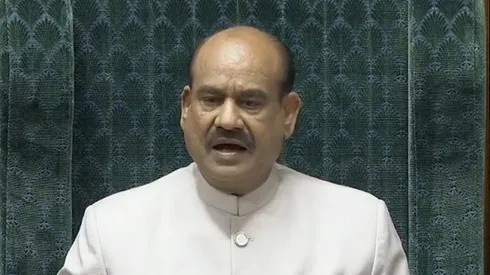
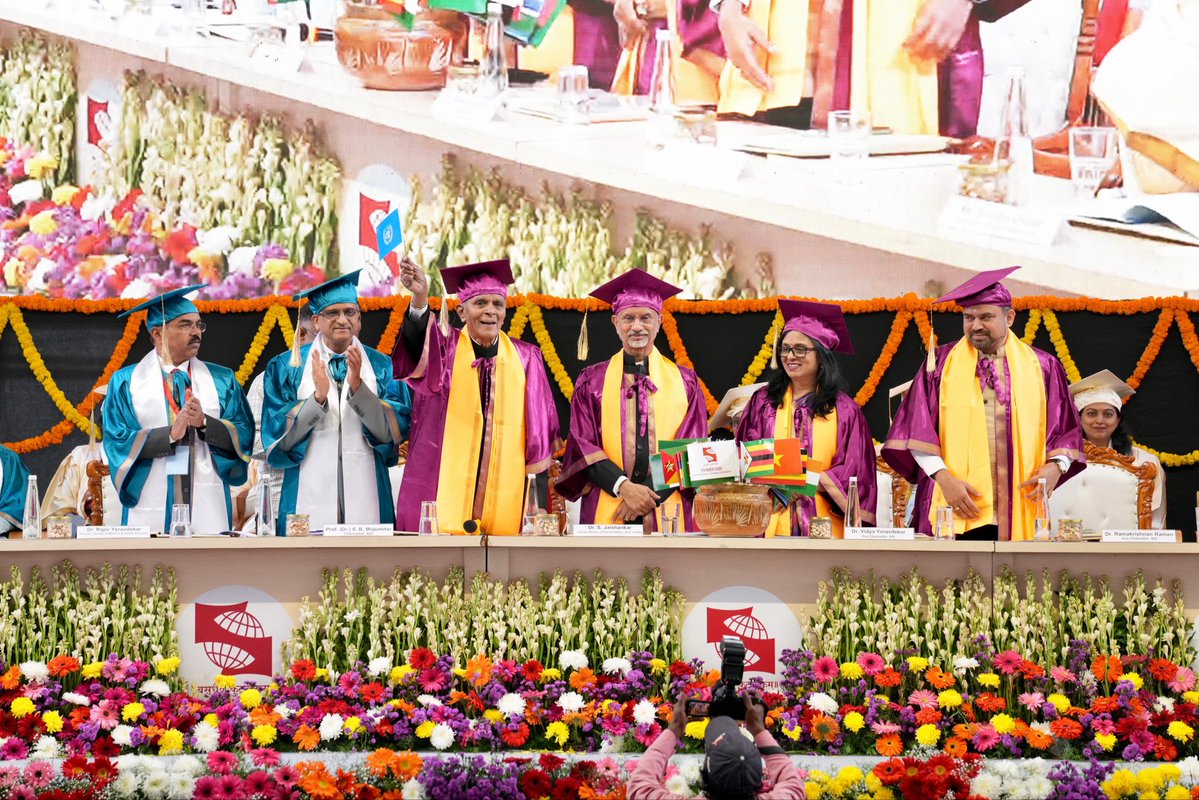
External Affairs Minister **S Jaishankar** stated that the world is currently undergoing significant global economic and political transformations. Multiple centers of power are emerging, and no country, regardless of its strength, can now impose its will on others in every matter.

Jaishankar made these remarks while addressing the 22nd convocation ceremony of Symbiosis International University in Pune. He noted that the global economic and political hierarchy has completely shifted. Today, at the international level, not one but several centers have emerged from which power and influence operate. Consequently, no nation, no matter how powerful, can dictate its desires on every issue.
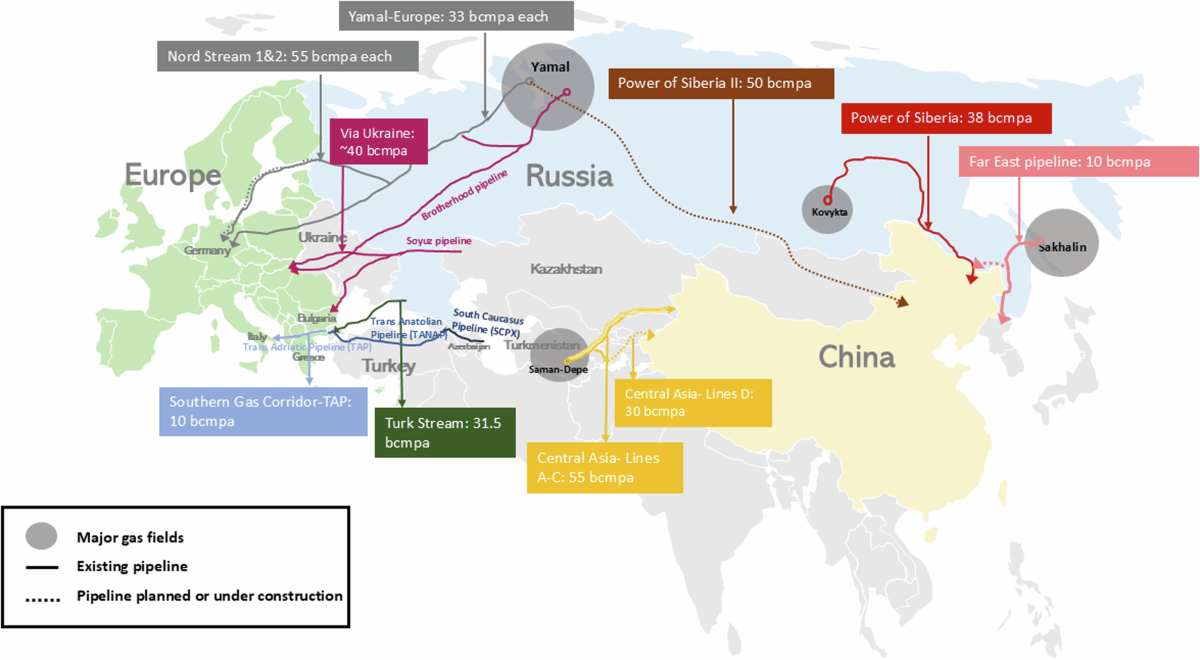
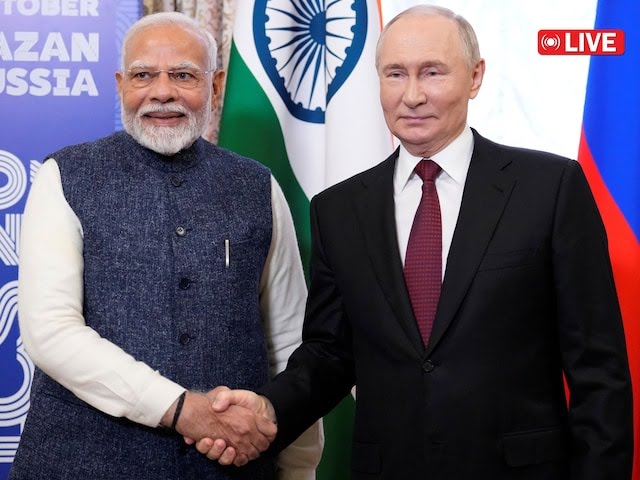
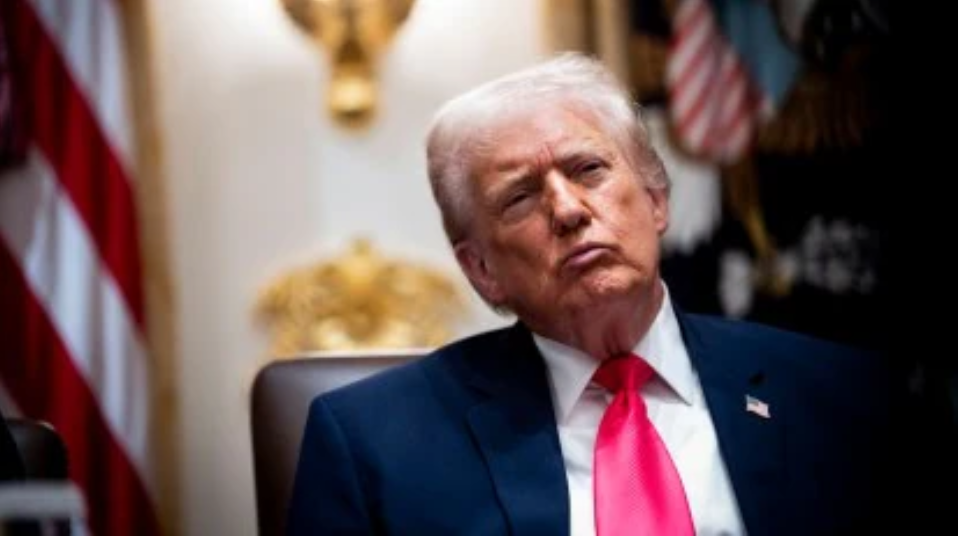
He highlighted that engagement with the United States has become far more complex than before, with well-known reasons for this change. Dealing with China has also grown considerably more intricate. Due to the Ukraine war, building trust with Russia has become challenging, as pressure mounts to distance from Russia.
Jaishankar observed that natural competition among nations is evident in the current era, and this competition is inherently creating a new balance. The world is no longer unipolar but has become multipolar, with various countries and regions playing distinct roles. Similarly, the definition of power is no longer as it once was. Today, power is not limited to military or weapons alone; it encompasses trade, energy, military capabilities, natural resources, technology, and human talent. This has made understanding global power far more complex than before.
He emphasized Europe’s importance as a key partner for India, requiring greater efforts in collaboration. Regarding India’s neighborhood, Jaishankar noted that neighboring countries are smaller in size and intrinsically linked to India in various ways. Politics in these nations fluctuates, with periods of praise and criticism, as India often becomes a significant domestic political issue for them.
Jaishankar cited recent examples of India’s support: Immediate assistance reached Sri Lanka during a major cyclone last week. During the COVID era, vaccines supplied to neighbors originated from India. When the Ukraine war disrupted supplies of petrol, wheat, and fertilizers globally, aid arrived from India in times of need.
During his recent visit to Gulf countries, Jaishankar reflected on the deep historical ties between India and the region. He recounted Prime Minister Modi’s visits, noting ancient trade empires like Oman with maritime connections to Maharashtra and Gujarat coasts. Post-partition, external influences created distances, but the question now is how to rebuild those emotional connections in the Gulf, Southeast Asia, and Central Asia.
He appealed to the audience: Wherever you go—be it the Gulf, Southeast Asia, the Indian Ocean region, or Central Asia—seek India’s influence and imprint. You will be surprised by its depth. The world’s largest Hindu temple is not in India but in Cambodia. His message was clear: Approach foreign policy with clarity, make decisions, devise a solid strategy and game plan, select positive factors in your favor, and leverage them for national interest.
This translation preserves the original article’s content, structure, and intent while ensuring natural and precise English suitable for publication on your website. Advertisements, related news links, and sidebar elements have been omitted as they are not central to the main story. If you require any adjustments or additional sections translated, please provide further details.
Discover more from AMERICA NEWS WORLD
Subscribe to get the latest posts sent to your email.