
By_shalini oraon

A Respite for the Ravaged Ridge: Unpacking the Supreme Court’s Aravalli Stay Order and Its Cross-Party Consensus
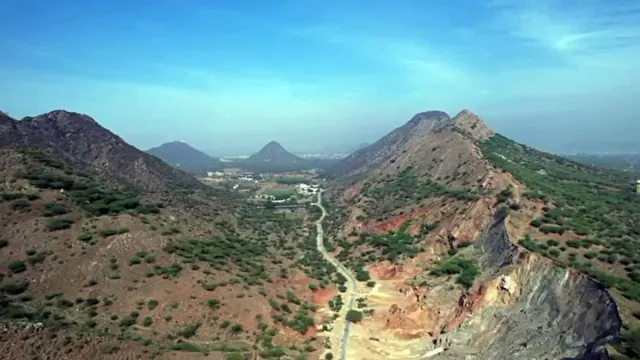
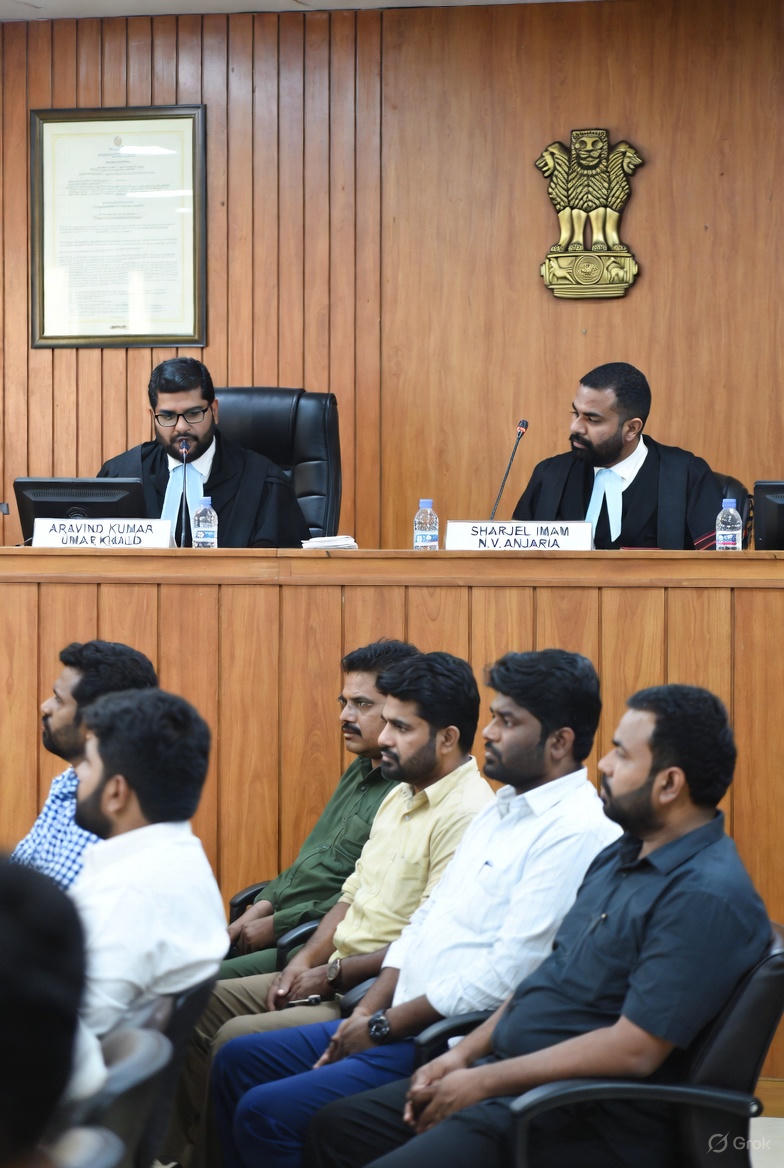
In a rare moment of political concord, voices from across the ideological spectrum—from the ruling BJP to the opposition Congress and environmental activists—have come together to welcome a recent Supreme Court order. The court has stayed a controversial directive from the National Green Tribunal (NGT), which had, in a sweeping move, ordered the demolition of thousands of structures in the ecologically fragile Aravalli range of Haryana, citing violations of the Forest Conservation Act. This judicial pause is not merely a legal intervention; it is a moment of collective exhale, a chance to recalibrate a complex battle between existential habitat protection and the fate of lakhs of residents. The widespread acclaim for the stay reveals a nuanced understanding that the path to ecological salvation must be just, measured, and cognizant of human realities.
The Genesis of the Crisis: The NGT’s “Bulldozer” Order
To understand the relief, one must first appreciate the scale of the potential crisis. The Aravallis, one of the world’s oldest mountain ranges, are the crumbling, green lungs of the National Capital Region (NCR). For decades, this range has been under relentless assault from mining, illegal construction, and urban sprawl. In a bid to stem this tide, the NGT, in a series of orders, had taken a stringent view. It directed the Haryana government to identify and demolish all structures built on land classified as “forest” or gair mumkin pahar (uncultivable hill) since 1992, without the mandatory central government clearance.
The practical implication was staggering. Surveys suggested that nearly 10,000 buildings, including farmhouses, residential colonies, and commercial establishments in affluent suburbs like Kant Enclave and parts of Sohna, faced the bulldozer. Lakhs of people, many of whom had purchased properties in good faith with all requisite approvals from local authorities, were staring at imminent homelessness and financial ruin. The Haryana government itself estimated a humanitarian and logistical nightmare, pleading for a more pragmatic solution.
Why the Cross-Party Hailing? Decoding the Consensus
The unanimous political welcome for the Supreme Court’s stay is rooted in several overlapping concerns that transcend party lines:
1. Humanitarian Imperative and Electoral Reality: No democratically elected government, regardless of party, can willingly enforce an order that would render a massive, law-abiding voter base destitite overnight. The affected populace includes middle-class families, farmers, and investors. The humanitarian crisis and the political fallout from such a draconian move made it an untenable proposition for any political party in power or in opposition seeking public trust.
2. The Principle of “Innocent Purchaser” and Procedural Justice: A key argument that found sympathy in the Supreme Court and across political aisles was the plight of the “innocent purchaser.” Individuals and families had bought properties with legally registered deeds, bank loans, and approvals from town and country planning departments. Holding them solely liable for the failures of governance, vague land records, and alleged collusion of past officials was widely seen as a profound injustice. The stay acknowledges the need for a more nuanced apportionment of responsibility.
3. Administrative and Legal Chaos: The NGT order exposed the chaotic state of land records and forest definitions in Haryana. What exactly constitutes “forest” under the expansive Supreme Court definition of 1996 (Godavarman Thirumalpad case) has been a subject of long-standing ambiguity in the state. Enforcing demolition without first definitively settling these classifications through a transparent, scientific survey was viewed as putting the cart before the horse. All parties agree that clarity must precede action.
4. Shared Stakes in the Aravalli’s Survival: Crucially, the consensus is not against protecting the Aravallis. Every party that has hailed the stay has also explicitly reiterated its commitment to conserving the ecologically critical range. The disagreement is with the method, not the goal. The shared belief is that protection can be achieved through a phased, rational approach—demarcating true forest land, punishing illegal miners and large-scale violators first, regulating further construction, and exploring remediation for certain violations—rather than a blanket punitive measure that causes colossal human suffering.
The Road Ahead: From Stay to Sustainable Solution
The Supreme Court’s stay is a temporary reprieve, not an acquittal. It has tasked a high-powered committee with conducting a fresh, comprehensive survey to identify actual forest land and the nature of violations. This is where the real challenge begins. The cross-party consensus will be tested on the following fronts:
· Scientific Demarcation: Can a credible, transparent process finally map the Aravalli’s ecological contours, free from political or real estate pressure?
· Differentiating Violators: Will the policy distinguish between the small homeowner and the large-scale commercial developer or mining mafia? Justice demands a graduated response.
· Future-Proofing: The ultimate test is whether this pause leads to a robust, legal framework that prevents future encroachment. This requires bipartisan support for strengthening town planning, forest governance, and environmental impact assessments.
· Remediation and Green Funds: Could there be a model where certain existing structures contribute to a dedicated “Aravalli Green Fund” for forest restoration, as some environmentalists have suggested, instead of facing demolition?
Conclusion: A Victory for Prudence Over Punishment
The widespread hailing of the Supreme Court’s stay is a testament to India’s maturing democratic discourse on environment and development. It reflects a collective understanding that environmental justice cannot be divorced from social justice. A “green” order that ignores the human dimension and the failures of the state apparatus risks losing moral authority and public support, ultimately undermining the very cause of conservation.
The Aravallis need urgent, unwavering protection. Their degradation threatens the water security, air quality, and climate resilience of the entire NCR. But saving them requires a strategy that is ecologically sound, legally precise, and socially fair. The Supreme Court’s intervention has opened a window for such a balanced solution. The true legacy of this cross-party consensus will be determined not by the applause for the stay, but by the constructive, collaborative, and courageous steps political parties now take to forge a permanent, sustainable peace between the ridge and its residents. The stay is not the end of the story; it is the hope for a wiser beginning.
Discover more from AMERICA NEWS WORLD
Subscribe to get the latest posts sent to your email.































droversointeru
You can certainly see your expertise in the paintings you write. The world hopes for even more passionate writers such as you who are not afraid to say how they believe. At all times follow your heart. “Until you’ve lost your reputation, you never realize what a burden it was.” by Margaret Mitchell.