By Sadab Khan
America news world|Delhi, January 5, 2026
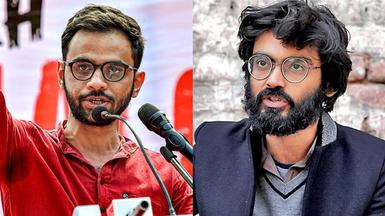
In a landmark ruling that underscores the stringent application of anti-terrorism laws in India, the Supreme Court on Monday denied regular bail to prominent student activists Umar Khalid and Sharjeel Imam in the high-profile “larger conspiracy” case linked to the 2020 Delhi communal riots. However, in a balanced approach, the apex court granted bail to five other accused individuals, emphasizing individualized assessments over blanket denials.

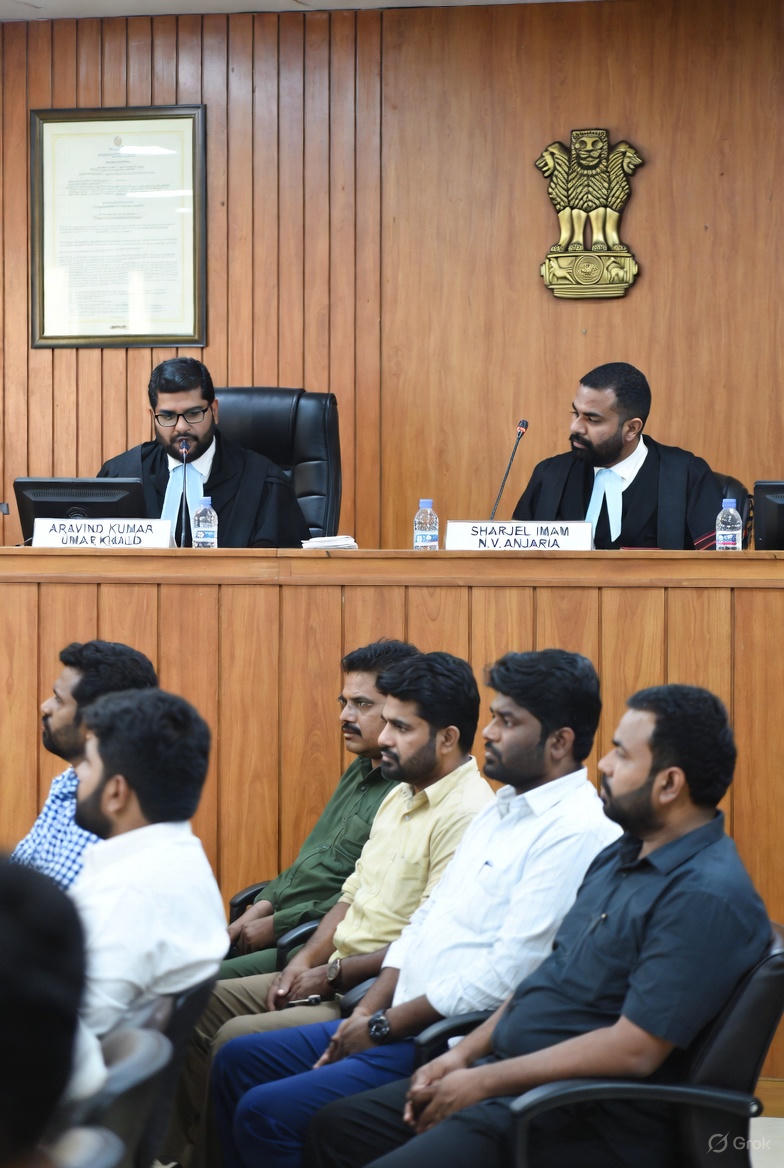
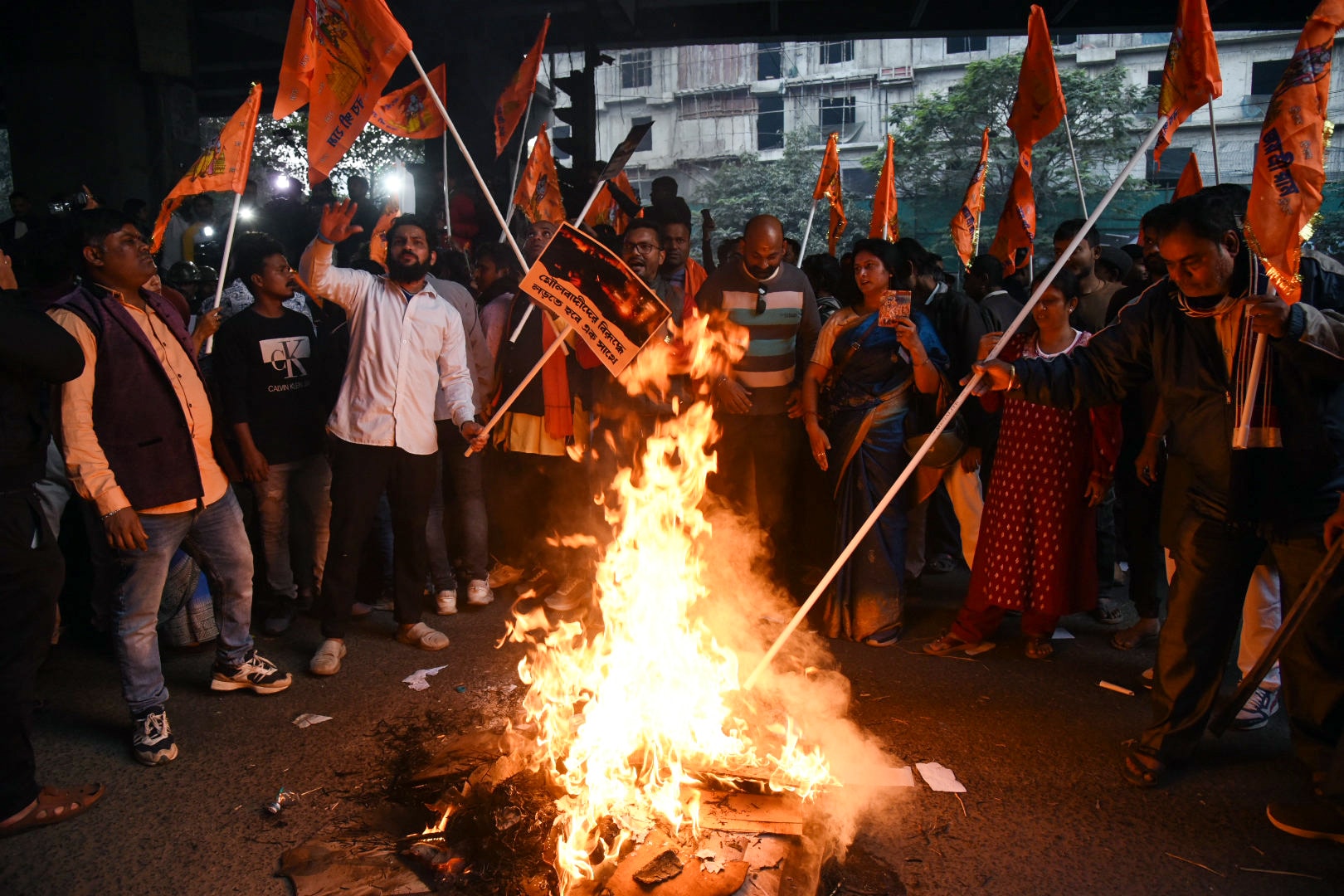
Supreme Court India, Umar Khalid, Sharjeel Imam, Delhi Riots 2020, UAPA Bail, Student Activists, CAA Protests image generated by ai
The decision, delivered by a bench comprising Justices Aravind Kumar and N.V. Anjaria, highlights the judiciary’s delicate balancing act between national security imperatives and constitutional safeguards against prolonged pretrial detention.
The petitions stemmed from the Delhi High Court’s September 2, 2025, order rejecting bail for multiple accused, prompting special leave petitions under Article 136 of the Constitution. Khalid and Imam, arrested over five years ago, have been charged under the Unlawful Activities (Prevention) Act (UAPA), 1967, and various sections of the Indian Penal Code (IPC) for their alleged roles in orchestrating protests against the Citizenship Amendment Act (CAA) that purportedly escalated into the February 2020 riots, claiming over 50 lives and displacing thousands in northeast Delhi.
Pronouncing the 120-page judgment, Justice Kumar observed that prosecution materials prima facie established a “central and formative role” for Khalid and Imam in the conspiracy, involving “planning, mobilization, and strategic direction” that transcended mere localized violence. The court invoked Section 43D(5) of the UAPA, which imposes a high bar for bail when a prima facie case under the Act is made out, stating that their continued detention does not yet cross “constitutional impermissibility.” However, in a ray of hope for the duo, the bench permitted renewal of bail applications after the examination of protected witnesses or one year from January 5, 2026, whichever is earlier.
Contrasting their positions, the court freed Gulfisha Fatima, Meera Haider (also spelled Meeran Haider), Shifa-ur-Rehman, Mohd. Saleem Khan, and Shadab Ahmed, noting that the evidence against them did not meet the UAPA’s stringent threshold. “All accused persons are not on the same footing,” the judgment clarified, rejecting a “collective approach” that could lead to unjust pretrial incarceration. For those granted liberty, the court imposed 12 rigorous conditions, including prohibitions on using encrypted apps, leaving the National Capital Region without permission, and influencing witnesses—breaches of which could trigger immediate cancellation of bail. The trial court was also directed to expedite proceedings, a nod to the petitioners’ arguments on undue delay.
The ruling delves deeply into the interpretive contours of UAPA provisions. Justice Kumar emphasized that Section 15, addressing terrorist acts, cannot be confined to “blatant violence” alone; it extends to disruptions of essential services and economic threats, such as the alleged chakka jam (road blockade) strategies during CAA protests. Yet, the court cautioned against treating trial delays as a “trump card” for automatic bail, while affirming that Section 43D(5) does not oust judicial scrutiny. “The enquiry is accused-specific,” it noted, underscoring that defense pleas are not to be adjudicated at the bail stage but only if prosecution evidence, if unrebutted, suffices for conviction.
This verdict arrives against a backdrop of mounting criticism over the UAPA’s misuse as a tool to stifle dissent. Enacted in 1967 and amended in 2019 to include “terrorist acts” against India’s unity, the law has drawn flak from human rights bodies like Amnesty International for its low conviction rates—barely 2% in some years—and propensity for prolonged detentions without trial. Khalid, a former Jawaharlal Nehru University (JNU) scholar, and Imam, an Aligarh Muslim University alumnus, were at the vanguard of anti-CAA agitations, accused of inciting violence through speeches and social media. Their counsel, including Senior Advocates Kapil Sibal and Abhishek Manu Singhvi, argued that the charges were politically motivated, lacking direct evidence of riot instigation.
Solicitor General Tushar Mehta, representing the Delhi Police, countered with a dossier of WhatsApp chats, protest videos, and witness statements painting a picture of a “well-orchestrated conspiracy” involving funding from dubious sources and coordination with international elements. The riots, erupting on February 23, 2020, amid CAA-NRC protests, saw Hindu-Muslim clashes fueled by inflammatory rhetoric from both sides, though the case focuses on Muslim-led groups.
The partial relief extended to the five co-accused marks a departure from earlier high court trends. Fatima, a JNU research scholar, and Haider, her partner and a student leader, were portrayed as peripheral participants. Rehman, a Jamia Millia Islamia alumnus, Khan, a businessman, and Ahmed, a law student, similarly benefited from the court’s granular scrutiny. Notably, others like Asif Iqbal Tanha, Devangana Kalita, and Natasha Narwal had secured bail earlier, while Safoora Zargar was released on humanitarian grounds during pregnancy.
Legal experts view this as a nuanced evolution in UAPA jurisprudence. “It reinforces that while the Act’s safeguards are robust, they are not ironclad against Article 21’s right to liberty,” remarked constitutional lawyer Sanjay Hegde. The decision echoes the Supreme Court’s 2021 Vernon Gonsalves ruling, which stressed “personal liberty” over blanket restrictions, yet aligns with its 2023 Zahoor Ahmad Shah Watali precedent upholding prima facie thresholds.
For global audiences, particularly in America where free speech debates rage—from campus protests to Capitol riot probes—this case resonates. It spotlights how draconian laws can ensnare activists, mirroring concerns over the U.S. PATRIOT Act’s post-9/11 overreach. As India grapples with polarization, the verdict signals judicial independence amid executive pressures, though critics like the People’s Union for Civil Liberties decry it as “selective compassion.”
The bench reserved judgment on December 10, 2025, after marathon hearings. Other advocates included Salman Khurshid for Rehman and Siddharth Luthra for Ahmed. The case, registered as FIR 59/2020 at Delhi Police’s Special Cell, lists 20-odd accused, including former AAP councillor Tahir Hussain and journalist Saifi.
As the trial inches forward—now mandated for acceleration—the ruling invites broader reforms: decriminalizing protest assembly and periodic UAPA reviews. For Khalid and Imam, languishing in Tihar Jail, the wait persists, a poignant testament to justice’s protracted pace in
Discover more from AMERICA NEWS WORLD
Subscribe to get the latest posts sent to your email.











![Smoke rises after Israeli strikes in Beirut's southern suburbs, on March 2 [Mohamad Azakir/Reuters]](https://america112.com/wp-content/uploads/2026/03/hgh.webp)