By America News World | March 10, 2026
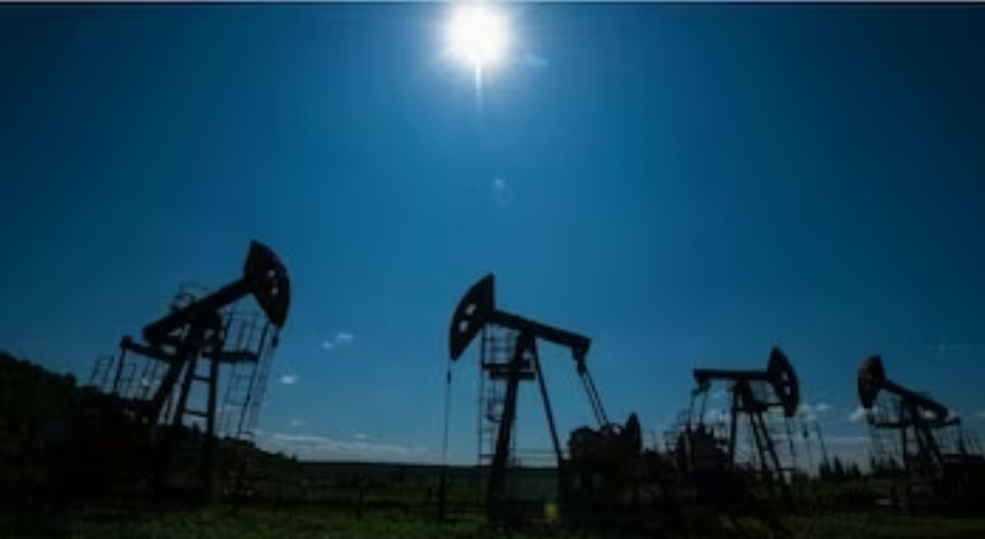
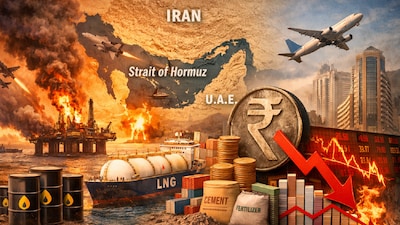
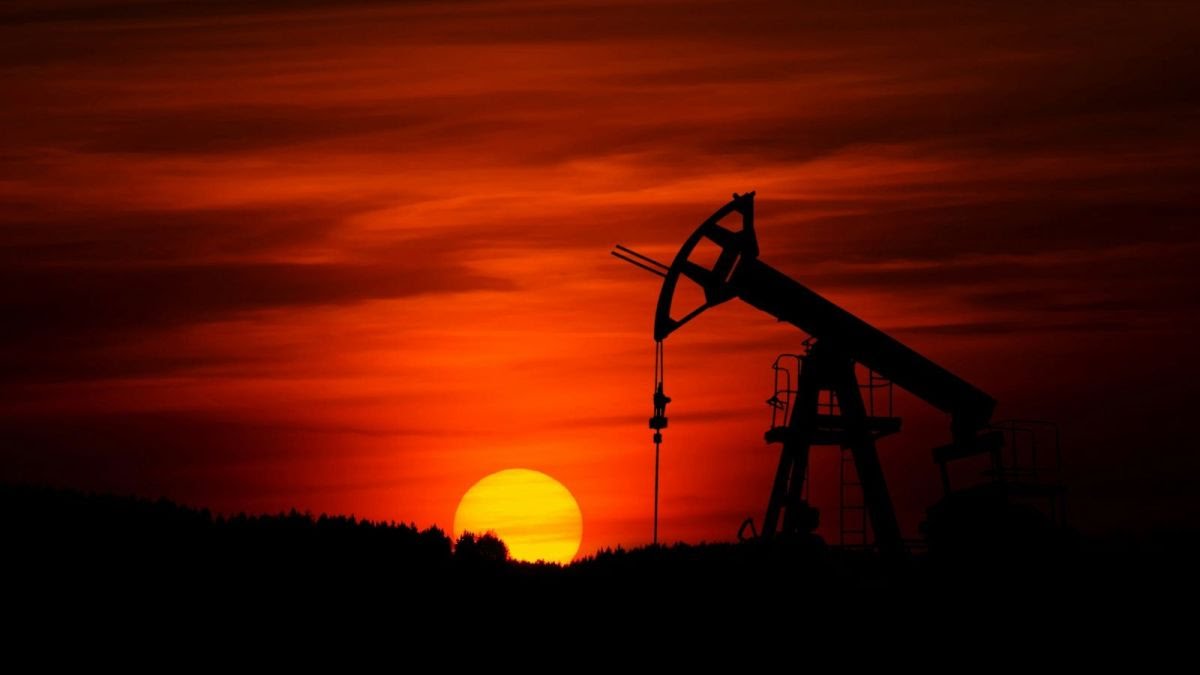
The world woke up Monday to a number that sent alarm bells ringing across governments, markets and households alike. Crude oil prices crossed $110 a barrel, reaching levels not seen since 2022. The trigger is no mystery.

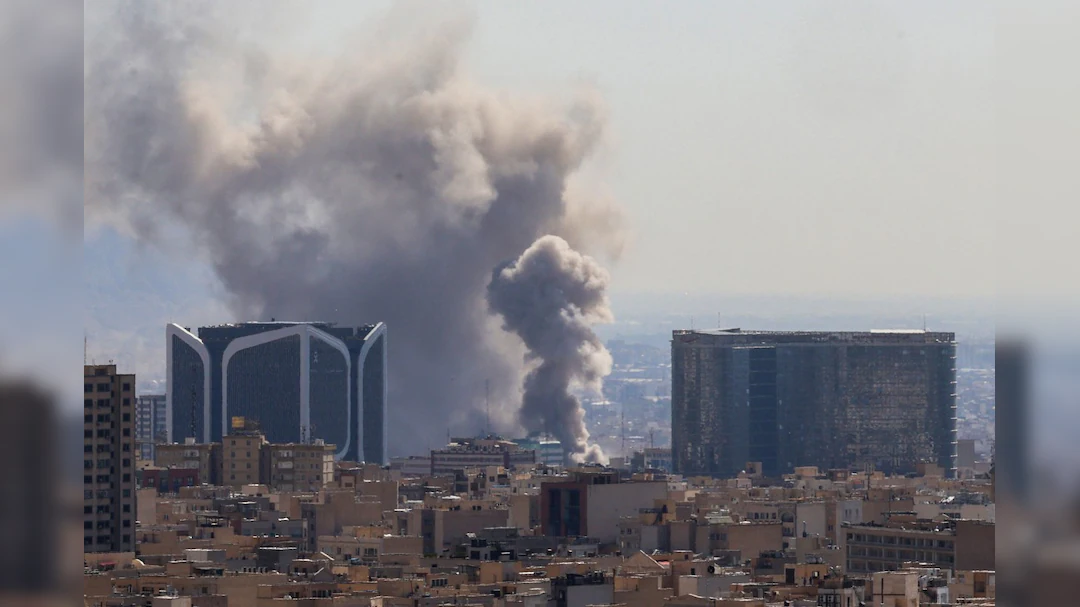
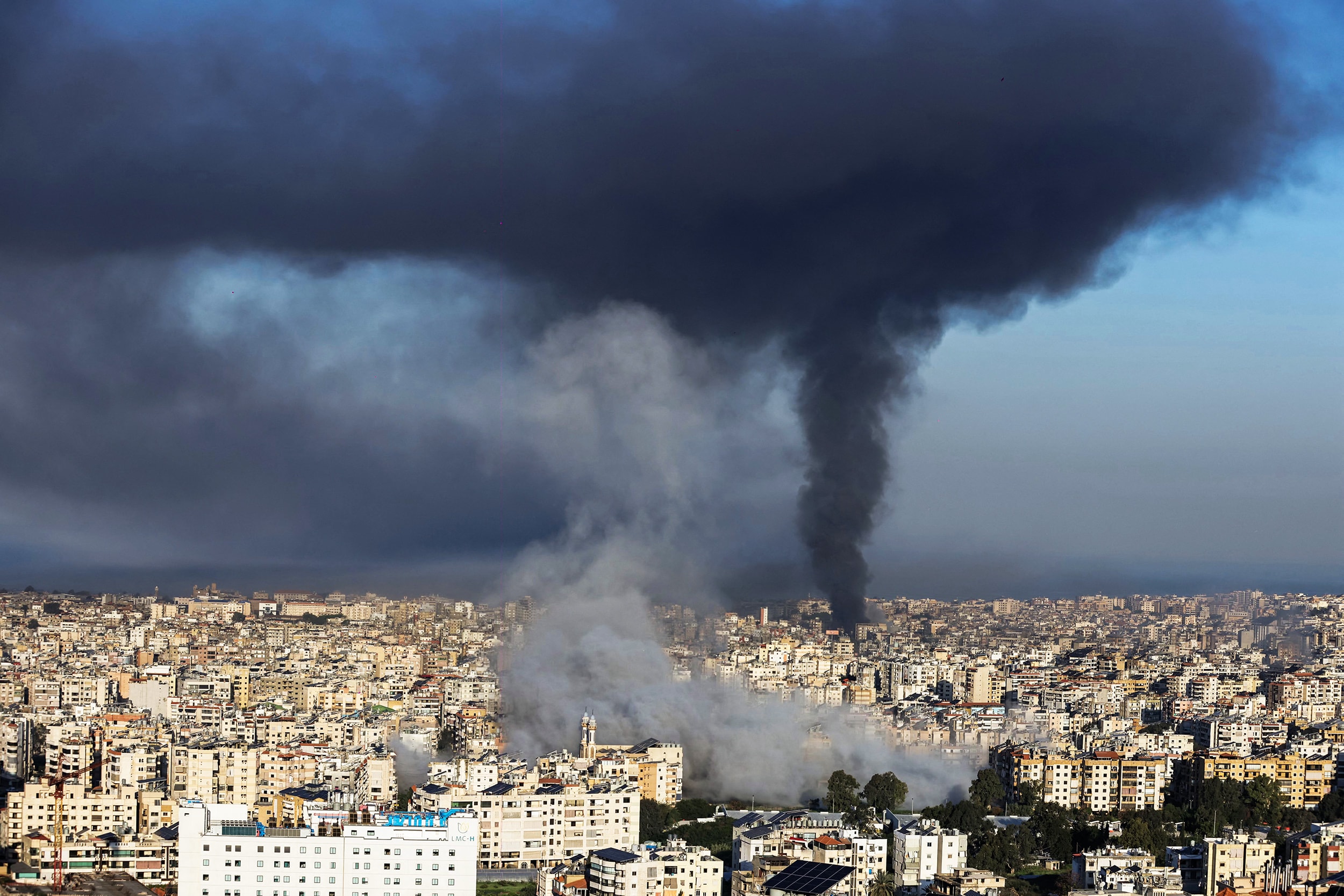
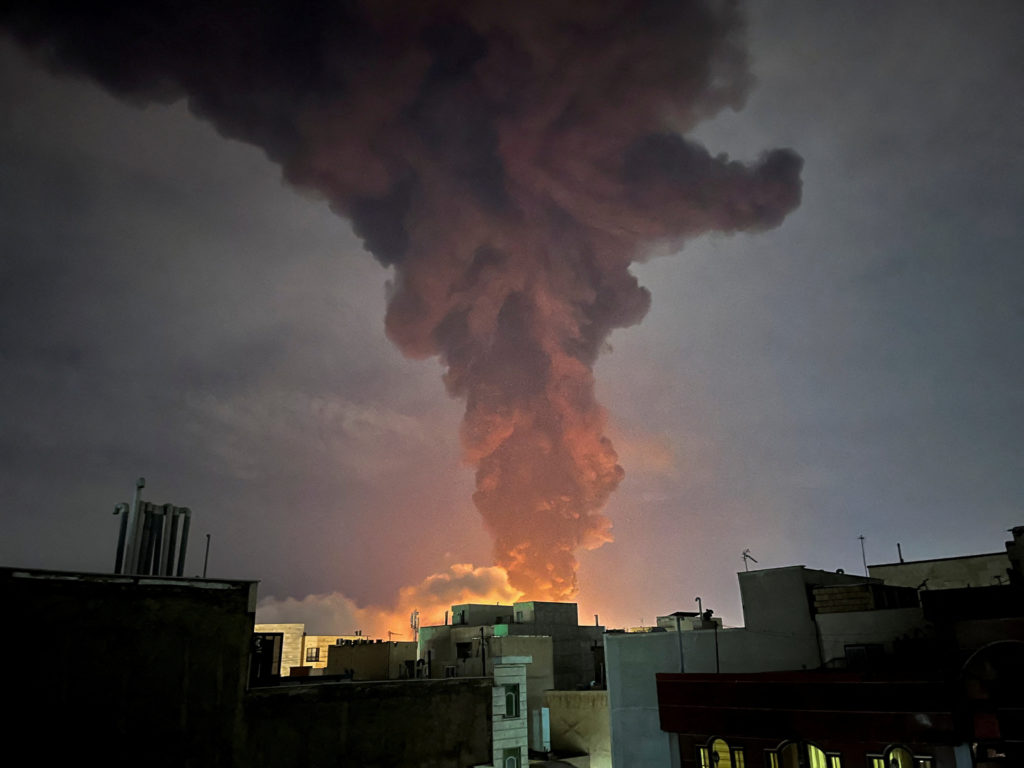
The ongoing war between the United States and Iran has thrown global energy supply into serious disruption, and the consequences are rippling out fast — from the petrol pumps of Mumbai to the university campuses of Dhaka.
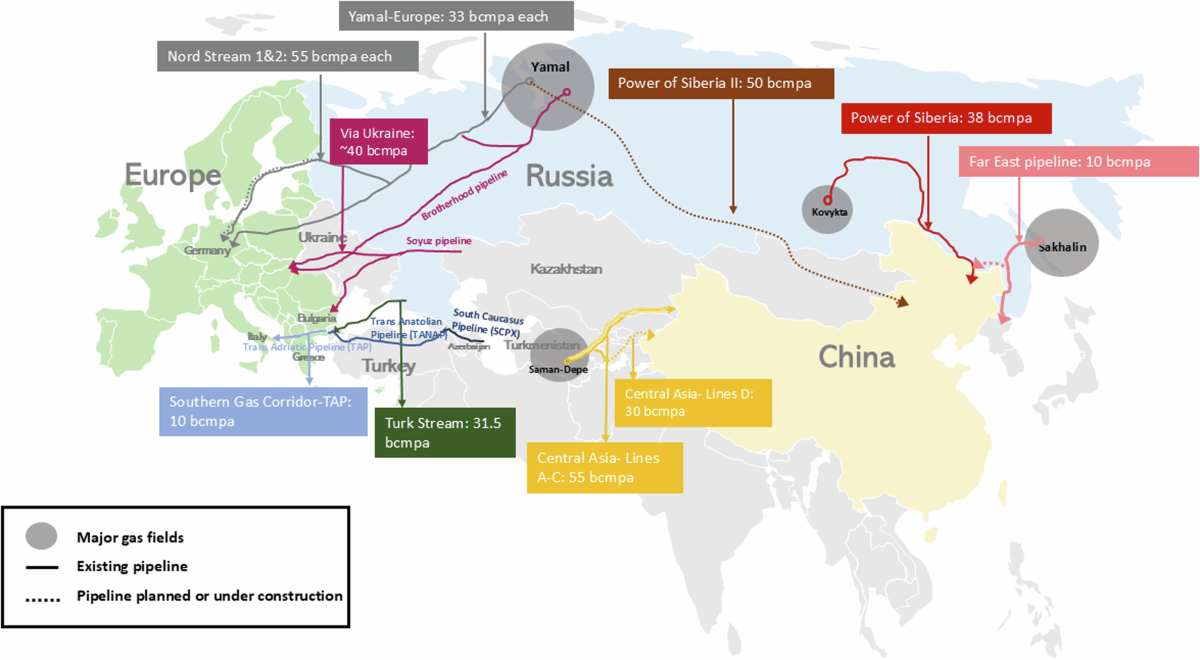
The Strait of Hormuz, the narrow waterway through which roughly one-fifth of the world’s oil trade passes every single day, is now nearly shut. Saudi Arabia, the planet’s largest oil exporter, has been forced to cut output.
The United Arab Emirates, Kuwait and Iraq have followed suit. The message from the Gulf is grim: the fuel that powers the global economy is getting harder to move, harder to buy, and harder to afford.
Here is how countries across Asia and the Middle East are responding.
India: LPG Output Gets a Boost
India moved quickly once the scale of the disruption became clear. The Ministry of Petroleum and Natural Gas issued a directive on Monday ordering oil refineries to increase production of LPG, the liquefied petroleum gas used daily in millions of Indian homes for cooking.
A committee of three executive directors drawn from India’s oil marketing companies has also been formed to assess LPG availability for restaurants, hotels and other non-domestic users. India imports a very substantial portion of its crude oil from the Middle East, and the near-closure of the Strait of Hormuz has created genuine anxiety about supply continuity in the weeks ahead.

Pakistan: Austerity Kicks In
The situation in Pakistan is more acute. Fuel prices were hiked by 55 rupees per litre on Saturday — the largest single increase in the country’s recorded history — after oil prices crossed $100 a barrel and Middle East gas supplies were disrupted.
Panic buying spread quickly, with long queues forming at petrol stations in major cities.
Prime Minister Shehbaz Sharif announced more than a dozen emergency austerity measures on Monday. Among them: government offices will move to a four-day working week, government staff will be cut by half, fuel allocated to official vehicles will be reduced by fifty percent, and government spending will be trimmed by twenty percent for the next two months. These are not symbolic gestures.
Pakistan’s economy, already under strain, is facing a genuine fuel emergency.
South Korea: Price Caps After 30 Years
South Korea has not had domestic fuel price controls since the 1990s. That changed Monday.
President Lee Jae Myung announced that the government would cap fuel prices domestically to prevent further price shocks for ordinary citizens. South Korea imports nearly all of its oil, and a significant portion of that supply passes through the Strait of Hormuz.
The President also announced that South Korea would actively explore energy supply routes that do not depend on the strait, acknowledging that the current disruption could last longer than initially expected.
China: Stockpiling and Export Restrictions
China had apparently been watching the warning signs for months. Data shows that Chinese crude oil purchases surged during January and February, well before the worst of the disruptions hit. That oil is now being stored in both commercial and strategic reserves as a buffer against prolonged conflict.
Beijing has also told domestic refiners to stop entering new fuel export contracts and to seek cancellations on shipments already agreed. China is turning inward on its energy supply, prioritising domestic needs over international commitments.
Vietnam and Bangladesh: Emergency Measures
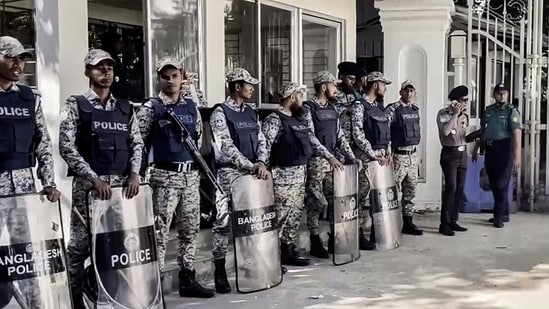
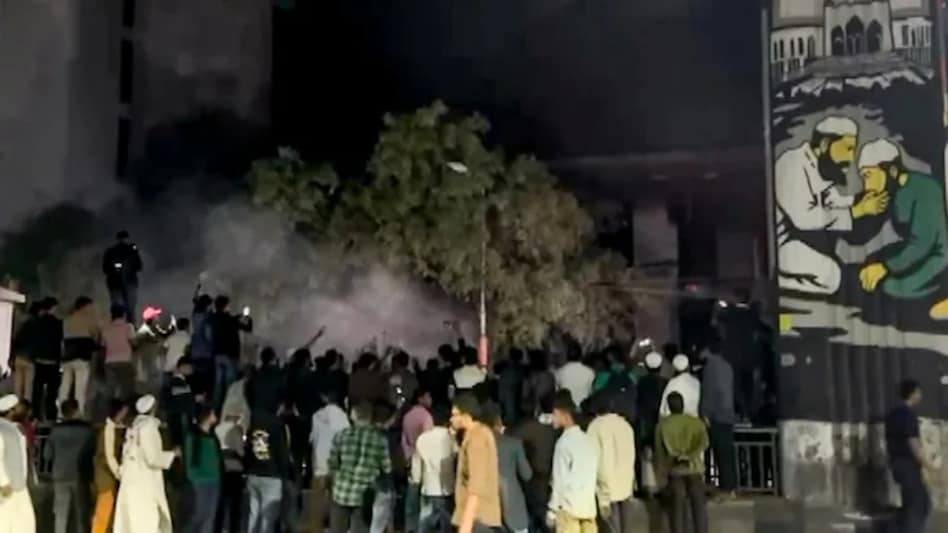
Vietnam’s trade ministry urged businesses to allow employees to work from home wherever possible, identifying the country as one of the most heavily affected by the Iran war’s fuel disruptions. In Bangladesh, the government went further. Universities were shut, Eid al-Fitr holidays were brought forward, and fuel rationing was introduced on Sunday, limiting how much petrol certain vehicles can purchase in a single visit.
Egypt: Diesel Prices Rise
Egypt raised fuel prices on Tuesday, with diesel — the lifeblood of its transport and agriculture sectors — climbing by three Egyptian pounds per litre. The petroleum ministry cited the extraordinary geopolitical situation in the Middle East and its direct effects on global energy markets.
The Iran-US war has now been underway for ten difficult days. Its damage to global energy systems is only beginning to show its full depth and scale.
America News World covers breaking global news, energy, geopolitics, and international affairs.
Discover more from AMERICA NEWS WORLD
Subscribe to get the latest posts sent to your email.

![Smoke rises after Israeli strikes in Beirut's southern suburbs, on March 2 [Mohamad Azakir/Reuters]](https://america112.com/wp-content/uploads/2026/03/hgh.webp)