By Manisha Sahu
America News World
December 13,2025
A controversial executive order related to artificial intelligence (AI) regulation is rapidly becoming the center of a growing political and legal storm in the United States. Critics warn that the move could undermine years of state-level efforts to protect children, consumers, and civil rights, while supporters argue it is necessary to maintain national uniformity and innovation. What appears increasingly likely, however, is that the order’s fate may ultimately be decided in court.

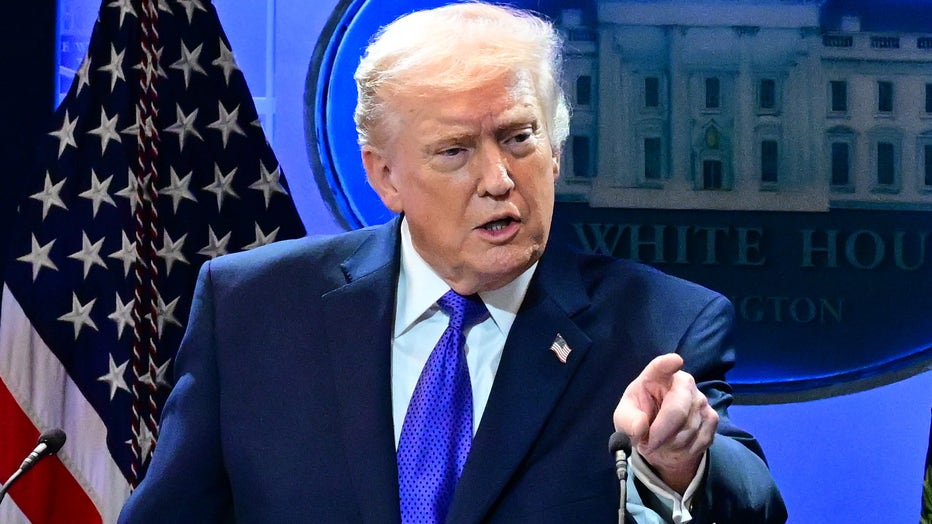
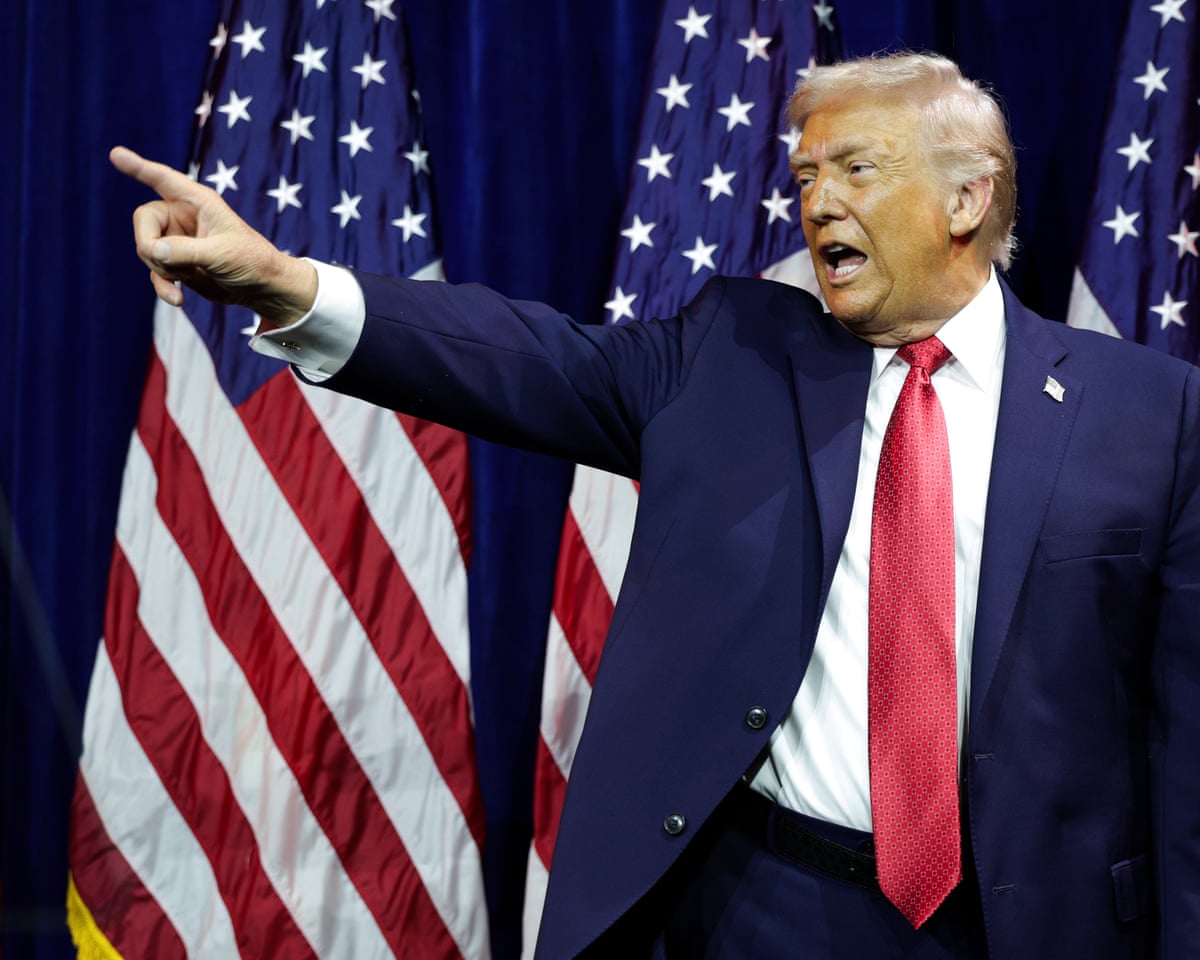
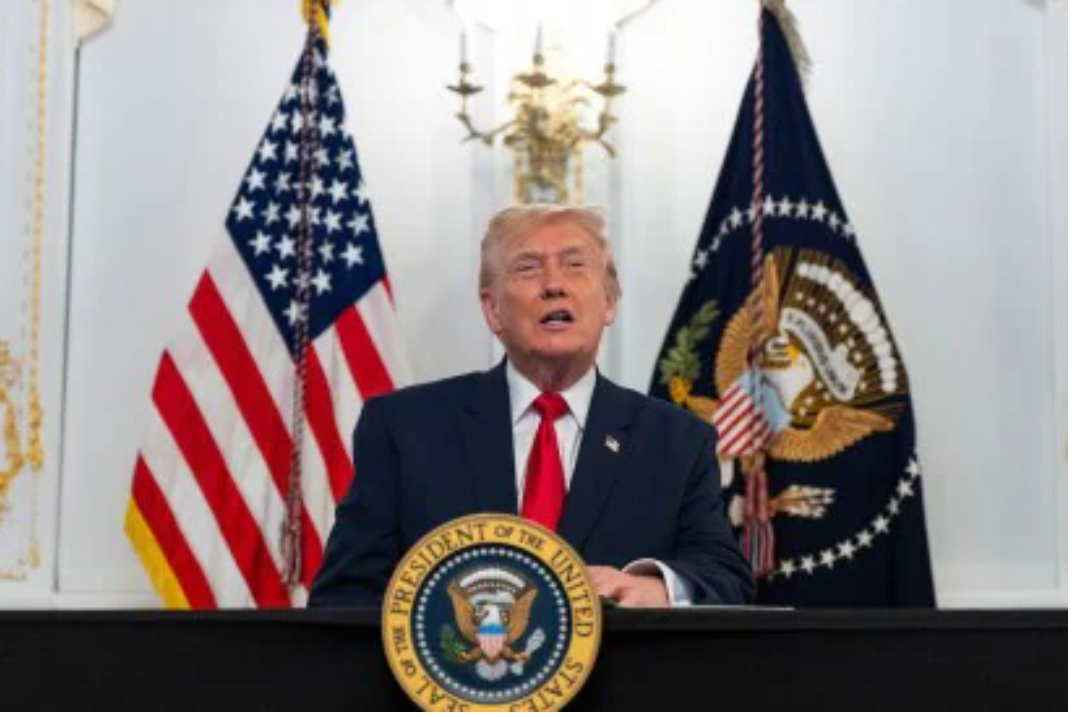
The White House’s latest AI directive is facing swift opposition from state officials and consumer protection groups. (AP Photo/Alex Brandon)
Advocacy groups, state lawmakers, and attorneys general from across the political spectrum have raised alarms about the executive order, which would limit or block states from enforcing or introducing their own AI regulations. Many see it as an overreach of presidential authority and a direct threat to democratic lawmaking at the state level.
“A generation of parents watched their kids become the collateral damage of our failure to regulate social media, and now this moratorium threatens to repeat that tragedy with AI,” said Shelby Knox, director of online safety campaigns at ParentsTogether Action. Her statement reflects a growing concern among child safety advocates who fear that delaying or preventing AI regulation could expose young people to unchecked harms, including algorithmic manipulation, data exploitation, and deepfake content.
States Push Back Strongly
Opposition to the order has been swift and forceful, particularly from state leaders who have already taken steps to regulate artificial intelligence. Even before the order was officially signed, Colorado Attorney General Phil Weiser warned that legal action was on the table.
Last month, when the executive order was still in draft form, Weiser sent a letter to congressional leaders cautioning that Colorado would sue if the order became law. He argued that states have both the right and the responsibility to protect residents from emerging technological risks, especially when federal legislation lags behind innovation.
That warning now appears closer to reality. On Thursday, California State Senator Scott Wiener, who authored a landmark AI safety bill signed into law earlier this year, issued a strong statement signaling legal confrontation.
“If the Trump Administration tries to enforce this ridiculous order, we will see them in court,” Wiener said. California’s AI law is among the most comprehensive in the nation, addressing issues such as transparency, accountability, and harm prevention. State leaders argue that the executive order directly undermines these protections.
A Bipartisan Concern
Resistance to the order is not limited to traditionally progressive states. In Connecticut, Democratic Senate President Pro Tempore Martin Looney said the state plans to continue moving forward with broad AI regulations, regardless of the executive action.
This defiance highlights a broader bipartisan concern about federal overreach. In May, attorneys general from 40 states and U.S. territories — representing both Republican and Democratic administrations — signed a joint letter urging congressional leaders not to approve any provision that would block state-level AI regulation for a decade.
The letter emphasized that states are often the first to respond to emerging technological risks and that preventing them from acting would leave consumers vulnerable. The attorneys general also argued that innovation and regulation are not mutually exclusive and that smart guardrails can actually foster public trust in new technologies.
Constitutional and Democratic Questions
Legal experts say the dispute raises fundamental questions about presidential power and the balance between federal and state authority. Shatorah Roberson, a senior policy counsel at the Lawyers’ Committee for Civil Rights Under Law, argues that the executive order is on shaky legal ground.
“In this case, it’s clear that the president does not have the authority to preempt state laws,” Roberson said. “This is an issue of our democracy, and the president through executive order can’t just preempt state laws without going through the democratic process.”
Under the U.S. Constitution, states retain significant powers to regulate issues affecting public safety and welfare unless Congress explicitly acts to override them. Legal scholars note that while executive orders can guide federal agencies, they cannot unilaterally nullify state legislation.
If challenged in court, judges would likely examine whether the executive order exceeds the president’s authority and violates principles of federalism. Several experts predict prolonged litigation that could reach higher courts, given the national implications for technology policy.
Lessons From Social Media
Much of the opposition to the order is shaped by lessons learned from social media. Lawmakers and advocates widely acknowledge that government regulation failed to keep pace with platforms like Facebook, Instagram, and TikTok, leading to widespread concerns about mental health, misinformation, and data privacy.
Critics fear a similar pattern with artificial intelligence — rapid adoption followed by delayed regulation, once harms are already widespread. AI systems are increasingly used in hiring, education, policing, healthcare, and content creation, raising concerns about bias, discrimination, surveillance, and misinformation.
Advocates argue that states have been more agile than Congress in addressing these risks. Blocking state action, they say, could create a regulatory vacuum at a critical moment in AI development.
What Happens Next?
There is a strong possibility that the executive order will become entangled in multiple lawsuits across different states. If enforcement efforts begin, states like California and Colorado are expected to move quickly to challenge them. Civil rights organizations may also file suits, particularly if the order is seen as enabling discriminatory or harmful AI practices.
Meanwhile, pressure is mounting on Congress to step in. Lawmakers face growing calls to pass comprehensive federal AI legislation that sets minimum standards while still allowing states to go further if needed. Whether Congress can overcome political divisions and industry lobbying remains uncertain.
Until then, the executive order risks deepening tensions between Washington and the states. Rather than creating clarity, critics argue, it may lead to confusion, legal uncertainty, and delayed protections for the public.
A Defining Moment for AI Governance
As artificial intelligence continues to reshape society, the debate over who gets to regulate it — and how — is becoming one of the defining policy battles of the decade. The clash over this executive order underscores the stakes: children’s safety, civil rights, democratic authority, and public trust in technology.
Whether resolved in court or through legislation, the outcome will shape the future of AI governance in the United States. For now, one thing is clear: states are not backing down, and a major legal showdown appears inevitable.
Discover more from AMERICA NEWS WORLD
Subscribe to get the latest posts sent to your email.