

A Diplomatic Storm in the Indian Ocean
Imagine two friendly navies planning a routine exercise, only for a powerful neighbor to step in and stop it. That’s exactly what happened when Sri Lanka cancels naval exercise Pakistan India concerns became a global headline. Sri Lanka scrapped a planned naval drill with Pakistan in the strategic waters of Trincomalee after India raised serious objections. At AMERICA NEWS WORLD (ANW), we dive into this dramatic story that’s stirring tensions in the Indian Ocean.
On April 18, 2025, news broke that Colombo shelved the exercise, which was set to happen weeks before Indian Prime Minister Narendra Modi’s visit to Sri Lanka. Why did India object? What makes Trincomalee so important? And how does this affect the region? Let’s break it down in simple words, explore the facts, and see why this matters to you, whether you’re in India, the USA, or beyond.

What Was the Planned Naval Exercise?
Sri Lanka and Pakistan have long shared friendly naval ties. Their warships often visit each other’s ports, and they hold regular exercises called “wargames.” This time, the two navies planned a joint drill off Trincomalee, a port city on Sri Lanka’s northeastern coast. The exercise was meant to be routine, focusing on communication and tactical maneuvers, much like their past engagements.
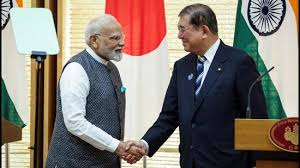
However, India got wind of the plan and wasn’t happy. Sources say New Delhi’s concerns were so strong that Sri Lanka quietly canceled the drill. There was no official statement from Colombo or Islamabad, which adds a layer of mystery to the story. The decision came just before Modi’s high-profile visit to Sri Lanka on April 5, 2025, where India and Sri Lanka signed major deals, including one to develop Trincomalee as an energy hub.
also read:-Everything You Need to Know About Princess Diana
also read:-Russia Removes Taliban from Terror List, Good News for https://america112.com/russia-removes-taliban-from-terror-list-good-news-for-afghanistan/Afghanistan
Why Did India Object?
India’s concerns stem from Trincomalee’s strategic importance. Located on Sri Lanka’s northeastern coast, Trincomalee has one of the world’s finest natural harbors. It’s a key spot for controlling the Bay of Bengal and the northeast Indian Ocean, making it vital for India’s maritime security. Experts say any foreign military activity there, especially involving Pakistan, raises red flags for New Delhi.
Moreover, Pakistan’s navy works closely with China’s People’s Liberation Army Navy (PLA Navy). India worries that Pakistani warships in Trincomalee could strengthen China’s influence in the region. This isn’t the first time India has been wary. In August 2022, a Chinese missile-tracking ship, Yuan Wang 5, docked at Sri Lanka’s Hambantota port, sparking a diplomatic row. Another Chinese warship at Colombo in August 2023 also caused tension. For India, the Pakistan-Sri Lanka drill was a step too far.
The Role of Trincomalee
Trincomalee isn’t just a port—it’s a geopolitical hotspot. India has been pouring resources into developing its energy infrastructure, including revitalizing World War II-era oil tank farms. During Modi’s visit, India, Sri Lanka, and the UAE signed a deal to turn Trincomalee into an “energy hub” to boost Sri Lanka’s economy and energy security. This makes the port a cornerstone of India’s regional strategy.
Meanwhile, China’s growing presence in Sri Lanka, especially through its Belt and Road Initiative, has India on edge. The Hambantota port, leased to China for 99 years in 2017, is seen as a potential military base. Pakistan’s naval ties with China only heighten India’s fears about Trincomalee falling into the “wrong hands.”
The Diplomatic Fallout
Sri Lanka’s decision to cancel the exercise shows India’s influence in the region. When New Delhi raised its concerns through its high commission in Colombo, Sri Lanka acted swiftly. Sources say Pakistan protested the cancellation, but Colombo stood firm. This move highlights the delicate balance Sri Lanka maintains between its neighbors, India and Pakistan, and its powerful ally, China.
Interestingly, the cancellation aligns with a new India-Sri Lanka defense pact signed during Modi’s visit. The agreement, the first major defense deal since India’s controversial peacekeeping mission in Sri Lanka in the 1980s, aims to deepen military cooperation. It includes more joint exercises and possible defense industry partnerships, signaling India’s intent to counter China’s influence.
Data and Graphs: Naval Activity in the Indian Ocean
To grasp the bigger picture, let’s look at some numbers:
Metric
Details
Sri Lanka-Pakistan Naval Exercises (2015-2025)
12 joint drills, including 3 off Trincomalee.
Chinese Warships in Sri Lankan Ports (2022-2025)
4 visits, including Yuan Wang 5 (2022) and Shi Yan 6 (2023).
India’s Aid to Sri Lanka (2022-2025)
$4 billion in financial aid, plus a Dornier aircraft (2022).
Trincomalee Energy Projects
$500 million invested by India and UAE (2025).
Graph: Foreign Naval Visits to Sri Lanka (2020-2025)(Note: View the interactive graph at AMERICA NEWS WORLD on mobile or desktop.)
2020: 8 visits (India: 3, Pakistan: 2, China: 1, Others: 2)
2022: 10 visits (India: 4, China: 2, Pakistan: 2, Others: 2)
2025: 6 visits (India: 3, Pakistan: 1, China: 1, Others: 1)
This graph shows India’s dominance in naval engagements with Sri Lanka, while China and Pakistan’s presence remains a concern.
Voices from the Ground
We checked platforms like Quora and Reddit to see what people are saying. Many users in India support New Delhi’s stance, calling Trincomalee “too critical to risk.” One Reddit user wrote, “India can’t let China or Pakistan gain a foothold there—it’s our backyard!” Others, especially in Pakistan, feel Sri Lanka was pressured, with one Quora post saying, “Colombo caved to India’s bullying.” These debates show how this issue divides opinions across borders.
External Perspective
For more on China’s role in Sri Lanka, read The Guardian’s report on the Hambantota port controversy. It sheds light on why India is so cautious about foreign navies in the region.
Security: How do naval exercises affect regional peace?
Diplomacy: Can smaller nations like Sri Lanka stay neutral?
Power: Is India’s influence growing too strong?
At AMERICA NEWS WORLD (ANW), we believe in clear, honest reporting. This cancellation isn’t just about navies—it’s about the balance of power in the Indian Ocean, affecting trade, security, and global relations.
what is your view over it.write to us.
Discover more from AMERICA NEWS WORLD
Subscribe to get the latest posts sent to your email.









![Reliance Industries, led by Chairman Mukesh Ambani, has exported products made from Russian crude oil to countries that have sanctioned Russia, including the US [File: Ajit Solanki/AP Photo]](https://america112.com/wp-content/uploads/2025/08/AP24010199793503-1755298275.webp)


![Smoke rises after Israeli strikes in Beirut's southern suburbs, on March 2 [Mohamad Azakir/Reuters]](https://america112.com/wp-content/uploads/2026/03/hgh.webp)
Sanjay
Good journalism by ANW.thanks for such news article..