By Elena Vargas, America News World
Updated: January 4, 2026
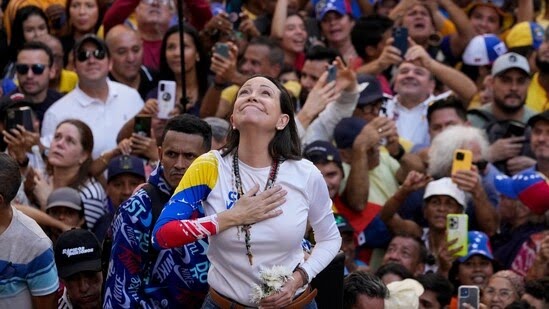
In a dramatic turn for Venezuela, opposition leader Maria Corina Machado is once again at the center of global attention. The 56-year-old politician, fresh from winning the 2025 Nobel Peace Prize, praised U.S. actions that led to the capture of President Nicolas Maduro. This comes after weeks of U.S. military strikes and a blockade in the Caribbean. For many Venezuelans, Machado represents a beacon of freedom after years of hardship under Maduro’s rule.

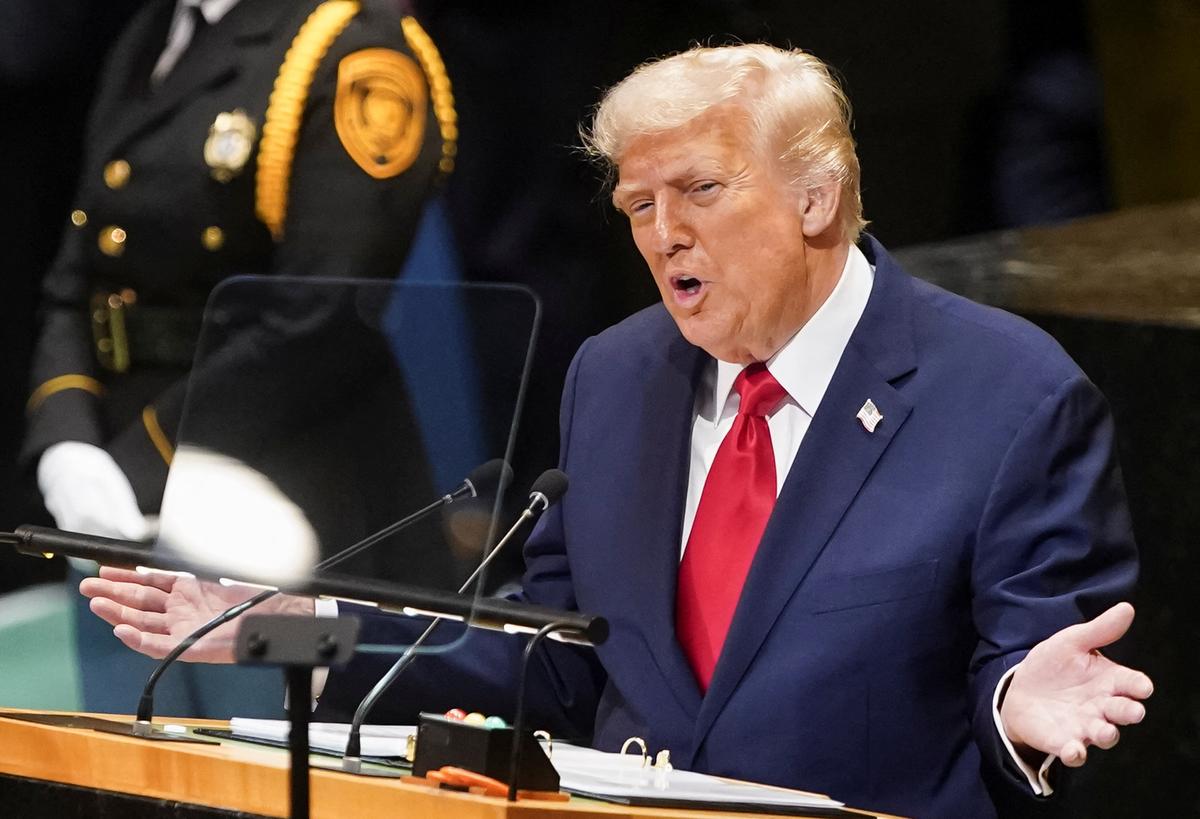
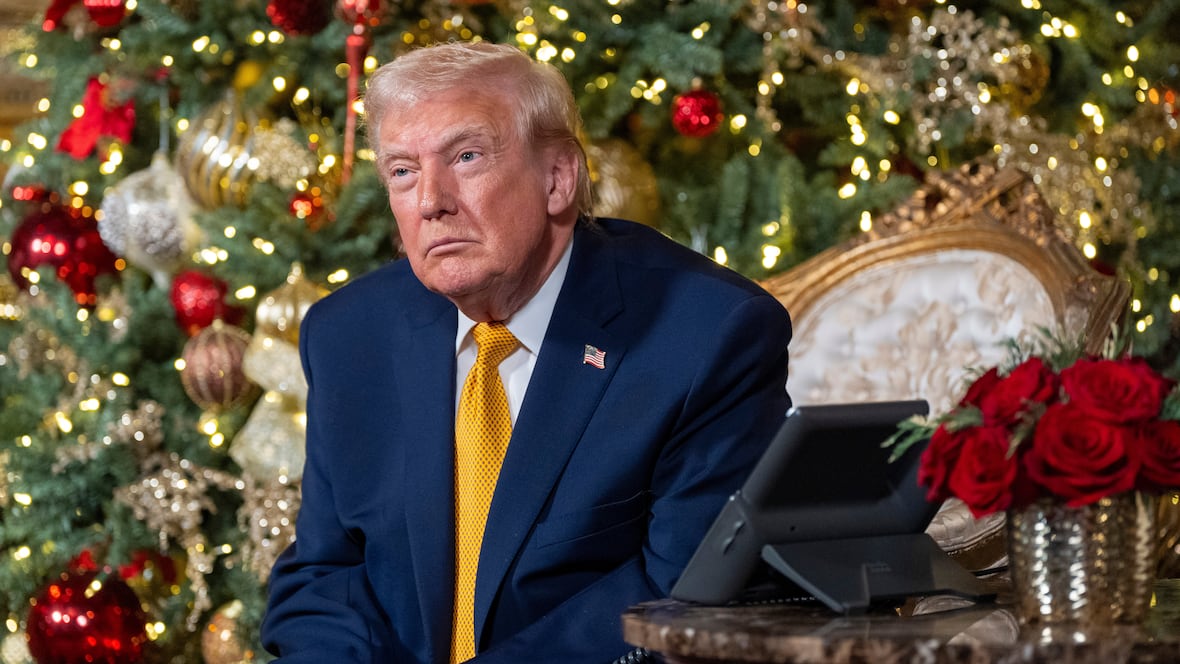
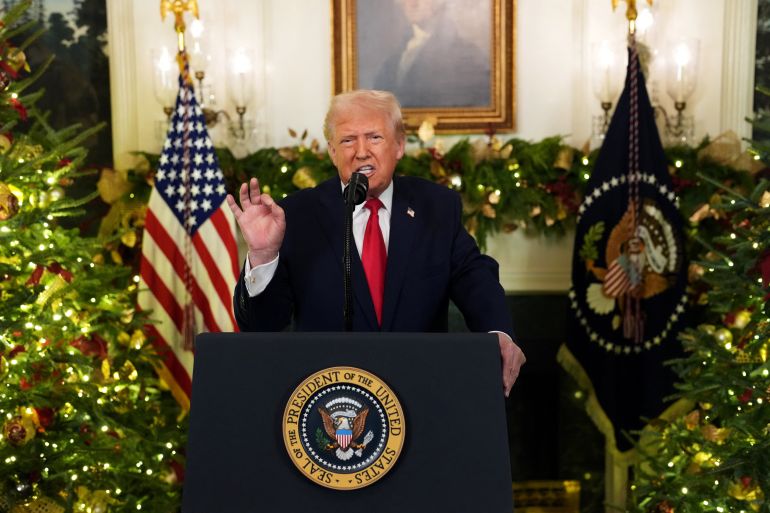
Machado’s rise to fame began in 2025 when she won the Nobel Peace Prize for her tireless fight against authoritarianism. The award, one of the world’s highest honors, recognized her efforts to unite people against Maduro’s government. Interestingly, former U.S. President Donald Trump had also been nominated for the prize that year. But it was Machado who took home the medal. Trump, now back in the White House, has long supported her cause. He called Maduro a “dictator” and promised strong action.
The Nobel win made Machado a global symbol. Yet, for months, she lived in hiding inside Venezuela. Maduro’s forces hunted her after she led massive protests. In July 2024, she had won a primary election to challenge Maduro in the presidential race. But the government banned her from running, claiming fraud. This sparked outrage and more unrest.
Now, with Maduro in U.S. custody, questions swirl about Machado’s whereabouts. Experts believe she is in Oslo, Norway. That’s where she traveled last month to accept her Nobel Prize. It was her first public sighting in over a year. The journey out of Venezuela was nothing short of a Hollywood thriller.
Bryan Stern, a former U.S. special forces soldier, led the secret mission. He runs the Grey Bull Rescue Foundation, a group that helps people escape danger. Stern shared details with the BBC. The operation, codenamed “Golden Dynamite,” started with Machado in disguise. She boarded two small boats across rough seas at night. Waves crashed high, and darkness made it risky. Flashlights signaled between boats. “The seas are very rough. It’s pitch black,” Stern said. “Lots of things can go wrong.”
After the boats, came a tense flight. Machado stayed calm throughout. “She’s formidable,” Stern noted. “She didn’t complain once.” They arrived in Oslo just before midnight on December 10, 2025. There, in a simple ceremony, she received the prize. Her speech called for peace through justice, not violence. But back home, violence was brewing.
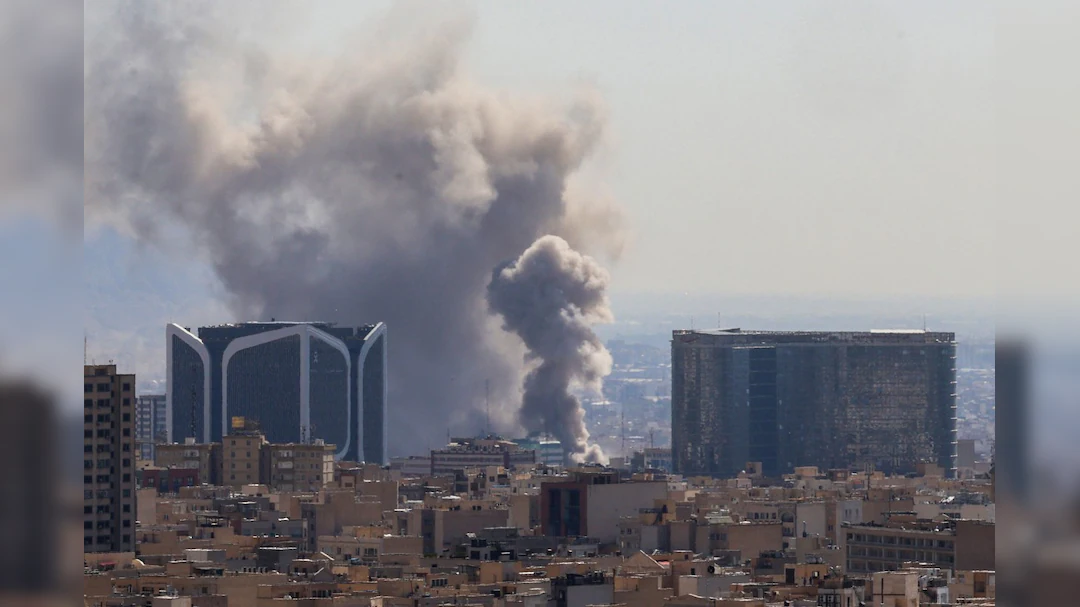
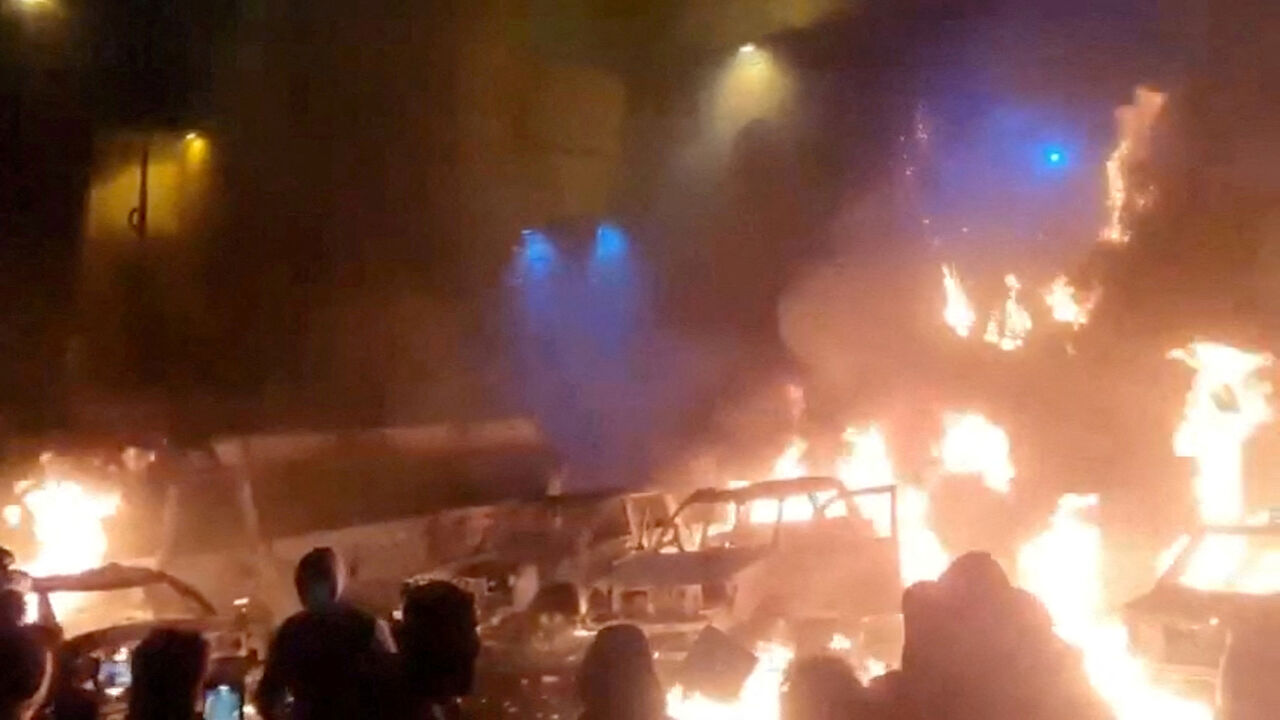
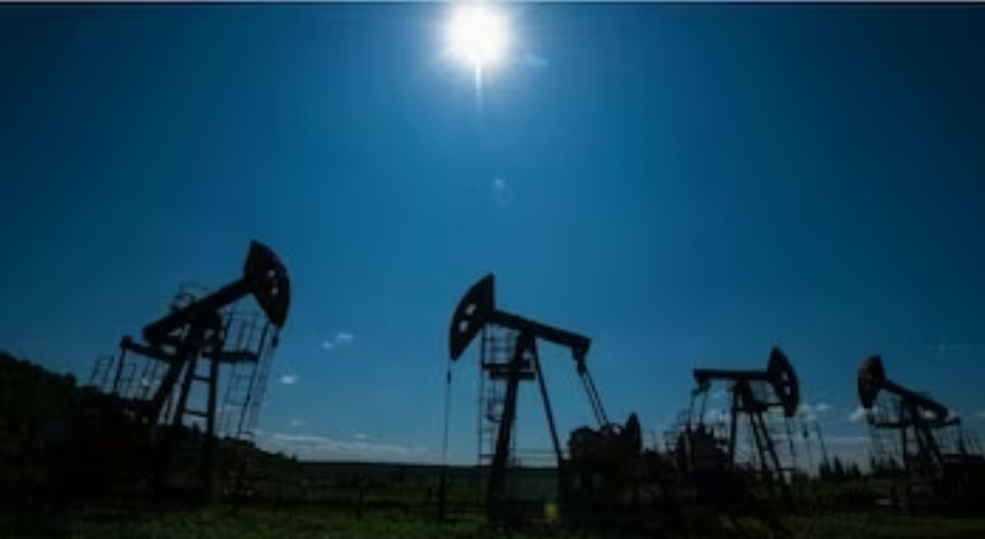
U.S. involvement escalated quickly. Trump ordered strikes on what he called “drug boats” linked to Maduro. A naval blockade stopped oil tankers from leaving Venezuela’s ports. This hit Maduro’s wallet hard, as oil funds his regime. On January 2, 2026, U.S. forces announced Maduro’s capture. Details are scarce, but sources say it happened during a raid near Caracas.
Machado wasted no time responding. On January 3, she posted a statement on X, formerly Twitter. In Spanish, she wrote: “It’s TIME FOR FREEDOM! Venezuelans, starting today, Nicolás Maduro faces international justice for the heinous crimes committed against Venezuelans and citizens of many other nations.” She thanked the U.S. for “fulfilling its promise to enforce the law.” Maduro, she said, rejected talks for a peaceful handover. Now, she urged her people to reclaim sovereignty. “We are going to bring order, free political prisoners, build an exceptional country, and bring our children back home.”
Her support for Trump runs deep. In a December 2025 CBS News interview, Machado called him a “champion of freedom in this hemisphere.” She backed his tough stance, including the military buildup. After her Nobel win, she even urged Trump to send troops if needed. “We need intervention to end this nightmare,” she said then. For Machado, it’s personal. Her family fled Venezuela’s economic collapse, where food shortages and hyperinflation ruined lives.
But Maduro’s fall doesn’t guarantee Machado’s victory. R. Viswanathan, a retired Indian diplomat who served as ambassador to Venezuela from 2000 to 2003, warns of deeper troubles. Speaking to The Week magazine, he described Maduro as a “puppet” controlled by powerful elites in Caracas. “Even his death cannot ensure María Corina Machado getting to lead the country,” Viswanathan said. “Caracas’ powerful men will fight to the death before letting a pro-U.S. government take charge.”
Maduro’s story is one of rags to riches, then ruin. Born in 1962, he started as a bus driver in Caracas. He joined unions and caught the eye of Hugo Chavez, Venezuela’s charismatic leader. Chavez mentored him. By 2000, Maduro entered the National Assembly. He climbed fast: president of the assembly in 2005, foreign minister in 2006, and vice president in 2012.
When Chavez died in 2013, Maduro took over. He won a tight election with 50.62% of votes. But accusations of fraud dogged him. By 2015, he ruled by decree, bypassing lawmakers. Venezuela’s oil wealth vanished under corruption and sanctions. Millions fled. Hunger and blackouts became daily woes.
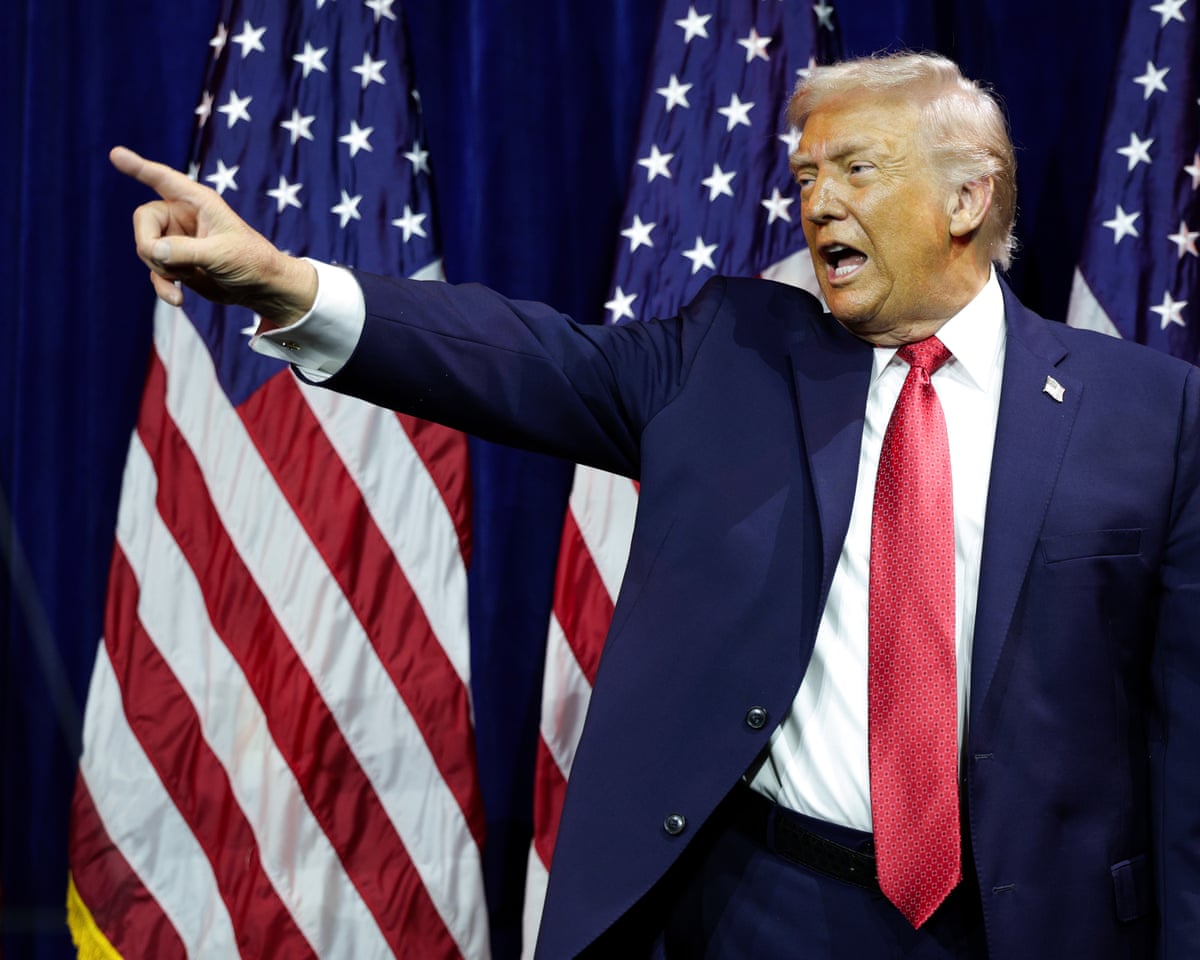
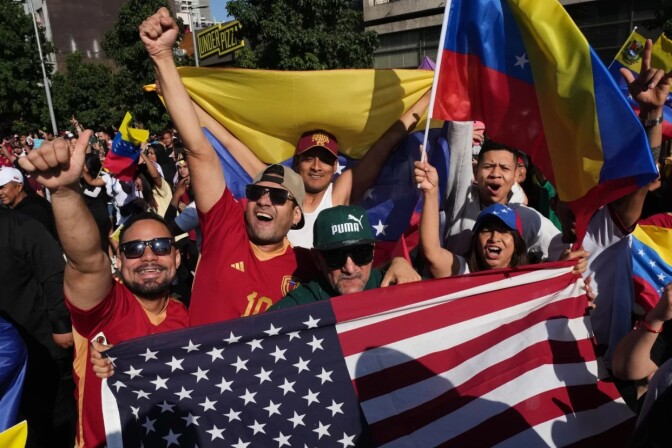
Today, as Maduro awaits trial—possibly in The Hague—Machado eyes a new dawn. From Oslo, she rallies supporters. Protests fill Venezuelan streets, demanding elections. The U.S. vows aid but insists on democracy. Trump tweeted: “Venezuela will be free. Maria is a hero.”
For America News World readers, this saga hits close. Venezuelan migrants number over 800,000 in the U.S. Their stories of loss mirror Machado’s fight. As 2026 unfolds, will freedom ring in Caracas? Only time—and courage—will tell.
Discover more from AMERICA NEWS WORLD
Subscribe to get the latest posts sent to your email.

![Smoke rises after Israeli strikes in Beirut's southern suburbs, on March 2 [Mohamad Azakir/Reuters]](https://america112.com/wp-content/uploads/2026/03/hgh.webp)