By Suraj Karowa/ANW
Skoura, Morocco – November 23, 2025

For the explorer and author, the desert outpost, irrigated by water from the Atlas mountains, is the perfect place to decompress
In the shadow of the towering Atlas Mountains, where the relentless Sahara winds whisper secrets of ancient trade routes, the oasis town of Skoura is stirring from its timeless slumber.
Once a vital pit stop for camel caravans laden with gold and ostrich feathers, this unassuming Moroccan gem—home to just 3,000 souls—is now positioning itself as an antidote to the world’s travel fatigue.
As global tourism surges back to pre-pandemic levels, Skoura’s blend of serene palm groves, earthen kasbahs, and sustainable living is drawing eco-conscious wanderers seeking respite from overtouristed hotspots like Marrakech and Fez.

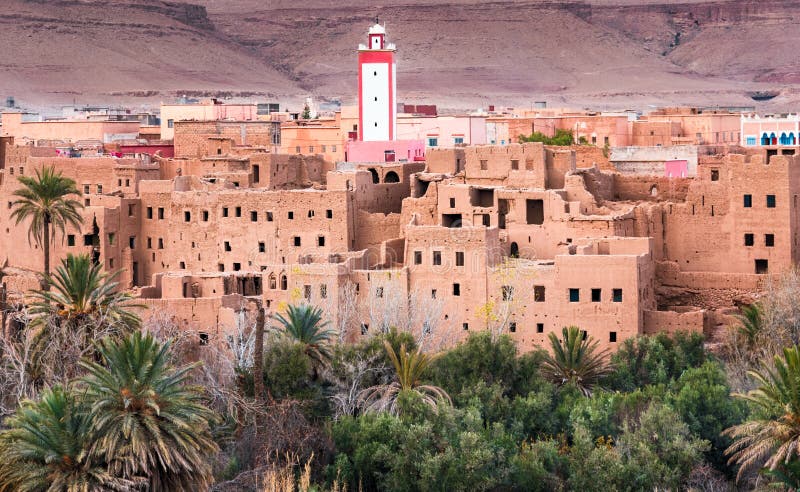
A palm grove near Skoura.
The numbers tell a compelling story. Morocco’s tourism ministry reported a 15% year-over-year increase in visitors to the Dadès Valley region in the first half of 2025, with Skoura accounting for a surprising 20% uptick.
“We’re not chasing the masses,” says local guide Ahmed El Amrani, pedaling through a labyrinth of date palms on a rented bicycle.
“Skoura offers authenticity without the Instagram filters. People come here to breathe, not to pose.”

A tomb of an Islamic saint in Skoura.
Founded in the 12th century by Sultan Yaqub al-Mansur, Skoura thrived as a nexus on the trans-Saharan trade corridor, its khettara irrigation system—ancient gravity-fed canals tunneling water from the mountains—sustaining vast groves of medjool date palms.
Today, these 25 square kilometers of verdant farmland produce some of Morocco’s sweetest exports, but the town’s real currency is tranquility.
Visitors arrive via a scenic four-hour drive from Marrakech or a six-hour bus ride, often detouring from the UNESCO-listed Aït Benhaddou or the cinematic dunes of Ouarzazate.

Traditional old pottery in Kasbah Amridil.
Alice Morrison, a British explorer and author whose latest Guardian feature spotlighted Skoura as “almost otherworldly,” embodies the profile of its new travelers.
Having trekked the Sahara with camel trains, Morrison returns annually for decompression.
“It’s decompression therapy in palm frond form,” she told this correspondent over a steaming tagine at roadside café Le Petit Prince.
The meal—crispy-skinned chicken with harissa-spiked tomatoes and fresh khobz bread—costs a mere 50 dirhams ($5), a far cry from Marrakech’s inflated souk prices.
Yet, Skoura’s renaissance isn’t without challenges. Climate change looms large, with erratic rainfall threatening the khettara’s flow.
“These canals are 2,500 years old; they’ve outlasted empires,” explains farmer Jamal Nassiri, descendant of the Kasbah Amridil founders.
Perched on a ladder against a 20-meter palm, Nassiri demonstrates the perilous harvest: bare feet gripping the trunk, a curved scythe slicing through clusters of pollen-heavy flowers.
In October and November, the air buzzes with activity as workers pollinate female trees—one male per 20-50 females—to ensure bountiful yields. But Nassiri worries: “Droughts are longer now. Without water, the oasis melts away.”
Enter innovative locals like Vanessa and Xavier Dubois, the Franco-Belgian duo behind L’Ma Lodge.
Six years in the making on a former football pitch, their eco-retreat integrates rammed-earth architecture with an organic garden yielding pomegranates, olives, and orange-blossom-scented desserts.
“We built with the community, not over it,” Vanessa says, pouring mint tea by the infinity pool. A day pass—lunch and lounging for €25—has become a hit, blending luxury with locality.
The lodge’s success mirrors a broader trend: Morocco’s “responsible tourism” initiative, launched in 2023, which funnels 10% of visitor fees into conservation.
Kasbah Amridil, a 300-year-old fortress turned living museum, stands as Skoura’s crown jewel. Guided tours reveal its defensive turrets, animal stables, and family quarters, where artifacts like weathered pottery and woven rugs evoke a fading rural idyll.
“This isn’t just history; it’s our present,” says curator Fatima Nassiri, pointing to concrete reinforcements propping up mud walls. Annual rains erode the adobe structures, prompting a hybrid rebuild: traditional aesthetics with modern durability.
For adventure seekers, Skoura VTT Aventures offers guided bike tours weaving through irrigation ditches and saintly tombs, like the marabout of Sidi El Hadi, shrouded in olive trees.
Quad biking into the desert or stargazing under unpolluted skies add thrill without overwhelming the peace.
Nearby Ouarzazate, dubbed “Ouallywood” for filming Gladiator and Game of Thrones, provides a contrast—bustling studios and kebab houses just 45 minutes away.
Experts predict Skoura’s model could redefine Moroccan tourism. “It’s the anti-resort,” says Dr. Leila Zahra, a tourism economist at Mohammed V University in Rabat.
“In a post-COVID world, travelers crave connection over consumption. Skoura’s low-impact vibe—cycling, farm-to-table eats, cultural immersion—ticks every box.”
Her research shows such destinations retain visitors longer, boosting local economies by 30% more than mass-tourism sites.
But sustainability demands vigilance. The ministry’s 2025 plan caps group sizes at 10 for palm grove excursions and mandates zero-waste policies for lodges.
“We’re guardians, not gatekeepers,” El Amrani adds. As the sun dips behind the Atlas, casting golden hues over rustling fronds, it’s clear Skoura isn’t just surviving—it’s thriving on its own terms.
For those weary of Europe’s strikes or Asia’s monsoons, this oasis beckons. As Morrison notes, “In Skoura, time slows.
You remember how to live simply.” In a world accelerating toward burnout, that’s news worth traveling for.
Discover more from AMERICA NEWS WORLD
Subscribe to get the latest posts sent to your email.