By _shalini oraon

_the Red Fort blast case, framed around the filing of charges under the UAPA and Explosives Act.
—
A Fortress Breached, A Nation on Edge: Decoding the Legal Onslaught in the Red Fort Blast Case
The Red Fort is not merely a 17th-century monument of red sandstone; it is the ultimate symbol of Indian sovereignty. It is from its ramparts that the Prime Minister addresses the nation every Independence Day, a ritual steeped in the gravity of history and the promise of the future. So, when a low-intensity explosion echoed within its hallowed walls, it was not just an attack on a UNESCO World Heritage site—it was a perceived assault on the very heart of the Indian Republic. The immediate lockdown, the frantic sweeps by the National Security Guard (NSG), and the high-level meetings were the predictable first responses. However, the true gravity of the situation, and the state’s intended response, became crystal clear only when the Delhi Police filed its First Information Report (FIR), invoking the stringent Unlawful Activities (Prevention) Act (UAPA) and sections of the Explosives Act. This legal document is more than a procedural formality; it is a declaration of intent, signaling a long, arduous, and uncompromising legal battle against what the state perceives as terrorism.
The Immediate Aftermath: From Panic to Procedure
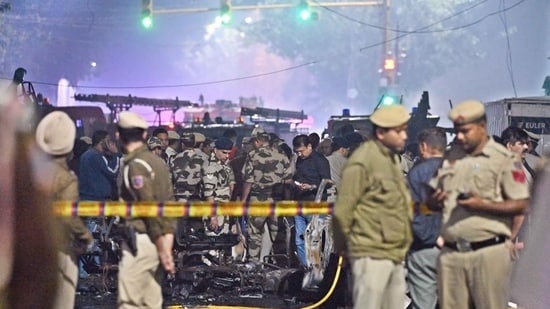
In the immediate hours following the blast, confusion reigned. The site, teeming with tourists by day, was plunged into a tense silence, broken only by the sirens of emergency vehicles. The initial challenge for the authorities was two-fold: to forensically secure the epicenter of the blast to gather crucial evidence, and to determine the intent behind the act. Was it a stray incident, a misfire, or a meticulously planned symbolic strike?
The swift registration of the FIR under specific, draconian sections answered that question unequivocally. By bypassing more conventional sections of the Indian Penal Code related to mischief or causing damage to public property, the police immediately elevated the case to the realm of national security. The choice of statutes revealed the investigative lens through which they were viewing the event: not as a simple crime, but as an act of terror designed to wreak psychological havoc and challenge the state’s authority.
Deconstructing the Legal Arsenal: UAPA and Explosives Act
The legal framework deployed in this case is a powerful one-two punch, each act serving a distinct but complementary purpose.
1. The Unlawful Activities (Prevention) Act (UAPA):
Often dubbed India’s primary anti-terror law, the UAPA’s invocation is the most significant aspect of this case. It transforms the accused from mere criminals into alleged terrorists in the eyes of the law. The specific sections likely invoked would include:
· Section 16 (Terrorist Act): This is the cornerstone. For a charge to stick, the prosecution must prove that the act was done with the intent to threaten the unity, integrity, security, or sovereignty of India or to strike terror in the people. The symbolic choice of the Red Fort provides a compelling basis for this intent.
· Section 18 (Conspiracy): This is crucial. The police are not necessarily looking for just the individual who planted the device. They are hunting for a conspiracy—the planners, the financiers, the facilitators. The UAPA grants them wide powers to investigate this web, often allowing for prolonged detention and extensive interrogation.
· Sections 38 & 39: These sections pertain to individuals associated with a terrorist organization or supporting terrorism in any way, even if they did not directly participate in the act.
The UAPA is controversial for its stringent bail provisions, making it nearly impossible for an accused to secure release once charged. The burden of proof shifts, and the pre-trial detention can extend for years. By using the UAPA, the state is signaling that it will seek the maximum possible punishment and will pursue the entire network behind the blast, not just the foot soldiers.
2. The Explosives Act:
While the UAPA addresses the intent, the Explosives Act deals with the instrument. Key sections invoked would be:
· Section 4 (Possession with Intent to Suspect): This makes the mere possession of explosives with questionable intent a serious offence.
· Section 5 (Making or Possessing Explosives under Suspicious Circumstances): This strengthens the case against anyone found with the materials used to create the low-intensity device.
· Section 9B (Causing Explosion likely to Endanger Life or Property): This directly addresses the consequence of the act.
The forensic analysis of the explosive material—its composition, triggering mechanism, and sophistication—will be pivotal evidence under this Act. It will help establish a chain of custody for the materials and potentially link this blast to other incidents or known modules.
The Investigative Maze: The Long Road Ahead
With the legal framework in place, the investigation now enters a complex phase. The Special Cell of the Delhi Police, which typically handles such cases, will be tasked with connecting the dots. Their investigation will likely focus on:
· Forensic Science: Every fragment at the blast site is a potential clue. The chemical signature of the explosive, the type of shrapnel used, the timer or trigger mechanism—all can point to a specific modus operandi, potentially linking the attack to known terrorist groups or individuals.
· Digital Footprint: In the modern age, no terrorist act is planned without a digital trail. The investigation will delve deep into communication records, dark web forums, financial transactions (especially cryptocurrency for funding), and social media affiliations of suspects.
· Intelligence Synthesis: The blast did not occur in a vacuum. Central agencies like the Intelligence Bureau (IB) and the Research and Analysis Wing (R&AW) will be correlating this event with existing intelligence on sleeper cells, cross-border threats, or domestic extremist groups.
· The “Mastermind” Hunt: The ultimate prize for the investigators is not the perpetrator but the planner. The UAPA empowers them to look beyond the immediate act and dismantle the entire hierarchy behind it.
A Nation’s Resilience and the Balance of Law
The Red Fort blast, while causing limited physical damage, was a profound psychological success for its perpetrators. It sowed fear and demonstrated vulnerability. The state’s response, through the immediate invocation of its strongest legal weapons, is designed to be a proportional counter-strike—not just in terms of punishment, but as a deterrent.
However, this path is fraught with challenges. The UAPA has been criticized by human rights organizations for its potential for abuse, its dilution of the presumption of innocence, and its use against dissenters. The investigation will operate under immense public and political pressure to produce results quickly, a environment that can sometimes lead to procedural shortcuts or forced confessions.
The coming days and weeks will be a critical test for India’s security apparatus and its criminal justice system. The seamless collaboration between intelligence agencies and the police, the meticulous collection of evidence that can withstand judicial scrutiny, and the unwavering commitment to due process will determine the ultimate success of this legal onslaught. The ramparts of the Red Fort have witnessed the rise and fall of empires. Today, they stand as a silent witness to a modern-day battle—a battle not fought with swords and cannons, but with forensic reports, legal statutes, and the relentless pursuit of justice in the face of terror.
Discover more from AMERICA NEWS WORLD
Subscribe to get the latest posts sent to your email.