By_shalini oraon

—
A House in Flames: Unraveling the Horror of Delhi’s Hammer Murder
The façade of a domestic idyll is often the most fragile. In a quiet neighborhood of Delhi, it shattered with a violence that has left a community reeling and a nation asking painful questions. The details read like a plot from a grim thriller: a pregnant woman, a hammer, a mother-in-law bludgeoned to death, and a house set ablaze to conceal the act. The subsequent arrest of the 28-year-old woman has peeled back the layers on a story not of simple monstrosity, but of profound desperation, alleged systemic abuse, and the breaking point of a human spirit—a tragedy that forces us to look beyond the headline into the dark undercurrents of Indian family life.
According to police reports, the incident unfolded in a middle-class home where three generations lived under one roof. The central figure, whose identity is protected under Indian law due to her pregnancy, is alleged to have attacked her 60-year-old mother-in-law with a hammer while she was asleep. The motive, as initially pieced together from preliminary investigations and neighbor accounts, points to years of alleged harassment and domestic tension over dowry and the pressures of household life. Following the fatal assault, the woman allegedly doused parts of the house with a flammable substance and set it alight, hoping to destroy the evidence and stage the scene as an accident.
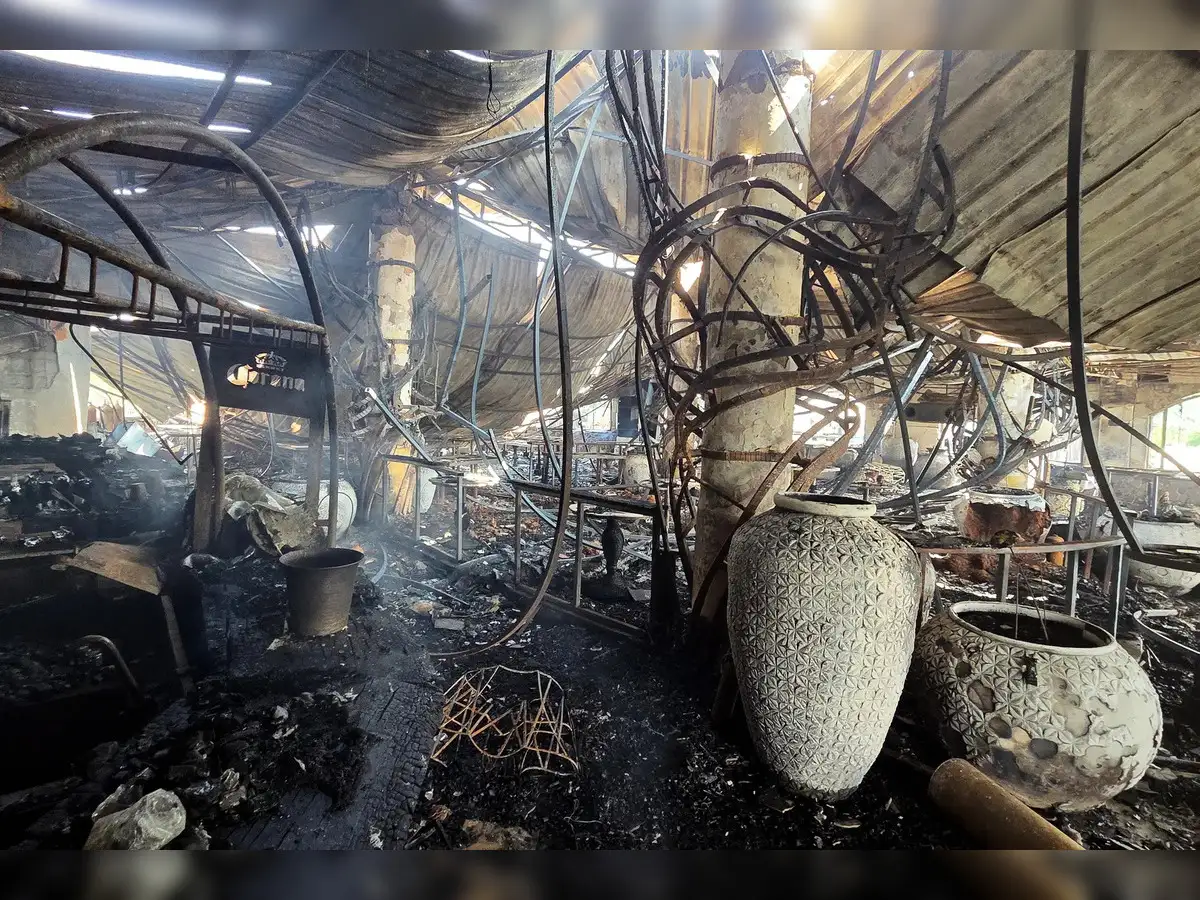
The fire was the first public signal of the horror within. Neighbors, alerted by smoke and the smell of burning, raised the alarm. Firefighters rushed to the scene and managed to douse the flames before the entire structure could be consumed. It was during their efforts that the true nature of the event was discovered. Instead of an electrical fault or a kitchen mishap, they found the body of the elderly woman, with injuries that were clearly not caused by the fire. The Delhi Police, arriving on the scene, quickly determined it was a case of murder, with the fire serving as a deliberate cover-up.
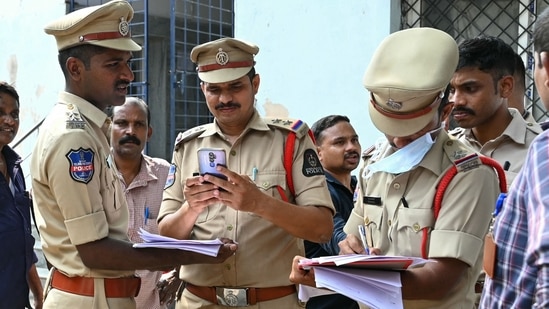
The investigation zeroed in on the family members. The pregnant woman, who was present at the time, initially attempted to maintain a facade of ignorance. However, under sustained questioning and with circumstantial evidence mounting, she allegedly broke down and confessed to the crime. The hammer, believed to be the murder weapon, was recovered. The case transformed from a tragic fire into a premeditated homicide, sending shockwaves through the locality. The image of a young, expectant mother as a perpetrator of such brutal violence against her elder was deeply unsettling, challenging societal stereotypes of both pregnancy and femininity.
Beyond the Blaze: The Psychology of a Breaking Point
To label this act merely as “evil” is to ignore the complex, and often invisible, psychological terrain that leads to such an extreme outcome. While the law must and will take its course, mental health experts and social workers point to a potential cascade of factors that could drive an individual to this brink.
1. Domestic Abuse and Dowry Harassment: If the allegations of persistent mental and emotional torture over dowry are true, the victim in this case may have, in a tragic reversal, become the perpetrator. The constant pressure, humiliation, and feeling of being trapped in a hostile environment can create a state of chronic stress and hypervigilance. The pregnant woman, already in a vulnerable physical and emotional state, may have experienced this harassment as an inescapable threat to herself and her unborn child.
2. Perinatal Mental Health: Pregnancy and the postpartum period are times of significant hormonal and psychological shifts. While often romanticized, this period can also trigger or exacerbate severe mental health conditions, including perinatal depression, anxiety, and in rare, extreme cases, postpartum psychosis. These conditions can distort reality, amplify feelings of hopelessness, and, in the most severe instances, lead to catastrophic actions. It is a critical area of investigation whether the accused was suffering from an undiagnosed or untreated perinatal mental illness.
3. The “Battered Woman Syndrome” Dynamic: A well-recognized, though controversial, concept in forensic psychology is Battered Woman Syndrome (BWS), a sub-category of Post-Traumatic Stress Disorder (PTSD). It describes the psychological state of a woman who has endured prolonged and severe intimate partner violence. This can lead to a state of “learned helplessness,” where the woman believes she cannot escape, eventually culminating in a violent outburst as a perceived means of survival. While the direct victim here was the mother-in-law, the dynamics of abuse often involve multiple family members, and the mother-in-law can be a primary perpetrator or enabler of the harassment.
A Society Complicit? The Systemic Failures
This tragedy is not an isolated incident but a symptom of deeper societal maladies. It forces an uncomfortable examination of the systems that failed to prevent it.
· The Persistence of Dowry: Despite being illegal since 1961, the practice of dowry remains rampant, transforming marriage from a sacred union into a transactional negotiation. It reduces a woman’s worth to her material contributions and makes her vulnerable to a lifetime of abuse if those demands are not met.
· Support Systems and Legal Recourse: Did the woman attempt to seek help? Were there signs that family, friends, or neighbors ignored? The existing support structures—police, women’s helplines, NGOs—often remain inaccessible, under-publicized, or ineffective in providing immediate and tangible safety. The fear of social stigma, financial dependence, and further retaliation often silences victims until it is too late.
· Mental Health Stigma: In many Indian households, mental health is still a taboo subject. The emotional turmoil of a pregnant woman might be dismissed as “mood swings,” preventing her from receiving the professional help that could have de-escalated her crisis.
Conclusion: A Tragedy with Multiple Victims
The Delhi hammer murder is a story with no winners, only victims. An elderly woman has lost her life in a brutal manner. A young woman stands accused of a heinous crime, her future and that of her unborn child irrevocably scarred. A family has been destroyed.
As the legal process unfolds, the case must serve as a grim national mirror. It is a call to strengthen our systems against dowry harassment, to destigmatize and prioritize mental healthcare, especially for pregnant women, and to cultivate family environments where grievances can be voiced before they fester into fatal desperation. The fire in that Delhi home has been extinguished, but it has left behind the smoldering embers of questions about the hidden horrors within our own four walls and our collective responsibility to prevent them.
Discover more from AMERICA NEWS WORLD
Subscribe to get the latest posts sent to your email.