By_ shalini oraon

Of Conferences and Conscience: Modi’s Six-Point Agenda and the Quest for a New Global Conscience
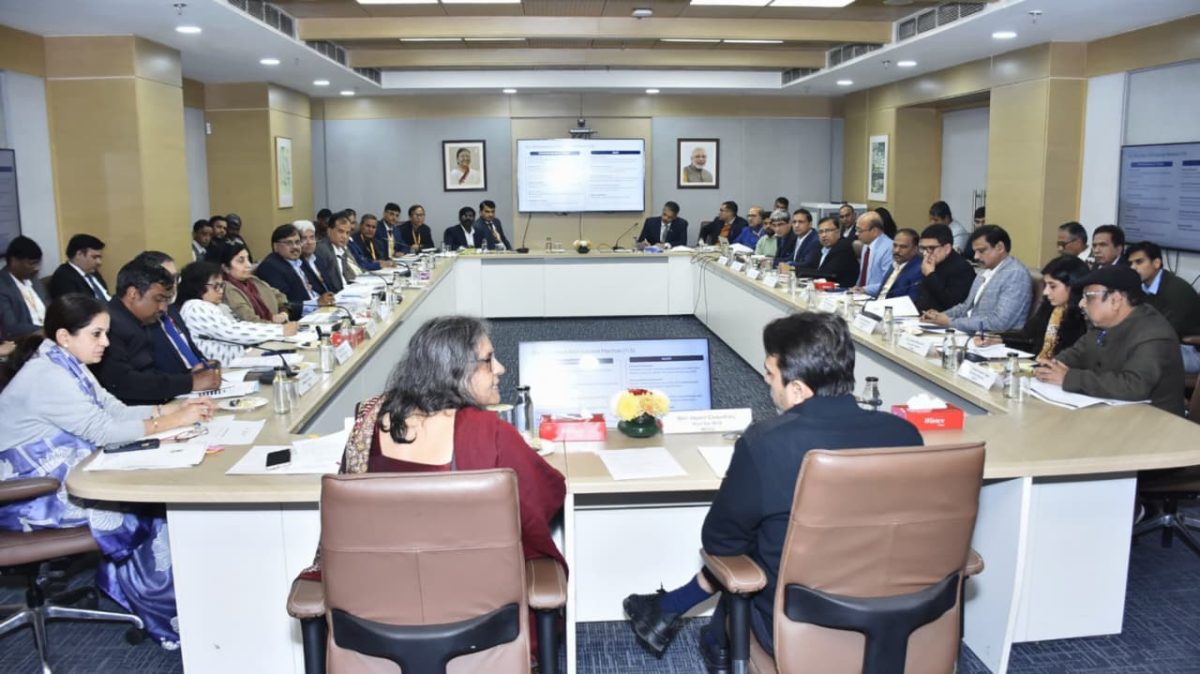
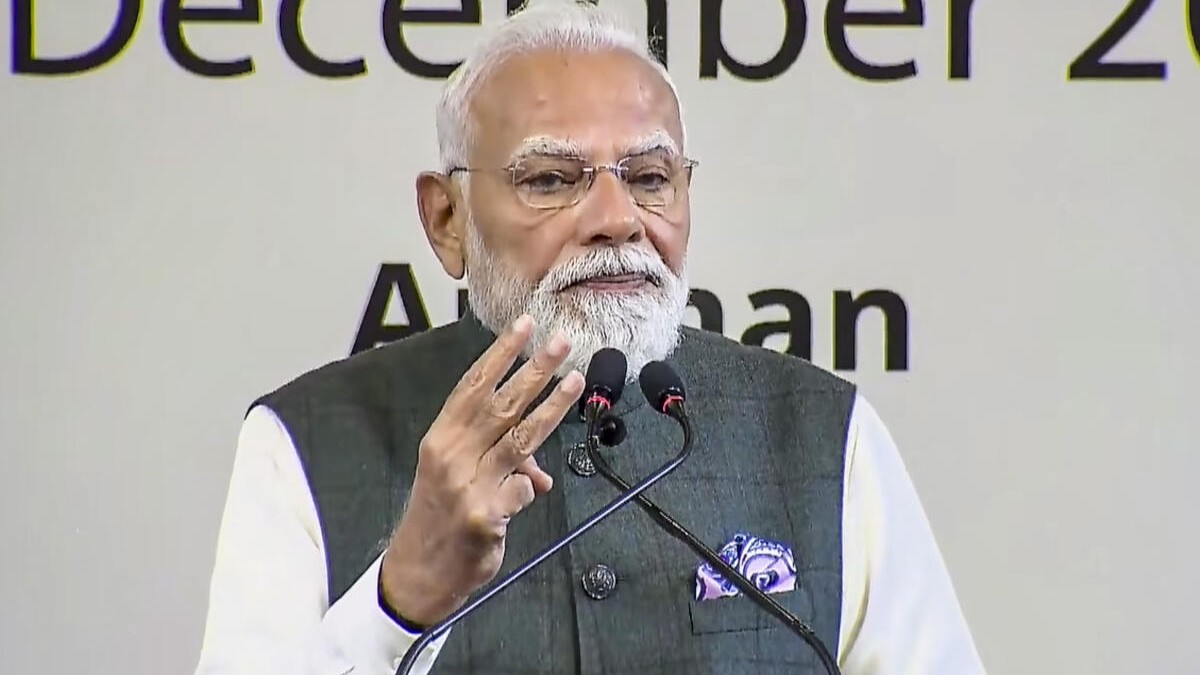
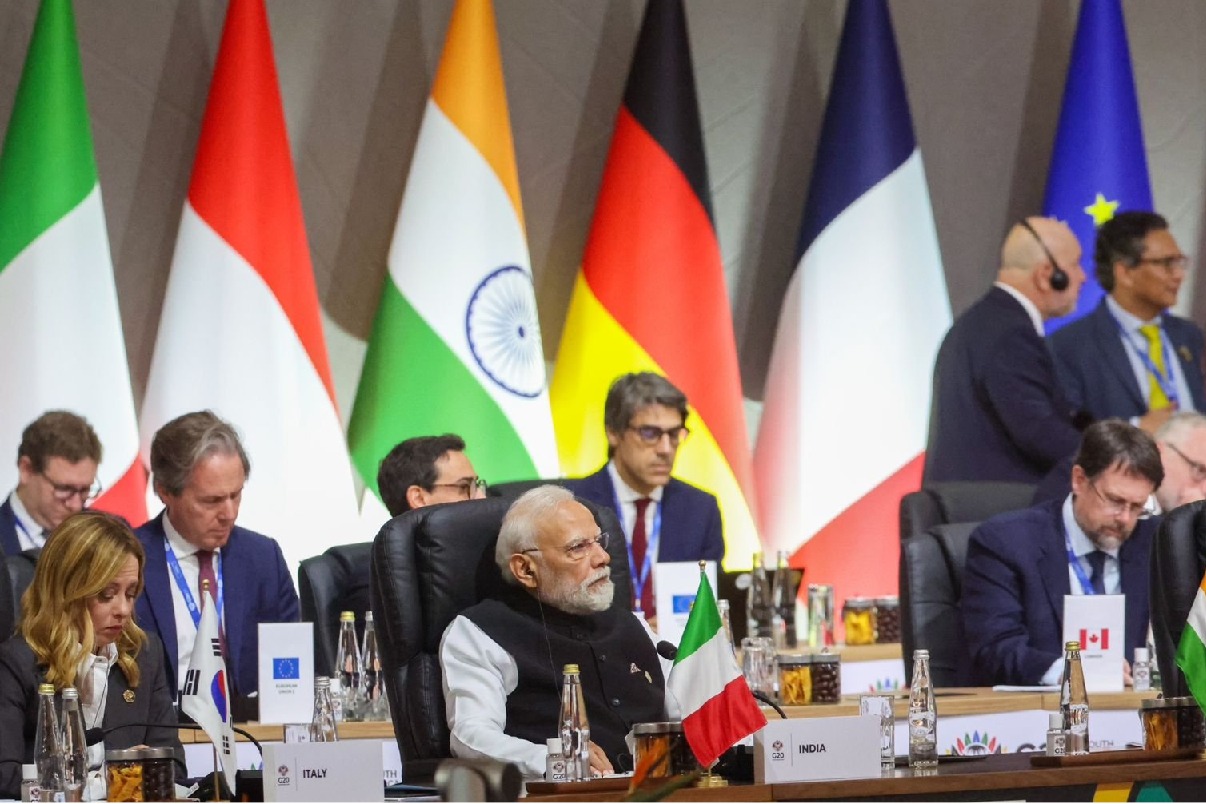
The G20 summit, a gathering of the world’s most powerful economies, often oscillates between high diplomatic rhetoric and the hard, unyielding realities of global geopolitics. Speeches are delivered, communiqués are negotiated, and photo-ops are staged. Yet, amidst this familiar choreography, some moments cut through the noise, demanding not just attention but introspection. Prime Minister Narendra Modi’s recent address, culminating in a six-point agenda for global action, was one such moment. More than a mere list of policy prescriptions, it was a profound philosophical call for a “rethinking [of] global development parameters,” challenging the very foundations upon which the modern international order has been built.
For decades, the global development paradigm has been largely unipolar, defined by metrics and models emanating from the Global North. Progress has been synonymized with GDP growth, industrialization at any cost, and a trickle-down economic theory that often left vast swathes of humanity behind. PM Modi’s agenda, emerging from the context of a post-pandemic world grappling with climate crises and stark geopolitical inequalities, seeks to dismantle this monolithic view and replace it with a more holistic, humane, and equitable framework.
Deconstructing the Six-Point Blueprint
At its core, the six-point agenda is a interconnected web of pragmatism and idealism. Let’s dissect its key components to understand the vision of a reconfigured world order it proposes:
1. A Shift from a GDP-Centric to a Human-Centric View: This is the philosophical bedrock of the entire agenda. By challenging the primacy of Gross Domestic Product, Modi questions a metric that counts all economic activity but distinguishes none—it values environmental degradation and healthcare expenditures with the same positive weight as educational investment and renewable energy production. A human-centric view prioritizes well-being, happiness, dignity, and resilience. It asks not just how much a nation produces, but how its citizens live, breathe, and thrive. This aligns with India’s own domestic emphasis on “Sabka Saath, Sabka Vikas, Sabka Vishwas” (Collective Efforts, Inclusive Growth, Everyone’s Trust), seeking to globalize a model of development that leaves no one behind.
2. Addressing the Climate Crisis through Sustainable Lifestyles (LiFE): Rather than presenting climate change as a purely technological or policy challenge, Modi reframed it as a cultural and behavioral one. The Lifestyle for Environment (LiFE) initiative, championed by India, moves the onus beyond conference rooms and onto dinner tables, into transportation choices, and consumption patterns. It argues that a billion individual actions, driven by mindful consumption rather than forced austerity, can have a greater aggregate impact than a handful of top-down mandates. This is a call for a global behavioral shift, recognizing that the planet cannot sustain the resource-intensive lifestyles of the developed world being replicated worldwide.
3. Global Food and Energy Security: In a world rattled by supply chain disruptions and conflict, Modi highlighted non-negotiable essentials. His call for global food security is not just about ensuring caloric intake but about stabilizing global political order, as hunger is a potent catalyst for instability. Similarly, his emphasis on energy security, particularly in the current volatile context, is a plea for stable, predictable and affordable access to energy, which is the lifeblood of all economies, especially developing ones. This point serves as a stark reminder that lofty ideals of development crumble without securing these fundamental pillars of human survival and economic activity.
4. Countering the “Global Trust Deficit”: Perhaps the most politically astute of the points, this addresses the erosion of faith in multilateral institutions. The PM pointed to the fraying of the global fabric, where promises are broken, vaccines are hoarded, and cooperation is sidelined for strategic competition. Rebuilding this trust is foundational; without it, no agenda, no matter how well-intentioned, can succeed. It is an implicit critique of the unilateralism that has often undermined collective action and a call for a more reliable, predictable, and equitable international system.
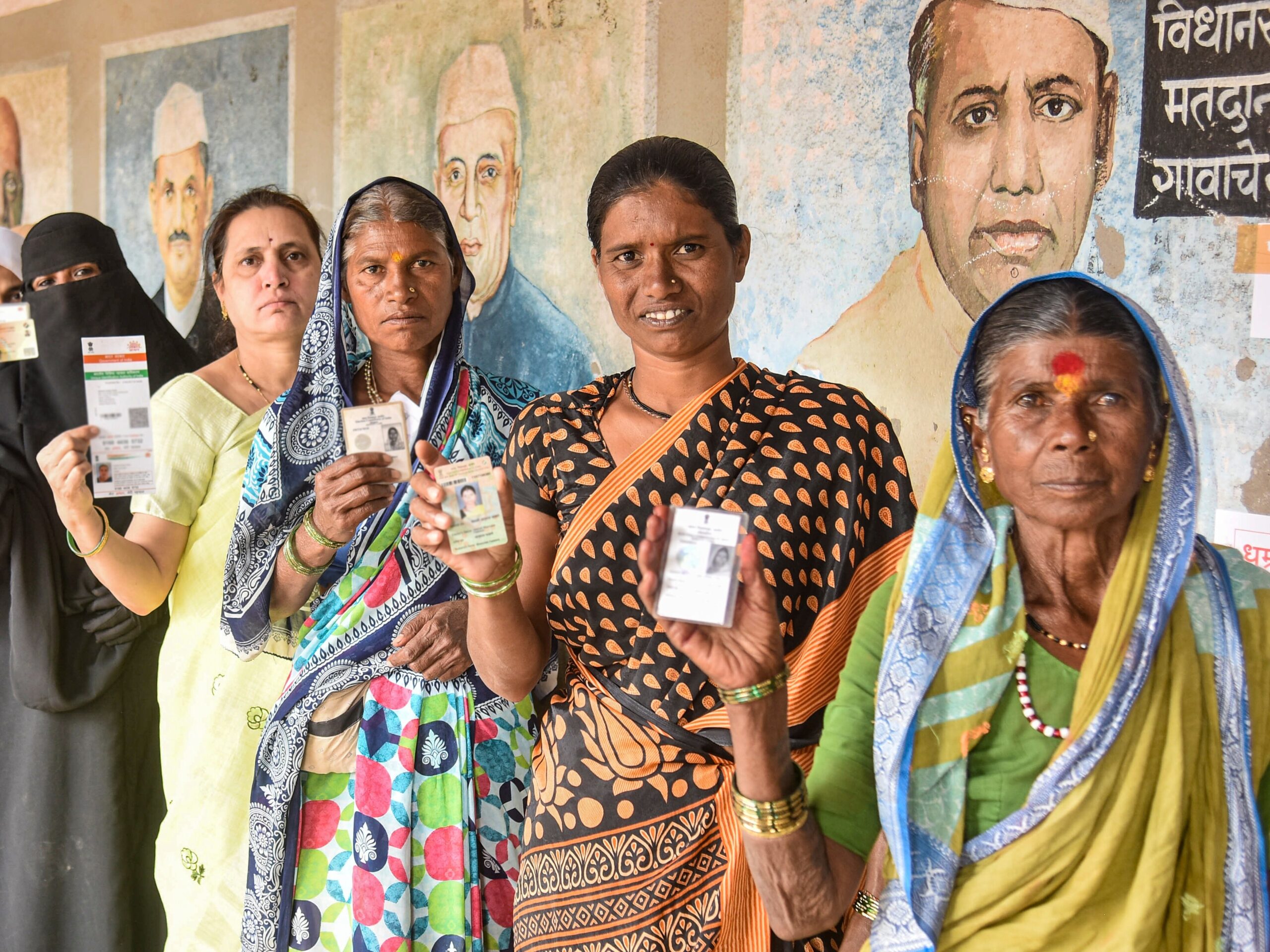
5. Leveraging Digital Public Infrastructure (DPI): Here, India presents its own success story as a replicable global model. The India Stack—a unified digital identity (Aadhaar), a payments interface (UPI), and a data sharing framework—has revolutionized financial inclusion and service delivery. By pitching DPI as a global public good, Modi advocates for a technological leapfrogging for the developing world. It’s a vision where a farmer in Africa or a small artisan in Southeast Asia can access credit, markets, and government services through their phone, bypassing decades of slow, brick-and-mortar institution building. This is development democratized through code.
6. Reforming Multilateral Institutions: This is the structural imperative that makes all the others possible. The PM reiterated the long-standing call for the reform of the United Nations Security Council and other Bretton Woods institutions, reflecting the geopolitical and economic realities of the 21st century, not the post-World War II settlement. It is a demand for a seat at the high table for the Global South, arguing that a system where the majority are governed by rules set by a privileged few is inherently unstable and unjust.
The Larger Implication: A Post-Colonial Vision of Development
Collectively, these points are not a random checklist but a coherent narrative. They represent a distinct, post-colonial voice from the Global South asserting its right to define the terms of its own progress. It is a move away from a world where development was something “given” or “taught” by the West to one where it is collaboratively shaped, incorporating ancient wisdoms like sustainable living with cutting-edge innovations like digital infrastructure.
The agenda challenges the hypocrisy of a system where nations that industrialized through fossil fuels preach restraint to those still seeking to lift their populations out of poverty. It calls for a globalization that is not just of capital and goods, but of responsibility, opportunity, and voice.
The Road Ahead: From Vision to Reality
The undeniable power of this agenda is matched by the enormity of the challenge in its implementation. Reshaping the global consensus requires navigating entrenched interests, overcoming geopolitical rivalries, and fostering a genuine spirit of partnership. The transition from a GDP-centric world will be resisted by powerful economic actors. The LiFE movement requires a cultural transformation against the tide of consumerism. Reforming the UN Security Council remains a diplomatic minefield.
However, by placing these issues at the forefront of the G20 agenda, PM Modi has successfully shifted the Overton window—the range of ideas acceptable for debate. He has framed the conversation not in terms of incremental adjustments, but in terms of a necessary civilizational shift. The six points are a mirror held up to the global community, asking: Do we have the courage to measure our success not by the wealth of our corporations, but by the well-being of our most vulnerable? Are we willing to trade short-term gain for long-term planetary survival?
In the final analysis, PM Modi’s pitch was more than a political statement; it was a moral intervention. It was a call to move global governance from the calculus of power to the compassion of shared humanity. The true test now lies not in the applause the speech received within the conference hall, but in the concrete actions that follow in the world outside. The agenda has been set. The conscience of the world has been called upon. The response will define our collective future.
Discover more from AMERICA NEWS WORLD
Subscribe to get the latest posts sent to your email.