AMERICA NEWS WORLD | By Sadab Khan | March 2, 2026
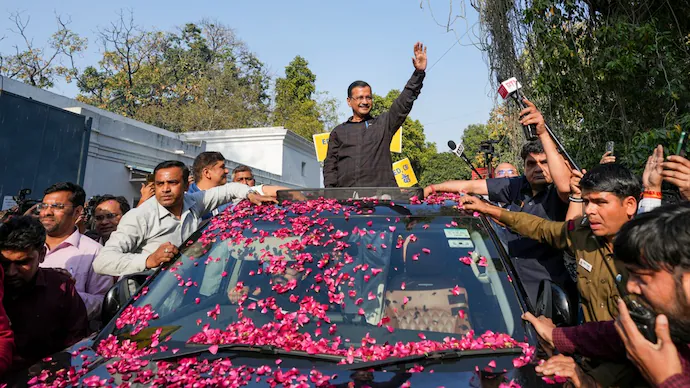
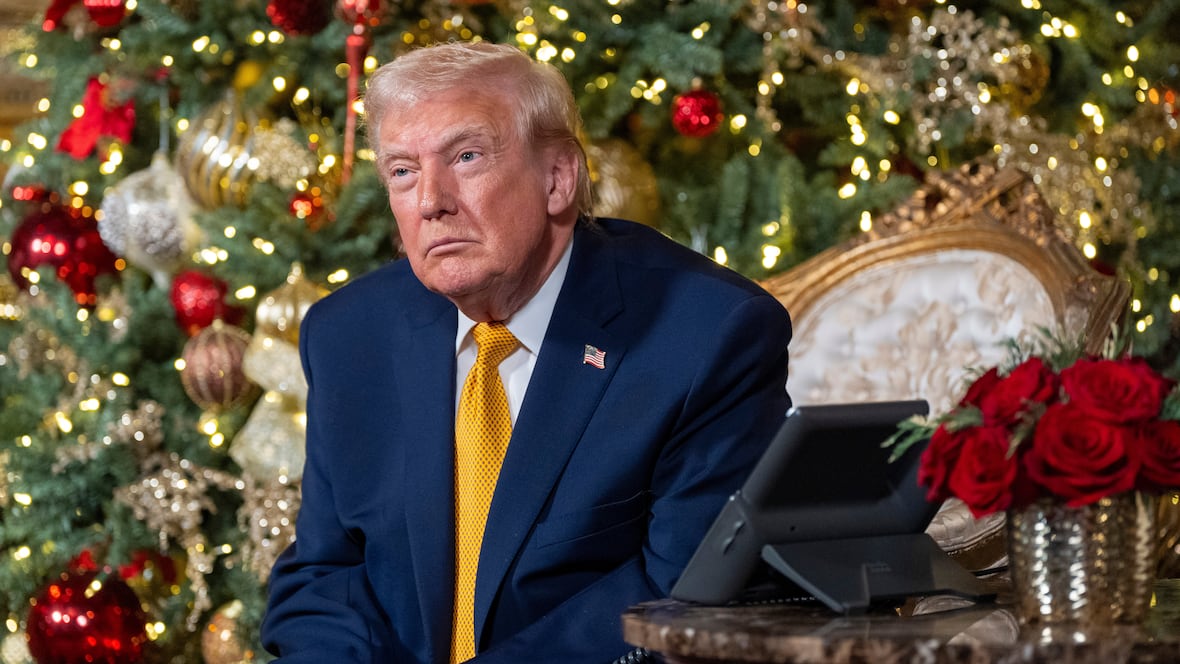
New Delhi— Prime Minister Narendra Modi on Sunday night spoke directly with UAE President Sheikh Mohamed bin Zayed Al Nahyan, strongly condemning the Iranian missile and drone strikes that have battered the Gulf nation over the past 48 hours, killing three people and injuring 58 others — including at least one Indian national.

prime minister narendra modi on sunday (march 1, 2026) night spoke to the president of uae, sheikh mohamed bin zayed al nahyan iranian strikes across uae. file. photo credit: x pmo[ caption]
The phone call came as the Middle East plunged deeper into crisis following the killing of Iranian Supreme Leader Ayatollah Ali Khamenei in a coordinated U.S.-Israeli airstrike on Tehran in the early hours of Saturday, February 28, 2026. Iran has since unleashed a ferocious wave of retaliatory strikes across Israel and multiple Arab Gulf nations, sending shockwaves through global energy markets, aviation networks, and diplomatic circles worldwide.
Modi’s Strong Message: India Stands With UAE
In a post on X (formerly Twitter), Prime Minister Modi made India’s position unambiguous.
“Spoke with President of the UAE, my brother Sheikh Mohamed bin Zayed Al Nahyan. Strongly condemned the attacks on the UAE and condoled the loss of lives in these attacks. India stands in solidarity with the UAE in these difficult times. Thanked him for taking care of the Indian community living in the UAE. We support de-escalation, regional peace, security and stability,” Modi wrote.
The statement signals a careful but firm diplomatic posture from New Delhi — one that condemns Iranian aggression without directly endorsing the U.S.-Israeli military operation that triggered it. India has historically maintained strong ties with both Iran and the Gulf states, making its balancing act in the current crisis particularly delicate.
Modi also extended personal gratitude to Sheikh Mohamed bin Zayed for his government’s efforts to protect and support the large Indian diaspora residing in the UAE, which numbers over 3.5 million people — the single largest expatriate community in the country.
Scale of Iran’s Retaliatory Strikes on UAE
The UAE’s Defence Ministry released a detailed account of the Iranian assault, revealing the extraordinary scale of the attack. In the past two days, Iran fired 165 ballistic missiles at UAE territory, of which 152 were successfully destroyed and 13 fell into the sea. Additionally, two cruise missiles and a staggering 541 Iranian drones were launched — 506 of which were intercepted and shot down.
Despite the UAE’s largely successful missile defense performance, the attacks resulted in three fatalities and injuries to 58 people. The Indian Embassy in the UAE confirmed it was aware of at least one injured Indian national and said it was in active contact with hospital authorities to monitor the situation and ensure assistance.
Dubai International Airport, the world’s busiest international hub, suspended all flight operations amid the attacks, stranding thousands of passengers. Indian airlines have cancelled over 350 flights to West Asia and beyond, causing widespread disruption for travelers, workers, and families across the region.
The Trigger: Killing of Khamenei
The chain of events that led to India’s diplomatic intervention began on Saturday morning when the United States and Israel launched a massive coordinated military strike against Iran. Iranian state media confirmed on Sunday that Supreme Leader Ayatollah Ali Khamenei, 86 — who had led the Islamic Republic since 1989 — was killed in the opening salvo of the operation at his Tehran compound.
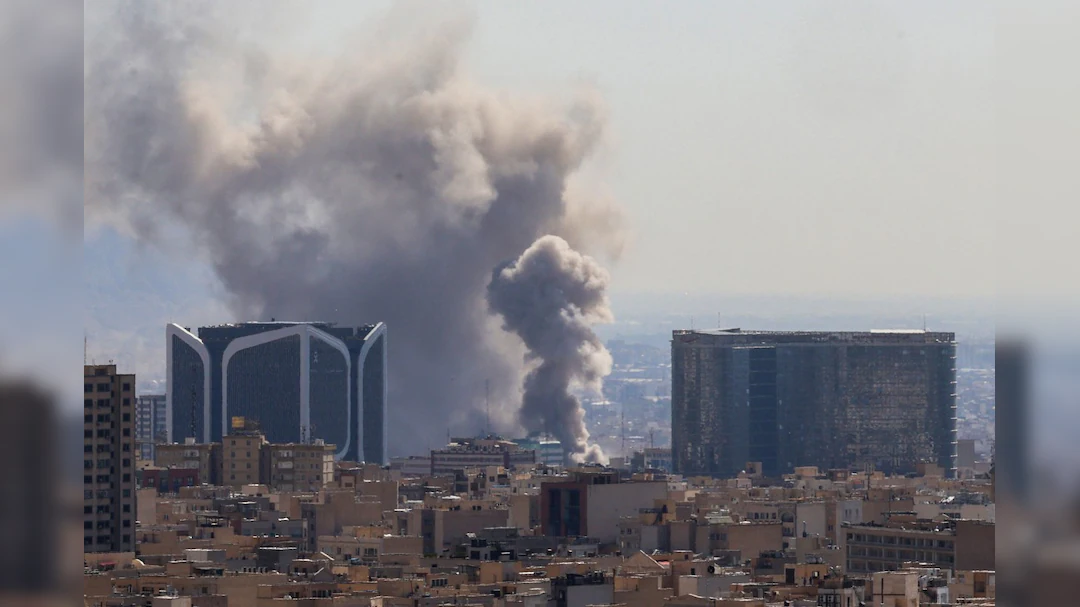
Iran responded almost immediately, firing ballistic missiles, cruise missiles, and drones at U.S. military bases in Bahrain, Kuwait, and Qatar, as well as civilian and commercial infrastructure across the UAE, Saudi Arabia, and Jordan. Iran also attacked an oil tanker in the Strait of Hormuz, raising fears of a blockade that could severely restrict global crude oil supplies and drive energy prices to record highs.
India’s Enormous Stake in Gulf Stability
India’s concern is not merely diplomatic — it is deeply personal and economic. Millions of Indian nationals live and work across the UAE, Saudi Arabia, Bahrain, Kuwait, Qatar, and Oman. These workers collectively send home tens of billions of dollars in remittances annually, forming a critical pillar of India’s economy.
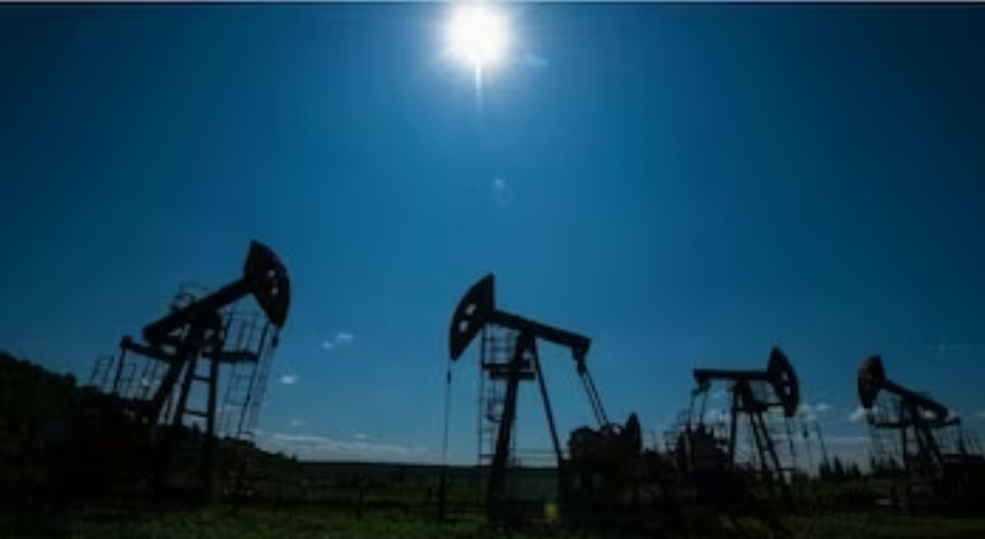
Beyond its diaspora, India is heavily dependent on Gulf oil imports. Any prolonged disruption to the Strait of Hormuz — through which nearly 20% of the world’s oil supply passes — would send fuel prices soaring in India and threaten its broader economic stability.
New Delhi is also watching the crisis from a strategic lens. India has longstanding ties with Iran dating back decades, even as it deepens its partnerships with the Gulf Arab states and maintains a strong relationship with Israel. Navigating these competing loyalties in an active military conflict is among the most complex foreign policy challenges India has faced in years.
What Comes Next
With Iran vowing further retaliation, Israel conducting fresh strikes on Beirut, and the United States warning of overwhelming force if Iran escalates further, the region stands at a precipice. The United Nations Secretary-General has called for an immediate ceasefire, while the IAEA has convened an emergency meeting over Iran’s nuclear facilities.
For India, the immediate priority is the safety of its millions of citizens in the Gulf. For the world, the priority is preventing a regional war from becoming something far larger.
Sadab Khan | America News World | New Delhi | March 2, 2026
Discover more from AMERICA NEWS WORLD
Subscribe to get the latest posts sent to your email.

![Smoke rises after Israeli strikes in Beirut's southern suburbs, on March 2 [Mohamad Azakir/Reuters]](https://america112.com/wp-content/uploads/2026/03/hgh.webp)