By_shalini oraon

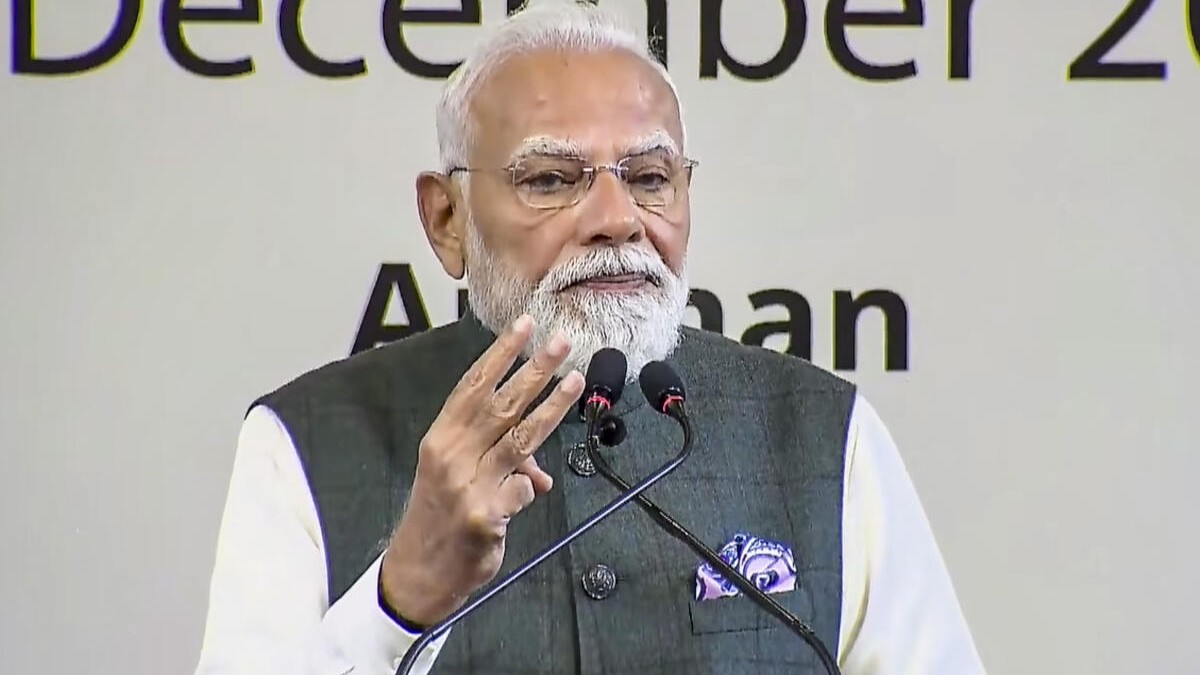
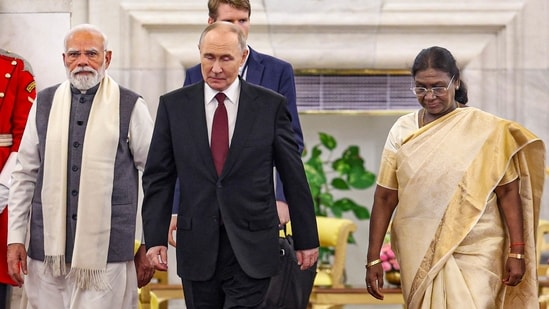
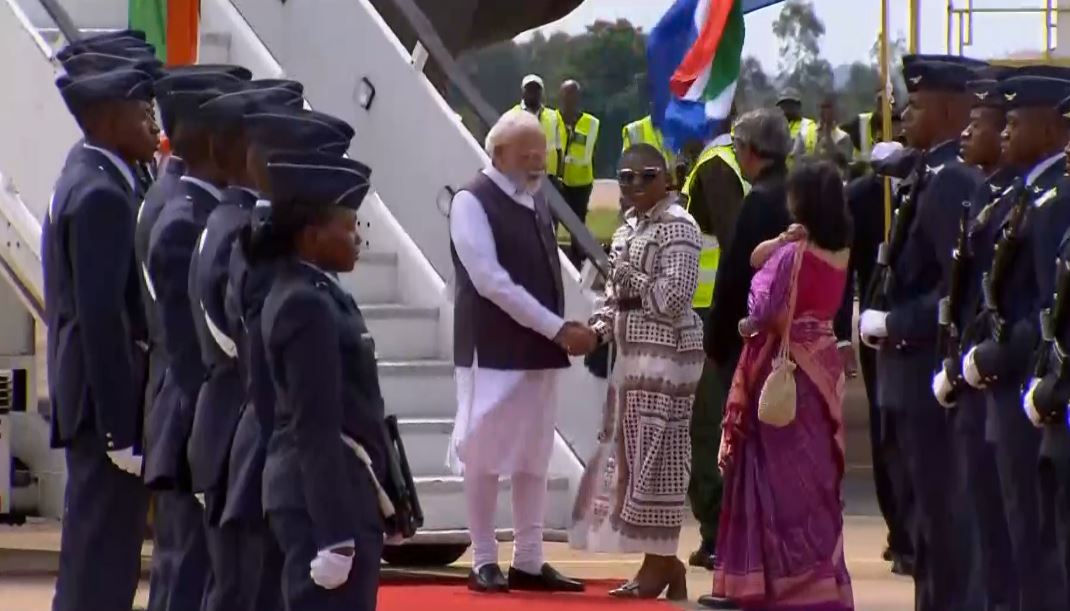
_ PM Modi’s arrival in South Africa ahead of the G20 Summit, detailing the agenda and broader context.
—
A Strategic Stop: PM Modi’s South Africa Visit and the Expanding Agenda for the G20
The arrival of Prime Minister Narendra Modi in South Africa ahead of the G20 Summit in New Delhi is far more than a mere logistical layover. It is a deeply symbolic and strategically calculated move, underscoring a foreign policy doctrine that places the Global South at the heart of India’s international engagement. While the world’s attention is fixed on the upcoming conclave in New Delhi, this bilateral visit to Pretoria serves as a crucial prelude, setting the tone for India’s ambitions not just as the G20 president, but as a leading voice for the developing world.
The timing and location are significant. South Africa is not only a fellow member of the BRICS grouping but is also the current chair of the bloc, creating a unique diplomatic synergy. This visit allows for a vital coordination of agendas between two of the most influential voices from Africa and Asia. As both nations navigate a world order fractured by the Ukraine conflict, economic volatility, and climate crises, their alignment on key issues will be instrumental in steering the G20 towards meaningful, inclusive outcomes.
The Immediate Agenda: Cementing a Strategic Partnership
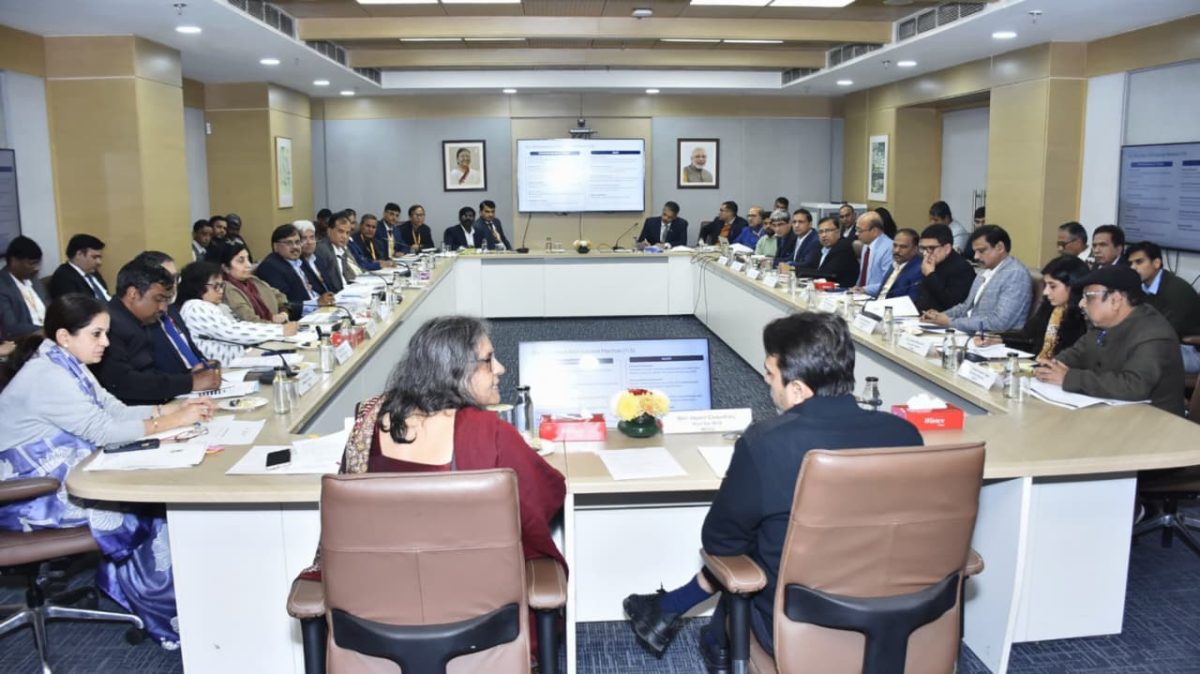
The bilateral talks between PM Modi and President Cyril Ramaphosa were expected to move beyond ceremonial pleasantries, focusing on concrete areas of cooperation that bolster the India-South Africa strategic partnership.
1. Defence and Security: Defence collaboration has long been a cornerstone of the relationship. Discussions likely centred on joint military production, technology transfer, and maritime security in the Indian Ocean Region. With both nations facing common security challenges, from terrorism to piracy, enhancing intelligence sharing and operational synergy is a mutual priority.
2. Trade and Economic Ties: Despite a robust trading relationship, there is immense potential for expansion. Indian investments in South Africa’s mining, manufacturing, and fintech sectors were key discussion points. A major focus was on addressing trade imbalances and leveraging mechanisms like the African Continental Free Trade Area (AfCFTA) to create new supply chains that bypass traditional, often volatile, global routes.
3. Energy and Critical Minerals: In the global race for energy security and green transition, South Africa’s vast reserves of critical minerals like platinum, vanadium, and manganese are of strategic importance to India. Partnerships for the ethical sourcing and processing of these minerals, essential for everything from electric vehicle batteries to renewable energy infrastructure, formed a critical part of the agenda. Collaboration in clean energy, including solar power and green hydrogen, also featured prominently.
The G20 Shadow Agenda: Forging a Common Front
While the bilateral talks were substantive, the unspoken backdrop was the G20 Summit. The Modi-Ramaphosa meeting was a strategic opportunity to align their positions on the most contentious and pivotal issues facing the grouping.
1. The Ukraine War and the Global South’s Voice: The Ukraine conflict has been the primary fault line at the G20, with previous meetings failing to produce a consensus communiqué due to stark divisions between the West and Russia. Both India and South Africa have maintained a position of non-alignment, refusing to outright condemn Moscow. Their shared objective for the New Delhi Summit is to steer the conversation away from geopolitical posturing and towards the conflict’s devastating secondary impacts on the Global South: food, fuel, and fertilizer security. By presenting a united front, they can push for pragmatic solutions, such as reviving the Black Sea Grain Initiative and ensuring stable energy supplies, rather than engaging in a geopolitical blame game.
2. Reforming Multilateral Institutions: A shared and long-standing grievance of the Global South is the outdated architecture of global governance. Both India and South Africa are strong advocates for the reform of the United Nations Security Council (UNSC) to include permanent representation for Africa, Asia, and Latin America. Using the G20 platform, they can amplify this call, arguing that institutions created in the 20th century are ill-equipped to address 21st-century challenges. Pushing for a more representative and democratic global order is a central pillar of their joint diplomacy.
3. Climate Finance and the Development Imperative: The climate crisis is no longer a future threat but a present reality, and its impacts are felt most acutely by developing nations who contributed least to the problem. A key agenda item for India and South Africa is to hold developed nations accountable for their unfulfilled promises of climate finance. The $100 billion-a-year pledge remains unmet, and the losses from climate-induced disasters are mounting. Together, they can demand not just the fulfilment of existing commitments but also a new, more ambitious framework for climate funding, technology transfer, and capacity building, framing it as a matter of climate justice, not charity.
4. Digital Public Infrastructure and SDGs: India’s success with Digital Public Infrastructure (DPI) like Aadhaar and UPI is a model that many developing countries are keen to emulate. PM Modi has positioned this as a key offering for the Global South. Sharing this expertise with South Africa and other African nations can be a game-changer for achieving the Sustainable Development Goals (SDGs), particularly in the domains of financial inclusion, digital governance, and public service delivery. The G20 is a perfect platform to globalise this model.
The Bigger Picture: India as the Voice of the Global South
Ultimately, PM Modi’s visit to South Africa is a masterclass in strategic diplomacy. It reinforces his government’s consistent narrative that India’s G20 presidency is not about hosting a glamorous event, but about “healing our one world” and giving voice to those often left on the sidelines of global decision-making.
By engaging deeply with South Africa—a continental leader and a fellow BRICS nation—PM Modi is strengthening a crucial partnership that amplifies the collective bargaining power of the developing world. The success of the New Delhi Summit will not be measured by the splendour of its arrangements, but by its ability to deliver concrete outcomes on food security, climate finance, and multilateral reform. In this endeavour, the consensus built between leaders like Modi and Ramaphosa is not just beneficial; it is indispensable. Their meeting in Pretoria was the first, crucial move in a high-stakes diplomatic game, setting the stage for a G20 that hopes to be remembered for its unity of purpose, not its divisions.
Discover more from AMERICA NEWS WORLD
Subscribe to get the latest posts sent to your email.