By_Suraj Karowa/ANW
November 1, 2025

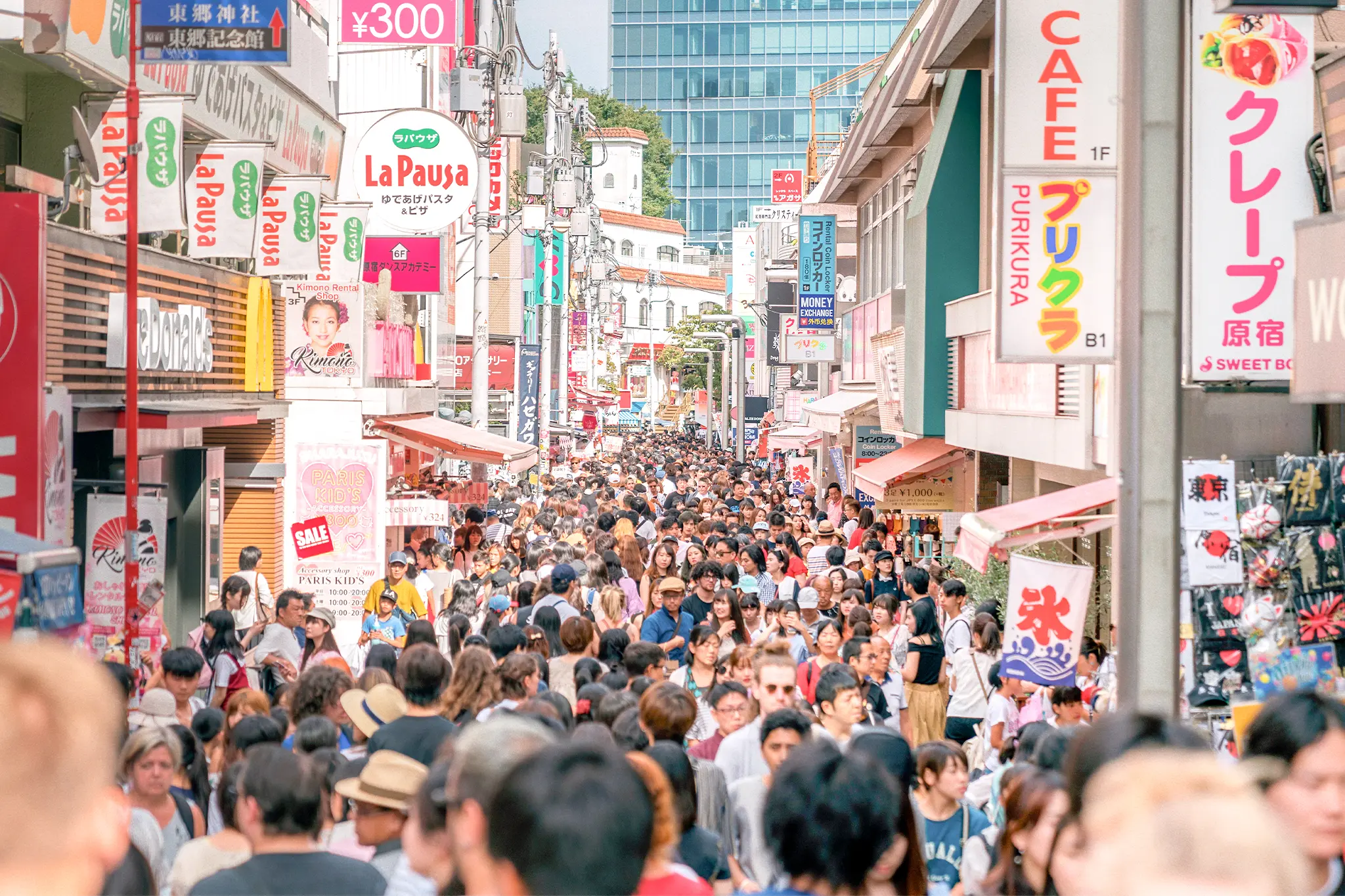
In the shadow of ancient temples and pristine beaches, Asia’s tourism boom is turning paradise into pandemonium. From Kyoto’s jammed shrines to Bali’s trash-strewn shores, overtourism is eroding the very allure that draws millions.
What was once a post-pandemic rebound has morphed into a crisis, mirroring Europe’s woes in Venice and Barcelona, where locals protest water pistols in hand. But in Asia—a vast continent hungry for economic lifelines—the stakes feel uniquely precarious.

Picture this: Kyoto’s Kiyomizuzaka, a historic lane winding toward the Kiyomizu Temple, choked with selfie-snapping crowds in rented kimonos. Or Maya Bay in Thailand, the cinematic gem from Leonardo DiCaprio’s The Beach, where boats clog the turquoise waters like rush-hour traffic.
These scenes, once rare, are now routine. “Kyoto was by far the most crowded and our least favorite stop,” laments Shannon Clerk, an American traveler who rose at dawn to beat the hordes at Fushimi Inari Shrine—only to descend into a sea of tourists. “Every sacred spot was overrun,” she recalls.
Experts like Gary Bowerman, a Kuala Lumpur-based travel analyst, pinpoint Bali, Kyoto, and Phuket as ground zero. “The genie’s out of the bottle,” Bowerman says of the surge fueled by pent-up wanderlust, dirt-cheap flights, and a swelling middle class in India and China.

Add savvy marketing from tourist boards and a domestic travel frenzy—Vietnam’s 100 million residents alone are flocking to UNESCO gems like Ha Long Bay and Hoi An—and you’ve got a perfect storm.
Data underscores the frenzy. The Pacific Asia Travel Association’s mid-2025 report shows Northeast Asia exploding with 20% growth, led by Japan, China, and South Korea. Mongolia, of all places, reports spikes. In Southeast Asia’s high season, Vietnam’s international arrivals jumped 21% in the first half of the year, per the UN World Tourism Organization.

Thailand’s numbers dipped 6% overall, but hotspots like Phuket groan under the weight: traffic gridlock, water rationing, and a cannabis-fueled haze from 2022’s decriminalization, spawning dispensaries galore.
Phuket’s government just unveiled a multi-pronged fix: better waste management, infrastructure upgrades, and curbing day-trippers to fragile isles like Phi Phi. Gabi Jimenez, another U.S. visitor, endured an hour-long scrum at Maya Bay just to touch the sand. “Over 100 boats at once—what should be serene is chaos,” she says.

Environmental scars run deep. Nikki Scott, founder of the Backpacker Network, flags islands and beaches as most vulnerable. Bali, Indonesia’s crown jewel, exemplifies the toll: plastic-choked waves, vanishing rice paddies paved for villas, and drainage woes that turned recent monsoons into decade-worst floods.
“Overtourism eradicated green lungs for concrete,” Scott warns, amplifying erosion and resource strain. The Philippines’ Boracay offers a cautionary tale—and a glimmer of hope. Once a party paradise turned sewage nightmare, it shuttered for six months in 2018 for rehab, then two years amid COVID.

Caps on visitors, eco-rules, and bans on rogue lodgings have revived its waters. Divers at New Wave Divers now praise clearer seas and sparser crowds for snorkeling bliss.
Thailand’s Maya Bay followed suit: a four-year lockdown post-2018, now annual two-month closures (August-September) for coral recovery. Yet enforcement lags; rule-breakers ignore signs, overwhelming rangers.
Urban oases fare better, thanks to scale. Seoul thrives on K-pop pilgrims, its subways swallowing surges. But Kyoto, with 1.5 million residents, buckles under 56 million visitors in 2024—half foreign, half domestic.

Narrow alleys flood with gawkers, stranding locals on packed trains en route to jobs or schools. A Yomiuri Shimbun poll found 90% of residents griping about the crush and “theme park” antics: loud chatter in shrines, flash photography at geisha haunts.
“Rude behavior treats Kyoto like Disneyland, not a spiritual heart,” says Yusuke Ishiguro, Hokkaido University tourism professor. Japan’s conservative ethos clashes with the influx—one in three strangers now foreign—sparking disorientation.
Policies chase numbers, not balance: hotel taxes and behavior cams yield little. Ishiguro pushes barriers and caps, viable in rural idylls like Shirakawa-go but futile in Kyoto, where Airbnb hosts and hoteliers demand full occupancy.
Gion’s geisha district tried anyway: a 2024 ban on private-lane trespassing and sneaky snaps, with 10,000-yen ($65) fines. Nearby, a town erected a Mount Fuji-view barrier to thwart selfie mobs. In Bali, spiritual sites seethe at topless temple poses and helmetless scooter joyrides—behaviors that incense conservative locals, per Bowerman. “Bali’s no libertine haven; it’s sacred soil.”
The irony? Tourism is Asia’s economic elixir. Governments tout it for jobs, branding, and FDI—Vietnam’s boom, Thailand’s recovery. “No one wants jailbird headlines,” Bowerman notes; enforcement risks PR backlash. Yet headlines scream escalation: arrests for disorderly drunks, trash avalanches on Bali beaches.
Solutions simmer. Off-peak travel dodges peaks, including domestic fests. Scott urges ditching influencers for local chats: “Wander off-path; unplanned detours shine.” UNESCO tags, while boosting fame, curse with crowds—Hoi An’s lantern-lit lanes now pulse with basket-boat hordes.
As Asia grapples, the lesson echoes Europe: growth without guardrails devours destinations. Will regulators rein it in before icons like Fushimi Inari or Kuta Beach fade to memory? For now, the continent’s glass ceiling cracks under the weight of welcome mats worn threadbare.
Discover more from AMERICA NEWS WORLD
Subscribe to get the latest posts sent to your email.
































![Smoke rises after Israeli strikes in Beirut's southern suburbs, on March 2 [Mohamad Azakir/Reuters]](https://america112.com/wp-content/uploads/2026/03/hgh.webp)