By_shalini oraon

A Political Fault Line Exposed: Omar Abdullah’s Critique of BJP’s Nitish Support in the ‘Niqab’ Row
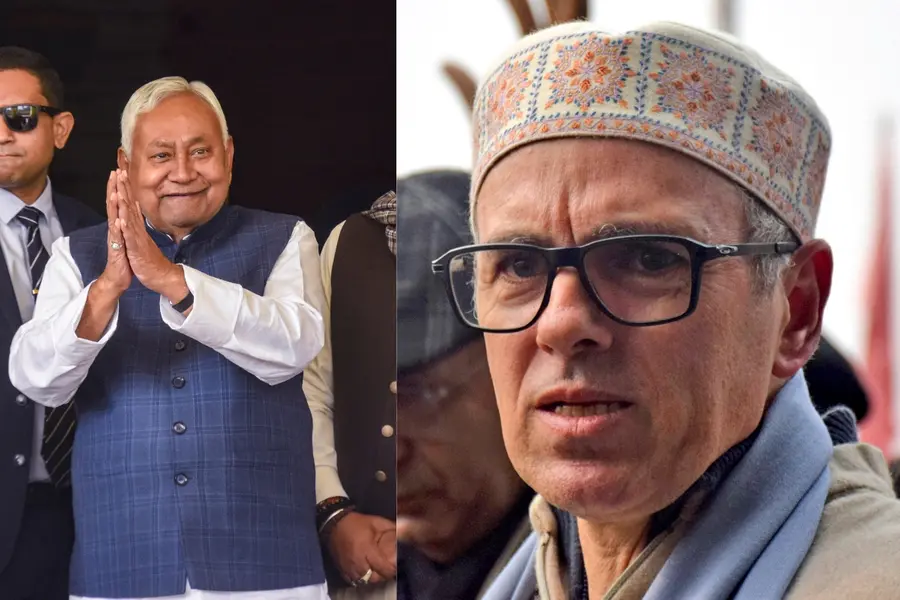
In the ever-shifting sands of Indian politics, alliances are often forged and broken with pragmatic disregard for past rhetoric. Yet, some instances of political realignment are so stark that they rip open the very ideological fabric parties claim to wear. The recent, sharp condemnation by former Jammu & Kashmir Chief Minister and National Conference (NC) leader Omar Abdullah of the Bharatiya Janata Party’s (BJP) support for Bihar Chief Minister Nitish Kumar amid a ‘niqab’ controversy is one such moment. It exposes a profound and revealing fault line in Indian politics, laying bare the tension between political expediency and ideological consistency.
The Spark: Nitish Kumar’s ‘Niqab’ Remarks
The controversy originated from comments made by Nitish Kumar in the Bihar Assembly. While advocating for population control education, the Janata Dal (United) leader reportedly made an offhand remark linking the practice of wearing the niqab (a face veil worn by some Muslim women) with higher fertility rates. The remarks were immediately criticized as being reductive, stereotypical, and targeting a specific religious community’s cultural practices. They sparked outrage from opposition parties, particularly those representing Muslim constituencies, who accused Kumar of indulging in the very kind of majoritarian pigeonholing he once positioned himself against.
For Nitish Kumar, historically seen as a secular counterweight to the BJP in Bihar, the remarks were politically curious. They came at a time when his party is in alliance with the BJP as part of the National Democratic Alliance (NDA) government in Bihar, a partnership that has always been ideologically uneasy given Kumar’s past “secular” credentials.
Omar Abdullah’s Surgical Strike
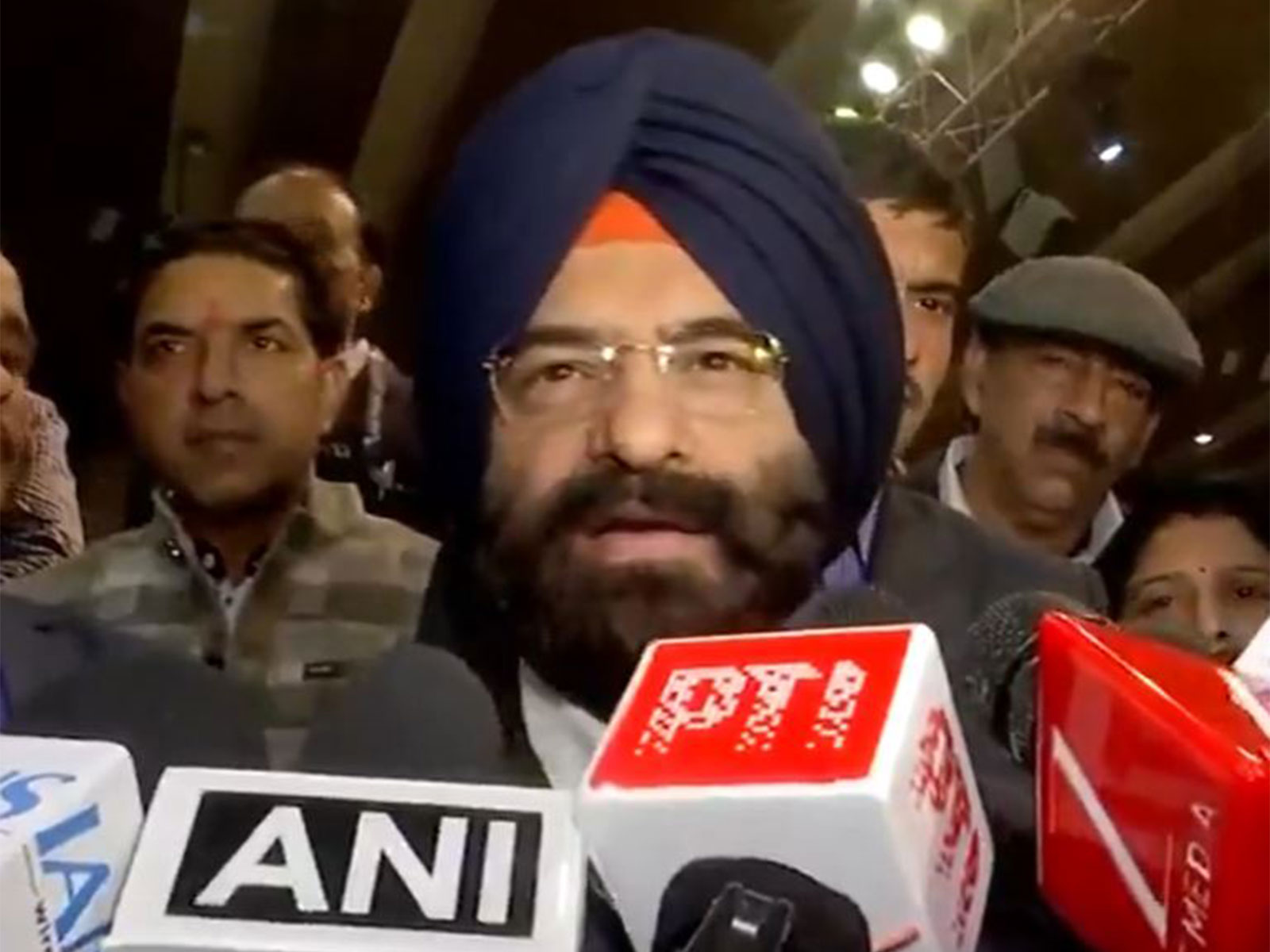
It was in this context that Omar Abdullah launched a scathing attack. His critique was not merely about the inappropriateness of Kumar’s comment, but squarely focused on the BJP’s reaction—or lack thereof.
“Where is the outrage?” Abdullah essentially asked. He highlighted the glaring hypocrisy in the BJP’s silence. The party, whose top leadership and ideological ecosystem have consistently framed practices like the niqab and burqa as issues of “identity politics,” “separatism,” and even “national security” in the context of debates on “uniform civil code” or in states like Karnataka, was now muted. When a BJP ally like Nitish Kumar made a comment that could be seen as critical of a minority practice, the formidable BJP IT cell, its spokespersons, and its ideological cheerleaders fell conspicuously silent.
Abdullah’s slam was multi-pronged:
1. The Hypocrisy of Selective Outrage: He framed it as the ultimate exposure of the BJP’s political instrumentality. The niqab is not an issue of principle for the BJP, he suggested, but a tool. It is a weapon to be deployed against political opponents and to consolidate a majoritarian vote bank. When an ally uses a similar tool, even clumsily, it is quietly holstered.
2. The Cynicism of Alliance Politics: His remarks underscored the sheer transactional nature of the BJP-Nitish Kumar alliance. Principles of cultural nationalism, Abdullah implied, are readily sacrificed at the altar of political necessity. Keeping the NDA government stable in Bihar and maintaining a key ally for the 2024 Lok Sabha polls trumped any ideological purity on issues often used to galvanize the base.
3. The Marginalization of Genuine Issues: By focusing on the BJP’s silence, Abdullah also pointed to how such controversies detract from substantive issues facing minorities and all citizens—education, employment, and development. The niqab row, initiated by an ally and ignored by the BJP, became a cynical political spectacle rather than a serious discussion on women’s agency or social reform.
The Larger Political Canvas: Realpolitik vs. Ideology
This incident is a microcosm of a much larger dynamic in Indian politics today. The BJP, under Prime Minister Narendra Modi and Home Minister Amit Shah, has been masterful in blending hardline ideological projects with flexible political management.
· For the BJP, supporting Nitish Kumar is a cold, calculated move. Nitish provides critical governance credibility in Bihar and is a vital part of the NDA’s arithmetic in the Hindi heartland. To alienate him over a comment would be poor realpolitik. The ideology of cultural nationalism is, in this reading, a project long enough to tolerate short-term contradictions. The core base may understand this tactical silence, or it may be distracted by other narratives.
· For Omar Abdullah and the National Conference, this is a potent political opportunity. It allows them to:
· Reclaim a Secular Voice: By calling out the hypocrisy, Abdullah positions himself and the NC as principled defenders of secular consistency, in contrast to the JD(U)’s shifting stands and the BJP’s opportunism.
· Address the Muslim Constituency: It resonates deeply with Muslim voters in Jammu & Kashmir and beyond, who may feel targeted by such remarks from all sides. It signals that the NC sees their identity beyond mere political tokenism.
· Challenge the BJP’s Narrative: It attempts to pierce the BJP’s claim of being a party of unwavering principle, painting it instead as an opportunistic entity that compromises its core issues for power.
Nitish Kumar’s Tightrope Walk
Caught in the middle is Nitish Kumar himself. His remarks reflect the impossible tightrope he walks. To retain his core, historically Muslim-Yadav vote base (which has severely eroded), he must signal secular commitment. But to remain a palatable ally for the BJP and counter the perception of Muslim “appeasement,” he occasionally makes statements that seem to align with majoritarian concerns. The ‘niqab’ comment appears to be a failed attempt at the latter, offending one side without genuinely pleasing the other, and leaving him exposed to critiques like Abdullah’s.
Conclusion: A Revealing Silence
The ‘niqab’ row, amplified by Omar Abdullah’s critique, is ultimately not about the garment itself. It is about the politics that surrounds it. Abdullah has successfully used this moment to hold up a mirror to the BJP, reflecting an image of a party whose ideological fervor is meticulously switched on and off based on a political calculus.
The BJP’s support for Nitish Kumar amid this controversy is a silent admission that in the high-stakes game of Indian alliance politics, power preservation is the ultimate ideology. For the opposition, including leaders like Omar Abdullah, such moments are gifts—clear, unambiguous evidence of hypocrisy that can be weaponized to question the ruling party’s credibility and to rally their own constituencies around the flag of principled politics. As India moves closer to another general election, this episode will serve as a reference point in the ongoing debate about whether Indian politics is driven by conviction or convenience. The silence of the BJP, as highlighted by Abdullah’s roar, has spoken volumes.
Discover more from AMERICA NEWS WORLD
Subscribe to get the latest posts sent to your email.