
By_Suraj Karowa/ ANW
Bangkok, Thailand – November 8, 2025

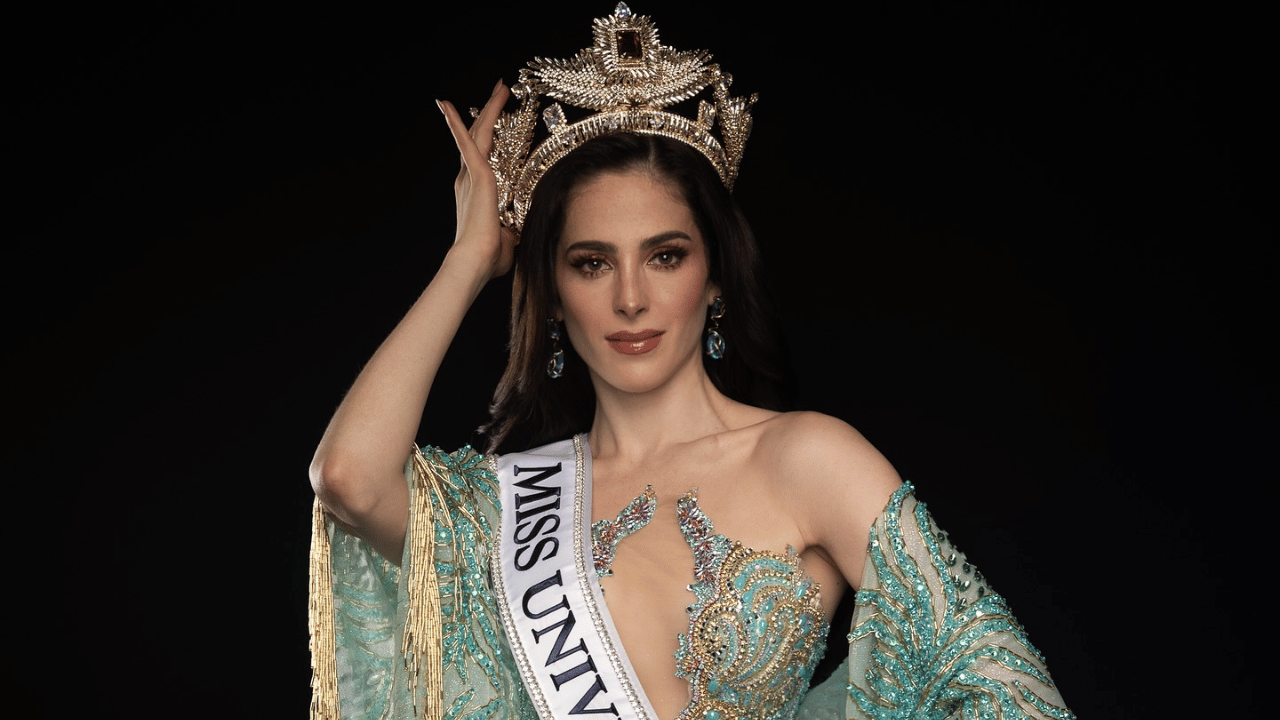
In a moment that has reverberated from the glittering stages of Bangkok to the halls of Mexico’s presidential palace, 25-year-old Fatima Bosch, Mexico’s representative at the 74th Miss Universe competition, became an unlikely symbol of defiance against patriarchal overreach.
A viral video capturing her confrontation with pageant organizer Nawat Itsaragrisil has unleashed a torrent of outrage, spotlighting the dark underbelly of international beauty contests and fueling urgent conversations about women’s empowerment, dignity, and the true cost of a crown.
The incident unfolded on November 5 during a live-streamed pre-pageant meeting at the Miss Universe welcome event in Thailand’s bustling capital. With dozens of contestants from 130 nations gathered, Nawat, the influential president of Miss Grand International (MGI) and national director for Miss Universe Thailand, turned his ire on Bosch.
Accusing her of failing to post sufficient promotional content about her host country, he escalated quickly. “Your director told you to sabotage this,” he barked, as captured in the footage that has since amassed millions of views across social media platforms.
He appeared to label her a “dumbhead” for complying, a slur he later contested, claiming he meant she was causing “damage” to the event.

Bosch, poised yet unyielding, refused to be diminished. “I’m here, and I do everything OK. I don’t mess with anyone. I just try to be kind. I’m trying to give my best,” she responded, her voice steady amid the rising tension.
When Nawat snapped, “I didn’t give you the opportunity to talk,” and summoned security to escort her out, the room erupted. In a powerful act of solidarity, fellow contestants rose en masse, walking out in protest. Nawat’s retort – a threat of elimination for the dissenters – only amplified the chaos, turning a routine briefing into a flashpoint for resistance.
The video’s rapid spread on TikTok, Instagram, and X (formerly Twitter) transformed Bosch into a global icon overnight. “He just said to me, ‘shut up,’ and a lot of different things,” she recounted in a heartfelt TikTok post shortly after.
“I think that the world needs to see this because we are empowered women, and this is a platform for our voice, and no one can shut our voice.” Her words struck a chord, amassing over 2 million likes and shares within hours, with users hailing her as a beacon for the #MeToo-era reckoning in spaces long dominated by male gatekeepers.
The backlash was swift and multifaceted. Mexico’s President Claudia Sheinbaum, fresh from her own brush with sexism – an apparent groping incident during a public event – seized the moment during a November 6 press conference.
“Bosch’s response was an example of how women must raise their voices,” Sheinbaum declared, invoking the insidious Mexican adage “Calladita te ves más bonita” (“You look more beautiful when you’re silent”).
“Well, I don’t know if anyone has said it to the women here, but they did say it to me,” she added, her tone laced with wry defiance. She countered with a rallying cry: “Women look more beautiful when we raise our voices and participate. Because that has to do with the recognition of our rights. So, I recognize this young woman.”
From the pageant world itself came unequivocal condemnation. Raúl Rocha, president of the Miss Universe Organization (MUO) – and a fellow Mexican – issued a scathing rebuke, restricting Nawat’s involvement in the competition “as much as possible or eliminating it entirely.”
“Nawat had humiliated and disrespected the Mexican contestant,” Rocha stated in Spanish, “and held him responsible for the great abuse of having called security to intimidate a defenseless woman trying to silence and exclude her.” The MUO, which has undergone its own scandals including ownership upheavals and inclusivity pushes, positioned Rocha’s response as a pivotal step toward reform.
Nawat, a Thai businessman whose MGI has faced prior allegations of toxic culture, issued a public apology during the November 6 welcome ceremony. Flanked by contestants including Bosch, he bowed his head onstage. “I have to say I’m very sorry,” he said, insisting no malice was intended and expressing respect for all involved.
Yet skeptics, including Bosch herself, linked the outburst to deeper frictions: a reported feud between Nawat and the MUO over promotional rights and organizational control.
The episode has pierced the sequined veneer of Miss Universe, an institution born in 1952 as a swimsuit spectacle but rebranded in recent years to champion “leadership and philanthropy.” Critics like Colombian feminist activist Catalina Ruiz Navarro, based in Mexico City, argue the format inherently commodifies women.
“The Miss Universe pageant is about disciplining and monitoring the body,” Ruiz Navarro told reporters, decrying how contestants mold themselves via “technology, intervention, exercise, and diet” to a “practically Catholic” ideal.
She lauded Bosch’s “truly courageous” stand, noting the collective walkout as “a small line they were willing to cross” amid high stakes – disqualification could derail careers built on national pride and sponsorships.
Echoes of solidarity poured in from pageant alumni. Sheynnis Palacios, Miss Universe 2023 from Nicaragua, posted on Instagram: “A crown should not cost a woman her dignity.” She lamented how such events, meant to “empower, inspire, and foster leadership,” betray their ethos through “power dynamics, humiliation, or disrespect.”
Venezuelan alumna Alicia Machado, Miss Universe 1996, drew from her own history of body-shaming scandals under Trump-era ownership. “I don’t understand why these international competitions continue to be condoned for engaging in unethical practices,” she wrote. “They should fight for gender rights and equality in the world.”
As the competition presses on – with swimsuit rounds, talent showcases, and the grand finale set for November 21 – Bosch’s defiance has reframed the narrative. No longer just a beauty queen, she’s a catalyst for change, her poise under fire underscoring a broader truth: empowerment isn’t granted by tiaras but forged in the refusal to be silenced.
In a year marked by women’s rights regressions from Afghanistan to U.S. abortion battles, her story reminds us that even in the most performative arenas, voices amplified can shatter glass ceilings – or at least demand better spotlights.
For Bosch, the path ahead is uncertain. Will her stand secure reforms, or fade into pageant lore? As she prepares for the runway, one thing is clear: in raising her voice, she’s already won something priceless – the world’s ear.
Discover more from AMERICA NEWS WORLD
Subscribe to get the latest posts sent to your email.






































![Smoke rises after Israeli strikes in Beirut's southern suburbs, on March 2 [Mohamad Azakir/Reuters]](https://america112.com/wp-content/uploads/2026/03/hgh.webp)

AMERICA NEWS WORLD
Thank you suraj for this news …..stay blessed …