By_shalini oraon

The Delhi Airpocalypse and the Fight for Breath: Decoding the PUCC and BS6 Vehicle Ban
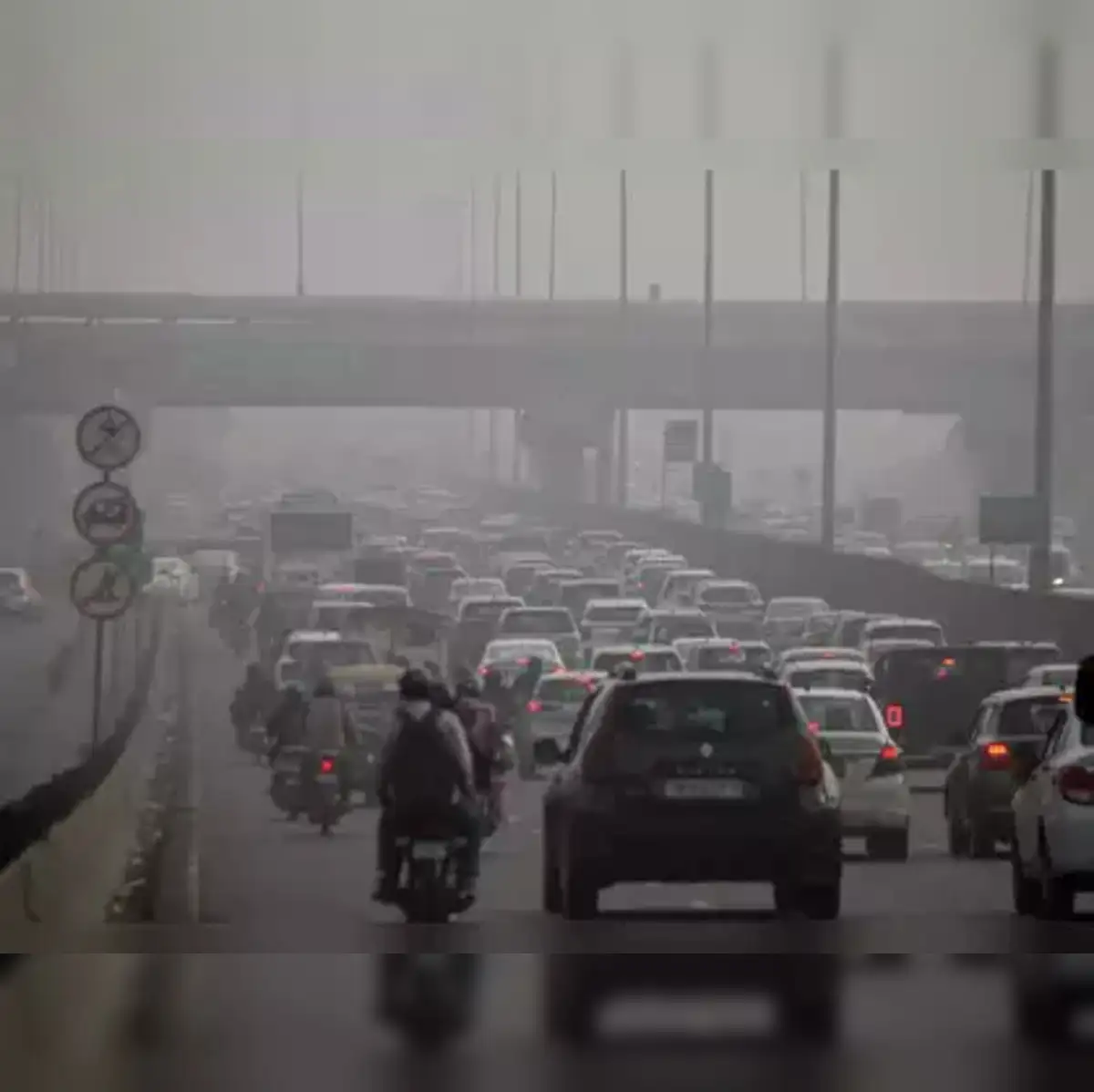
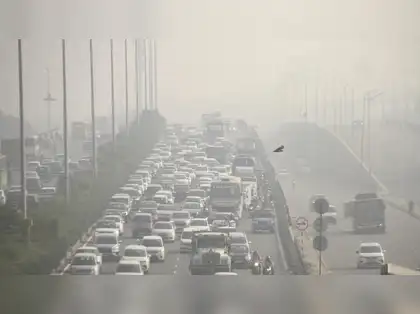
Delhi’s air pollution crisis is a perennial, suffocating reality. Every winter, the city grapples with a toxic smog that shuts schools, grounds flights, and poses a severe public health emergency. In this relentless battle for breath, the Delhi government has now made two of its most significant weapons permanent: the stringent enforcement of the Pollution Under Control Certificate (PUCC) and a complete ban on the entry of non-BS6 diesel vehicles into the capital. As Transport Minister Kailash Gahlot, through Delhi Transport Commissioner Ashish Kundra, declared recently, these are not temporary measures but enduring pillars of the city’s clean air strategy.
This move signals a decisive shift from ad-hoc, seasonal reactions to a structured, long-term policy framework aimed at tackling one of the pollution puzzle’s most critical pieces: vehicular emissions.
The PUCC: Not Just a Paper, But a Lifeline
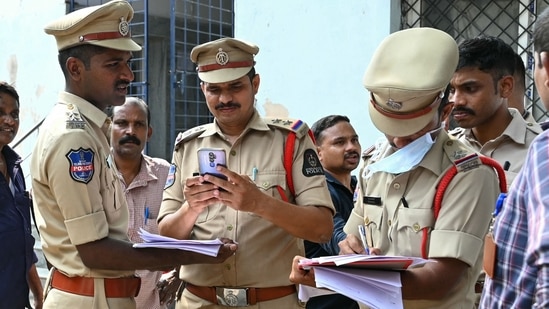
The Pollution Under Control Certificate, often treated by vehicle owners as a bureaucratic formality to be acquired (or sometimes faked) during annual insurance renewals, is being re-positioned as the first line of defense. The new directive is unequivocal: “No Fuel Without PUCC.” This means fuel stations across Delhi are now mandated to refuse refuelling to any vehicle that does not possess a valid PUCC.
The logic is straightforward yet powerful. A vehicle’s emission levels are not static; they deteriorate with wear and tear, poor maintenance, and tampering. The mandatory periodic pollution check is designed to ensure that every vehicle on the road adheres to the emission norms applicable at its time of manufacture. By linking it directly to refuelling, the government is creating a nearly inescapable compliance net. If you can’t get fuel, you can’t drive. This move aims to bring the vast pool of delinquent vehicles—often the most polluting ones—into the compliance fold, ensuring that the existing fleet operates at its cleanest potential.
The BS6 Border: Drawing a Line in the Smog
While the PUCC policy polices the existing fleet, the permanent ban on non-BS6 diesel vehicles is an aggressive push for fleet modernization. The Bharat Stage (BS) emission standards are India’s regulatory benchmarks for air pollutants from internal combustion engines. The leap from BS4 to BS6, implemented nationwide in April 2020, was monumental—it mandated a reduction in particulate matter (PM) and nitrogen oxides (NOx) from diesel cars by over 80%.
Delhi’s ban essentially means that only those diesel vehicles conforming to this stringent, near-European level of emission control are allowed to enter the territory. Older diesel vehicles, particularly those with BS4 and earlier engines, are now permanently persona non grata. This policy disproportionately impacts goods carriers and interstate commercial transport, but the government’s stance is clear: public health trumps convenience.
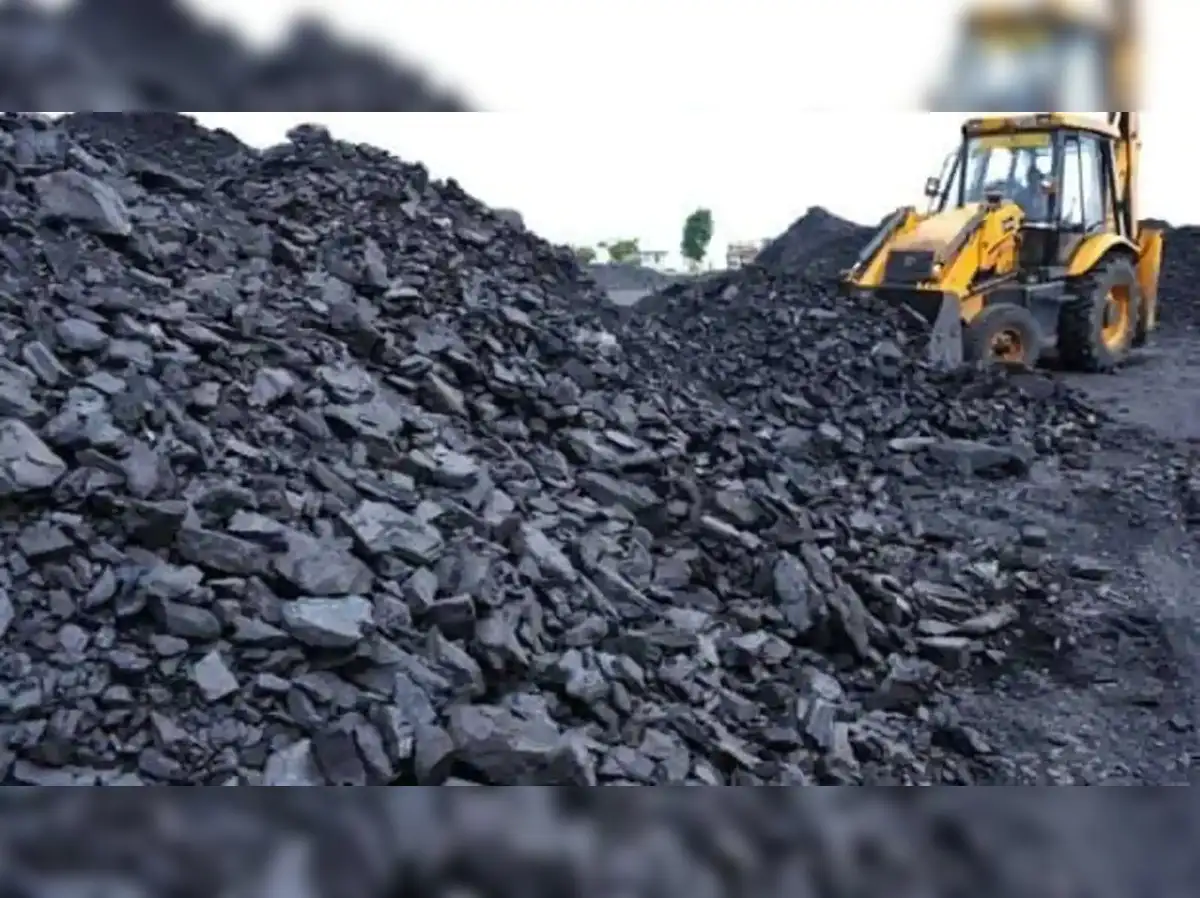
This ban is underpinned by grim data. The “Environmental Pollution (Prevention and Control) Authority” and various studies by TERI and IIT-Kanpur have consistently highlighted diesel vehicles, especially older ones, as disproportionate contributors to Delhi’s PM2.5 and NOx loads. NOx is a key precursor to the deadly winter ozone and secondary particulate matter. By shutting the gate on these vehicles, Delhi is attempting to sever a major artery of pollution inflow.
The Challenges and the Road Ahead
The permanence of these measures is commendable, but implementation remains a Herculean task.
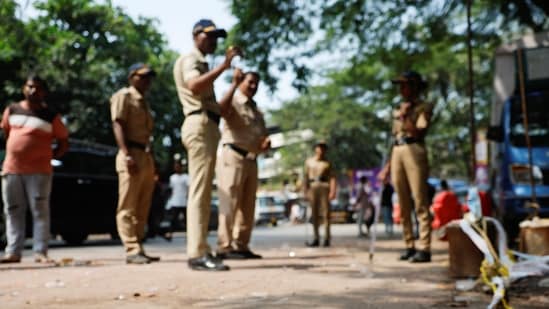
1. Enforcement at Scale: Monitoring every fuel station in Delhi to ensure PUCC compliance requires a massive, consistent surveillance effort. The possibility of corruption and fake certificates is a persistent threat. Robust tech integration, like QR-coded PUCCs linked to centralised databases accessible at fuel pumps, is crucial.
2. Impact on Supply Chains and Commuters: The non-BS6 diesel ban affects thousands of trucks that bring essential goods into Delhi. While alternative routing and the adoption of CNG/electric trucks are the intended outcomes, the transition could cause short-term logistical disruptions and cost increases. There is also the issue of residents in the National Capital Region (NCR) who work in Delhi and may own older diesel vehicles, necessitating better public transport integration.
3. The Electric Vehicle (EV) Imperative: These punitive measures on internal combustion engine (ICE) vehicles must be seamlessly coupled with attractive incentives for electric vehicle adoption. Delhi’s EV policy has been relatively successful, but charging infrastructure needs exponential growth to become a viable, anxiety-free alternative for all.
4. Beyond Vehicles: It is critical to remember that vehicles are not the sole polluters. Permanent industrial controls, managing construction dust, and the perennial issue of stubble burning in neighbouring states require equally resolute, coordinated action. A vehicle-centric policy can only deliver a part of the needed clean-air dividend.
A Paradigm Shift in Policy
The announcement by the Delhi government represents more than just stricter rules; it reflects a paradigm shift. It moves the goalpost from “crisis management” to “structural mitigation.” By making these curbs permanent, it provides certainty to citizens and businesses. Auto manufacturers know the market is now firmly BS6-and-beyond. Logistics companies must invest in cleaner fleets. Car owners understand that vehicle maintenance is non-negotiable.
In conclusion, the permanence of the “No Fuel Without PUCC” rule and the non-BS6 vehicle ban marks Delhi’s commitment to a long, arduous war against vehicular pollution. It is a tough-love approach that prioritises the collective right to clean air over individual convenience. Its success, however, hinges on impeccable execution, technological bolstering, and its integration into a holistic clean air plan that addresses all pollution sources. For the citizens of Delhi, these policies are a promise—a promise that the fight for every breath of clean air is no longer a seasonal whim, but a permanent, unwavering mission. The road to a breathable Delhi is long and complex, but with these pillars in place, the city has at least firmly applied the brakes on one of its biggest polluters.
Discover more from AMERICA NEWS WORLD
Subscribe to get the latest posts sent to your email.

















![Smoke rises after Israeli strikes in Beirut's southern suburbs, on March 2 [Mohamad Azakir/Reuters]](https://america112.com/wp-content/uploads/2026/03/hgh.webp)