By_shalini oraon

Modi in Amman: Digital Infra, Pharma Key as India and Jordan Forge a 21st-Century Partnership
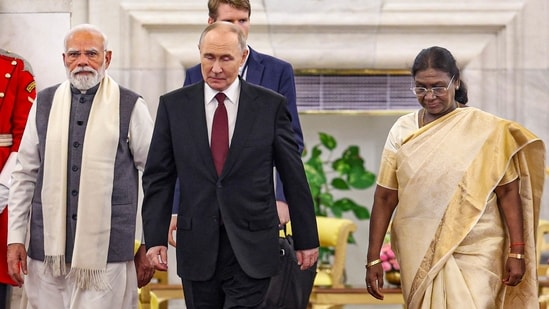
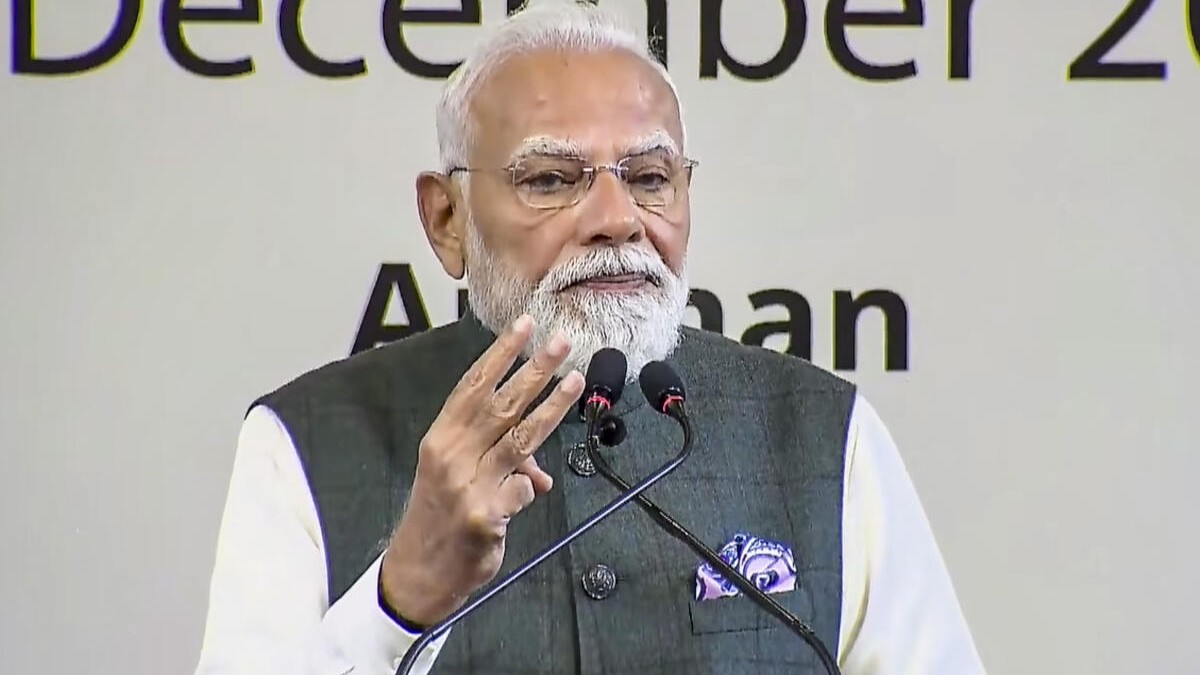
In a significant move to bolster strategic ties with a pivotal West Asian nation, Prime Minister Narendra Modi’s landmark visit to Amman, Jordan, underscored a decisive shift in bilateral relations. While traditional areas of cooperation like defence and energy remain relevant, the summit highlighted two powerful, contemporary pillars for future growth: Digital Infrastructure and Pharmaceuticals. This strategic reorientation positions the India-Jordan partnership not as a relic of historical ties, but as a forward-looking alliance fit for the challenges and opportunities of the 21st century.
Beyond Historical Ties: A Relationship Recalibrated
India and Jordan share warm historical relations, anchored by mutual respect between the Hashemite Kingdom and the world’s largest democracy. Jordan has been a valuable partner in India’s West Asia outreach, offering political stability and a moderate voice in a complex region. However, PM Modi’s visit signalled an intent to move beyond diplomatic cordiality to a more substantive, economically driven partnership. The focus on digital and pharma sectors is a masterstroke, aligning India’s core strengths with Jordan’s strategic needs and aspirations.
Digital Infrastructure: Wiring a New Silk Road
The digital economy emerged as the centrepiece of the enhanced collaboration. This focus operates on multiple, synergistic levels:
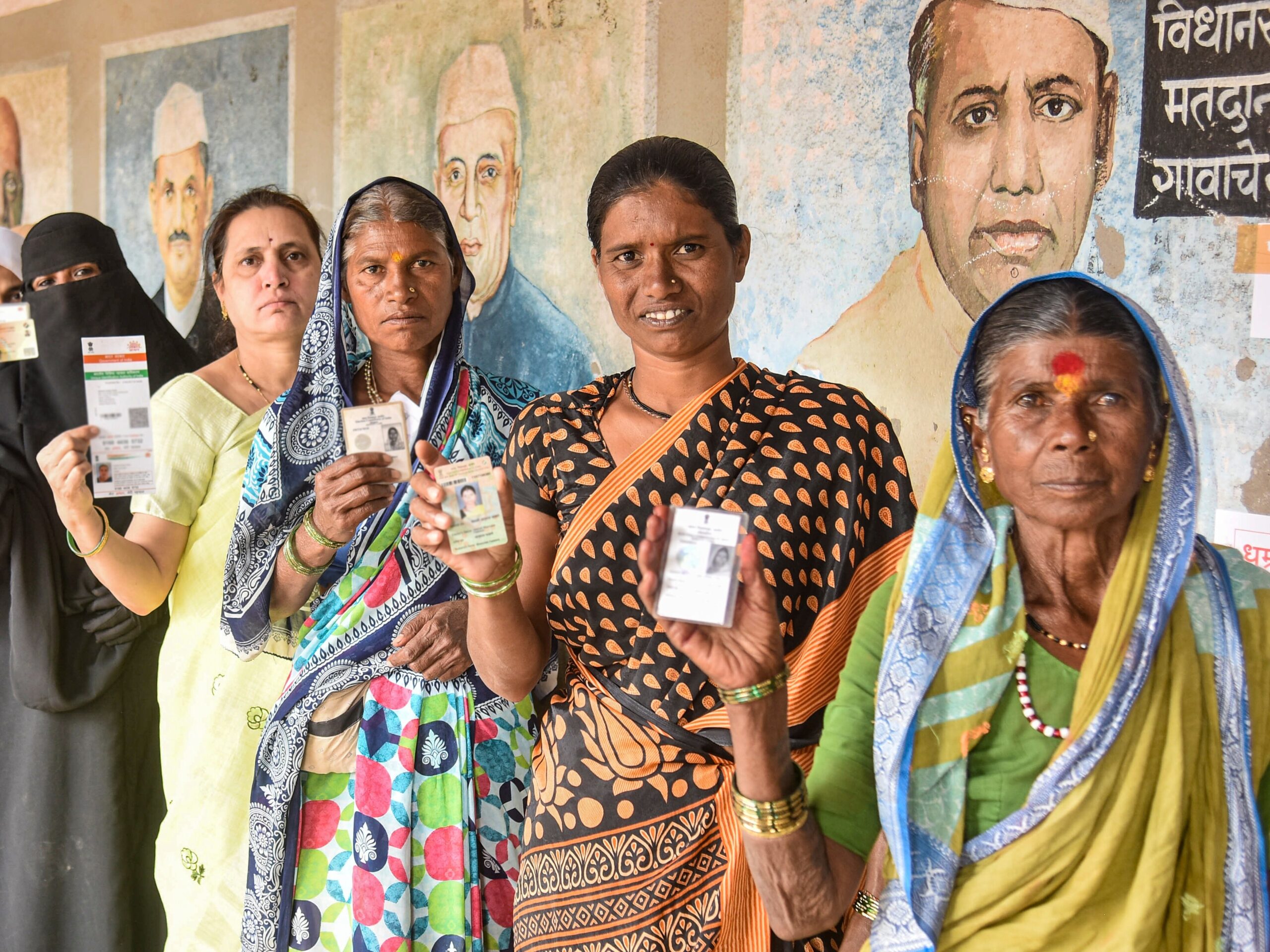
1. Direct Capacity Building: India, with its globally admired digital public infrastructure (DPI) stack—Aadhaar (digital identity), UPI (instant payments), and DigiLocker (digital documents)—is uniquely positioned to assist Jordan in its own digital transformation. Discussions likely centred on knowledge-sharing and technical assistance in building robust, inclusive digital governance frameworks. For Jordan, facing economic challenges and a youthful population, leveraging digital tools for service delivery, financial inclusion, and e-governance is a national priority. India’s proven, scalable models offer a compelling blueprint.
2. Collaboration in IT & Innovation: Jordan boasts a well-educated, tech-savvy populace and a growing reputation as a regional tech hub, often dubbed the “Silicon Valley of the Levant.” Indian IT giants and nimble startups can find a fertile ground for collaboration in Amman and the wider region. Partnerships in software development, cybersecurity, fintech, and e-commerce can create a cross-pollination of ideas and talent. Joint ventures could see Jordan serving as a gateway for Indian tech solutions into the Arab world, while Jordanian innovation finds a massive market in India.
3. Counter-Terrorism & Security: In the shadows of the high-tech discourse lies a critical security application. Both nations are victims of and staunch fighters against terrorism. Enhanced cooperation in digital forensics, cyber-security, and intelligence-sharing using advanced digital tools is a vital, if less publicised, aspect of this pillar. Securing cyberspace is a shared imperative.
Pharmaceuticals: A Partnership for Health Security
The COVID-19 pandemic irrevocably highlighted the strategic importance of reliable pharmaceutical supply chains and domestic manufacturing capacity. Here, the India-Jordan synergy is pronounced:
1. From Supplier to Strategic Partner: India, the “Pharmacy of the World,” has long been a major supplier of generic medicines and vaccines to Jordan and the broader region. The summit aimed to elevate this transaction into a strategic partnership. This involves moving beyond trade to collaborative manufacturing, joint research and development (especially in generics and cost-effective biologics), and technology transfer. Jordan, with its strategic location, can become a hub for Indian pharma companies to manufacture and distribute products across the Middle East and North Africa (MENA).
2. Building Regional Health Resilience: For Jordan, hosting a large refugee population and serving as a regional medical centre, ensuring a stable, affordable supply of medicines is a matter of national and humanitarian security. Deepening ties with India mitigates supply chain risks. Collaborations in vaccine production, as seen with India’s COVAX contributions, can be institutionalised, making Jordan a key node in regional health security architecture.
3. Economic Diversification & Jobs: For both nations, pharma collaboration is an economic win. It helps Jordan diversify its economy, build high-skill sectors, and create jobs. For India, it secures a friendly manufacturing base in a lucrative market, reducing logistical costs and tariffs for regional exports.
The Strategic Underpinnings: Why It Matters
The emphasis on these two sectors is a calculated strategy with deep geopolitical and economic logic:
· Complementary Economies: It leverages what India excels at (IT services, generic pharma, digital innovation) with what Jordan needs (digital transformation, healthcare security, economic diversification) and what Jordan offers (regional access, stability, a skilled Anglophone workforce).
· China Counterbalance: As China’s Belt and Road Initiative (BRI) makes inroads globally, India’s offer of “digital public goods” and transparent, sustainable partnerships presents an alternative model of development cooperation. Jordan, carefully balancing its relationships, benefits from diverse partnerships.
· Stability Through Prosperity: By engaging Jordan in growth-oriented sectors, India contributes to the Kingdom’s economic stability. A stable, prosperous Jordan is a critical anchor for peace in a volatile region, directly aligning with India’s interests in West Asian stability, which impacts its energy security and the welfare of its vast diaspora.
Challenges and the Road Ahead
The vision, while compelling, faces hurdles. Bureaucratic red tape, intellectual property rights nuances in pharma, and competition from other global players in the digital space (like the UAE and Saudi Arabia) will need navigation. Sustained high-level engagement, follow-up meetings by technical experts, and proactive involvement from the private sector are essential to translate MoUs into concrete projects.
Conclusion: A Model for the New Middle East
Prime Minister Modi’s Amman visit did more than strengthen bilateral ties; it proposed a new template for India’s engagement with middle powers in West Asia. By pivoting to the future-focused domains of digital infrastructure and pharmaceuticals, India and Jordan are building a partnership that is less about diplomatic solidarity alone and more about co-creating technological and health sovereignty. This model, based on mutual capacity-building, economic opportunity, and strategic trust, has the potential to make the India-Jordan relationship a defining success story of South-South cooperation in the digital age. It signals that in the modern world, true strategic depth is built not just on old friendships, but on new networks—of data, medicine, and innovation.
Discover more from AMERICA NEWS WORLD
Subscribe to get the latest posts sent to your email.