By_shalini oraon

Lynched, Hung, Burnt: The Gruesome Killing of Dipu Das and Its Diplomatic Reverberations
The brutal murder of Dipu Chandra Das, a 33-year-old man from Bangladesh’s Munshiganj district, is not merely a local crime story. It is a grim episode that has sent shockwaves through Bangladesh, strained diplomatic relations with neighboring India, and exposed the dangerous intersection of vigilante violence, communal suspicion, and cross-border politics in South Asia.
The Horrific Incident
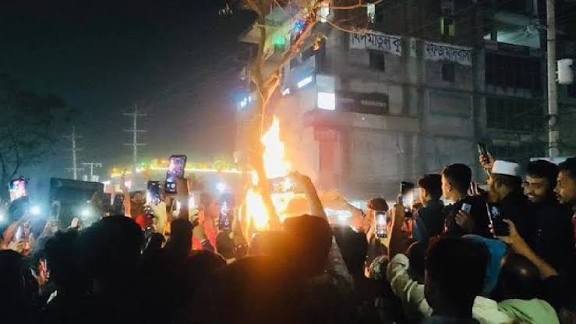
On September 28, 2023, Dipu Das, a father of two, was reportedly lured to India’s Assam state with the promise of work. What transpired next was a scene of medieval brutality. In Assam’s Cachar district, Das was accused by a local mob of being a “cattle thief.” Without any trial or evidence presented to authorities, he was subjected to a horrific lynching. Reports and subsequent investigations detail that he was beaten mercilessly, hung from a tree, and then his body was set on fire. Graphic videos of the atrocity circulated on social media, causing widespread horror.
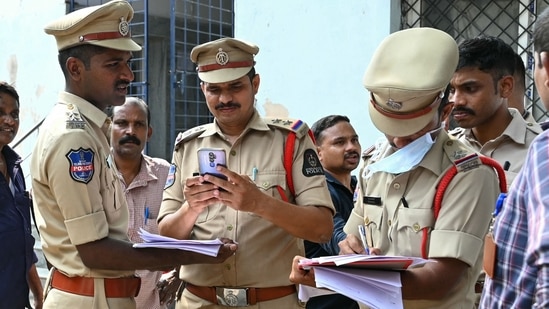
The police later arrested several individuals, but the sheer barbarity of the act—captured and shared for public consumption—triggered immediate and profound outrage.
The Shockwaves in Bangladesh
In Bangladesh, the news was met with a mixture of grief, anger, and national humiliation. Dipu Das was not a faceless statistic; he was a young man seeking economic opportunity, a narrative familiar to millions in a region where cross-border migration for work is common. His gruesome death touched a raw nerve.
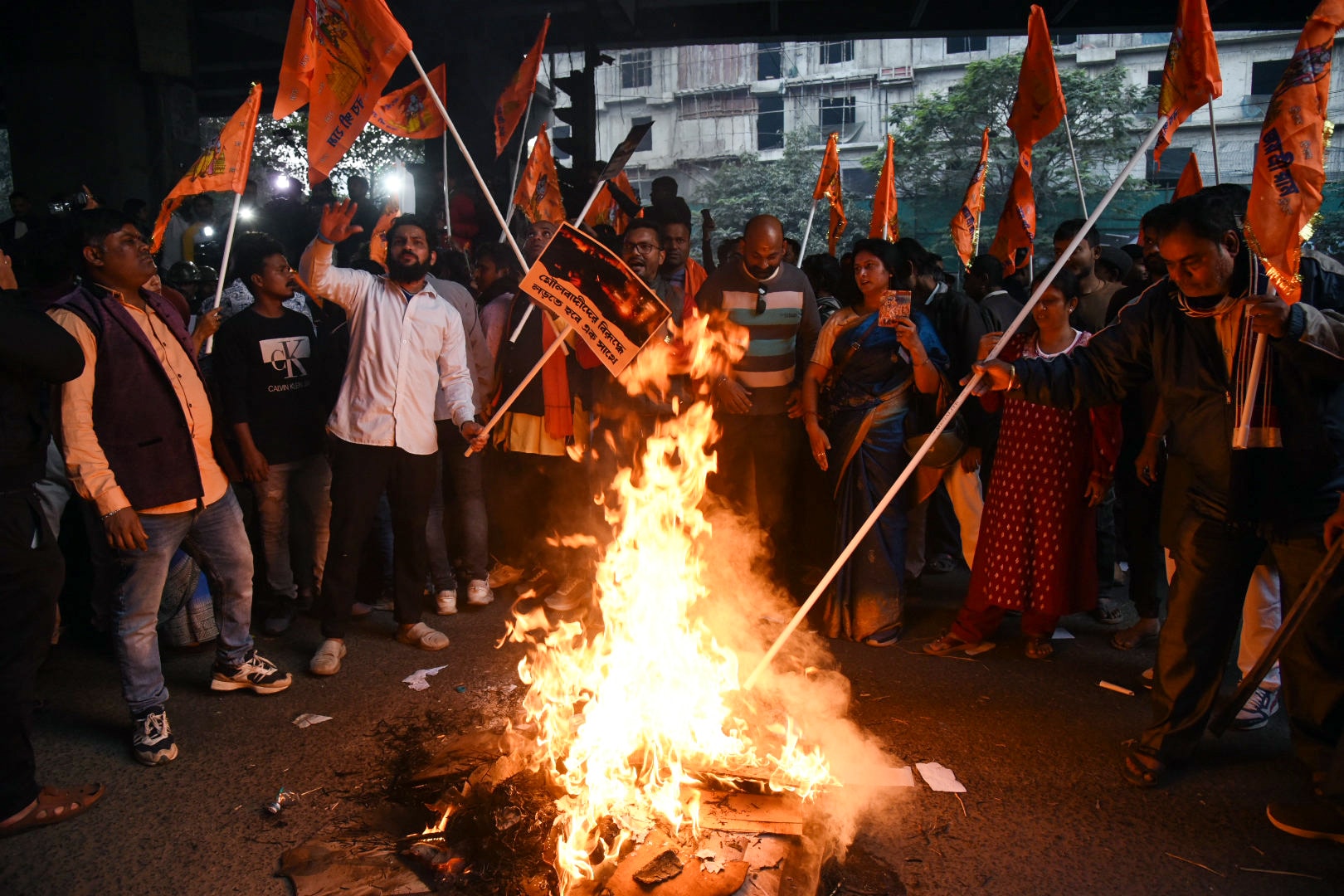
· Public Outrage: The Bangladeshi media gave the story prominent coverage, with editorials condemning the “animalistic” brutality. Human rights organizations and civil society groups held protests and vigils, demanding justice.
· Political Pressure: The Bangladeshi government, already navigating a complex relationship with India, faced significant domestic pressure to respond forcefully. The opposition seized on the issue, framing it as evidence of Indian disregard for Bangladeshi lives.
· A Deep-Seated Wound: The incident tapped into a reservoir of historical grievances among some in Bangladesh regarding the treatment of Bangladeshis in India, ranging from allegations of discrimination to sporadic violence. It was seen not as an isolated crime, but as a symptom of a larger problem of impunity for mob violence in India, particularly in cases where the victims are from minority communities or, in this context, a neighboring country.
The Diplomatic Strain
The incident swiftly escalated from a criminal matter to a diplomatic one.
1. Official Protests: The Bangladesh Ministry of Foreign Affairs summoned the Indian High Commissioner in Dhaka to formally register a strong protest. They demanded a swift investigation, the prosecution of all perpetrators, and enhanced safety for Bangladeshi nationals in India.
2. Testing a “Golden Chapter”: The bilateral relationship, often described by both governments as experiencing a “golden chapter” of cooperation on security, trade, and connectivity, faced an unexpected stress test. While high-level infrastructure and energy projects continued, the human dimension of ties—grounded in people-to-people contact—was severely damaged.
3. The Shadow of “Vigilantism”: For India, the incident was diplomatically embarrassing. It spotlighted the persistent issue of mob lynching, which Indian courts and rights groups have repeatedly condemned. The Indian government assured Bangladesh of a thorough investigation and justice, but the damage to its international image as a democratic rule-of-law state was palpable.
The Larger Context: Mob Violence and the “Other”
The lynching of Dipu Das must be understood within two troubling regional contexts:
· In India: The case fits a pattern of vigilante violence, often linked to cattle protection, where mobs take the law into their own hands. These mobs are frequently fueled by rumors and communal prejudices. The victimization of a Bangladeshi national added a perilous cross-border dimension to this domestic malaise.
· In Bangladesh Politics: The tragedy became fodder for Bangladesh’s contentious domestic politics. It empowered critics of India, who argue that the government in Dhaka is too acquiescent to New Delhi on strategic issues while failing to protect its citizens. This complicates the government’s ability to maintain the historically close ties without appearing insensitive to public sentiment.
The Path Forward: Justice and Healing
For diplomatic ties to heal, several steps are crucial:
· Unambiguous Justice: The Indian judicial process must be seen to be delivering transparent and speedy justice. A lax investigation or a weak prosecution would be interpreted in Bangladesh as state complicity or indifference, causing lasting damage.
· High-Level Reassurance: Continued high-level engagement is necessary to compartmentalize the incident. While acknowledging the gravity of the crime, both sides must work to prevent it from derailing broader strategic and economic cooperation.
· Addressing the Vigilante Culture: Ultimately, preventing such incidents requires India to address the root causes of mob violence more effectively—strengthening policing, expediting trials in lynching cases, and countering the ideology of vigilantism. This is not just a domestic imperative but a regional diplomatic necessity.
Conclusion
The lynching of Dipu Chandra Das is a tragedy that echoes far beyond the village where it occurred. It is a stark reminder that in an interconnected region, domestic failures in law and order can have immediate international consequences. The gruesome videos may fade from social media feeds, but the memory of the event will linger in the bilateral relationship. For the “golden chapter” of India-Bangladesh ties to continue, it must be underwritten not just by trade agreements and border accords, but by a fundamental, demonstrated commitment to the shared humanity and security of every individual—a principle brutally violated on that September day. The path to mending ties now lies squarely on the concrete steps India takes to deliver justice and demonstrate that such barbarity has no place in a modern, democratic society.
Discover more from AMERICA NEWS WORLD
Subscribe to get the latest posts sent to your email.