By_shalini oraon

The Diplomatic Tightrope: Parsing Kremlin’s “Constructive but Uncompromising” Stance on US-Russia Talks
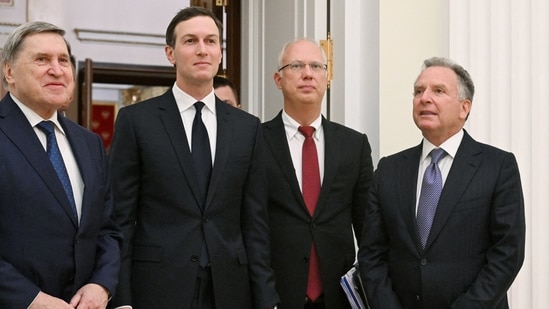
In the high-stakes arena of US-Russia diplomacy, language is a meticulously calibrated instrument. The recent Kremlin characterization of talks between the two powers as “constructive” yet yielding “no compromise reached” is not a contradiction, but a deliberate diplomatic semaphore. This phrase, emerging from the frosty corridors of Moscow’s power centers, offers a nuanced glimpse into the current state of a relationship teetering between Cold War-era confrontation and the bare-minimum dialogue necessary to manage global crises. To understand its full meaning is to understand the deep chasms of mistrust, the red lines drawn in stone, and the fragile threads of communication that the world relies upon to avoid a catastrophic breakdown.
Decoding the Lexicon of Diplomacy
First, one must parse the terminology. In diplomatic parlance, “constructive” is a carefully chosen, positively weighted term, but it is far from “successful” or “breakthrough.” It signifies that the conversation was substantive, professional, and engaged with the core issues at hand. It suggests that positions were clearly articulated and understood, not merely shouted past one another. This is a significant signal in itself, especially following periods where talks have been canceled or described as “disappointing” or “a dead end.” It indicates a mutual, albeit grim, acknowledgment that dialogue remains a necessary tool, particularly on existential matters like nuclear arms control and regional flashpoints like Ukraine and Syria.
The phrase “no compromise reached,” however, is the anchor that drags down any premature optimism. It is a blunt admission of fundamental, irreconcilable differences. It broadcasts to domestic and international audiences that Moscow did not capitulate, did not bend on its core demands, and maintains its maximalist positions. This dual messaging serves multiple audiences: to the West, it says, “We are talking, but do not expect us to fold”; to the Russian public and hardline factions, it asserts strength and resolve, reinforcing the narrative that Russia is a great power that negotiates from principle, not desperation.
The Unyielding Core: Clashing Strategic Visions
The lack of compromise stems from a foundational clash in strategic worldviews. The current crisis constellation—primarily the war in Ukraine—is not an isolated policy dispute but a symptom of this deeper rupture.
· The Russian Position: From the Kremlin’s perspective, negotiations are not about finding a middle ground on Ukraine, but about securing a wholesale revision of the European security architecture. Key, non-negotiable demands have included legally binding guarantees against NATO enlargement (effectively a Russian veto on alliance membership), the removal of NATO forces and infrastructure from post-1997 member states, and a recognition of a Russian sphere of influence over its neighbors. For Moscow, “constructive” talks are those in which the US seriously engages with these demands as a starting point.
· The US/NATO Position: The West categorically rejects these premises as contrary to the fundamental principles of sovereignty and the right of nations to choose their own alliances. The US stance has been to engage in dialogue from a position of supporting Ukrainian sovereignty and territorial integrity. Talks are seen as a means to de-escalate immediate tensions, manage crises like potential nuclear threats or grain shipments, and reiterate the costs of Russian aggression—not to negotiate the security order of Europe at the barrel of a gun.
When these diametrically opposed frameworks collide, “no compromise reached” is the inevitable outcome. The talks become a venue for the articulation of boundaries, the communication of consequences, and the establishment of procedural channels (like de-confliction hotlines) to manage conflict, rather than to resolve it.
The “Constructive” Element: The Value of Managing Catastrophe
So, if compromise is impossible, what makes the talks “constructive”?
1. Risk Mitigation: At a time of heightened nuclear rhetoric, simply maintaining a line of communication on strategic stability is a critical guardrail against miscalculation. Discussions on reviving arms control treaties like New START, even if stalled, are inherently constructive.
2. Clarity and Deterrence: Direct talks allow both sides to convey warnings and intentions without the distortion of intermediaries. This clarity can reinforce deterrence by ensuring that red lines are understood, reducing the chance of accidental escalation.
3. Transactional Progress: Even amid grand strategic deadlock, specific, limited deals can be explored. The now-defunct Black Sea Grain Initiative is a prime example—a working-level compromise on a humanitarian issue achieved despite overarching hostility. Future “constructive” talks may seek similar fragile arrangements on prisoner swaps or nuclear safety around conflict zones like Zaporizhzhia.
4. Keeping the Door Ajar: For the Kremlin, labelling talks as “constructive” preserves a channel it may need in the future. It avoids burning all bridges, leaving a path open for potential negotiations from a position of strength later, or for managing an unforeseen crisis.
The Global Gaze and the Road Ahead
For the international community, particularly allied nations in Europe and the Global South watching nervously, this Kremlin statement is a reality check. It dampens hopes for a near-term diplomatic solution to the war in Ukraine while affirming that the two nuclear superpowers are still at the table. The assessment pushes allies to prepare for a protracted conflict and sustained geopolitical tension.
The road ahead is one of managed confrontation. Future talks will likely follow this same pattern: professional, frank exchanges that lay bare the abyss between the two sides, coupled with a relentless focus on preventing that abyss from engulfing the world in a wider war. The “constructive but no compromise” formula may well become the enduring hallmark of US-Russia relations for years to come—a relationship defined not by partnership or even productive negotiation, but by the grim, essential work of mutual containment and catastrophic risk reduction. In an era of renewed great power rivalry, the absence of new compromises may be the norm, and the simple, continued act of talking may be the most constructive outcome one can realistically expect.
Discover more from AMERICA NEWS WORLD
Subscribe to get the latest posts sent to your email.





![Smoke rises after Israeli strikes in Beirut's southern suburbs, on March 2 [Mohamad Azakir/Reuters]](https://america112.com/wp-content/uploads/2026/03/hgh.webp)