
By_shalini oraon

—
The Captain’s Comeback and the Prodigy’s Patience: Decoding India’s Selection Conundrum
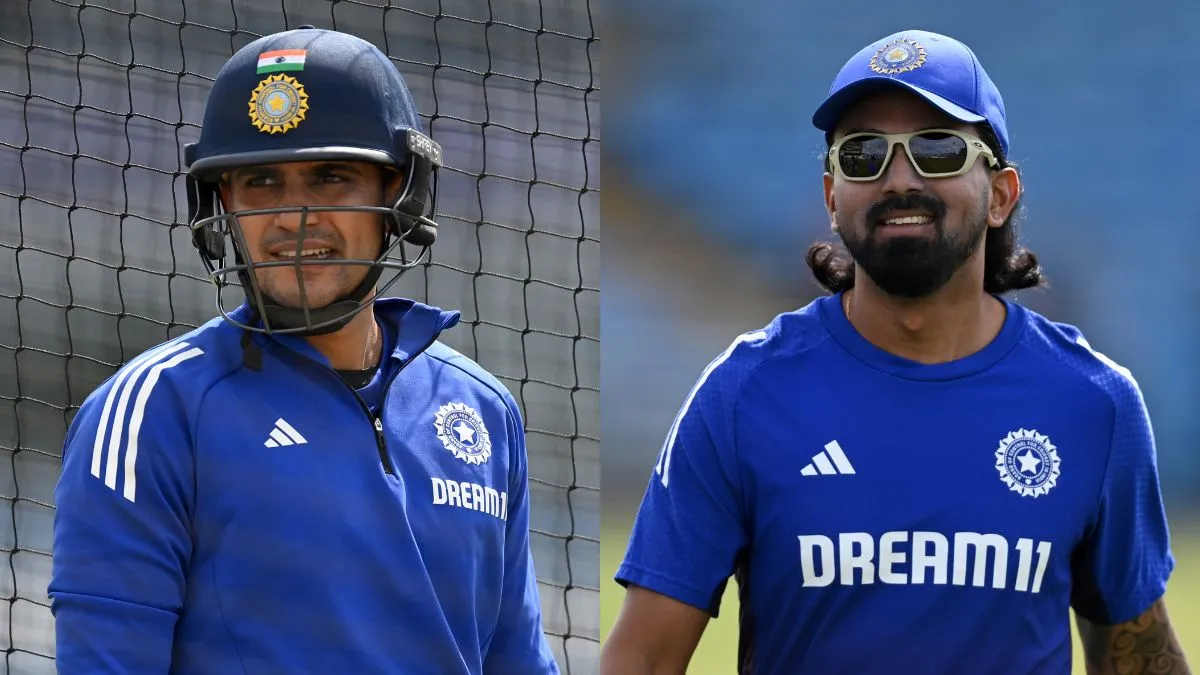
In the meticulously observed ecosystem of Indian cricket, every team selection is a narrative, every omission a subplot, and every captaincy announcement a headline. A recent report, suggesting that K.L. Rahul is poised to lead the Indian team in an upcoming series for the first time in two years, while Shubman Gill is “unlikely to return soon,” provides a rich tapestry of storylines for the discerning fan. This isn’t merely a news update; it’s a window into the strategic thinking of the Ajit Agarkar-led selection committee, reflecting a philosophy that balances proven class against nascent potential, and immediate needs against long-term vision.
The Resurgence of K.L. Rahul: A Testament to Resilience
The potential reinstatement of K.L. Rahul as captain is a narrative steeped in resilience. His last captaincy stint, a 2-1 ODI series loss in South Africa in early 2022, was followed by a tumultuous period marred by a severe loss of form, public scrutiny, and a significant injury that required surgery. For a player often perceived as possessing immense, yet not fully realized, potential, this could have been a career crossroads.
Instead, Rahul has engineered a remarkable comeback. His performance in the recent ODI World Cup, particularly as a wicketkeeper-batter, was crucial. He displayed a temperament and game-awareness that had sometimes been questioned, playing the role of a finisher and stabilizer with equal aplomb. His century against Pakistan in the Asia Cup under immense pressure was a testament to his mental fortitude.
The reported decision to hand him the captaincy again is a multi-faceted signal. Firstly, it is a reward for his perseverance and a validation of his seniority and cricketing intellect. In the absence of established stars like Rohit Sharma, Virat Kohli, and Jasprit Bumrah, who are likely to be rested, Rahul emerges as the most experienced and stable candidate. Secondly, it underscores the selectors’ faith in his utility as a multi-format, multi-role player. As a top-order batter who can keep wickets and now lead, Rahul offers tactical flexibility that is invaluable in modern cricket. This move keeps him firmly in the leadership conversation, potentially as a future vice-captain or even a dark horse for the top job in the post-Rohit Sharma era.
The Shubman Gill Conundrum: A Case for Managed Growth
In stark contrast to Rahul’s impending return is the reported extended break for Shubman Gill. This is perhaps the more intriguing part of the update, given Gill’s status as the undisputed “next big thing” in Indian cricket. After a spectacular 2023, where he was the leading run-scorer in ODIs and lit up the IPL, a dip in form was almost statistically inevitable. The recent Test series against England exposed certain technical frailties against the moving ball, and he has looked less invincible than he did a year ago.
The selectors’ apparent decision to not rush him back is a masterstroke in modern player management. In previous eras, a player of Gill’s calibre would have been thrust back into the fray, expected to play his way back into form. The current philosophy, however, seems to prioritize mental and physical freshness. A prolonged period away from the intense spotlight can allow Gill to reset, work on the technical nuances flagged by the coaching staff, and return hungrier and more equipped.
This approach also protects him from the potential burden of premature leadership. While Gill has captained at the IPL level, handing him the national captaincy during a lean patch could have added unnecessary pressure. Letting him focus solely on reclaiming his mantle as India’s premier batter is a prudent, long-term investment. The message is clear: Gill is a cornerstone of India’s future, and his development will be managed with care, not expediency.
The Agarkar Update: A Glimpse into a Pragmatic Selection Philosophy
The report that “Agarkar gets update” is a succinct way of saying that the chief selector and the team management are in lockstep. This synchronicity is crucial for a coherent national team strategy. Under Agarkar, the selection committee has shown a distinct preference for clarity and transparency, moving away from the often-opaque decision-making of the past.
This particular update on Rahul and Gill reflects a pragmatic, scenario-based approach. The team for the upcoming series is likely a blend of experienced World Cup squad members and fringe players pushing for a spot. In such a setup, a calm and experienced head like Rahul’s at the helm is ideal. He can guide young talents while simultaneously using the opportunity to solidify his own place across formats. Agarkar’s committee is demonstrating that selection is not just about picking the best eleven players, but about constructing the right team for the right occasion, with the right leader.
The Bigger Picture: Workload Management and the Road Ahead
These decisions are inextricably linked to the broader theme of workload management in a congested international calendar. With the T20 World Cup looming in June, the management of key players is paramount. Resting stalwarts like Bumrah and Rohit for lesser-profile series is a non-negotiable part of preserving their peak fitness for global tournaments.
Similarly, managing Gill’s schedule prevents burnout in a young player destined for a heavy workload across all three formats for the next decade. The decision to back Rahul also provides the team with a reliable leadership deputy, a crucial component in an era where captains are frequently rotated.
In conclusion, the reported developments are more than just team news; they are a statement of intent from the Indian cricket establishment. The faith in K.L. Rahul’s comeback story celebrates resilience and experience, reinforcing the value of a battle-hardened cricketer. The cautious handling of Shubman Gill underscores a mature, forward-thinking approach to talent management, prioritizing a decade of dominance over a fleeting comeback.
For the fans, it offers a compelling narrative: the return of a refined leader, the patient nurturing of a generational talent, and the reassuring sight of a selection committee working with a clear, pragmatic vision. As the Indian team continues its transition across formats, these nuanced decisions will define its success, proving that in the high-stakes game of international cricket, sometimes the most strategic moves are the ones made off the field.
Discover more from AMERICA NEWS WORLD
Subscribe to get the latest posts sent to your email.








**, we dive into this remarkable story that’s buzzing across the cricket world.](https://america112.com/wp-content/uploads/2025/07/Wiaan-Mulder-photo.jpg)


