Breaking News | America News World | March 1, 2026
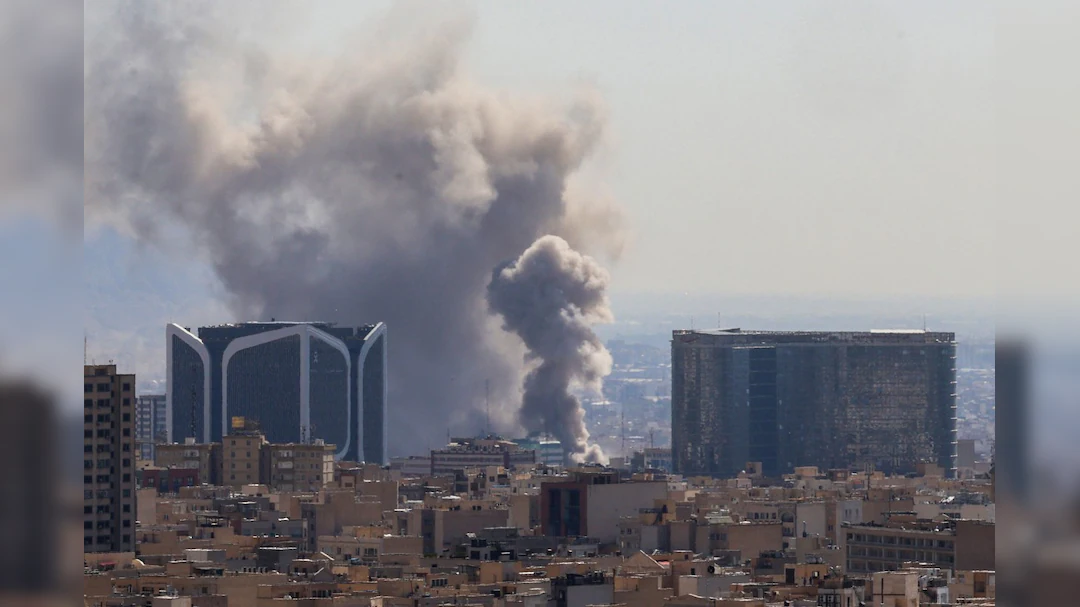
In a historic and seismic shift in Middle East geopolitics, the United States and Israel launched coordinated military strikes against Iran on Saturday, February 28, 2026 — killing Iran’s Supreme Leader Ayatollah Ali Khamenei and triggering a sweeping regional crisis that has sent shockwaves across the globe.
What Happened: US-Israel Joint Strike on Iran

The joint military operation, codenamed Operation Epic Fury by the United States and Operation Roaring Lion by Israel, commenced in the early hours of Saturday morning. Approximately 200 Israeli Air Force fighter jets struck over 500 targets across western and central Iran, dropping hundreds of munitions targeting missile launchers, air defense systems, and senior military leadership.
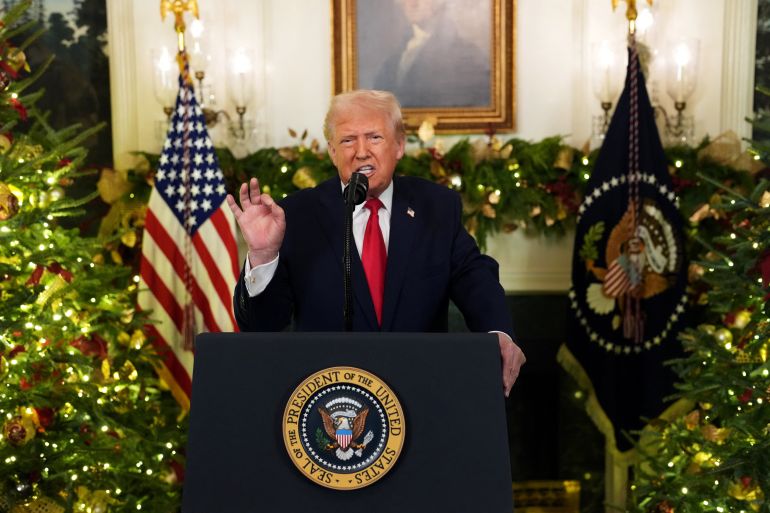
US Secretary of Defense Pete Hegseth confirmed that the operation was ordered by President Donald Trump and described it as “the most lethal, most complex, and most-precision aerial operation in history.” The strikes were aimed at eliminating Iran’s nuclear program, ballistic missile infrastructure, and key military leadership.
Ayatollah Ali Khamenei, 86, who had led the Islamic Republic since 1989, was killed at his Tehran compound alongside 40 senior commanders in the opening salvo of the operation. Israel’s military spokesman stated the strike took place “in one minute, in two different locations, over a thousand miles from Israel in broad daylight.”

Iran Retaliates: Missiles Strike Across the Gulf
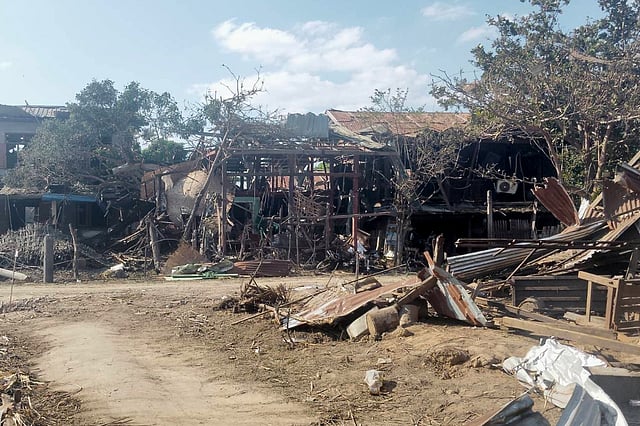
Iran responded swiftly and aggressively. The Islamic Revolutionary Guard Corps (IRGC) launched waves of ballistic missiles and drones targeting US military bases in Bahrain, Kuwait, and Qatar, as well as civilian and commercial infrastructure across Gulf states including the UAE, Saudi Arabia, and Jordan.
Dubai’s iconic landmarks — the Burj Khalifa, the Palm Jumeirah, and Jebel Ali Port — came under threat as Iran fired 137 missiles and 209 drones at UAE territory alone. Dubai International Airport, the world’s busiest international airport, was forced to suspend all flight operations. Iran also struck an oil tanker in the Strait of Hormuz, with 15 Indian crew members on board.
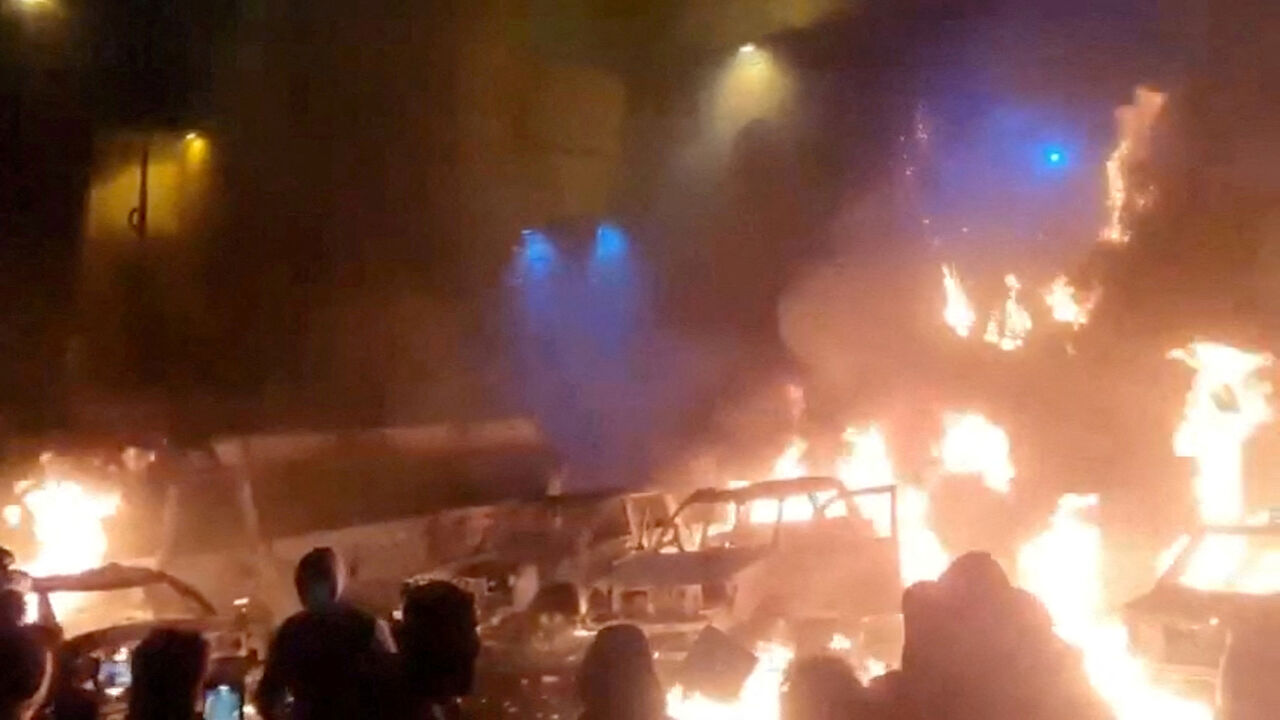
By Sunday morning, a second wave of explosions rocked Dubai, Doha, and Manama. The UAE successfully intercepted most incoming projectiles, though one person was killed from falling shrapnel in Abu Dhabi.
World Leaders React to the Iran Crisis
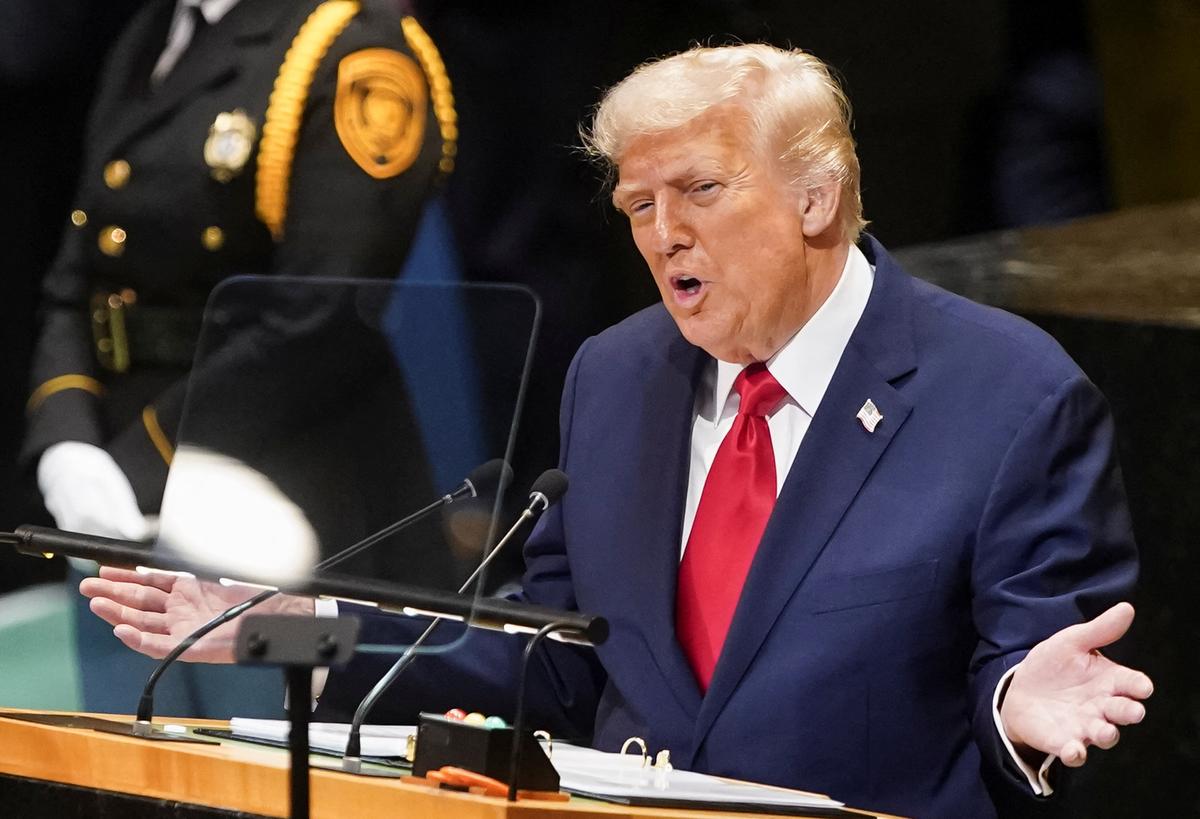
The global response was swift and divided. President Donald Trump declared Khamenei “one of the most evil people in History” and warned Iran against further escalation, threatening to hit Iran “with a force never seen before.” He also said “talks with Iran are now much easier.”
Israel’s Defense Minister Israel Katz declared “justice has been served,” while Israel’s president expressed hope for “a new era for the Middle East.”
read mere-Pakistan Bombs Kabul: Taliban Says Ready to Talk as “Open War” Breaks Out
read more-Dubai’s Burj Khalifa Hit By Iran Missile? Video Shows Explosion Near World’s Tallest Building
Iran’s President Masoud Pezeshkian called the killing of Khamenei “a declaration of war against Muslims” and vowed that avenging the Supreme Leader’s death was Iran’s “legitimate duty and right.” Iran’s security chief Ali Larijani threatened strikes “never experienced before.”
Western allies were more cautious. France said it was “satisfied” with Khamenei’s death but was not involved in the strikes. Pope Leo XIV appealed for an immediate end to the “spiral of violence,” urging diplomacy. Russia condemned the strikes as “a pre-planned and unprovoked act of armed aggression,” while China also strongly condemned Khamenei’s killing.
Humanitarian and Regional Fallout
The strikes have already created a humanitarian crisis. At least 85 people were killed when Israeli strikes hit a girls’ school in southern Iran. Thousands of travelers were stranded at airports across India and Europe as airlines cancelled flights due to closed Middle Eastern airspace.
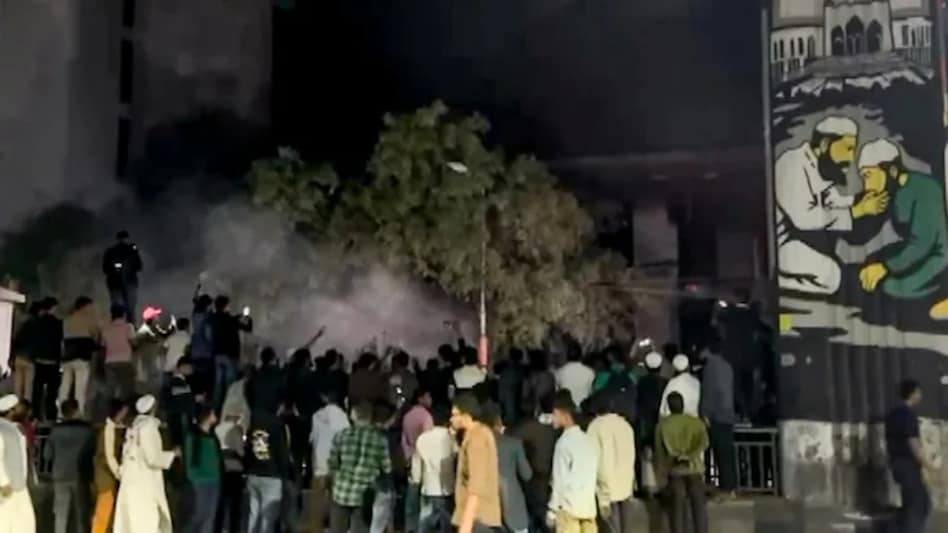
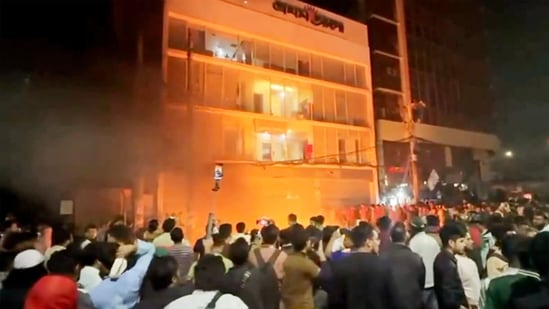
In Pakistan, deadly protests erupted at the US Consulate in Karachi, killing at least nine people. Hundreds of Iraqis attempted to storm the US Embassy’s Green Zone in Baghdad. Protests also erupted in Srinagar, India, and across multiple countries.
What Comes Next for Iran?
Iran’s security chief announced the formation of an interim leadership council — comprising the President, the head of the judiciary, and a Guardian Council jurist — to guide the country through the transition following Khamenei’s death. Khamenei’s second son, Mojtaba Khamenei, is widely seen as a potential successor.
The UN nuclear agency (IAEA) called an emergency meeting for Monday, while the United Nations Secretary-General urged an “immediate end to hostilities.”
The killing of Ayatollah Ali Khamenei marks one of the most consequential events in modern Middle Eastern history — one that will reshape the region’s balance of power, global energy markets, and the future of Iran’s nuclear ambitions for decades to come.
Discover more from AMERICA NEWS WORLD
Subscribe to get the latest posts sent to your email.