By Atish Oraon | America News World
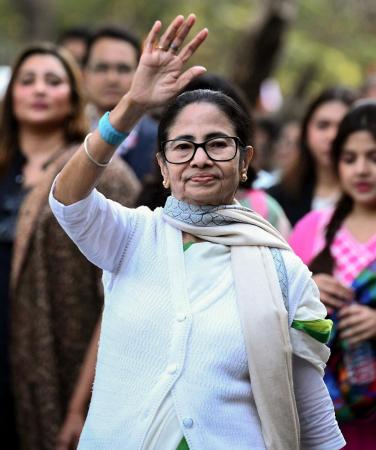
RANCHI, INDIA – In a significant move aimed at boosting women’s economic independence, the state government of Jharkhand, India, has announced a new low-value loan program exclusively for women. The initiative, unveiled on Saturday, February 7, 2026, will provide loans of 20,000 Indian Rupees (approximately $240 USD) to women already benefiting from a state welfare scheme.

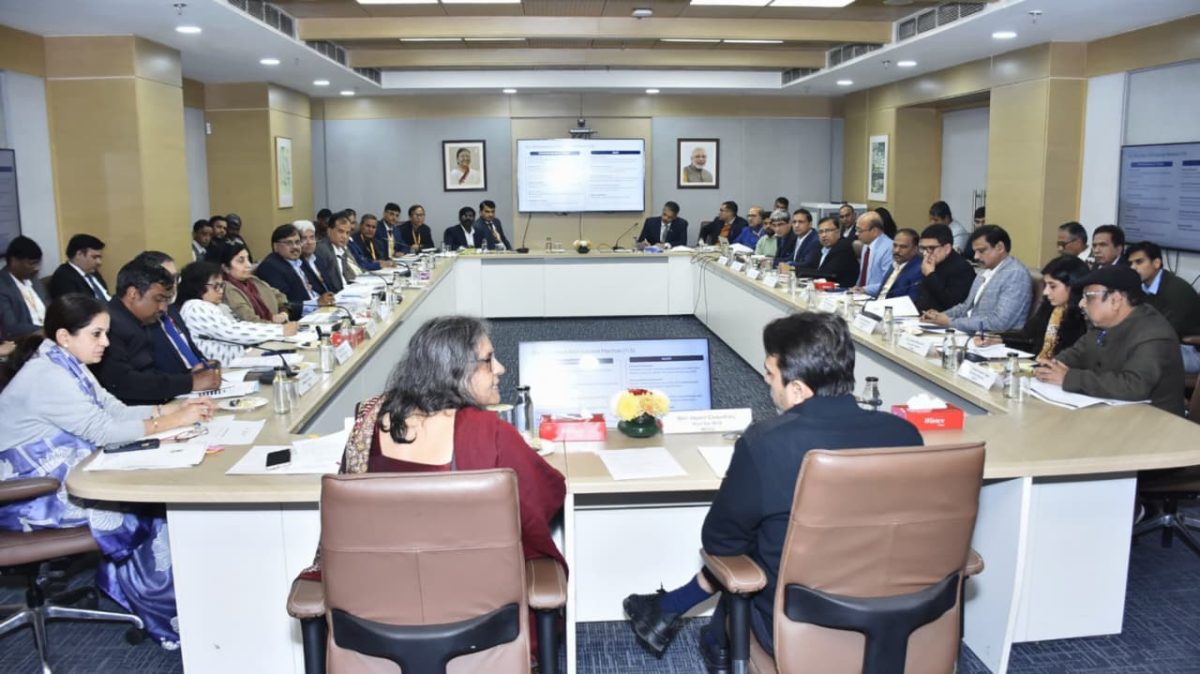
The decision was finalized during a meeting of the State Bankers’ Committee, a key forum that includes government officials and major financial institutions. The scheme, presented by Jharkhand’s Finance Minister, Radhakrishna Kishore, is designed to transform existing social welfare support into a springboard for entrepreneurship and self-sufficiency.
Building on a Foundation of Support
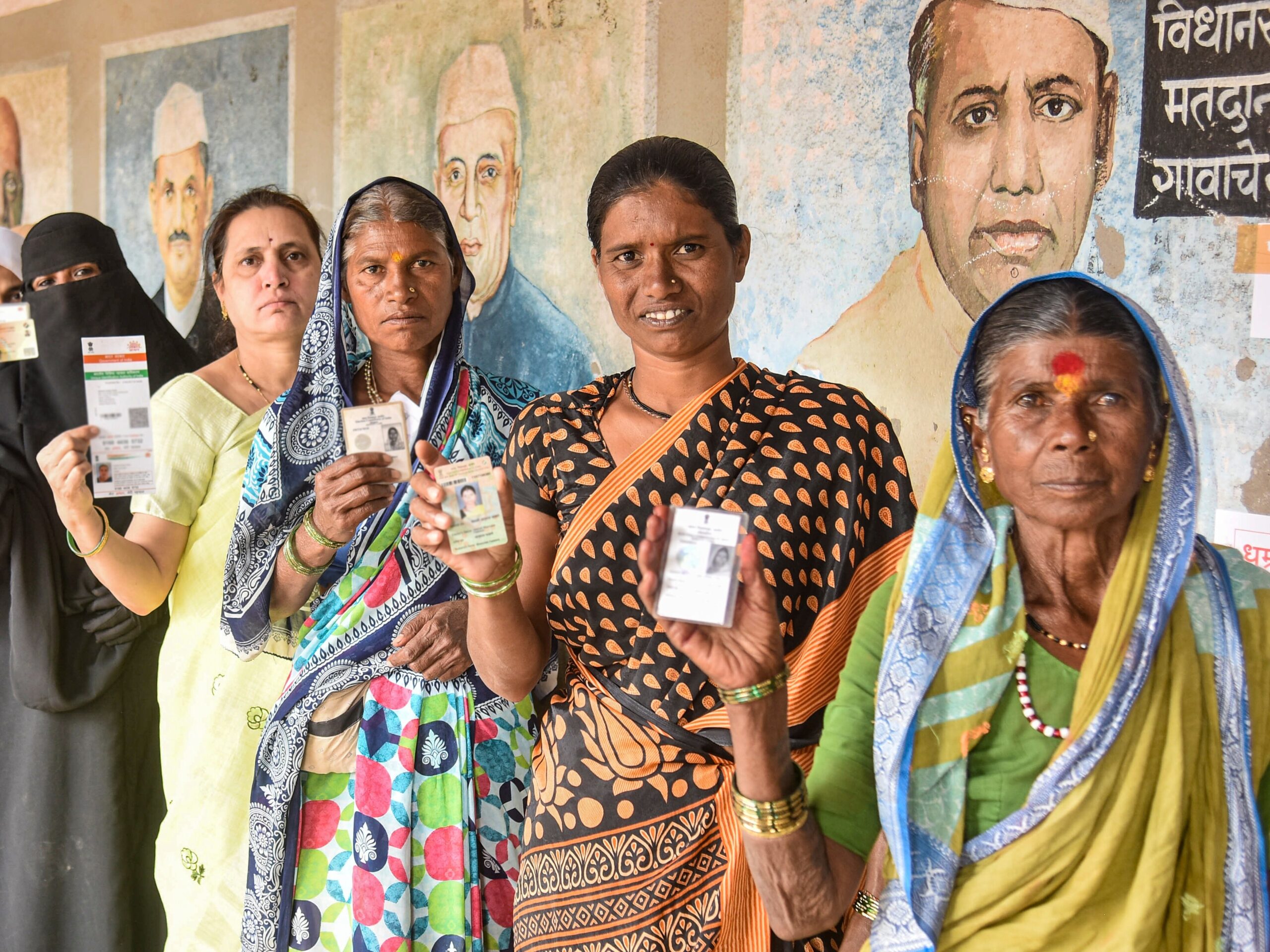
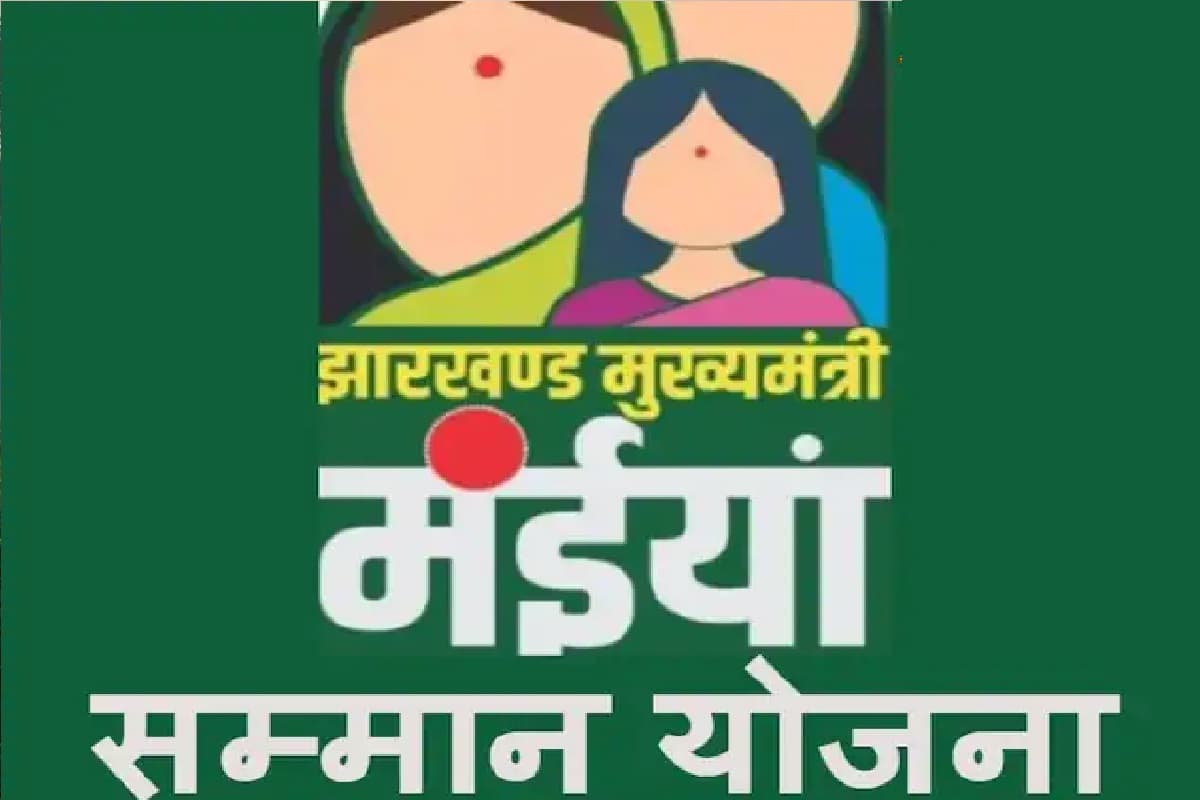
The new loan program is an extension of the existing Maiya Samman Yojana. Maiya, meaning “mother” in local languages, is an honorific term reflecting the scheme’s target demographic. This foundational program provides eligible women with a direct benefit transfer of 2,500 Rupees (about $30 USD) per month as a form of basic income support.
The latest decision leverages this existing framework. Now, women who are verified beneficiaries of the monthly stipend will also be eligible to apply for a one-time loan of 20,000 Rupees through partnering banks. This linkage is strategic; it uses the government’s existing database to identify credible beneficiaries and adds a productive, income-generating component to the financial aid they already receive.
A Meeting of Minds: Government and Banking Sector Collaborate
The high-level meeting that approved the scheme saw participation from crucial financial bodies, including representatives from the Reserve Bank of India (RBI) – the country’s central bank – and NABARD, the National Bank for Agriculture and Rural Development. Officials from major commercial banks operating in Jharkhand were also present.
Critically, these banks have agreed “in principle” to cooperate in implementing the loan scheme. This partnership between the state government and the banking sector is vital for the program’s reach and success, ensuring that financial services are delivered directly to women in urban and rural areas alike.
Fuelling Small Dreams and Big Changes
The government has outlined that the loan amount is intended to “start or expand small income-generating activities.” The focus is firmly on micro-enterprises that are scalable and suited to local markets. Examples provided include:
· Tailoring and embroidery units
· Small home-based manufacturing, like making incense sticks or papad (traditional Indian crisps)
· Running petty shops or small retail outlets
· Other micro-enterprises in food processing, handicrafts, or animal husbandry
The loan is not meant for consumption but for investment in tools, raw materials, or basic infrastructure that can help a woman establish or grow her own business. The vision is to create a sustainable cycle where welfare support is gradually replaced or supplemented by self-earned income.
A “Historic Step” for Women’s Empowerment
The government, led by Chief Minister Hemant Soren, has hailed the initiative as a “historic step.” Officials state that the goal is to move beyond viewing women merely as recipients of aid and to actively integrate them into the state’s economic framework as entrepreneurs and job creators.
Jharkhand, a state rich in minerals but facing developmental challenges, has a significant population living in rural areas where economic opportunities can be scarce, especially for women. By providing this seed capital, the government aims to unlock the entrepreneurial potential at the grassroots level, strengthen household livelihoods, and foster a culture of self-reliance among women.
The Broader Context: Women’s Empowerment in India
This scheme is part of a larger national trend in India focused on women-led development. From microfinance institutions to federal government programs, there is a growing emphasis on providing women with financial tools and capital. The philosophy is rooted in evidence that empowering women economically leads to broader social benefits, including improved education for children, better family health, and more resilient communities.
For an international audience, understanding this program requires seeing it as a hybrid model. It combines a social safety net (the monthly stipend) with a classic micro-credit loan, administered through formal banking channels rather than informal money-lenders, which often charge exorbitant interest rates.
Potential Impact and the Road Ahead
The immediate impact of the scheme is expected to be the creation of thousands of micro-enterprises across Jharkhand. If successful, it could increase household incomes, reduce financial stress, and give women greater decision-making power within their families and communities.
However, the success of such programs often hinges on execution. Key challenges will include:
· Awareness and Accessibility: Ensuring that women in remote villages are aware of the loan and can easily apply.
· Training and Support: Providing basic business mentorship or skill training alongside the loan to improve the chances of enterprise success.
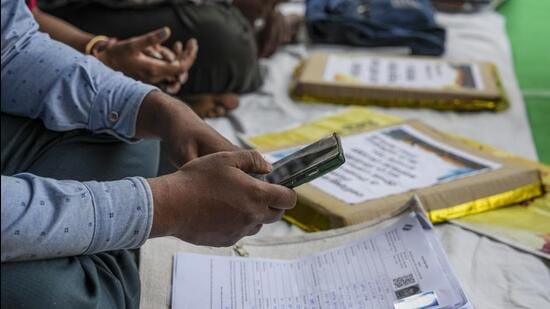
· Streamlined Processes: Making the bank loan application simple and hassle-free for first-time borrowers with limited financial documentation.
The involvement of RBI and NABARD is a positive sign, as these institutions can help design borrower-friendly terms, potentially including low interest rates or flexible repayment schedules aligned with the cash flow of small businesses.
The Jharkhand government’s announcement of a 20,000 Rupee loan for women under the Maiya Samman Yojana represents a proactive attempt to bridge the gap between social welfare and economic entrepreneurship. By targeting women who are already part of a support system, the state is taking a calculated step toward transforming financial dependence into productive independence.
As banks now work to roll out the scheme on the ground, it will be a case study in how targeted financial inclusion policies can attempt to reshape local economies from the bottom up, with women leading the charge. For observers of global development and women’s issues, Jharkhand’s initiative is a notable example of policy innovation at the state level in the world’s largest democracy.
Discover more from AMERICA NEWS WORLD
Subscribe to get the latest posts sent to your email.