By atish oraon|America News World Staff
January 22, 2026
Japan has halted operations at the world’s largest nuclear power plant just hours after restarting one of its reactors. The plant, known as Kashiwazaki-Kariwa, is located northwest of Tokyo in Niigata Prefecture. It is operated by Tokyo Electric Power Company (TEPCO).

On January 21, 2026, TEPCO successfully initiated the restart of reactor number 6. This marked the first time a TEPCO reactor had become operational since the devastating Fukushima disaster in 2011. The restart occurred in the evening, following a one-day delay caused by an earlier alarm issue that was resolved.
However, early on January 22, an alarm sounded again during the startup procedures. The problem involved the control rods, which are essential components used to regulate the nuclear chain reaction by absorbing neutrons. TEPCO immediately suspended the withdrawal of these rods and halted the process.
A TEPCO spokesperson confirmed that the reactor remains stable. There has been no release of radiation outside the facility, and no impact on the environment or public health has been reported. The company is currently investigating the cause of the malfunction and has not announced a timeline for resuming operations.
The Kashiwazaki-Kariwa plant holds the record for the highest installed capacity of any nuclear facility worldwide when fully operational, with seven reactors capable of generating substantial electricity. Reactor number 6 alone can produce enough power to supply over one million homes.

This incident occurs against the backdrop of Japan’s complex relationship with nuclear energy. Before 2011, nuclear power provided nearly 30 percent of the country’s electricity, with plans to increase that to 50 percent by 2030. Japan was an early leader in adopting nuclear technology for peaceful purposes.
Everything changed on March 11, 2011. A massive 9.0 magnitude earthquake struck off the coast, triggering a powerful tsunami. The waves overwhelmed the Fukushima Daiichi plant, also operated by TEPCO. Backup power systems failed, leading to meltdowns in three reactors. Radioactive material leaked into the air and sea.
More than 150,000 people were forced to evacuate their homes. Many areas remain uninhabitable today, even though officials say radiation levels are now safe in some places. The disaster caused widespread fear of nuclear power and led Japan to shut down all 54 of its reactors for safety reviews.
In the years since, Japan has worked to restart some plants as part of its commitment to reach net zero carbon emissions by 2050. Nuclear energy produces no greenhouse gases during operation, making it a key option for reducing reliance on fossil fuels like coal and natural gas. To date, 15 out of 33 operable reactors have been brought back online.
The Kashiwazaki-Kariwa restart was seen as a major step forward. It is the first TEPCO plant to resume operations post-Fukushima. Commercial power generation from reactor 6 was expected by the end of February 2026. Plans for reactor 7 aim for 2030, while the remaining five units may be decommissioned permanently.

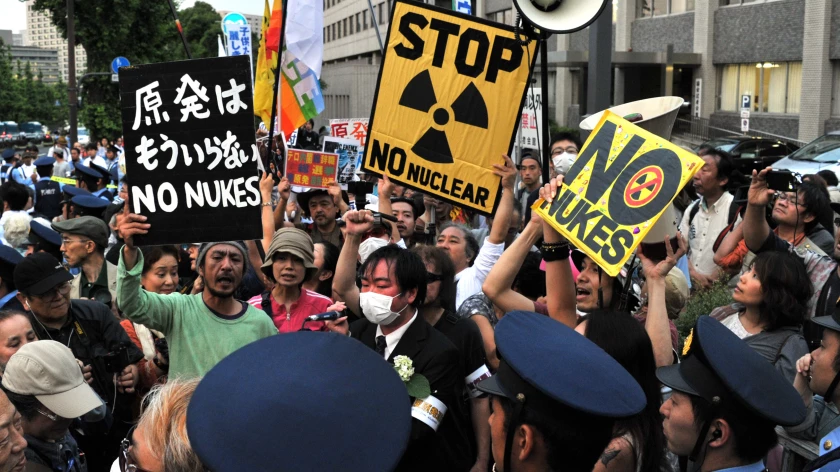
However, the decision to restart has faced strong opposition. Local residents worry about safety in a country prone to earthquakes and tsunamis. Protests have occurred regularly, including gatherings outside TEPCO headquarters and government offices in Niigata.
Critics point to past issues at the plant, including security lapses and data problems in the industry. TEPCO has invested heavily in upgrades, such as taller seawalls, better flood protection, and improved emergency systems. Regulators approved the restart after extensive checks.
This latest suspension raises fresh questions about reliability and public trust. For Americans reading this, it may recall debates over nuclear power in the United States. Nuclear plants provide about 20 percent of U.S. electricity, the largest source of clean energy. Recent projects, like new reactors at Vogtle in Georgia, show continued investment despite high costs.
The U.S. has stricter seismic standards in some areas and focuses on advanced reactor designs for better safety. Events like Japan’s highlight the need for vigilance. While nuclear offers steady, low-carbon power to combat climate change, accidents can have long-lasting effects.
Japan’s government supports more nuclear use for energy security, especially after global disruptions from events like the Russia-Ukraine conflict raised fuel prices. Renewables like solar and wind are growing, but they cannot yet provide constant power.
As TEPCO investigates, the world watches. This small glitch, with no harm done, serves as a reminder that nuclear technology demands perfect caution. Rebuilding trust after Fukushima will take time, but Japan sees nuclear as vital for a green future.
Other reactors in Japan continue operating safely. The country balances energy needs, climate goals, and public concerns.
For the United States, lessons from abroad inform policy. Nuclear remains a tool against climate change, but safety must always come first.
Discover more from AMERICA NEWS WORLD
Subscribe to get the latest posts sent to your email.