By Andrew Rose | America News World | March 8, 2026
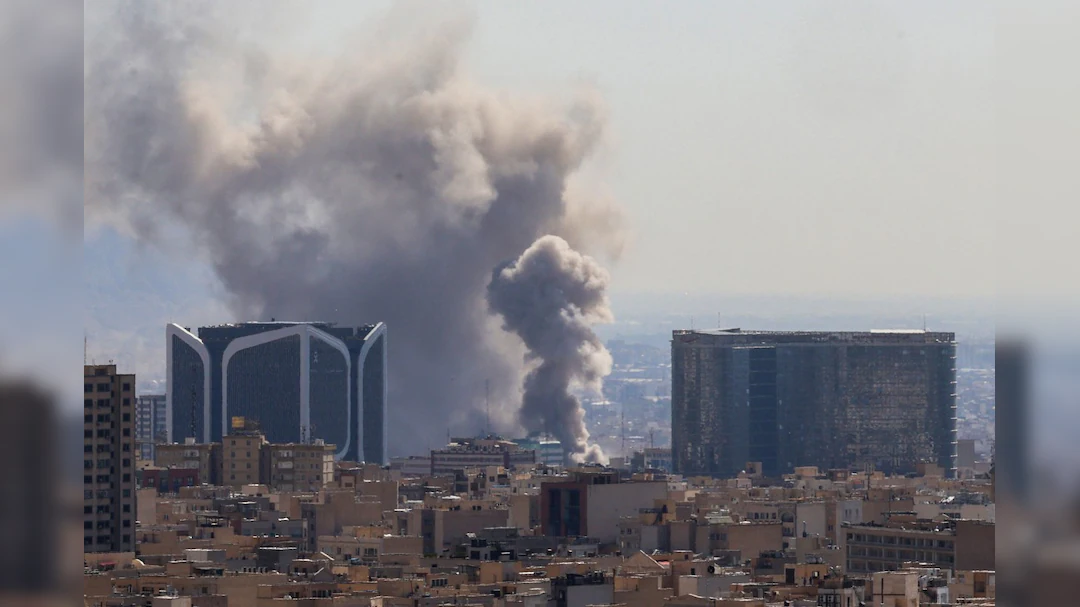
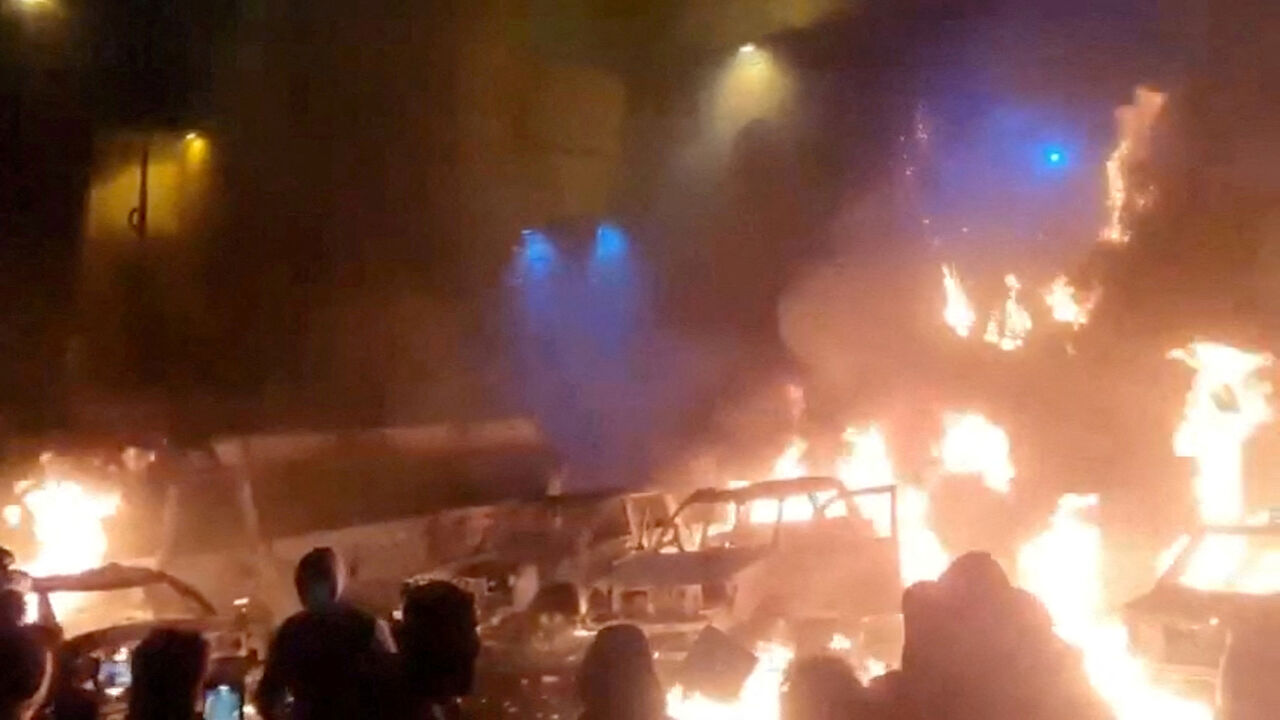
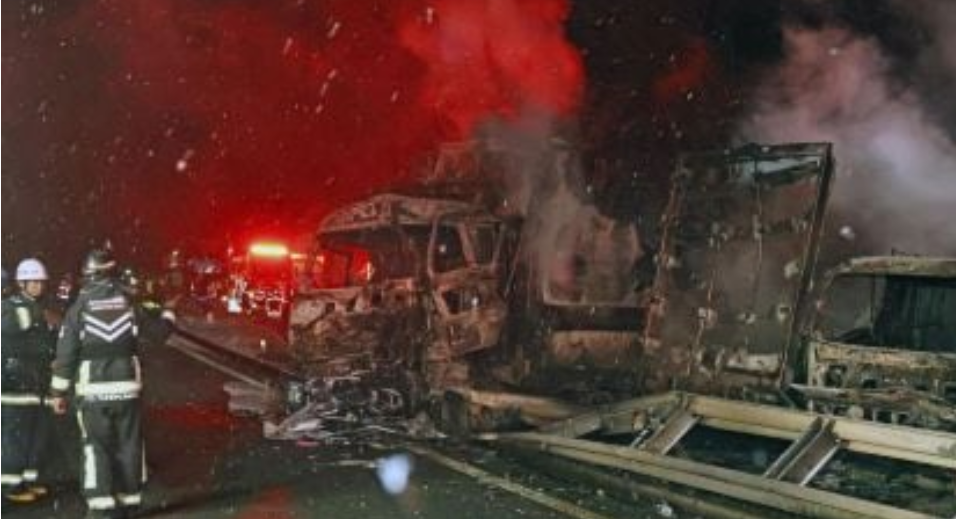
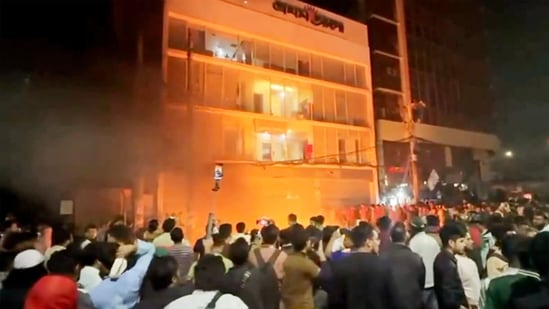
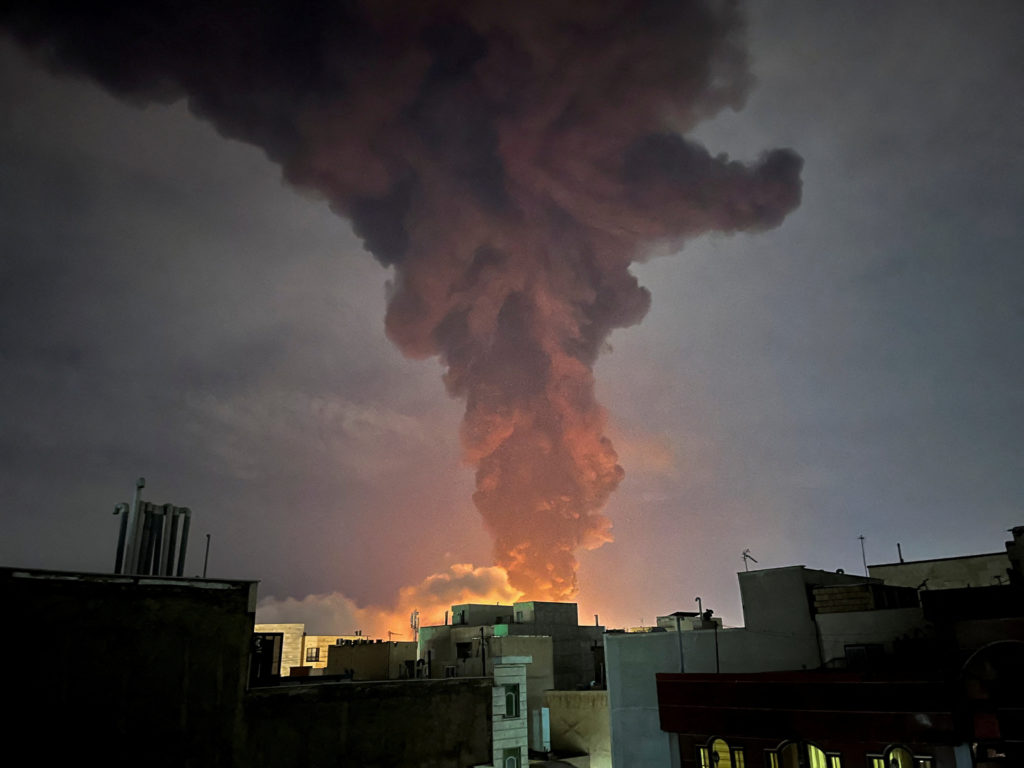
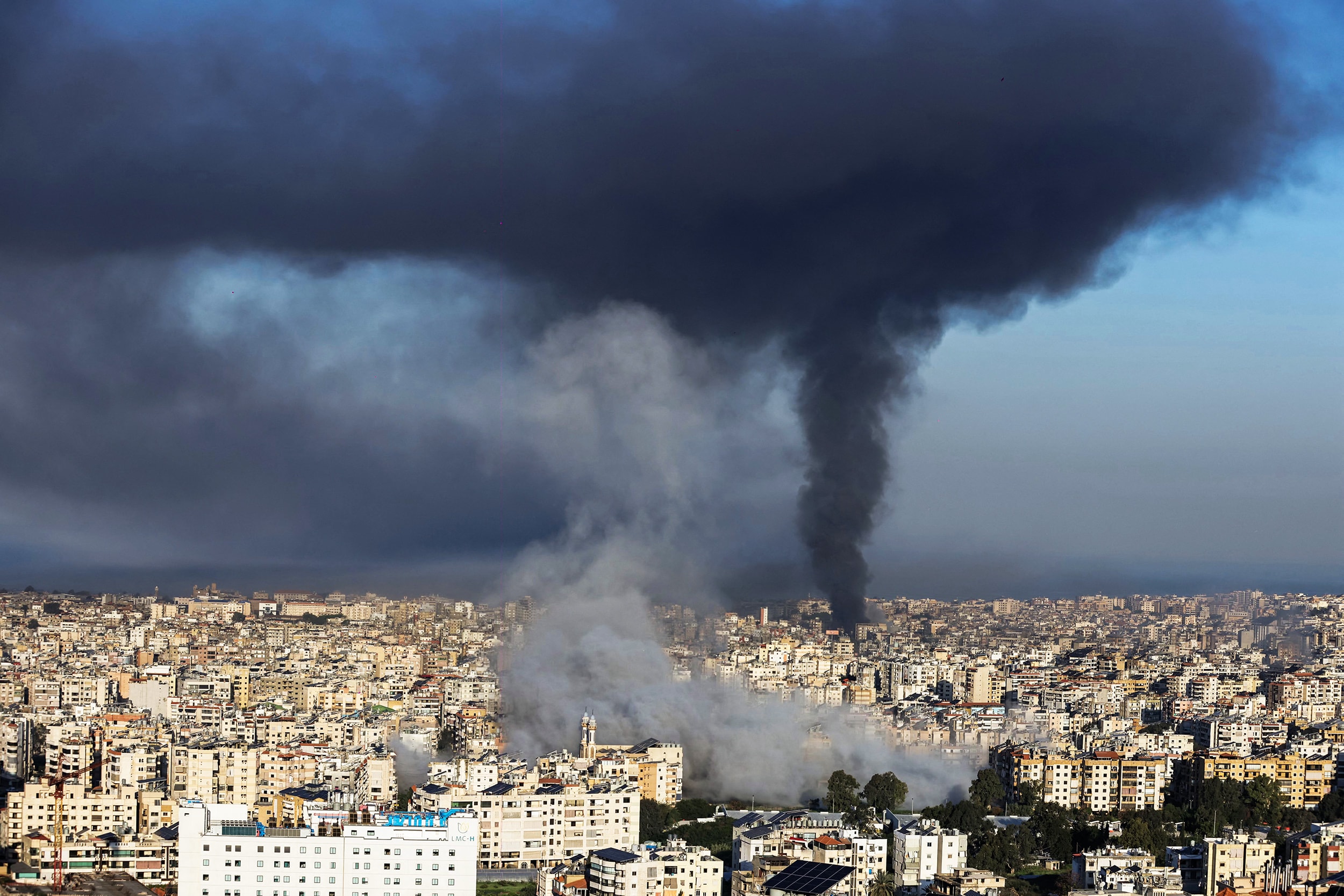
The skies above Tehran turned a violent shade of orange late Saturday night as massive pillars of fire erupted over one of the Iranian capital’s most critical oil storage facilities.

The strike, confirmed by Iranian state media, marked a dangerous new chapter in the week-old conflict between Israel and Iran — one that is rapidly pulling in global powers, rattling energy markets, and leaving millions of ordinary civilians in the grip of genuine terror.
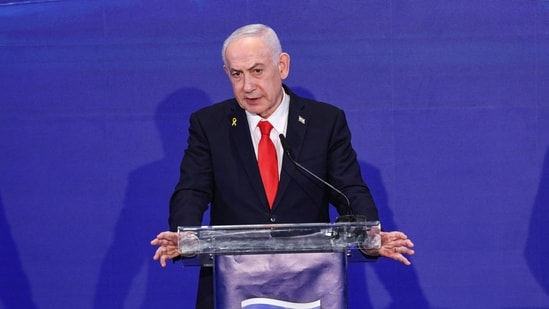
Israeli Prime Minister Benjamin Netanyahu, speaking with characteristic confidence, promised that more was coming. “There will be many surprises,” he said, as the world braced for what might come next. The war, it seems, has only just begun to reveal its full and terrible ambitions.
The oil depot attack appeared to be the first time a civilian industrial facility had been deliberately targeted since the conflict ignited. Iranian state media wasted no time placing blame, describing it as a joint attack carried out by “the US and the Zionist regime.” Israel’s military confirmed new waves of strikes across Tehran’s eastern and southern neighbourhoods but declined to identify specific targets. Meanwhile, footage captured by the
Associated Press showed the horizon glowing a deep, burning red against the dark night sky — images that felt less like news and more like something out of a nightmare. For the residents of Tehran, it was no metaphor at all.
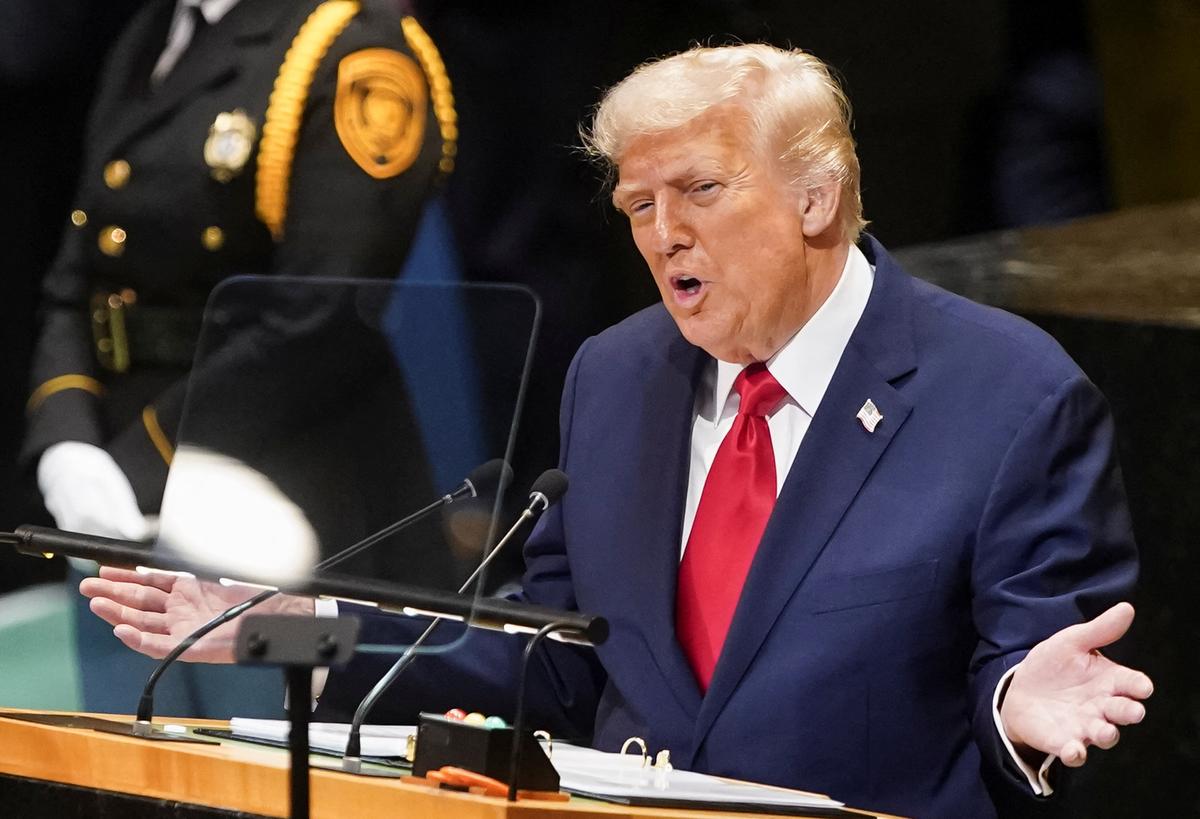
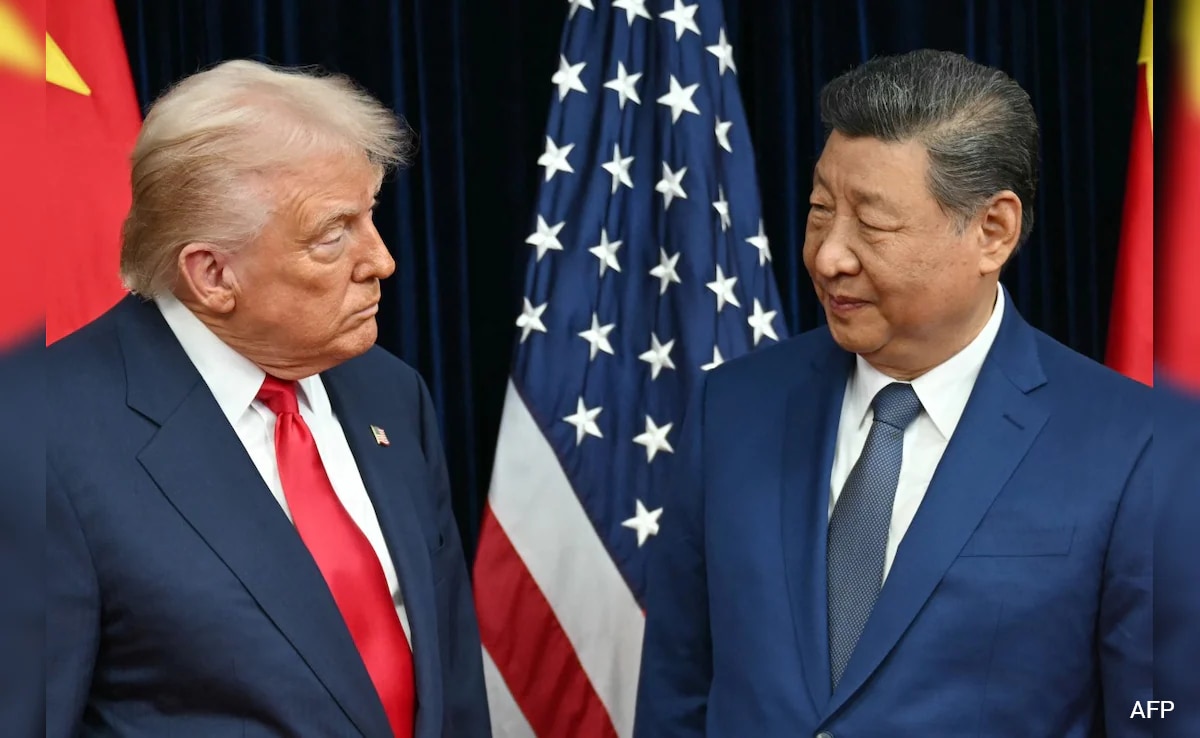
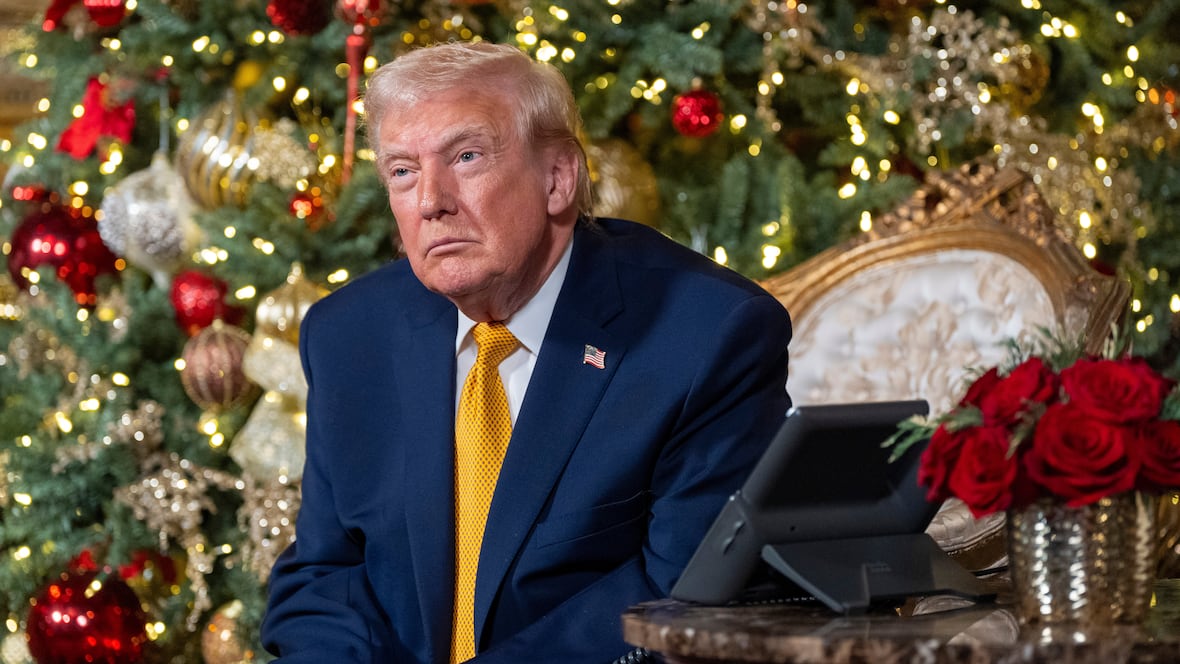
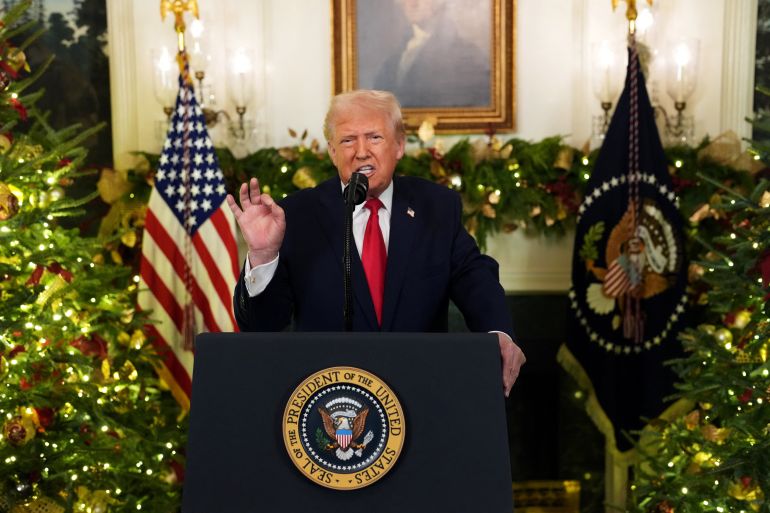
Adding a significant diplomatic wrinkle to the escalating chaos, US President Donald Trump told reporters aboard Air Force One that he has ruled out bringing Kurdish fighters into the conflict. Kurdish forces in the region had reportedly expressed willingness to join efforts aimed at toppling the Iranian government — an offer that carries enormous political weight given their military experience and regional presence. But Trump, ever the deal-maker calculating his next move, said that Kurdish involvement would only make things more complicated. “The war is complicated enough without getting the Kurds involved,” he said bluntly.
It was a rare moment of restraint from a president who has simultaneously threatened Iran with devastating force.
Inside Iran, the political landscape is fracturing under the weight of the war.
Iranian President Masoud Pezeshkian appeared in a hastily filmed video to apologise for missile and drone attacks on neighbouring Gulf Arab countries, calling for a diplomatic resolution. Yet within hours, hard-line judiciary chief Gholam Hossein Mohseni-Ejei posted on X that “intense attacks” on enemy-controlled territory would continue.
The contradictions exposed a deep and dangerous rift within Iran’s leadership — a rift made wider by the death of Supreme Leader Ayatollah Ali Khamenei, who was killed in the war’s very first airstrikes. What had been a tightly controlled theocracy now appears to be a ship with too many captains and no agreed-upon course.
The human cost of this conflict is staggering and growing by the hour. Officials report at least 1,230 people killed inside Iran, more than 290 in Lebanon, 11 in Israel, and six American service members dead. A university student in western Tehran, speaking anonymously out of fear for her safety, told reporters: “Even people far from military targets are living in fear.” In Lebanon, an Israeli commando raid — launched to search for clues about a navigator missing for four decades — left dozens dead and wounded overnight. Incoming Iranian missiles drove Israelis into bomb shelters once again, though no casualties were immediately reported.
The conflict has also begun spilling aggressively across the region. A missile struck the helicopter landing pad inside the heavily fortified US Embassy compound in Baghdad — the first such strike in the Green Zone since the war began. Iraq’s caretaker Prime Minister Mohammed Shia al-Sudani condemned it as a “terrorist act” by rogue groups.
In Bahrain, sirens pierced the air as Iranian strikes targeted the small island kingdom. Saudi Arabia intercepted drones heading toward its Shaybah oil field and shot down a ballistic missile aimed at Prince Sultan Air Base. Dubai was jolted by multiple explosions, prompting the brief suspension of all flights at Dubai International Airport and sending passengers scrambling into train tunnels for shelter.
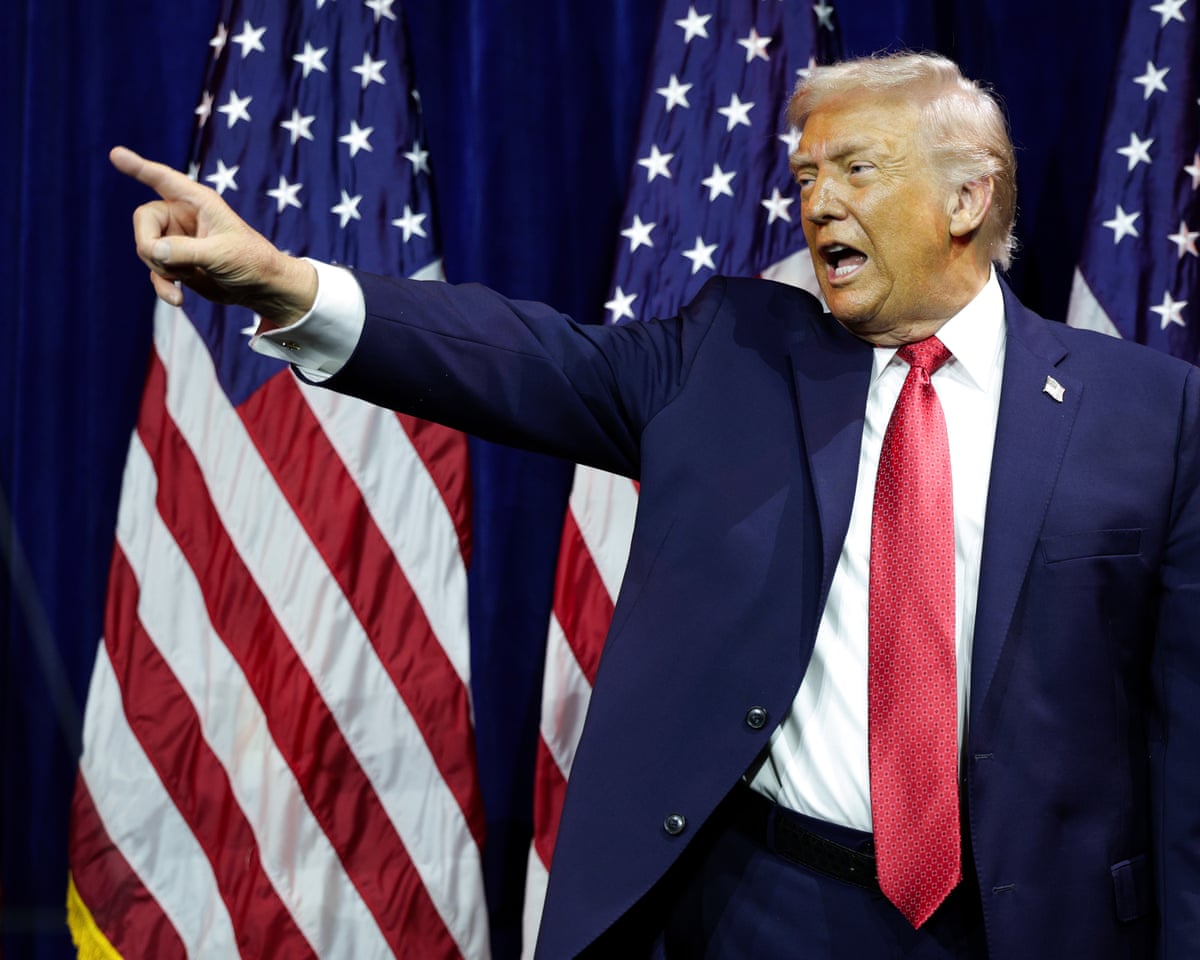
The Iran war is no longer a bilateral confrontation. It is becoming a regional inferno, threatening oil supplies, civilian lives, and the fragile architecture of Middle Eastern diplomacy built over decades. Trump has warned that Iran will be hit “very hard” and that more groups and areas will be targeted.
Netanyahu speaks of surprises yet to come. And on the streets of Tehran, Baghdad, Dubai, and Bahrain, ordinary people are simply trying to survive a war that nobody asked them about and that nobody seems close to stopping.
Discover more from AMERICA NEWS WORLD
Subscribe to get the latest posts sent to your email.

![Smoke rises after Israeli strikes in Beirut's southern suburbs, on March 2 [Mohamad Azakir/Reuters]](https://america112.com/wp-content/uploads/2026/03/hgh.webp)