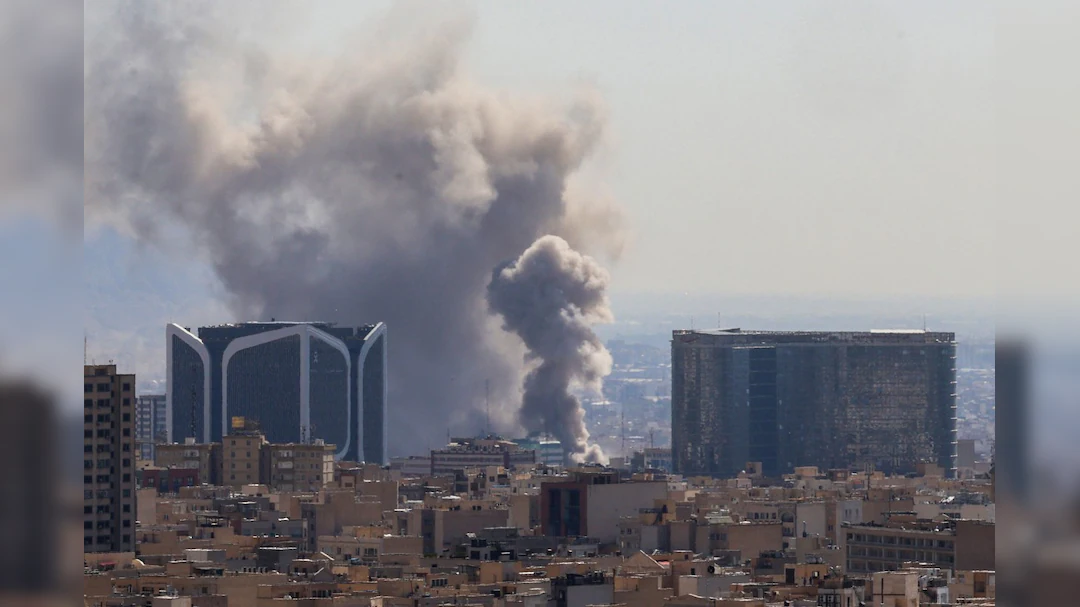
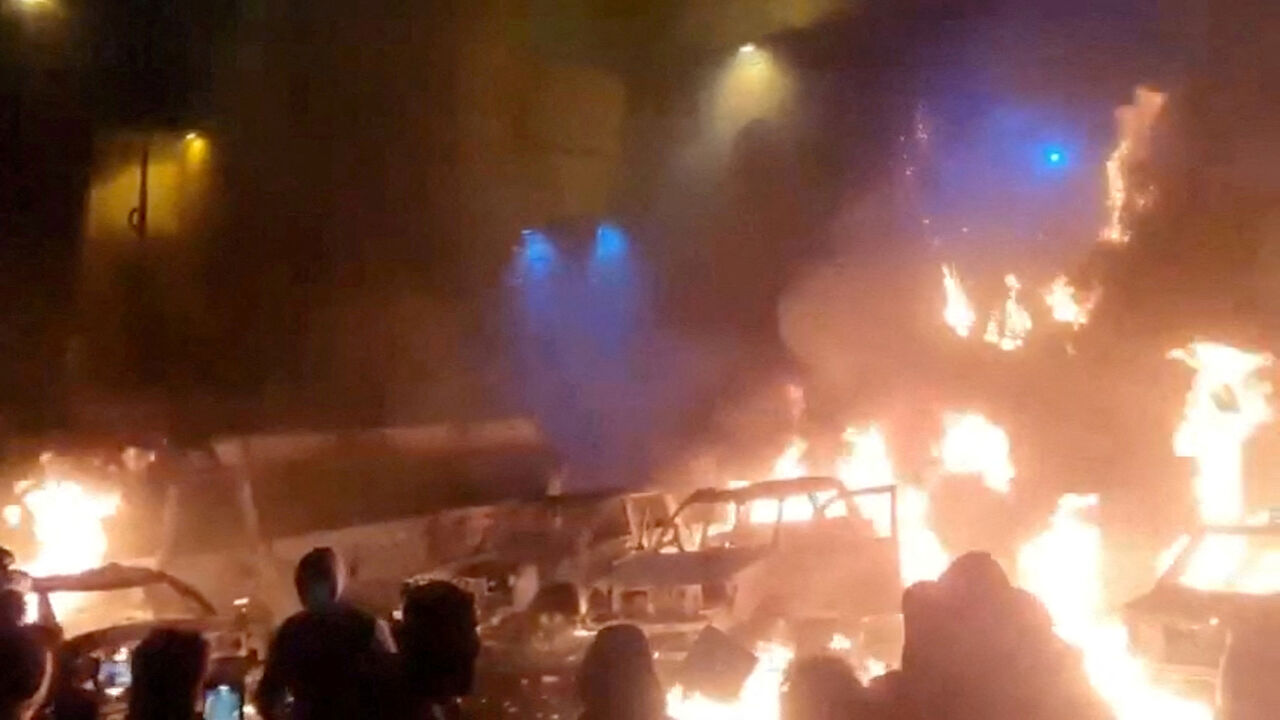
![Smoke rises after Israeli strikes in Beirut's southern suburbs, on March 2 [Mohamad Azakir/Reuters]](https://america112.com/wp-content/uploads/2026/03/hgh.webp)
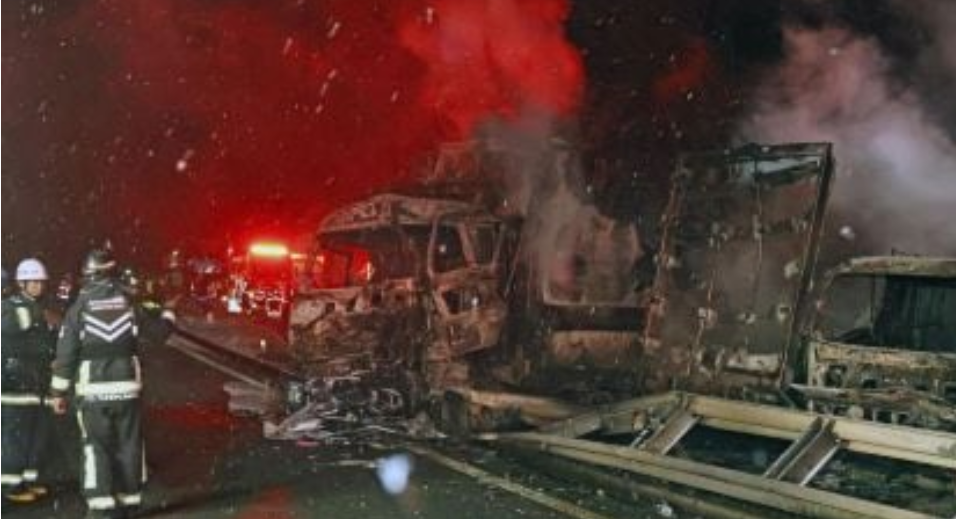
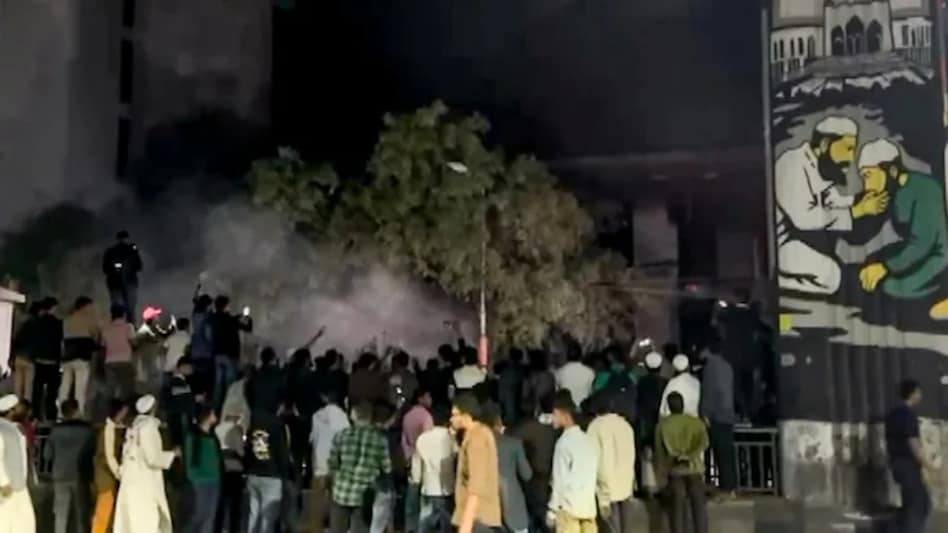
Beirut, Lebanon — Israeli warplanes launched a series of devastating airstrikes on Lebanon’s capital, Beirut, on Monday after Hezbollah fired rockets and drones at a military base near Haifa in northern Israel. The attack killed at least 31 people and injured 149 others, according to Lebanon’s state-run National News Agency (NNA), marking one of the deadliest escalations in the ongoing Israel-Lebanon conflict.
Why Did Hezbollah Attack Israel? The Trigger Behind Monday’s Strike
Hezbollah, the Iran-backed Lebanese militant group, claimed full responsibility for the rocket and drone offensive, stating it was launched in direct retaliation for the assassination of Iranian Supreme Leader Ayatollah Ali Khamenei. The group described its attack as being carried out “in defence of Lebanon and its people” and “in response to the repeated Israeli aggressions.”

Smoke rises after Israeli strikes in Beirut’s southern suburbs, on March 2 [Mohamad Azakir/Reuters]
In an official statement, Hezbollah declared: “The Israeli enemy cannot continue its 15-month-long aggression without a warning response to halt this aggression and withdraw from the occupied Lebanese territories.”
The killing of Khamenei, widely attributed to joint U.S.-Israeli operations, has sent shockwaves across the region and triggered a new wave of retaliatory violence from Iran’s network of allied militant groups.
Israel Strikes Beirut: What Happened on the Ground
Israeli jets responded swiftly and aggressively, bombing Beirut’s southern suburbs — a stronghold of Hezbollah — within hours of the rocket attack. The Israeli military confirmed it was “vigorously attacking Hezbollah” at multiple locations across Lebanon, including villages in southern Lebanon and the Bekaa Valley in the country’s east.
The Israeli Defense Forces (IDF) stated it had targeted “senior” Hezbollah members in the Beirut area and a “key” figure in south Lebanon, though no specific names were released.
In a dramatic escalation reminiscent of the 2024 Gaza conflict, Israel issued mass evacuation orders for more than 50 villages in south Lebanon and the Bekaa Valley, including the town of Bint Jbeil, urging residents to move at least one kilometer from targeted buildings.
A Fragile Ceasefire Shattered
The violence shatters what remained of a fragile ceasefire agreement reached in November 2024. Despite that truce, Israel had continued near-daily military operations inside Lebanon. In January 2026, the Lebanese government formally filed a complaint with the United Nations documenting over 2,000 Israeli violations of Lebanese sovereignty in just the final three months of 2025.
Hezbollah had largely shown restraint during this period, repeatedly calling on the Lebanese government to take diplomatic action rather than responding militarily. However, the killing of Iran’s Supreme Leader appears to have crossed a line the group was unwilling to ignore.
Lebanon’s Prime Minister Condemns Hezbollah Rocket Attack
Lebanese Prime Minister Nawaf Salam distanced his government from the Hezbollah attack, calling it “an irresponsible and suspicious act that jeopardises Lebanon’s security and safety and provides Israel with pretexts to continue its aggression.”
Salam pledged to “take all necessary measures to apprehend the perpetrators and protect the Lebanese people,” signaling a continued rift between the Lebanese state and Hezbollah, which operates independently from the government.
Despite a government decree issued last year calling for Hezbollah’s disarmament, the group flatly rejected the order, insisting its weapons are essential to defend Lebanon against Israeli military expansionism.
Regional War Fears Rise as U.S. and Israel Face Iran’s Axis
Monday’s bombardment of Beirut represents a major escalation in what analysts are calling an emerging regional war — pitting the United States and Israel on one side against Iran and its network of allied forces, including Hezbollah, on the other.
read this-Racist Backlash Targets Indian Americans Amid MAGA Surge
read this-Israel bombs Beirut after Hezbollah launches rocket attack
While Hezbollah was significantly weakened by the 2024 war — during which Israel eliminated most of its senior military and political leadership — experts warn the group still retains enough capability to destabilize Lebanon and deepen the humanitarian crisis already gripping the country.
Lebanon, which has been mired in years of economic collapse and political paralysis, now faces the prospect of being dragged into yet another devastating armed conflict.
What Happens Next?
With Iran vowing to respond to the killing of Khamenei, and Israel signaling it will not tolerate any attack on its northern communities, the likelihood of further military exchanges is extremely high. The international community faces mounting pressure to intervene diplomatically before the conflict spirals further out of control.
For now, smoke rises over Beirut once again — a city that has weathered decades of war — as the Middle East braces for what could be its most dangerous moment in years.
Stay updated with America News World for the latest breaking news on the Israel-Lebanon conflict, Middle East war updates, and global security developments.
Discover more from AMERICA NEWS WORLD
Subscribe to get the latest posts sent to your email.