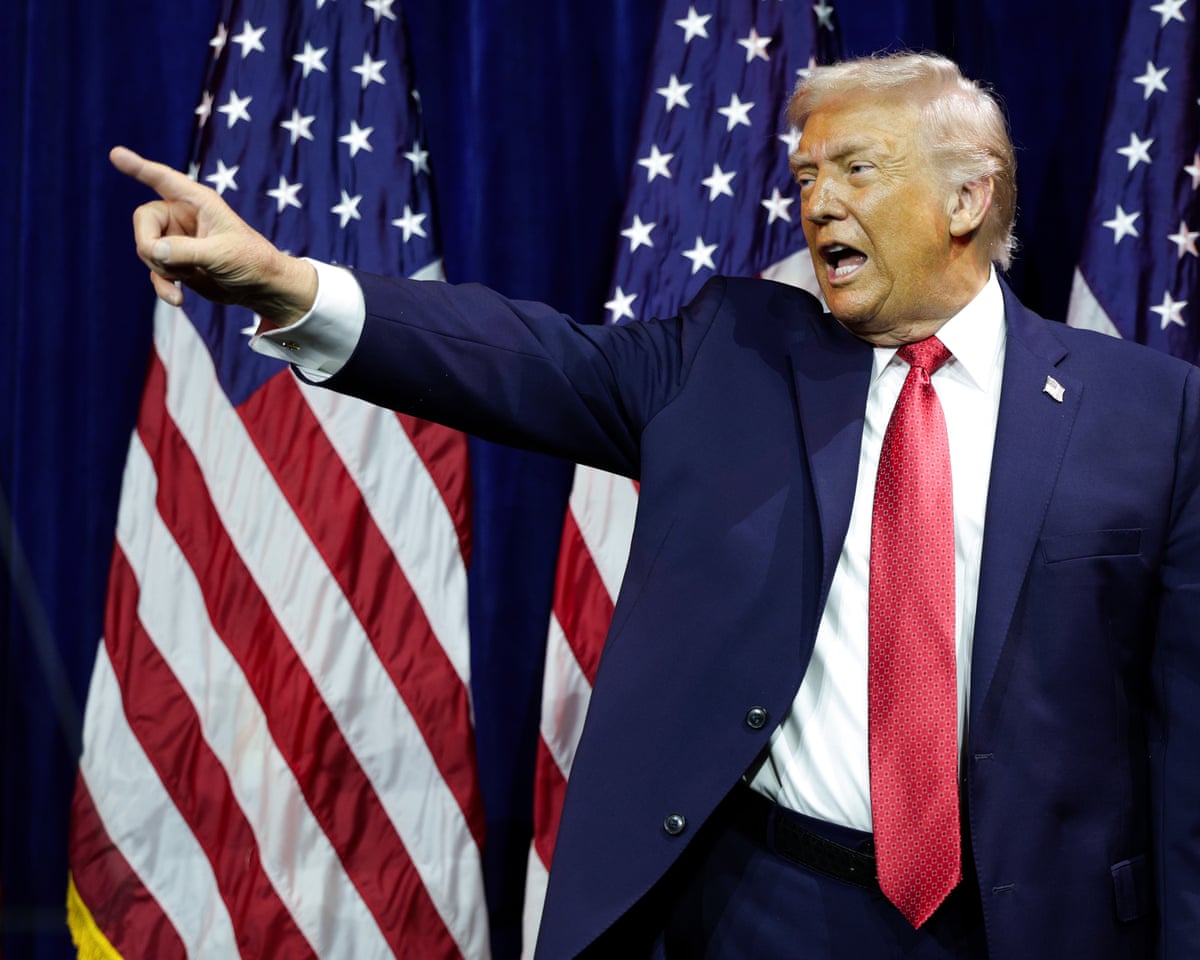
India’s recently announced trade agreement with the United States did not emerge overnight. It was the result of months of discreet diplomacy, backchannel negotiations, and strategic patience by New Delhi, aimed at repairing a relationship badly strained by tariffs, public criticism, and geopolitical tensions. The breakthrough highlights how India worked behind the scenes to stabilize ties with President Donald Trump while protecting its long-term national interests.

The effort began in early September, shortly after Prime Minister Narendra Modi met Russian President Vladimir Putin and Chinese leader Xi Jinping on the sidelines of a summit in China. With US-India relations fraying, Modi sent National Security Adviser Ajit Doval to Washington on a sensitive mission. According to officials familiar with the discussions, Doval met US Secretary of State Marco Rubio to convey that India wanted to move past recent acrimony and return to serious trade negotiations.
Doval’s message was firm but pragmatic. India, he said, would not be pressured or publicly humiliated by Washington, even as Trump imposed steep tariffs and criticized New Delhi over its purchase of Russian oil. At the same time, India wanted the rhetoric toned down so both sides could rebuild trust and restore momentum in bilateral talks. New Delhi believed that constant public attacks were making compromise politically harder on both sides.
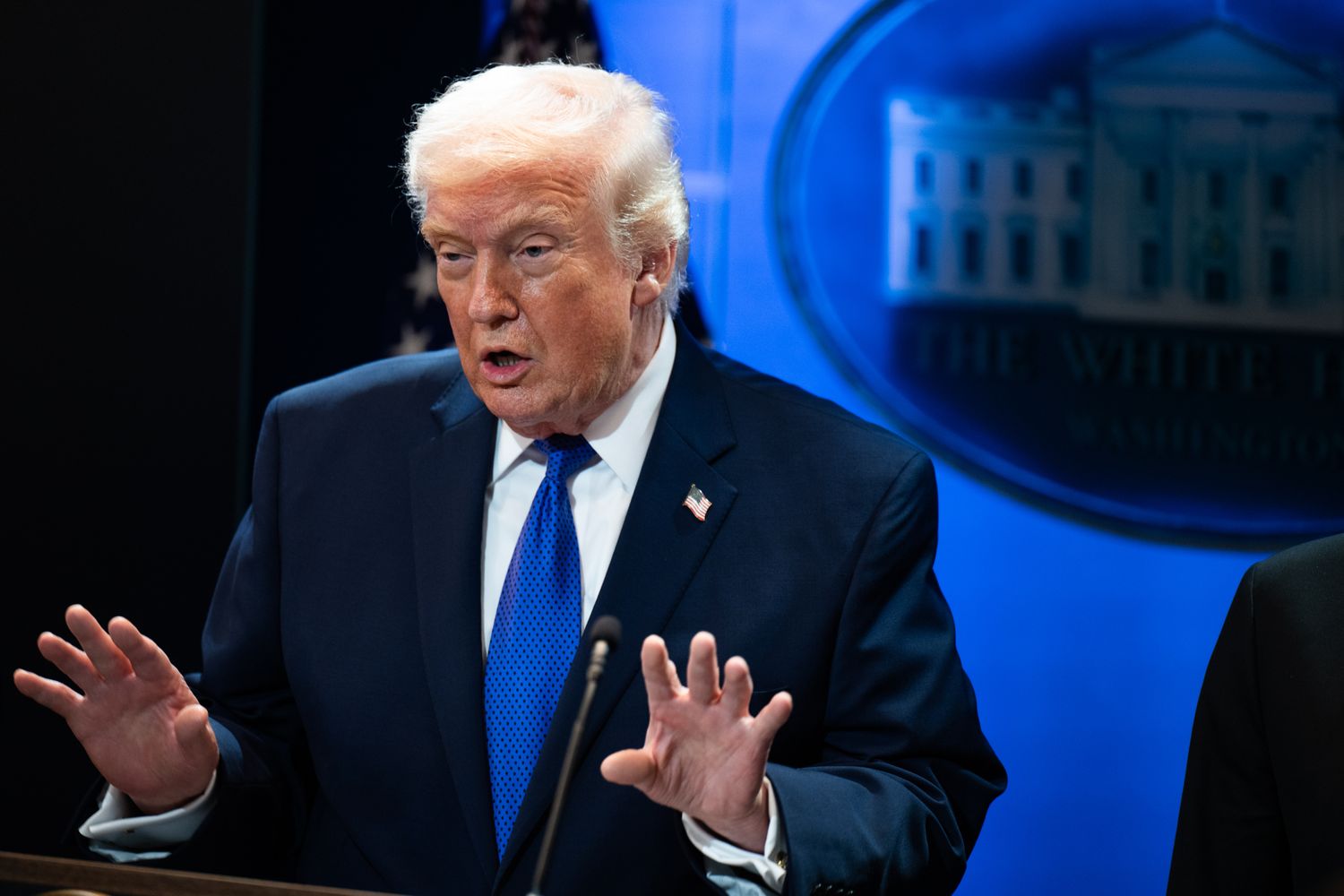
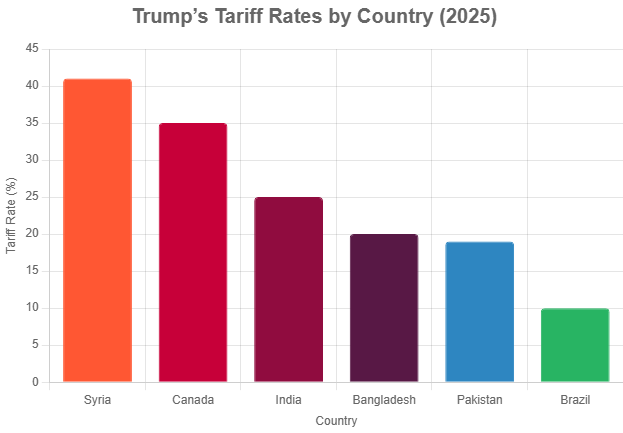
At the time, tensions were high. Trump had slapped 50% tariffs on Indian goods in August and described India as a “dead economy,” while accusing it of indirectly funding Russia’s war in Ukraine. Despite the harsh language, India avoided escalation. Instead, it opted for quiet engagement, betting that patience would pay off over time.
Signs of thawing soon followed. On September 16, Trump called Modi on his birthday and publicly praised his leadership. Over the following months, the two leaders spoke multiple times, gradually narrowing differences. While neither government confirmed the substance of the talks, the frequency of contact suggested renewed engagement.
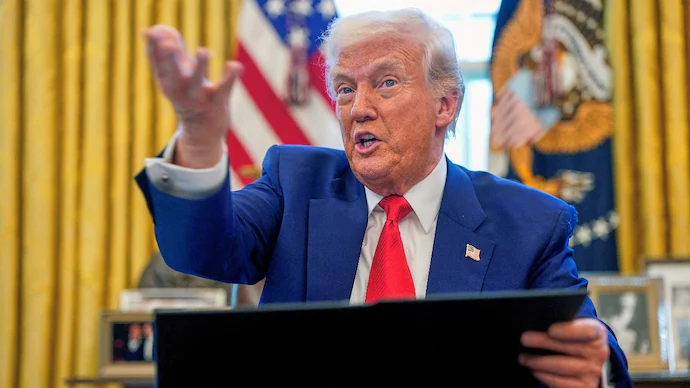
The turning point came this week when Trump announced a trade deal that significantly lowers tariffs on Indian goods to 18%, below levels faced by many Asian exporters. The US also scrapped an additional 25% penalty imposed on India for buying Russian oil. In return, Trump claimed India agreed to buy $500 billion worth of US goods, shift oil purchases toward Venezuela, and reduce tariffs on American imports. India has not officially confirmed all the details, and no formal agreement has yet been published.
The announcement surprised many in New Delhi. Even officials directly involved in negotiations were caught off guard by Trump’s social media post, underscoring how closely held the final steps were. Publicly, US officials had continued to signal skepticism as recently as last week, particularly over India’s energy ties with Russia.
Behind closed doors, however, India never lost sight of the strategic importance of the United States. Policymakers in New Delhi see US capital, technology, and defense cooperation as critical to countering China and achieving Modi’s goal of transforming India into a developed economy by 2047. Trump’s presidency, they believed, was only a temporary phase in a much longer relationship.
Analysts say the deal reflects the “stickiness” of US-India ties, built on deep institutional, economic, and people-to-people connections. While expectations have become more realistic after last year’s downturn, neither side was prepared to let the relationship unravel completely.
The arrival of US Ambassador Sergio Gor in New Delhi in December also helped stabilize ties. A close Trump ally, Gor emphasized that disagreements between India and the US were those of “real friends” and pledged to resolve trade differences. He also highlighted cooperation on defense, supply chains, and critical minerals, signaling a broader strategic alignment.
Despite the rapprochement, India is proceeding cautiously. Modi has continued to assert strategic autonomy, strengthening ties with the European Union, the UK, Russia, and other “middle power” countries. Recent trade deals with Europe and Britain underscore India’s determination to diversify its economic partnerships and reduce overdependence on any single power.
Still, the US remains India’s most important export market and a major source of investment, particularly in technology and artificial intelligence. American firms have pledged tens of billions of dollars in new investments, reinforcing the economic logic behind closer ties.
The new trade deal appears to close a turbulent chapter in US-India relations. While challenges remain, it signals that quiet diplomacy and long-term strategy can overcome even the sharpest political rhetoric, resetting one of the world’s most consequential partnerships.
Discover more from AMERICA NEWS WORLD
Subscribe to get the latest posts sent to your email.