By_shalini oraon

India’s Insatiable Appetite: The Persistent Rise of Coal in a Transitioning Economy
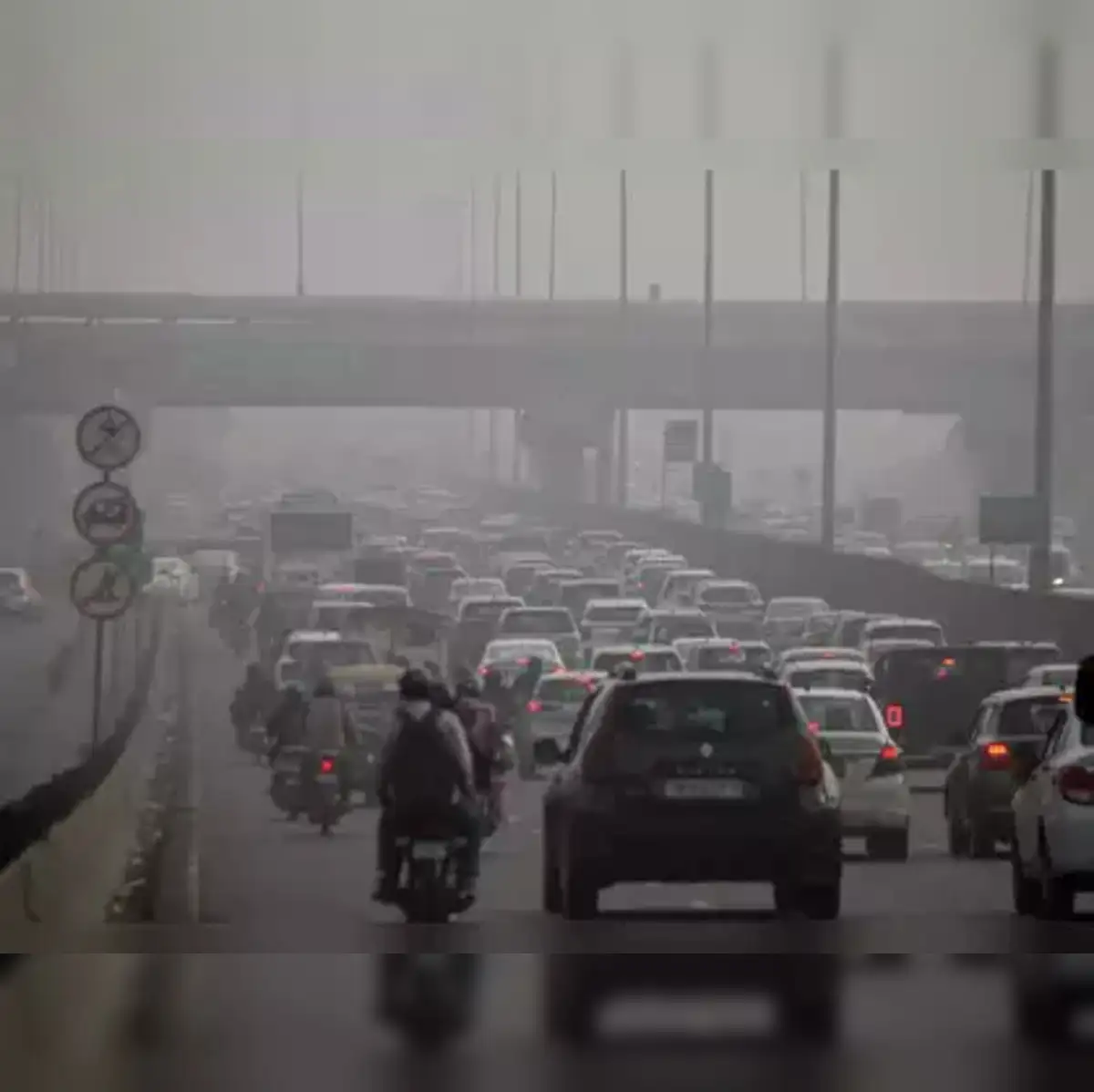
Despite a global chorus urging a rapid shift away from fossil fuels, India, the world’s third-largest energy consumer, is charting a course that might seem counterintuitive: a projected 3% annual increase in coal demand over the next four years. This isn’t a denial of climate science, but a stark reflection of the complex, pressing realities of a developing nation striving to power its ascent. Understanding this surge requires moving beyond simplistic narratives and delving into the intricate dance between economic necessity, energy security, and long-term green ambitions.
The Inescapable Engine: Economic Growth and Base Load Power
At the heart of India’s coal story is raw, unyielding economic demand. With an economy growing at over 6% annually and a population of 1.4 billion aspiring to higher living standards, electricity demand is skyrocketing. The International Energy Agency (IEA) notes that India’s power demand is growing at its fastest pace in decades.
· The Base Load Imperative: Renewable energy (solar and wind), while expanding explosively, is intermittent. Until massive grid-scale battery storage becomes economically viable, the grid requires a stable, dispatchable base load. Coal, with its existing infrastructure and fuel security, remains the default choice to ensure grid stability and prevent blackouts.
· Industrial Fuel: Beyond power generation, key industries like steel, cement, and aluminum remain heavily reliant on coal. As India pushes its infrastructure development—building roads, railways, and urban centers—the demand from these hard-to-abate sectors continues to grow.
The Irony of Green Expansion: Renewables Need Coal (For Now)
India has set ambitious targets: 500 GW of non-fossil fuel capacity by 2030 and net-zero emissions by 2070. The expansion of renewables is monumental. However, this very expansion paradoxically underpins the short-term need for more coal.
· Grid Balancing: Every new gigawatt of solar capacity added to the grid increases volatility. The sun doesn’t shine at night, and evening peak demand often coincides with the “duck curve” drop in solar generation. Currently, it is largely coal-fired plants that ramp up generation to fill this void, ensuring reliability.
· Manufacturing Demand: The production of solar panels, wind turbines, and the extensive transmission infrastructure for a green grid is itself energy-intensive. In the absence of a fully decarbonized industrial ecosystem, this manufacturing boom indirectly feeds the demand for reliable industrial power, often coal-based.
Energy Security and Geopolitical Pragmatism
The Ukraine conflict served as a stark reminder to all nations about the perils of over-reliance on imported energy. For India, which imports over 80% of its crude oil and a significant portion of its natural gas, coal represents a pillar of energy independence.
· Domestic Reserves: India sits on the world’s fourth-largest coal reserves. Increasing domestic production (which the government is aggressively pushing via mine auctions and streamlining) is seen as a strategic imperative to reduce expensive fuel imports and shield the economy from volatile global energy markets.
· A Cheaper Alternative: Despite global price fluctuations, domestic coal remains the most economical fuel for power generation in India. For a country where affordability is paramount for both consumers and industries, this economic calculus is decisive.
The “Why Now?” Factor: Post-Pandemic Rebound and Climate Extremes
The projected 3% growth is not happening in a vacuum. Two immediate factors are accelerating it:
1. Post-Pandemic Industrial Rebound: Economic activity has roared back, with manufacturing and construction leading the charge. This directly translates to higher electricity and industrial coal consumption.
2. Extreme Weather and Hydropower Deficits: Increasingly frequent heatwaves are driving unprecedented demand for cooling, spiking power consumption. Simultaneously, erratic monsoons have led to reduced output from hydropower, another key renewable source. This double whammy places the entire burden of meeting peak demand on thermal power plants.
The Contradictions and the Road Ahead
This path is fraught with contradictions. India is a global leader in renewable energy expansion and a vocal advocate for climate justice, yet it is also the world’s second-largest coal producer and consumer. This duality defines its current energy transition.
· The “Peak and Plateau” Scenario: Analysts like those at the IEA suggest India’s coal demand will peak around 2030, but then plateau for a decade, rather than dropping sharply. This reflects the long tail of coal’s role as a grid balancer and industrial fuel.
· The Critical Bridge: The government and policy thinkers frame this period as one where coal acts as a “bridge fuel,” ensuring development is not derailed while the foundations of a future green grid—renewables, storage, and a robust transmission network—are solidified.
· The Efficiency Push: A key sub-narrative is the push for “less coal, more power.” Initiatives like mandatory biomass co-firing in thermal plants, stricter emission norms, and the renovation of older plants to improve efficiency are attempts to mitigate the environmental impact of this increased consumption.
Conclusion: A Necessary Evil or a Strategic Pause?
Labeling India’s rising coal demand as a simple climate failure misses the point. It is a calculated, if unpalatable, strategic choice in a multi-dimensional chess game of development, poverty eradication, and energy security. The 3% annual growth is a testament to the scale of India’s energy challenge.
The true measure of India’s commitment to its long-term climate goals will not be seen in the coal production numbers of the next four years, but in the simultaneous velocity of its renewable rollout, the success of its green hydrogen mission, the modernization of its grid, and the policies that shift industrial processes away from fossil fuels. For now, coal remains the workhorse fueling the nation’s present, even as the country bets its future on the sun and the wind. The next decade will reveal whether this bridge leads to a greener shore or becomes a longer pathway than the world can afford.
Discover more from AMERICA NEWS WORLD
Subscribe to get the latest posts sent to your email.