By_shalini oraon

The Theft of History: What the British Museum Heist Reveals About Cultural Custody
The recent revelation that over 600 artefacts, including a significant number of Indian items, have been stolen from the British Museum is not merely a crime story; it is a profound and multifaceted scandal that strikes at the heart of debates over cultural heritage, colonial legacy, and institutional trust. The emergence of a CCTV image, a silent, grainy witness to the thefts, only deepens the mystery and the sense of institutional failure. This is not a smash-and-grab raid, but a slow, systematic bleed of history from one of the world’s most revered repositories.
The Scale of the Breach
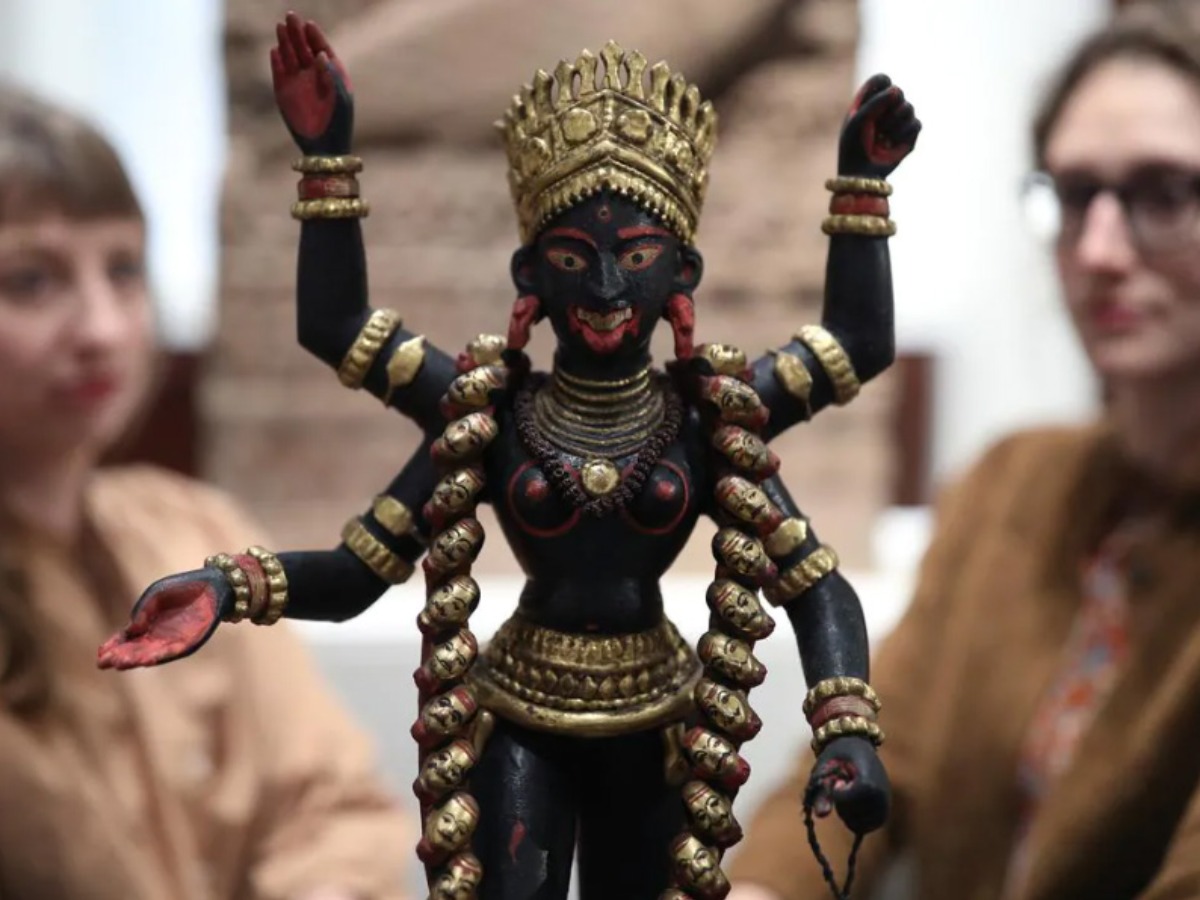
The sheer volume—600+ items—is staggering. It points not to a single opportunistic act, but to what experts suspect was a sustained, insider-assisted operation over a significant period. The stolen items, described as small, valuable pieces kept in a storeroom, include “gold jewellery, gems of semi-precious stones and glass dating from the 15th century BC to the 19th century AD.” Among them are Indian artefacts, a detail that adds layers of historical irony and contemporary anguish.
For many, the immediate question is: how could this happen? The British Museum, an icon of preservation, appears to have been catastrophically vulnerable. Reports suggest a lack of a complete, digitised inventory, a shocking revelation in the 21st century. This negligence created a shadowy space where objects could vanish without immediate alarm. The CCTV image, likely showing a person of interest, is a token of a security system that was seemingly passive, recording a crime in progress but unable to prevent a haemorrhage of history.
The Specific Pain of Indian Artefacts
The inclusion of Indian items in the haul resonates with particular force. The museum’s collection from the Indian subcontinent is vast, built during the era of the British Raj. Many objects were acquired under conditions ranging from scholarly purchase to outright colonial appropriation. For decades, India, along with other nations like Greece and Nigeria, has been engaged in a diplomatic and ethical battle for the repatriation of its cultural patrimony.
The museum’s core argument against restitution has long been one of “preservation and universal access”—the idea that it is a neutral, safe guardian for humanity’s shared heritage. This theft dismantles that argument. If the British Museum cannot secure items in a basement storeroom in Bloomsbury, what moral authority does it retain to refuse a nation’s request to safeguard its own treasures? The theft transforms from a criminal act into a potent symbol: artefacts that survived centuries, perhaps taken from their homeland under colonial power, have now been lost to the black market due to modern institutional incompetence.
A Crisis of Custodianship
This incident is a crisis of custodianship on three levels.
First, physical custodianship: The fundamental duty of any museum is to protect its holdings. The failure of basic inventory management and security protocols is an unforgivable professional breach. It suggests a culture of complacency, where the museum’s august reputation was mistaken for invulnerability.
Second, ethical custodianship: The museum positions itself as a steward for the world. This stewardship is now critically questioned. Can an institution that so badly failed in its core duty still claim the ethical high ground in debates over where global artefacts belong? The theft fuels the argument of source nations: that the greatest threat to an artefact’s safety may not be at home, but in the crowded, under-managed storerooms of encyclopaedic museums in the West.
Third, historical custodianship: Each stolen item is a unique node in the network of human history. A piece of 15th-century BC jewellery or a Mughal-era gem is an irreplaceable primary source. Its loss is a collective amnesia, a severing of our tangible connection to the past. The black market cares not for provenance or meaning, only for monetary value, thus erasing context forever.
The CCTV Image: A Symbol of Modern Paradox
The solitary CCTV image is rich with symbolism. It represents the promise and failure of modern technology—a tool for oversight that observed but did not prevent. It is a ghostly placeholder for the missing artefacts, a digital remnant of a physical loss. Its release to the public is an admission of desperation, an appeal for help in a case that has humbled the institution. The image also centres the human element: was this a lone individual exploiting systemic flaws, or part of a wider network? It personalises a crime that feels otherwise abstract in its vast scale.
The Path Forward: Recovery and Reckoning
The museum has taken some steps: launching an independent review, involving the London Metropolitan Police’s economic crime unit, and dismissing a staff member. But the path forward must be more radical.
1. Transparent Investigation: A full, public accounting of exactly what is missing, with detailed descriptions and images, must be released. This is crucial for recovery efforts and for restoring scholarly access to the knowledge of what has been lost.
2. Global Inventory & Digitisation: This should be a catalyst for a global museum standard: a fully digitised, publicly accessible inventory of every held object. Transparency is the best disinfectant and the strongest foundation for trust.
3. Revisiting the Repatriation Debate: This event must force a more humble, urgent, and open-minded conversation about restitution. The security argument used by some museums has been profoundly weakened. Perhaps new models—long-term loans, shared custody, digital twins—should be pursued with renewed vigour and genuine partnership.
4. Re-evaluating the “Universal Museum”: The 19th-century ideal of housing the world under one roof is being tested in the 21st century by politics, ethics, and now, starkly, by operational reality. The model needs rethinking.
Conclusion
The theft of over 600 items from the British Museum is more than a heist. It is a parable for our times. It speaks of the fragility of cultural memory, the unresolved wounds of colonialism, and the dangers of institutional arrogance. The stolen Indian artefacts embody a double loss: first from their place of origin, and now from the world’s knowledge.
The grainy CCTV image is a mirror. It reflects the failure of a great institution, but also a broader question: in a world seeking to decolonise history and share heritage more equitably, what does true, responsible custodianship look like? The answer must now be forged not from a position of assumed authority, but from one of humbled accountability. The missing objects are a void, demanding not just recovery, but a profound reckoning.
Discover more from AMERICA NEWS WORLD
Subscribe to get the latest posts sent to your email.














![Smoke rises after Israeli strikes in Beirut's southern suburbs, on March 2 [Mohamad Azakir/Reuters]](https://america112.com/wp-content/uploads/2026/03/hgh.webp)