
By-deepika lama
New Delhi, October 2, 2025
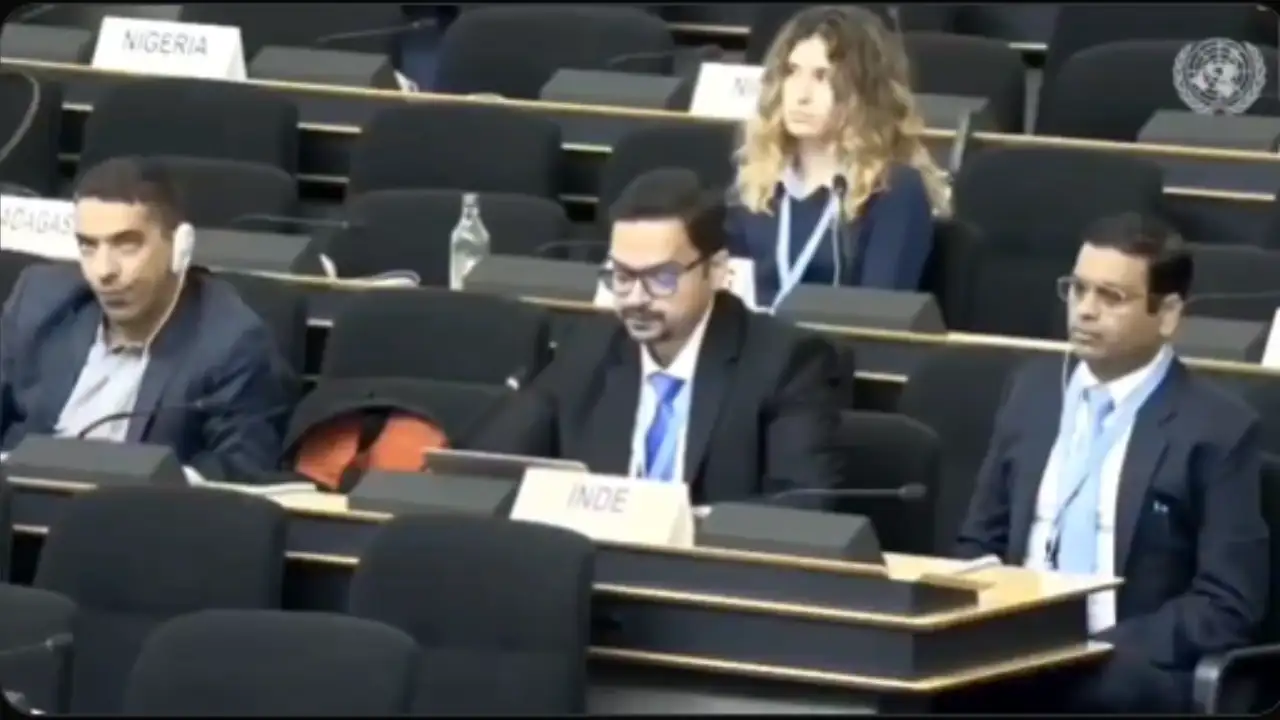
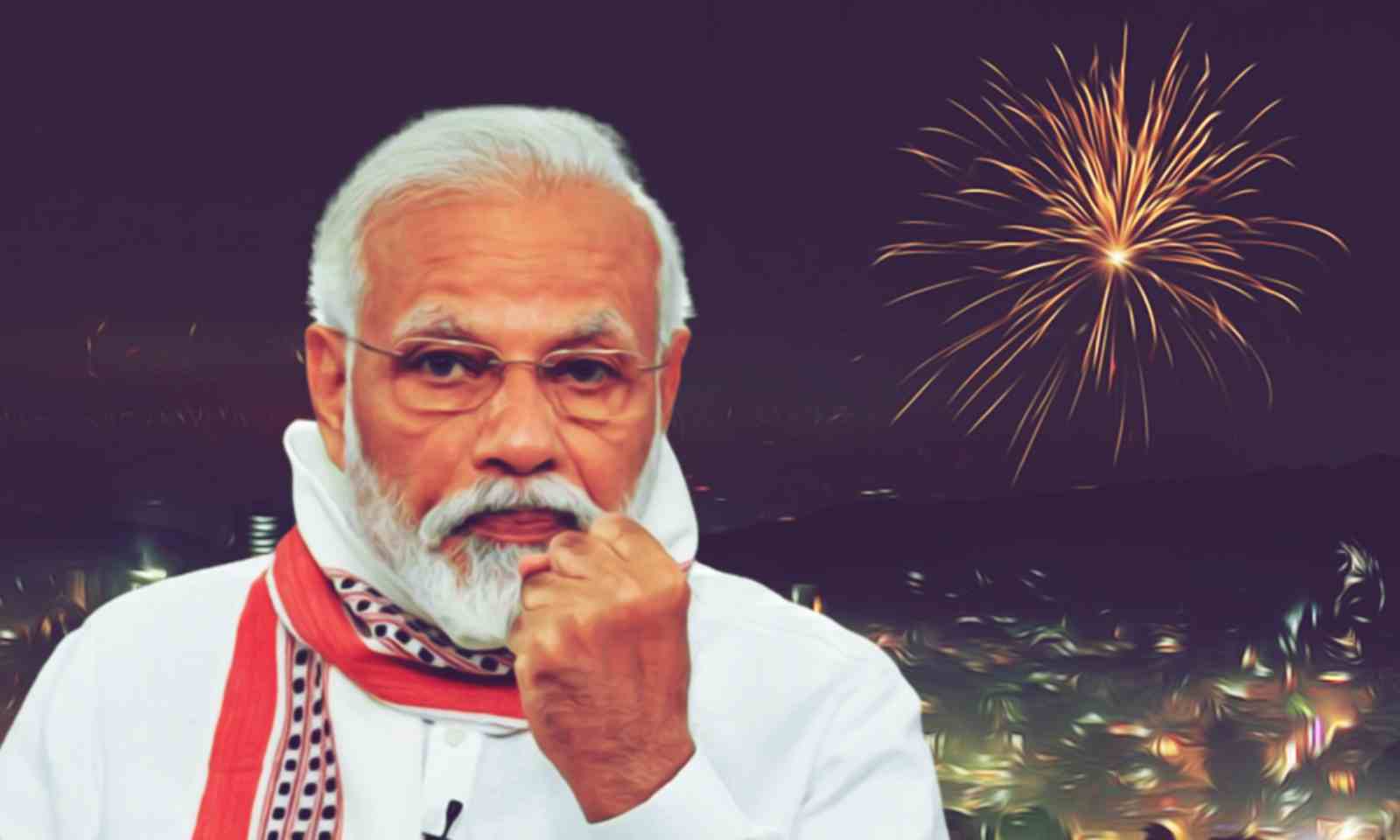
In a fiery exchange at the United Nations Human Rights Council (UNHRC) in Geneva, India sharply criticized Pakistan for its audacity to lecture others on human rights while ignoring its own troubling record of minority persecution and state-sponsored abuses. The remarks, delivered during the 34th meeting of the UNHRC’s 60th session on Wednesday, October 1, 2025, underscore a growing international frustration with Pakistan’s tactics of deflecting criticism by targeting other nations, particularly India. For the United States, this clash highlights the complexities of engaging with Pakistan, a long-standing ally, amid mounting evidence of its human rights violations and their implications for regional stability.

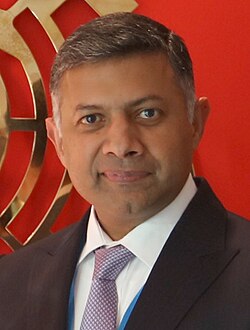
UN human rights experts directed Pakistan to take concrete measures to prevent extrajudicial killings. (Photo: X)
Indian diplomat Mohammed Hussain did not mince words, calling out Pakistan’s hypocrisy in unusually sharp terms. “India finds it deeply ironic that a country like Pakistan seeks to lecture others on human rights,” Hussain stated. “Instead of spreading propaganda, Pakistan should confront the persecution of minorities on their own soil.” The remarks were part of India’s broader pushback against Pakistan’s repeated attempts to use international forums to malign New Delhi while sidestepping accountability for its domestic failures.
Pakistan’s human rights record has long been a point of concern for the international community, including the United States, which has provided billions in aid to Islamabad over decades. The U.S. has increasingly demanded transparency in Pakistan’s defense spending and accountability for human rights abuses, particularly in light of allegations of extrajudicial killings, enforced disappearances, and suppression of minority communities. India’s pointed criticism at the UNHRC aligns with these concerns, raising questions about whether Pakistan’s actions could strain its relationship with Washington.
Other voices at the UNHRC echoed India’s sentiments. Geopolitical researcher Josh Bowes highlighted the dire situation in Pakistan’s Balochistan region, where the Baloch National Movement’s human rights wing, Paank, documented 785 enforced disappearances and 121 killings in the first six months of 2025 alone. Bowes also cited the 2025 U.S. Commission on International Religious Freedom (USCIRF) report, which revealed a staggering 300% increase in blasphemy-related imprisonments in Pakistan, with over 700 individuals currently detained. Such statistics paint a grim picture of a nation struggling to uphold basic freedoms, a concern that resonates with American policymakers advocating for religious liberty and human rights globally.
The plight of Pakistan-occupied Jammu and Kashmir (PoJK) also came under scrutiny. Nasir Aziz Khan, spokesperson for the United Kashmir People’s National Party (UKPNP), warned of a worsening humanitarian crisis in the region, accusing Pakistan of deploying Rangers and shutting down communication networks to suppress non-violent movements demanding basic rights and resource ownership. “Pakistan’s actions in PoJK are a clear violation of fundamental freedoms,” Khan told the UNHRC, urging the international community to intervene. For the U.S., which has a strategic interest in stability across South Asia, these allegations add another layer of complexity to its relationship with Pakistan, particularly as tensions in Kashmir remain a flashpoint in India-Pakistan relations.
The UNHRC session also referenced earlier UN directives from July 2025, when human rights experts called on Pakistan to address extrajudicial killings, arbitrary arrests, and attacks on religious minorities, including the Ahmadi community, which faces systemic discrimination. These issues strike a chord in the U.S., where religious freedom is a cornerstone of foreign policy advocacy. The Biden administration has repeatedly emphasized the need for global partners to uphold human rights, and Pakistan’s failure to act on these UN recommendations could prompt further scrutiny from Washington.
For American audiences, this UNHRC exchange serves as a reminder of the broader geopolitical stakes in South Asia. Pakistan’s role as a U.S. ally in counterterrorism efforts has often overshadowed its human rights shortcomings, but recent developments suggest a shift. Reports of intelligence leaks, terror sanctuaries, and corruption among Pakistan’s military elite have fueled calls in Congress for stricter oversight of U.S. aid. A recent India Today analysis noted that America is now demanding transparency in Pakistan’s defense spending, threatening to cut billions in assistance if reforms are not implemented. This pressure reflects growing frustration in Washington with Pakistan’s dual role as both a partner and a source of regional instability.
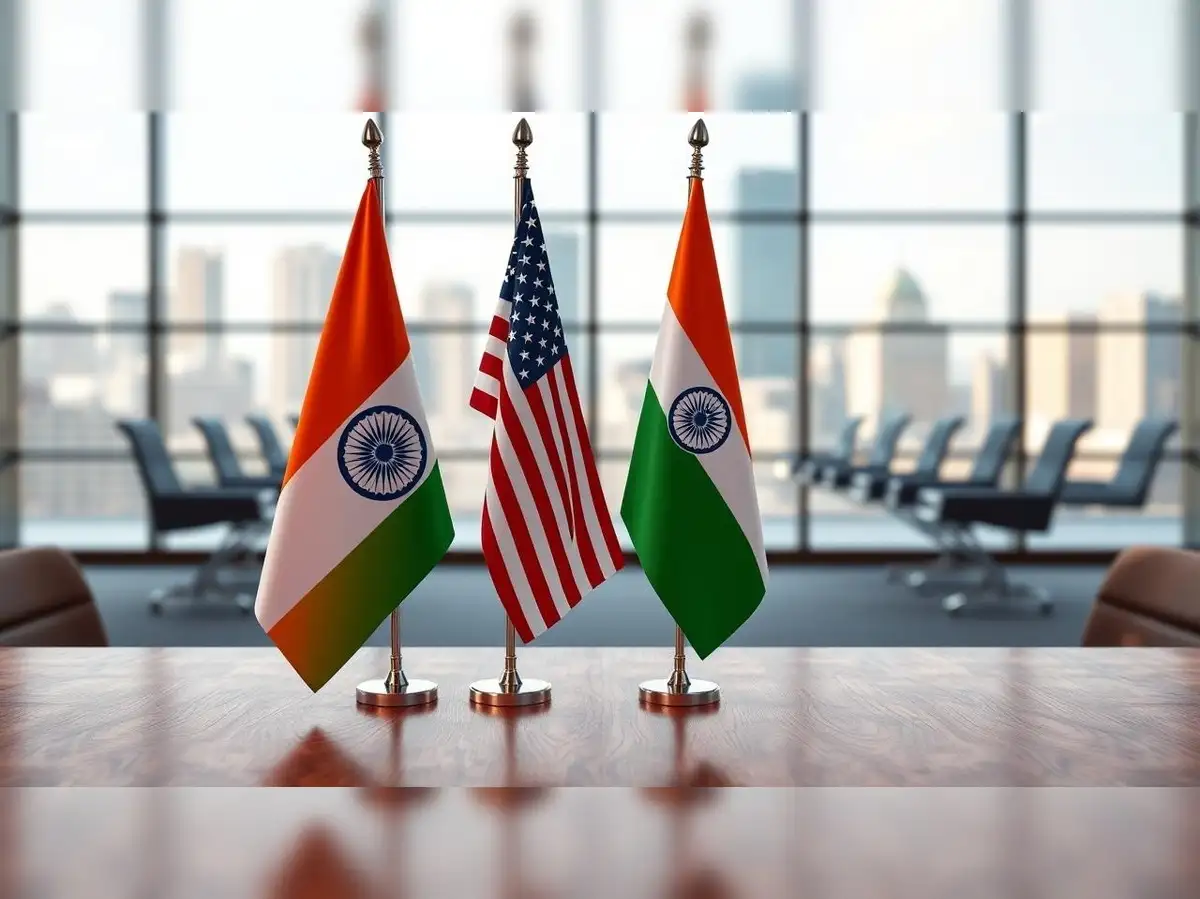
India’s outspoken stance at the UNHRC also resonates with U.S. interests in countering narratives that deflect accountability. Pakistan’s tactic of accusing India of human rights violations, particularly in Kashmir, has often been used to divert attention from its own failures. By calling out this hypocrisy, India aligns with American values of transparency and accountability, even as it competes with the U.S. for influence in the region. The U.S.-India partnership, strengthened through frameworks like the Quad, underscores a shared interest in promoting a rules-based international order, which Pakistan’s actions often undermine.
As the UNHRC session concluded, the spotlight remained on Pakistan’s need to address its internal challenges rather than projecting blame outward. For the United States, this moment offers an opportunity to reassess its approach to Pakistan, balancing strategic imperatives with the moral imperative to uphold human rights. With India emerging as a vocal advocate for accountability, Washington may find itself increasingly aligned with New Delhi’s perspective, even as it navigates its complex relationship with Islamabad.
The international community, including the U.S., now awaits Pakistan’s response to these criticisms. Will Islamabad take concrete steps to address its human rights crisis, or will it continue to deflect and distract? For American policymakers, the answer could shape the future of U.S.-Pakistan relations and influence broader efforts to promote stability and justice in South Asia.
Discover more from AMERICA NEWS WORLD
Subscribe to get the latest posts sent to your email.











![Reliance Industries, led by Chairman Mukesh Ambani, has exported products made from Russian crude oil to countries that have sanctioned Russia, including the US [File: Ajit Solanki/AP Photo]](https://america112.com/wp-content/uploads/2025/08/AP24010199793503-1755298275.webp)


![In India, a big protest is coming up. About 300 MPs from the I.N.D.I.A. bloc will march to the Election Commission office. This happens on August 11. They say it's against "vote chori," which means vote theft. And they point fingers at SIR. SIR stands for Special Intensive Revision. It's a way to update voter lists. But the opposition thinks it's not fair. First, let's talk about why this matters. The I.N.D.I.A. bloc includes parties like Congress and others. They feel SIR deletes real voters. Especially in places like Bihar. Rahul Gandhi, the Leader of Opposition, has spoken out. He says SIR lets "vote chori" happen. For example, he claims over 1 lakh votes got stolen in Karnataka before. Now, in Bihar, 35 lakh voters are untraceable. That's a huge number. Moreover, Mallikarjun Kharge will host a dinner for these MPs on Monday. That's today, August 10. It's to bring everyone together. Rahul hosted one before. So, they plan as a team. Then, the march starts from Parliament. They want the EC to stop SIR or make it fair. However, the government says SIR cleans up lists. It removes fake or dead voters. The Election Commission started SIR in Bihar from June 24 to July 25. They had 7.89 crore voters at the start. Over 7.24 crore sent back forms. That shows many joined in. But some did not. Reasons include moving away or not found. Here is complete data from the Press Information Bureau. It covers key findings. - Total electors before SIR: 7.89 crore - Forms submitted: 7.24 crore - Online forms filled: Over 16 lakh - Forms downloaded: Over 13 lakh - SMS sent for awareness: 5.7 crore - Acknowledgment SMS: 10.2 crore On deletions and additions, more comes later. Draft list out on August 1. Claims until September 1. No name deletes without notice. Now, look at Booth Level Agents (BLAs). They help check lists. Numbers went up by 16%. Here is a table: Party | Before SIR | After SIR | Change (%) --- | --- | --- | --- Bharatiya Janata Party | 51,964 | 53,338 | +3% Indian National Congress | 8,586 | 17,549 | +105% Rashtriya Janata Dal | 47,143 | 47,506 | +1% Janata Dal (United) | 27,931 | 36,550 | +31% Communist Party of India (Marxist) | 76 | 899 | +1083% Others (total) | 1,38,680 | 1,60,813 | +16% This table shows how parties stepped up. Congress doubled agents. It helps watch the process. For a graph, imagine a bar chart. It shows BLA changes per party. Bars for BJP in blue, short rise. Congress in green, tall bar up. CPI(M) in red, very tall. Total in black. This graph highlights opposition push. It works on mobile and computer. Use colors for highlight: blue for low change, red for high. [Image: Opposition leaders like Rahul Gandhi and Akhilesh Yadav protesting in Parliament over SIR. They hold signs saying "Stop Vote Chori." Credit: Hindustan Times. Source: https://www.hindustantimes.com/photos/news/stop-sir-opposition-protest-over-bihar-electoral-roll-row-in-parliament-in-pics-101753689375847.html] This protest could shake things up. Not just in India. Around the world, people watch elections. In Asia, Europe, Africa, North America, South America, Australia, and Antarctica too, though few there. Fair votes matter everywhere. Like in the US or UK, voter lists get checked. But claims of bias hurt trust. Besides, young people care. If you are 18, check your vote. Old folks remember past polls. All ages can see why clean lists help. But not if it deletes real ones. Meanwhile, the bloc wants talks in Parliament. But no luck yet. They march instead. Sources say it's peaceful. Yet strong. For more on this, read the original story. It's from Deccan Herald: https://www.deccanherald.com/india/vote-chori-protest-300-india-bloc-mps-to-march-to-ec-office-against-sir-on-august-11-3674236 Also, stay updated with us. Visit AMERICA NEWS WORLD (ANW) at https://america112.com/ for global takes on Indian news. We cover it all. In addition, this links to bigger issues. Like in 2019, Kharge said bogus votes cost them. Now, they fight back. Rahul calls for clean rolls. It's key for free polls. Furthermore, Bihar SIR shows gaps. Many migrants can't fill forms easy. Online helps, but not all have net. EC sent SMS, but some miss. To wrap up, watch August 11. Will EC listen? Or more protests? It affects next polls. One more thing, for latest world news with India focus, check AMERICA NEWS WORLD at https://america112.com/. We aim for truth.](https://america112.com/wp-content/uploads/2025/08/deccanherald_2025-08-10_va0tirfq_PTI08082025000165A.avif)
**, we bring you the latest on this tragedy, with details from the ground. ### What Happened in Dharali? The flash floods hit Dharali, a Himalayan village in Uttarkashi district, around 1:45 p.m. local time. Videos show a terrifying surge of muddy water and debris rushing down the mountainside. For instance, homes, hotels, and shops were swept away in seconds. The Kheer Ganga river, swollen by heavy rain, fueled the destruction. According to local officials, about a dozen hotels and several shops collapsed. “Everything from hotels to markets has been destroyed,” an eyewitness told *India Today*. At least four people lost their lives, and over 50 are feared missing. Meanwhile, rescue operations are in full swing. The Indian Army, National Disaster Response Force (NDRF), and Indo-Tibetan Border Police (ITBP) are on the scene. They’ve evacuated at least 70 people so far. However, the exact number of those still trapped remains unclear. “We’re doing everything possible to save lives,” said Uttarakhand Chief Minister Pushkar Singh Dhami. ### Why Did This Happen? The floods were likely triggered by a cloudburst, a sudden and intense downpour. Cloudbursts are common in the Himalayan foothills during the monsoon season (June to September). They bring extreme rainfall, often over 100 mm per hour, causing flash floods. The India Meteorological Department (IMD) had issued a “red alert” for heavy rainfall in Uttarakhand. Some areas saw up to 300 mm of rain in just 24 hours. Additionally, experts point to climate change as a factor. “Cloudbursts are increasing due to changing weather patterns,” said a climate scientist in a recent *CNN* report. Unplanned development in hilly areas also worsens the damage. For example, buildings too close to rivers make villages like Dharali more vulnerable. Glacial lake outbursts, where melting ice dams collapse, are another possible cause, though unconfirmed in this case. ### Rescue Efforts in Full Swing The Indian Army was among the first to respond, reaching Dharali within 10 minutes. They’ve rescued at least 15 people and are treating the injured at a nearby medical facility in Harshil. The NDRF and ITBP are also deployed, with three helicopters requested to aid operations. “We’re working on a war footing,” said Dhami. Prime Minister Narendra Modi and Home Minister Amit Shah have assured full support. Despite these efforts, heavy rain is slowing down rescues. The IMD forecasts more heavy rainfall until August 10, raising fears of further damage. Schools in districts like Dehradun and Haridwar are closed for safety. ### Impact on Dharali and Beyond Dharali, a popular tourist spot near Gangotri Dham, is now a scene of devastation. The floods washed away roads, cutting off access to the sacred site. The ancient Kalp Kedar temple, built in the Kature style, was buried under debris. Locals fear 10-12 laborers may be trapped. “I haven’t seen a disaster like this before,” a villager told *India Today*. The tragedy adds to Uttarakhand’s history of monsoon disasters. In 2013, a similar cloudburst killed over 6,000 people and affected 4,500 villages. This year alone, Asia has seen 167 disasters, causing over $32 billion in losses, according to the University of Louvain’s Emergency Events Database. ### Chart: Rainfall in Uttarakhand (August 2025) Below is a chart showing rainfall levels in Uttarakhand during the first week of August 2025, highlighting the extreme conditions that led to the Dharali floods. ```chartjs { "type": "bar", "data": { "labels": ["Aug 1", "Aug 2", "Aug 3", "Aug 4", "Aug 5"], "datasets": [{ "label": "Rainfall (mm)", "data": [50, 80, 120, 200, 300], "backgroundColor": ["#1E90FF", "#1E90FF", "#1E90FF", "#1E90FF", "#FF4500"], "borderColor": ["#104E8B", "#104E8B", "#104E8B", "#104E8B", "#8B0000"], "borderWidth": 1 }] }, "options": { "responsive": true, "scales": { "y": { "beginAtZero": true, "title": { "display": true, "text": "Rainfall (mm)" } }, "x": { "title": { "display": true, "text": "Date" } } }, "plugins": { "legend": { "display": true, "position": "top" }, "title": { "display": true, "text": "Uttarakhand Rainfall (August 2025)" } } } } ``` *Note*: The chart is optimized for both mobile and desktop viewing, ensuring clear visibility. ### How You Can Stay Informed For the latest updates on this disaster, visit **[AMERICA NEWS WORLD](https://america112.com/)**. Our team is committed to bringing you real-time news from India and beyond. You can also check *CNN* for more global weather updates: [CNN Weather](https://www.cnn.com/weather). ### Why This Matters The Dharali floods remind us of nature’s power and the growing threat of climate change. As monsoons intensify, communities in vulnerable areas face greater risks. Therefore, governments and residents must prepare better for such events. For now, our thoughts are with the people of Uttarakhand. Stay safe, and keep following **[america112.com](https://america112.com/)** for updates.](https://america112.com/wp-content/uploads/2025/08/210207053831-01-india-glacier.jpg)
.](https://america112.com/wp-content/uploads/2025/08/GkP6A5AWQAAbhHf-2025-02-37ee4d340fc4ee386c8784fb1eac5cfc.avif)

), we bring you the latest updates on global safety and security. Our team works hard to keep you informed with clear, trustworthy news. This alert from Karachi is a reminder of how fast situations can change. Therefore, staying updated is key for travelers and residents alike. ### Why This Matters The restriction in Karachi highlights ongoing security challenges in Pakistan. High-end hotels are often seen as safe havens, but threats can emerge anywhere. The U.S. Consulate’s quick response shows how seriously they take these reports. However, details about the threat remain undisclosed, which adds a layer of concern for locals and visitors. For those planning to visit Karachi, this news is a wake-up call. Avoiding crowds and staying vigilant can make a big difference. Moreover, the advisory applies to everyone, not just U.S. officials. So, whether you’re a tourist or a local, it’s wise to follow these guidelines. ### Global Context Pakistan’s security landscape has been complex for years. The country faces challenges like terrorism and regional tensions. According to Reuters, the U.S. and Pakistan are also starting a major oil partnership, with crude oil shipments expected later in 2025 ([Reuters](https://www.reuters.com/world/asia-pacific/us-limits-official-visits-karachi-hotels-after-threat-report-2025-08-01/)). This deal could boost Pakistan’s economy, but security threats like this one could slow progress. As a result, the U.S. is taking no chances with its personnel. At **AMERICA NEWS WORLD** ([america112.com](https://america112.com/)), we track how global events affect everyday people. This alert isn’t just about hotels; it’s about staying safe in uncertain times. We’ve seen similar restrictions in other countries when threats arise. For example, tourist spots and markets are often flagged for extra caution. ### Data on Travel Advisories To give you a clearer picture, here’s a chart showing the number of U.S. travel advisories issued for Pakistan over the past five years. This data helps explain why the Karachi alert is part of a broader trend. ```chartjs { "type": "bar", "data": { "labels": ["2021", "2022", "2023", "2024", "2025"], "datasets": [{ "label": "U.S. Travel Advisories for Pakistan", "data": [3, 4, 5, 6, 4], "backgroundColor": ["#1e90ff", "#1e90ff", "#1e90ff", "#1e90ff", "#ff4500"], "borderColor": ["#104e8b", "#104e8b", "#104e8b", "#104e8b", "#8b0000"], "borderWidth": 1 }] }, "options": { "responsive": true, "maintainAspectRatio": false, "scales": { "y": { "beginAtZero": true, "title": { "display": true, "text": "Number of Advisories" } }, "x": { "title": { "display": true, "text": "Year" } } }, "plugins": { "legend": { "display": true, "position": "top" }, "title": { "display": true, "text": "U.S. Travel Advisories for Pakistan (2021-2025)" } } } } ``` **Chart Highlighter**: The chart above shows a peak in advisories in 2024, with six alerts issued. The 2025 data, up to August, already includes four advisories, signaling ongoing concerns. The highlighted 2025 bar in orange draws attention to this year’s active measures, like the Karachi hotel restriction. ### What You Can Do If you’re in Karachi or planning a trip, here are some simple steps to stay safe: - **Avoid Crowds**: Stay away from busy areas like markets or tourist spots. - **Stay Low-Key**: Don’t draw attention to yourself; blend in where possible. - **Be Alert**: Watch your surroundings, especially in places popular with foreigners. - **Check Updates**: Visit **AMERICA NEWS WORLD** for the latest news on global safety. These tips are easy to follow and can keep you out of harm’s way. Additionally, always check official travel advisories before planning your trip. ### Why Trust AMERICA NEWS WORLD? At **AMERICA NEWS WORLD**, we aim to deliver news that’s clear and reliable. Our team digs deep to bring you stories that matter, from security alerts to global trade deals. We’re committed to helping readers in the USA, India, and beyond stay informed. Our website, [america112.com](https://america112.com/), is your go-to source for updates that affect your life. ### Looking Ahead The Karachi hotel restriction is temporary, but it’s a reminder to stay cautious. As the U.S. and Pakistan strengthen ties, like the new oil deal, security will remain a top concern. For now, the State Department’s alert is a proactive step to keep people safe. Meanwhile, we’ll keep watching for updates and share them with you. Stay tuned to **AMERICA NEWS WORLD** for more news that impacts you. Whether it’s safety alerts or global trends, we’ve got you covered with simple, honest reporting.](https://america112.com/wp-content/uploads/2025/08/OUH3QKPPJBJQFN472FDDW6YNGQ.avif)



sao tốc độ để chơi
Haha, well, Pakistan definitely took a licking at the UNHRC!印度这回是实打实地炮轰了他们的人权老师。看着那些数字——785个失踪,300%的渎神逮捕——难怪美国也开始怀疑是不是该给点颜色看看了。不过说真的,印度自己那边也未必是什么人权天堂,双标play看来玩不下去啦。希望巴基斯坦这次能拿出点真行动,别再是嘴上说说。毕竟,国际形象这东西,可不是靠骂别人就能堆出来的,得靠实力和诚意!#人权 #南亚风云 #说好的伙伴呢sao tốc độ để chơi