By_shalini oraon

The Fractured Dawn: India Rings in 2024 Under the Shadow of Security, Snarls, and Shivering Cold
As the final seconds of 2023 bled into the nascent hours of 2024, India’s New Year celebrations unfolded not as a unified, unbridled revelry, but as a mosaic of contrasting realities. The nation, in its vast and pluralistic expanse, welcomed the year under a triad of imposing conditions: a heavy blanket of security, labyrinthine traffic restrictions, and a piercing winter cold. This combination created a New Year’s experience that was less about carefree abandon and more a testament to a nation navigating complex tensions—between security and liberty, celebration and control, warmth and a winter that bit to the bone.
The Invisible Cage: Security as the Overarching Narrative
In major metropolitan centers, particularly the capital Delhi, Mumbai, and Bengaluru, the most dominant theme was security. This was no ordinary December 31st vigilance. The specter of recent parliamentary security breaches, ongoing geopolitical tensions, and the perennial threat of terror attacks in crowded places had prompted state administrations to erect an invisible, yet palpable, cage of protection.
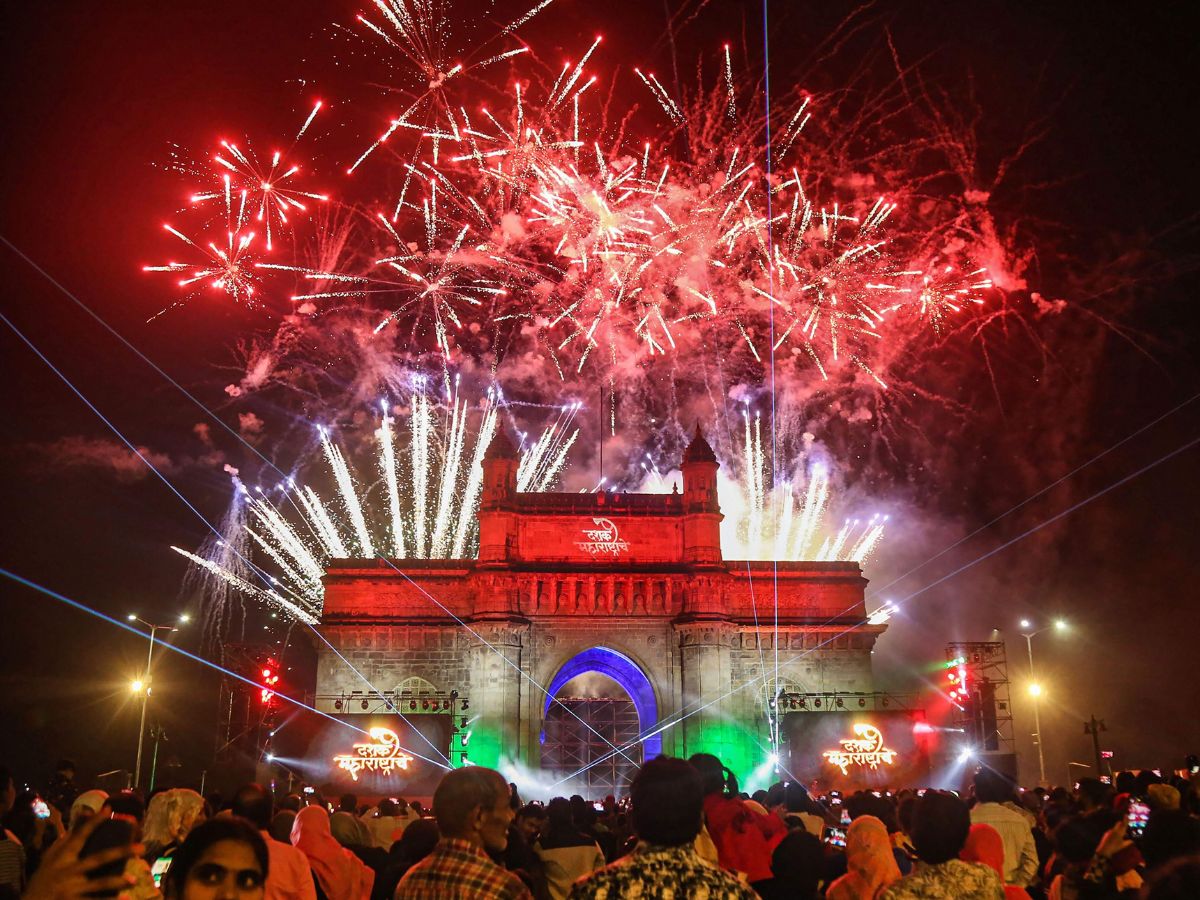
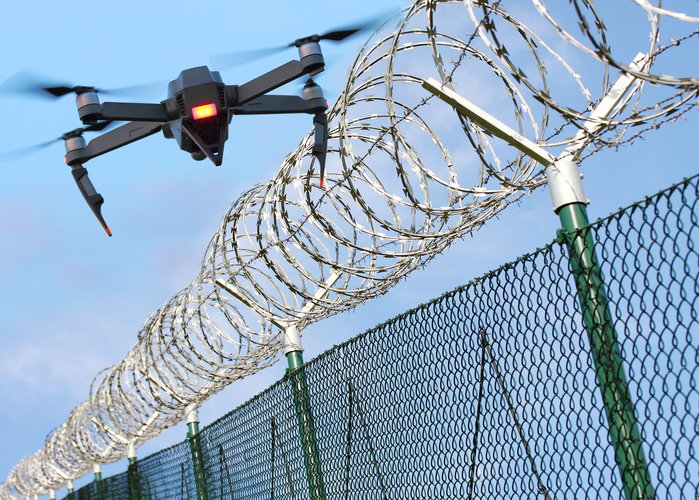
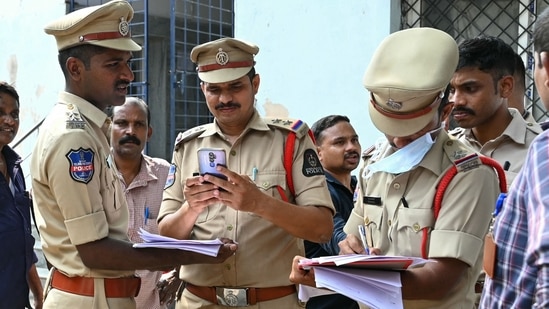
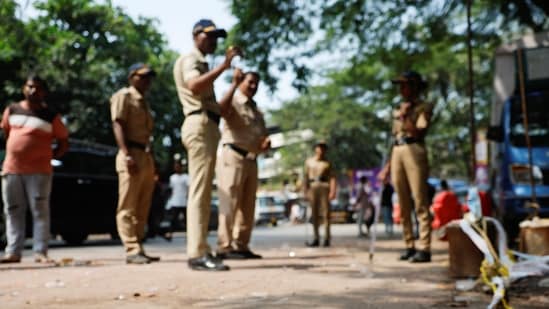
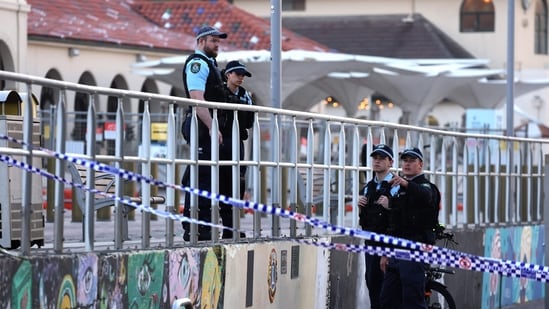
Key thoroughfares, especially those leading to iconic celebration spots like Delhi’s Connaught Place and India Gate, Mumbai’s Marine Drive and Gateway of India, and Bengaluru’s MG Road, were transformed into fortified zones. Multi-layered barricades, manned by police in riot gear and reinforced by Rapid Action Force units, funneled revellers into controlled entry points where rigorous frisking became the first rite of passage into the new year. Drones with high-resolution cameras whirred overhead, their silent surveillance casting a digital net over the crowds. The presence of anti-sabotage teams and bomb disposal squads, though deliberately low-key, was an unspoken reminder of the vulnerabilities that come with mass gatherings.
This security theatre, while arguably necessary, fundamentally altered the psychology of the celebration. The spontaneous, fluid joy of street parties was replaced by a more regulated, channelized movement. For many, the constant sight of armed forces and the procedural hurdles instilled a sense of safety; for others, it was a sobering reminder of the fraught times in which we live, where collective joy must be meticulously policed.
The Great Gridlock: Celebrating in Standstill
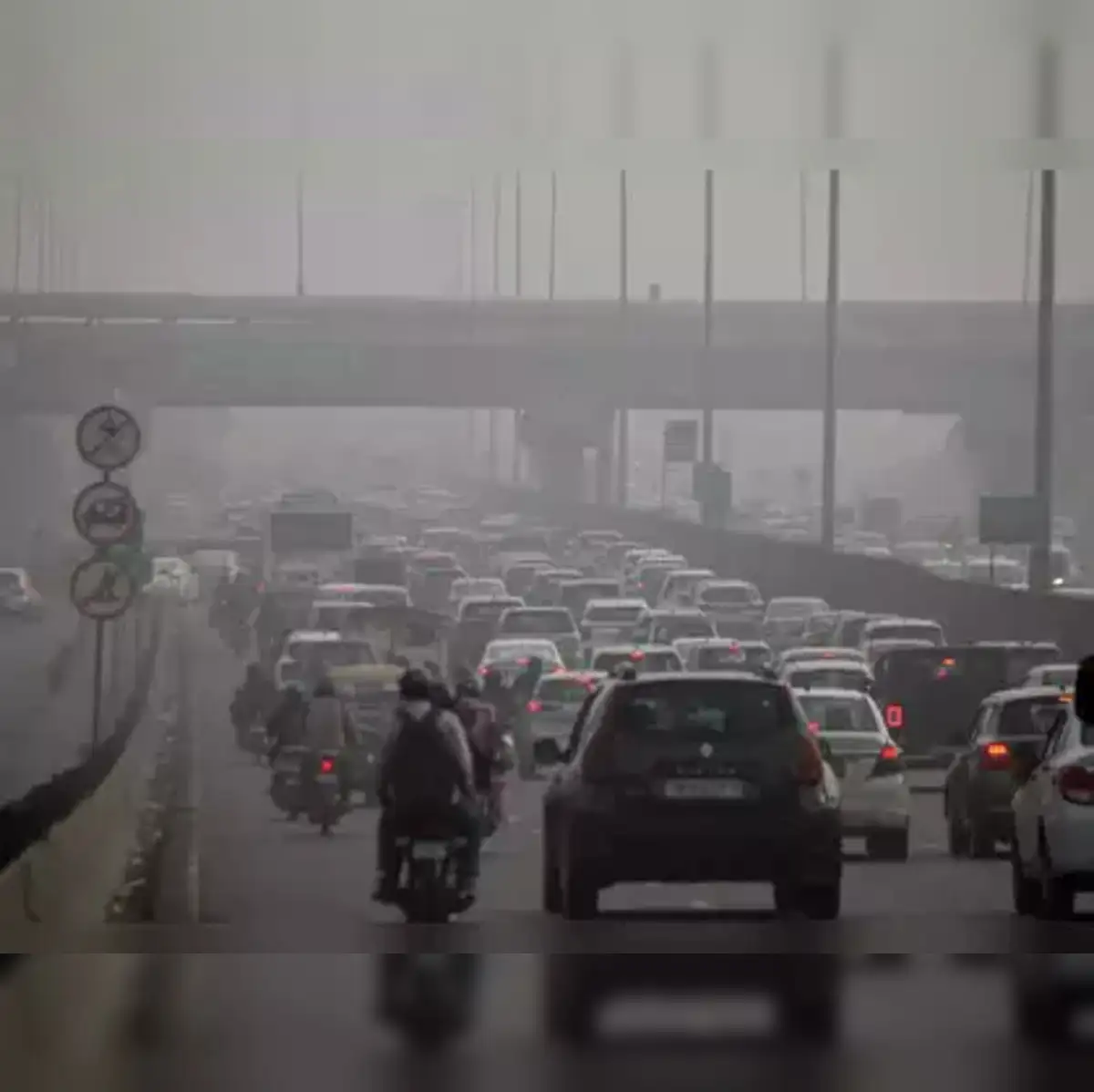
Inextricably linked to the security apparatus were the sweeping traffic curbs. From late afternoon onwards, city cores were declared no-go zones for private vehicles. Metro services, though extended, were overwhelmed, becoming sardine cans of anticipation. App-based cabs became gold dust, with surge pricing hitting astronomical levels, and their journeys truncated miles from the celebration epicentres.
The result was a surreal urban tableau. Vast, empty arteries of concrete, eerily silent under the glow of streetlights, surrounded islands of immense human density. Thousands resorted to walking miles in the cold, their festive attire hidden under puffer jackets and shawls, their laughter mingling with sighs of exhaustion. The journey to the celebration became a test of endurance, a pilgrimage through a maze of diversions and checkpoints. This logistical chokehold not only dampened spirits but also highlighted the chronic infrastructural strain Indian megacities operate under, where any large-scale event pushes the urban fabric to its tearing point.
The Biting Companion: Nature’s Icy Grip
Adding a layer of elemental adversity was the severe winter cold. A fierce wave of cold weather, with temperatures plunging to near-freezing levels in Delhi and single digits across North and parts of Western India, meant that celebrations were held in a literal deep freeze. The iconic images of revellers in sequins and shirts were largely replaced by scenes of huddled masses—people wrapped in mufflers, caps, and heavy jackets, their cheers visible as puffs of mist in the frigid air.
In places like Delhi’s Kartavya Path, the cold was a brutal equalizer. The open, majestic boulevard offered no refuge from the wind, turning the wait for midnight into an act of sheer resilience. Street vendors did a brisk business not just in party whistles and masks, but in hot tea, coffee, and maggi. The cold seeped into the bones, making every moment outdoors a conscious choice, and making the prospect of home and warmth a competing, powerful lure against the midnight countdown.
Contrasts and Coexistence: The Other Indias
Yet, to view India’s New Year solely through this lens of restriction and chill is to miss its profound complexity. Even as metropolitan hubs operated under lockdown-like protocols, other narratives coexisted.
In Goa and parts of Kerala, beach parties thumped with electronic music, the Arabian Sea providing a milder backdrop. In Northeastern states like Nagaland and Meghalaya, large Christian communities celebrated with church services and community feasts, where security concerns were less invasive but the cold was just as sharp. In countless small towns and villages, celebrations were intimate, centered around family bonfires (lohri preludes), home-cooked feasts, and the simple sharing of sweets, far removed from the state-imposed grids of the cities.
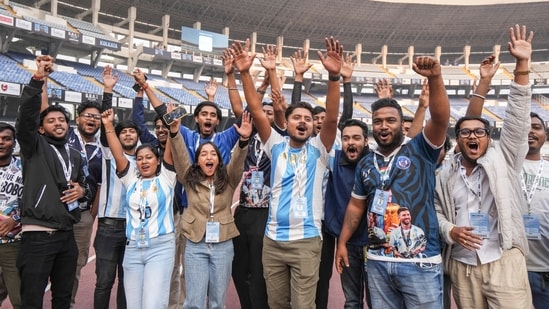
Furthermore, within the secured zones, the human spirit defiantly sparkled. As the clock struck twelve, the collective roar that went up in CP or at the Gateway was no less passionate. Strangers hugged, couples embraced, and families cheered—a momentary, powerful reclaiming of joy from the grips of security and cold. The restrictions formed the stage, but the people wrote the script with their resilience.
Conclusion: A Metaphor for the Year Ahead?
India’s entry into 2024 may well be a metaphor for the year to come. The nation steps forward, but its path is circumscribed by real and perceived threats, necessitating structures of control that inevitably curb certain freedoms. Its progress is hampered by infrastructural snarls that test the patience of its citizens. And all this happens under the unpredictable, often harsh, elements of a changing climate and a volatile world.
The heavy security, the traffic curbs, and the biting cold were not just conditions for a party; they were reflections of a nation in a cautious, guarded transition. The celebrations, therefore, were not a release from these realities, but a celebration in spite of them. They showcased the enduring Indian capacity to find warmth in togetherness, to navigate obstacles for a moment of shared hope, and to whisper a promise of renewal even when the dawn is fractured and freezing. As the first sun of 2024 rose over a weary, shivering, yet hopeful country, it illuminated not just a new day, but the enduring complexity of the world’s largest democracy.
Discover more from AMERICA NEWS WORLD
Subscribe to get the latest posts sent to your email.








![Smoke rises after Israeli strikes in Beirut's southern suburbs, on March 2 [Mohamad Azakir/Reuters]](https://america112.com/wp-content/uploads/2026/03/hgh.webp)