By Manisha Sahu | America News World
December 1, 2025
The International Criminal Court (ICC) opened its annual weeklong Assembly of States Parties on Monday amid a turbulent geopolitical landscape and intensifying pressure from major world powers. Despite sanctions, arrest warrants, and political pushback from the United States and Russia, ICC President Judge Tomoko Akane pledged that the world’s only permanent criminal court would not bend to powerful states seeking to obstruct its work.

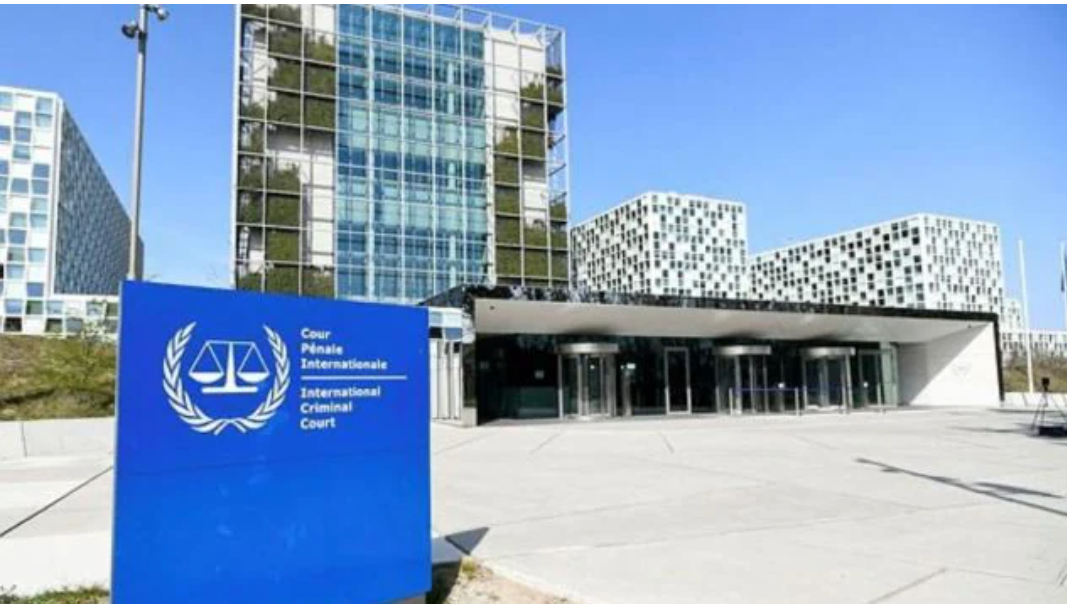
The ICC, founded in 2002, serves as the world’s permanent court of last resort, created to bring to justice those responsible for the gravest international crimes. (File Photo)
Speaking before representatives of the court’s 125 member nations in The Hague, Akane delivered a firm and unambiguous message: the ICC’s mandate to prosecute perpetrators of the gravest international crimes remains non-negotiable.
“We never accept any kind of pressure,” Akane declared, acknowledging the unprecedented strain placed on the institution. “Our commitment to justice is grounded in the Rome Statute, and no amount of intimidation can change that.”
Sanctions Target Top ICC Officials
The ICC’s current challenges stem in part from aggressive countermeasures by Washington and Moscow in response to ongoing investigations that implicate their officials.
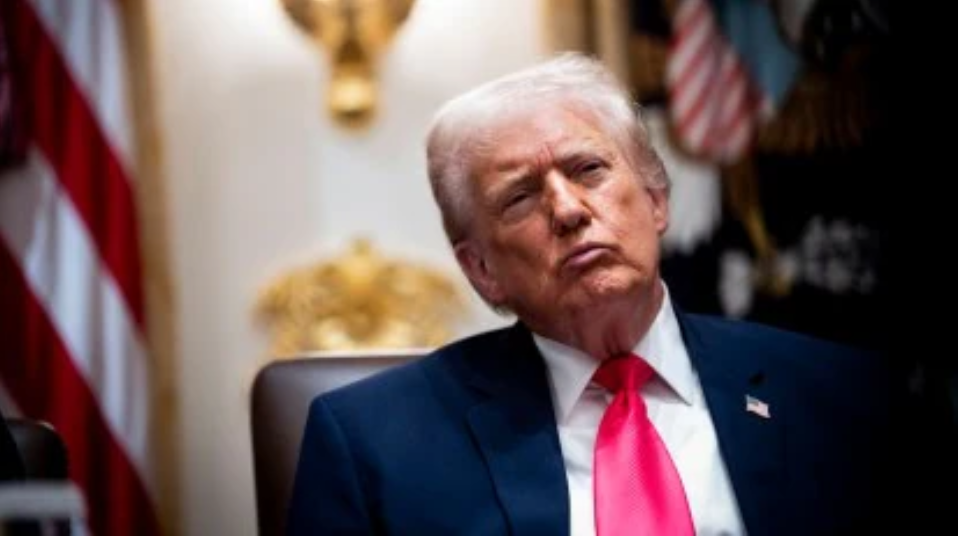
In his second term, U.S. President Donald Trump has revived and expanded earlier sanctions against ICC staff. Nine individuals—including six judges, senior administrators, and the court’s chief prosecutor, Karim Khan—have been sanctioned for pursuing cases involving U.S. and Israeli officials. The sanctions include travel restrictions, asset freezes, and limitations on international financial transactions, all of which have disrupted the court’s operations.
For the U.S., the friction centers on investigations into alleged war crimes committed by American personnel in Afghanistan and by Israeli officials in the occupied Palestinian territories. Israel, a close ally of the U.S., is not a party to the Rome Statute and fiercely rejects ICC jurisdiction.
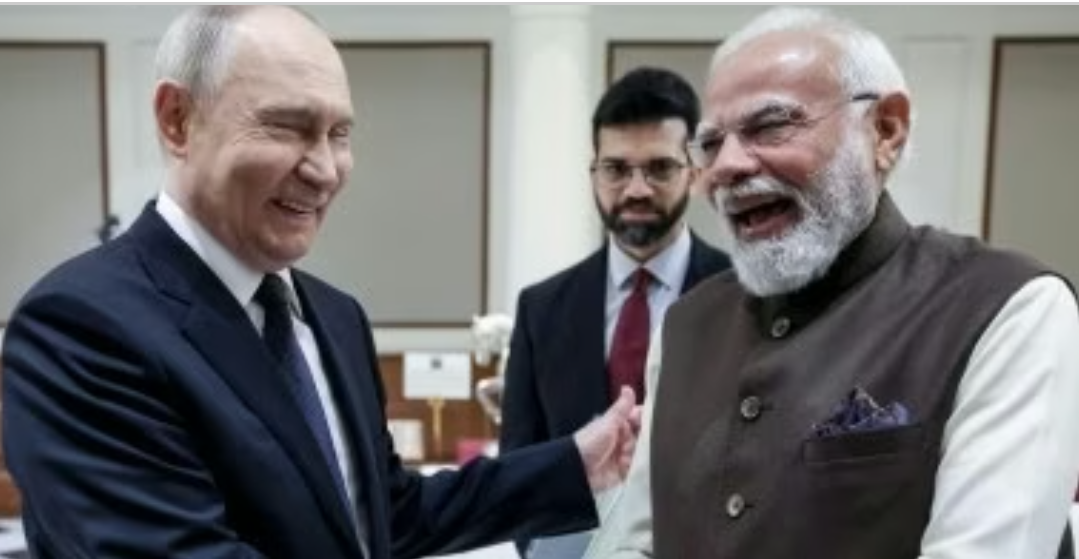
Moscow, meanwhile, has issued its own retaliatory arrest warrants against ICC staff. Russia’s move follows the ICC’s high-profile arrest warrant issued last year for President Vladimir Putin over allegations related to the war in Ukraine, including the unlawful deportation of Ukrainian children. The Kremlin has dismissed the charges as politically motivated and responded with its own legal threats, escalating the standoff.
Political Pressure Takes Operational Toll
Akane acknowledged that the sanctions and political attacks have had a measurable impact on the ICC’s workload. With judges and senior officials facing international travel restrictions and reputational risks, the court has encountered hurdles across multiple investigations.
“The sanctions have taken their toll on the court’s work across a broad array of investigations,” Akane noted, underscoring that the institution is increasingly burdened by global crises while operating with finite resources.
This year’s Assembly meeting is expected to focus heavily on budgetary concerns. Member states must approve the ICC’s budget for the coming year amid growing expectations that the court take on more cases—from Gaza to Ukraine to Sudan—while navigating hostile actions from some of the world’s most powerful governments.
Unfavorable headlines have compounded the court’s internal stresses. Prosecutor Karim Khan has temporarily stepped aside after allegations surfaced regarding sexual misconduct involving a female aide. The investigation, overseen independently, has dragged on longer than anticipated, testing member states’ patience.
Päivi Kaukoranta, President of the Assembly of States Parties, addressed the issue directly. “I am well aware that states have been frustrated with the length of this process,” she said. “However, we are committed to transparency and due process. The integrity of the Office of the Prosecutor is paramount.”
Khan has denied all allegations and expressed confidence that he will be cleared.
Israel–Gaza Conflict Continues to Drive Tensions
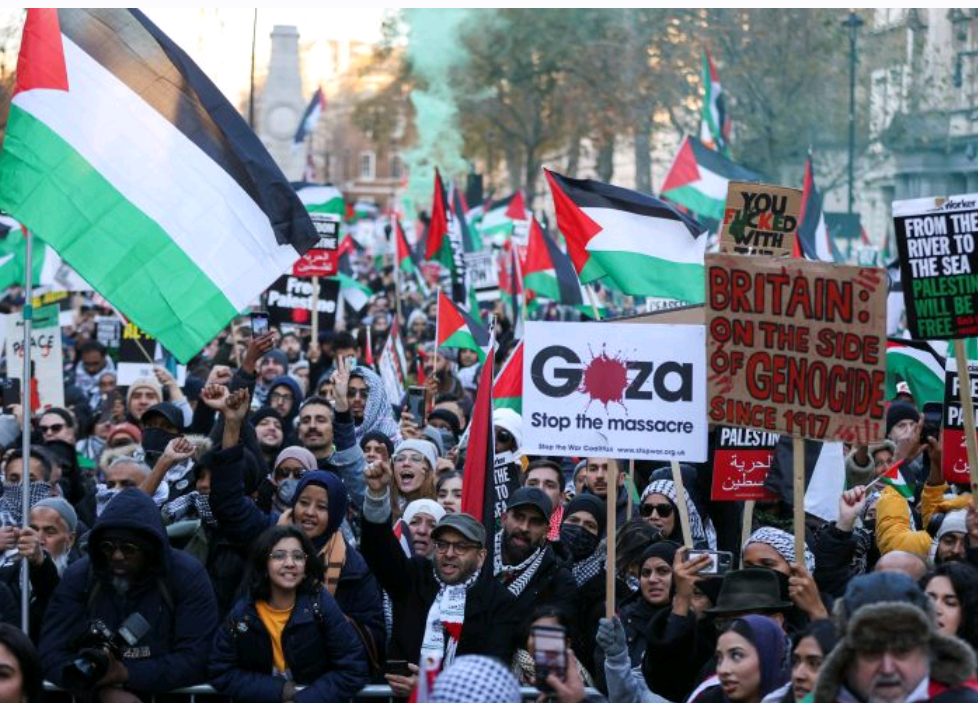
One of the court’s most politically sensitive investigations remains the Israel–Hamas conflict. In May 2024, the ICC issued arrest warrants for Israeli Prime Minister Benjamin Netanyahu and former Defense Minister Yoav Gallant over alleged war crimes committed during Israel’s military campaign in Gaza following the October 7, 2023 Hamas attacks.
The warrants sparked fury in Israel and Washington, where officials accused the court of bias. The Biden administration had pushed back strongly during its term; the Trump administration has taken an even more confrontational position, arguing that Israel, like the U.S., falls outside ICC jurisdiction since neither country is a signatory to the Rome Statute.
Nevertheless, the ICC has maintained that it possesses jurisdiction because the State of Palestine—recognized by the United Nations as a non-member observer state and by the ICC’s Assembly of States Parties—acceded to the Rome Statute in 2015.
A Court Without a Police Force
Despite its global mandate, the ICC lacks an enforcement mechanism of its own. It relies entirely on member states to execute arrest warrants—a point often cited by critics who argue the court issues rulings it cannot implement.
Supporters, however, contend that the court’s symbolic and legal power exerts long-term pressure on alleged perpetrators and strengthens the international norms against genocide, crimes against humanity, war crimes, and the crime of aggression.
Established in 2002, the ICC was designed as a court of last resort, intervening only when national governments are “unwilling or unable” to prosecute grave crimes on their own. For Akane, the political backlash is proof that the court is doing its job.
“The ICC was never meant to be comfortable,” she said. “It was meant to challenge impunity, even when the perpetrators are shielded by powerful states.”
As the ICC’s annual gathering continues, member states will grapple with the dual challenge of strengthening the court’s capacity while confronting geopolitical tensions that threaten its independence.
Despite clear obstacles—sanctions, threats, and public controversy—Judge Akane struck an uncompromising tone. “Justice is not a privilege,” she said. “It is a right owed to victims everywhere. We will continue our work without fear or favor.”
For an institution forged in the aftermath of the world’s most brutal conflicts, the latest pressures may yet reaffirm its core purpose: holding even the most powerful individuals accountable for actions that shock the conscience of humanity.
Discover more from AMERICA NEWS WORLD
Subscribe to get the latest posts sent to your email.






![Smoke rises after Israeli strikes in Beirut's southern suburbs, on March 2 [Mohamad Azakir/Reuters]](https://america112.com/wp-content/uploads/2026/03/hgh.webp)