By_shalini oraon

Beyond the Boast: Unpacking Trump’s Claim of Halting an India-Pakistan Conflict
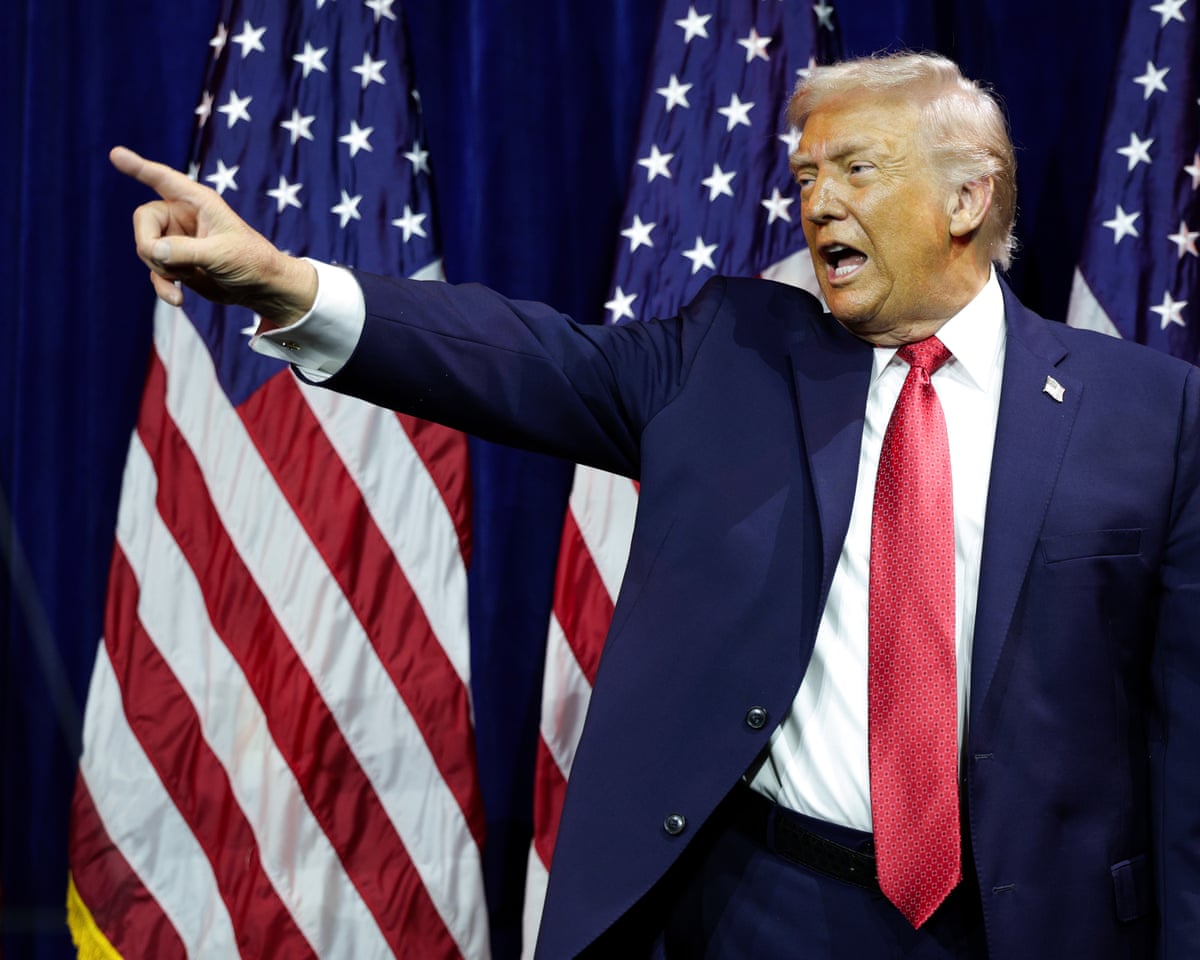
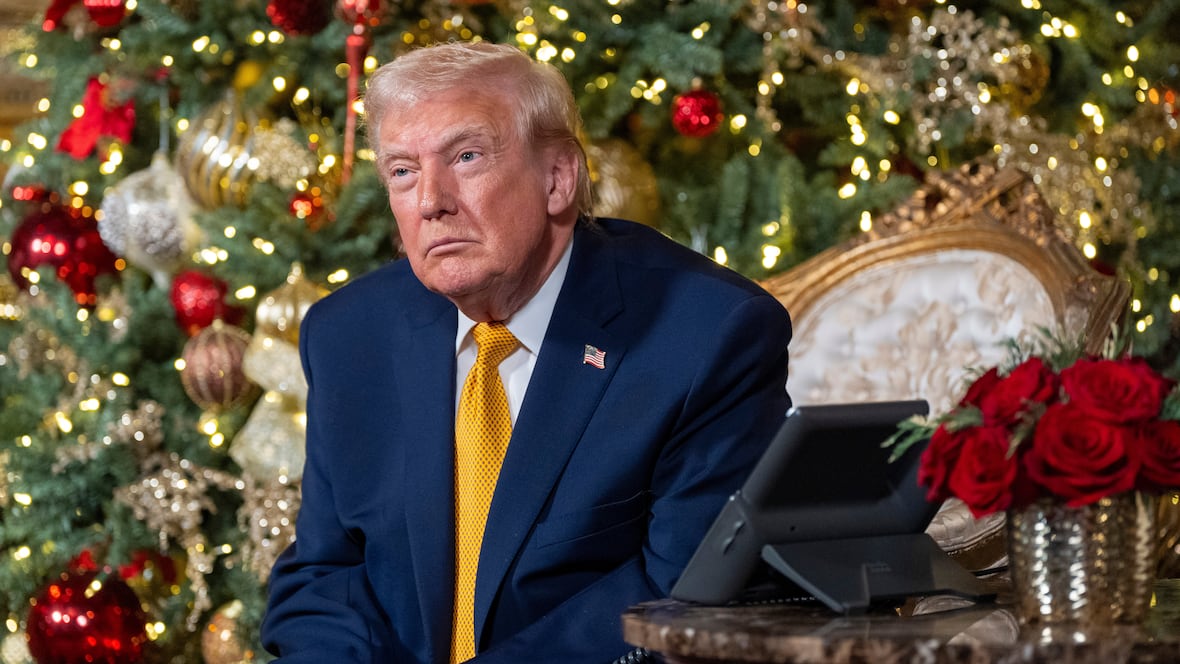
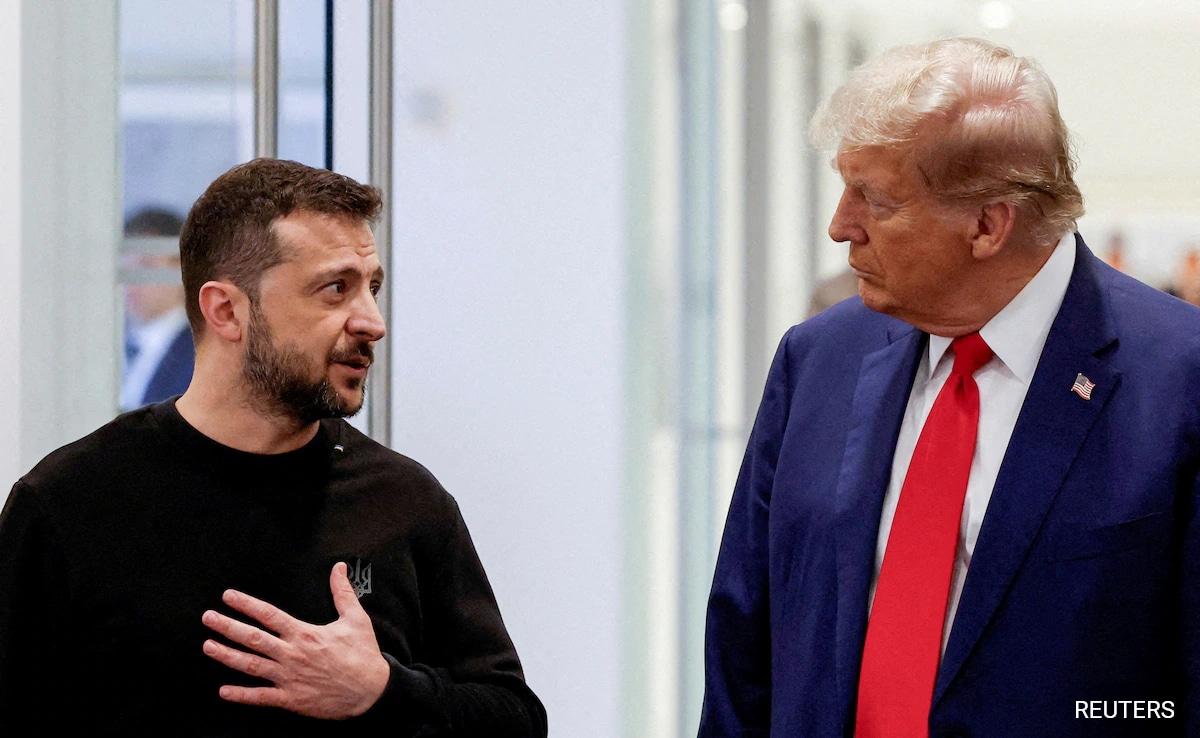
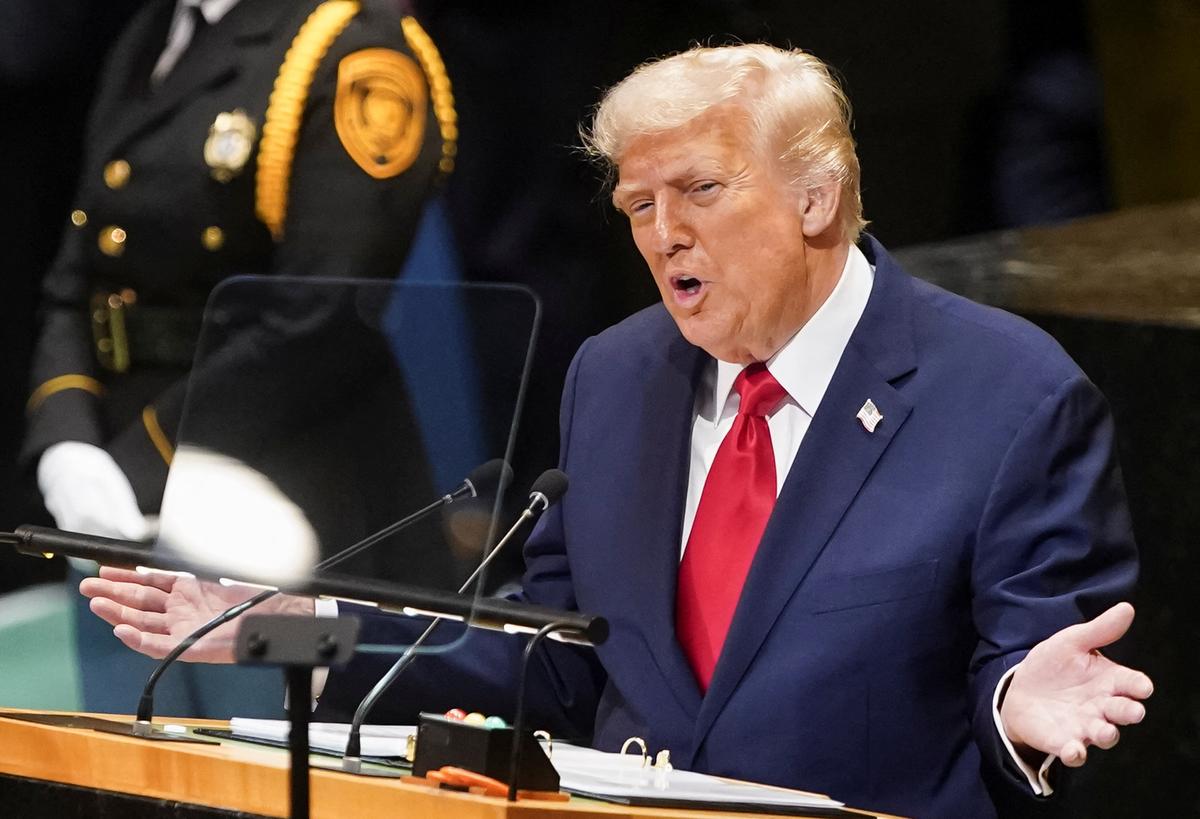
The statement, delivered with characteristic bravado at a rally or in an interview—”I got it done in rapid order”—has become a recurring feature of Donald Trump’s narrative on foreign policy. In it, he claims to have single-handedly and swiftly averted a major military conflict between India and Pakistan. Like many of his assertions, it exists in a space between political mythmaking and a distorted reflection of real events. Unpacking this claim requires examining the historical context, the limited public record, and the significant implications of reducing complex nuclear diplomacy to a personal victory.
The Historical Flashpoint: February 2019
The claim is anchored in a genuine crisis. In February 2019, following a devastating suicide attack in Pulwama, Indian-administered Kashmir, which killed 40 Indian security personnel and was claimed by a Pakistan-based militant group, tensions escalated dramatically. India launched an airstrike on what it said was a militant training camp in Balakot, Pakistan. The next day, Pakistan retaliated with aerial strikes, and in the ensuing dogfight, an Indian MiG-21 was shot down, and its pilot, Wing Commander Abhinandan Varthaman, was captured by Pakistan.
For approximately 48-72 hours, the world watched with acute anxiety as two nuclear-armed rivals stood on the brink of a wider, unpredictable conflict. Global capitals, from Washington to Beijing, called for restraint. It was within this window that then-President Trump claims his decisive intervention occurred.
The “Rapid Order” Intervention: What Does the Record Show?
Publicly available information suggests a more nuanced, multilateral effort than Trump’s soliloquy implies.
1. The Trump Administration’s Role: There is no doubt the U.S. was actively engaged. Secretary of State Mike Pompeo stated he worked “to encourage each country to de-escalate.” He claimed to have spoken “with leaders in both countries…to prevent further military activity.” This is standard and vital crisis diplomacy from a major power with ties to both nations.
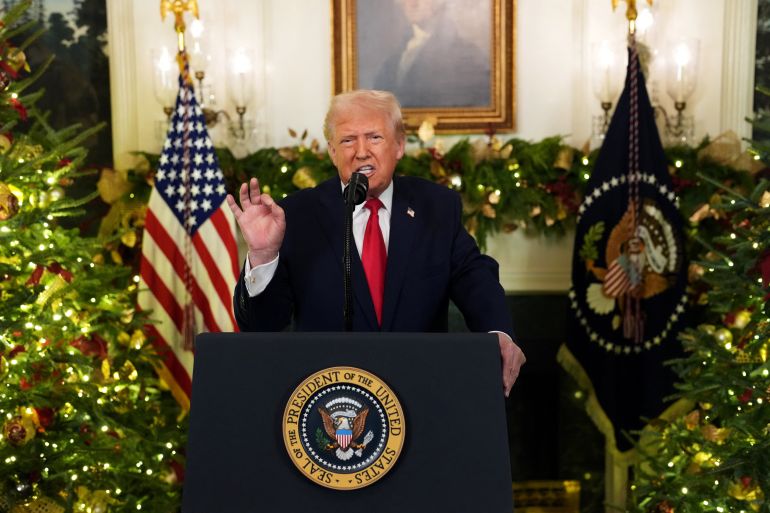
2. Trump’s Own Account: In a press encounter in February 2020, Trump elaborated, saying he had received a “very scary” call from Prime Minister Narendra Modi about the conflict. He framed his intervention as: “We have a lot of planes. We have a lot of ships…We are in that part of the world.” The implication was one of overwhelming force as a deterrent. However, no independent reports confirm this specific version of events. Indian officials have been conspicuously silent or have downplayed the specifics of such a dramatic appeal.
3. The Role of Others: Crucially, de-escalation was a multi-party effort. Key mediation occurred through backchannels involving third parties like the United Arab Emirates and Saudi Arabia. Most analysts agree that the primary and most effective pressure on Pakistan to release the captured Indian pilot came from these Gulf states, with whom Pakistan has deep economic and strategic ties. Furthermore, both India and Pakistan had powerful, independent reasons to step back: neither wanted an all-out war, and international pressure (from the UN, China, Russia, and the EU) was unanimous.
Deconstructing the Narrative: Why This Claim is Made
Trump’s repetition of this story serves several purposes, consistent with his political brand:
· The Strongman Archetype: It cultivates the image of the singular, deal-making leader who can solve intractable global problems through sheer force of will and the implied threat of American power. It reduces a multifaceted diplomatic scramble to a simple transaction he “got done.”
· Distraction from Complex Realities: The India-Pakistan rivalry is rooted in seven decades of history, territorial dispute, cross-border terrorism, and national identity. Claiming a quick fix glosses over this unbearable complexity, offering a satisfying but simplistic story of American omnipotence.
· Political Utility: For a domestic audience, it serves as a potent “America First” foreign policy trophy—proof that his unpredictable style yields results and that he commands respect on the world stage.
The Dangerous Implications of the Simplification
Beyond political posturing, this narrative carries real-world risks:
· Undermines Professional Diplomacy: It erases the meticulous, quiet work of career diplomats, intelligence officers, and international mediators who worked the phones and channels to prevent catastrophe. This undermines the very infrastructure of statecraft needed to manage future crises.
· Misreads Nuclear Dynamics: Framing it as a personal triumph suggests that such crises are easily manageable by a strong leader. This underestimates the terrifying momentum of escalation once military operations begin between nuclear neighbors, where miscalculation is the greatest threat.
· Insults Partner Agency: The claim implicitly reduces India and Pakistan to unruly children needing paternal intervention. It dismisses the sober calculations made in New Delhi and Islamabad, the domestic political pressures each leader faced, and their ultimate, sovereign decisions to de-escalate.
· Creates a False Benchmark: It suggests that future crises can and should be resolved with similar “rapid order” forcefulness, potentially encouraging risky, unilateral approaches over coordinated, multilateral diplomacy.
Conclusion: A Myth in the Making
Donald Trump’s claim of halting an India-Pakistan war “in rapid order” is best understood as a political myth grafted onto a real and terrifying crisis. While the U.S. undoubtedly played a constructive role in a chorus of global calls for calm, the available evidence points to a diffuse, international effort where regional actors and the two adversaries’ own rational calculations were likely more decisive.
The enduring danger of the myth is not just one of historical inaccuracy. It lies in promoting a vision of international relations where complex, deeply rooted conflicts are susceptible to theatrical, unilateral solutions, thereby devaluing the patient, collective, and nuanced diplomacy upon which our survival in an age of nuclear weapons may ultimately depend. The reality of February 2019 was a narrow escape forged by many hands; remembering it as the feat of one man is a disservice to history and a risky template for the future.
Discover more from AMERICA NEWS WORLD
Subscribe to get the latest posts sent to your email.

![Smoke rises after Israeli strikes in Beirut's southern suburbs, on March 2 [Mohamad Azakir/Reuters]](https://america112.com/wp-content/uploads/2026/03/hgh.webp)