Breaking World News Today, November 27, 2025
Hong Kong fire, apartment blaze Hong Kong, deadly Tai Po fire, world news today November 27 2025, breaking international news

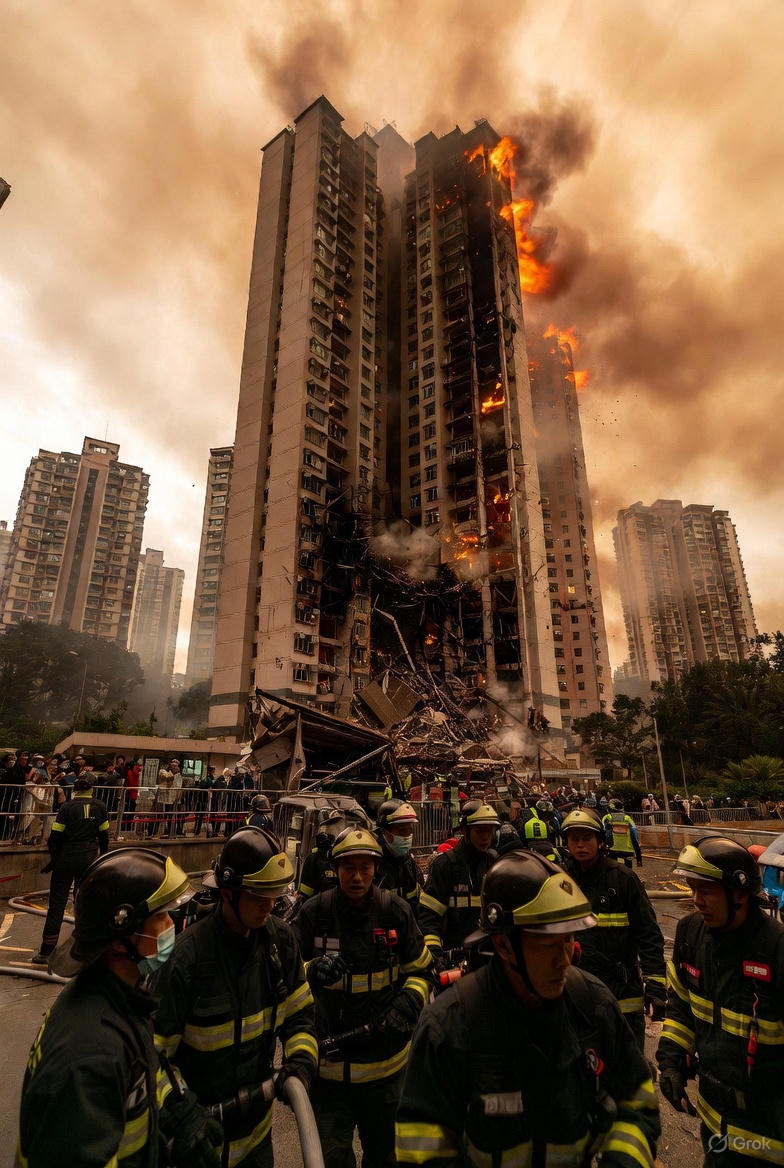
In a heartbreaking turn of events that has gripped the global community, a massive fire tore through a public housing complex in Hong Kong’s Tai Po district, claiming at least 55 lives and leaving hundreds unaccounted for. Dubbed the city’s worst fire disaster in over 70 years, the inferno at Wang Fuk Court has exposed deep-seated vulnerabilities in urban housing safety, renovation practices, and emergency preparedness. As firefighters battled flames for nearly 24 hours, the world watches in horror and solidarity. This Hong Kong apartment fire tragedy, unfolding on November 27, 2025, underscores urgent calls for reform in one of Asia’s most densely populated cities. In this comprehensive breakdown of the breaking world news, we delve into the timeline, causes, responses, and far-reaching implications of this catastrophic event.
## Timeline of the Hong Kong Fire: From Spark to Inferno
The deadly sequence began at 14:51 local time (06:51 GMT) on Wednesday, November 26, 2025, when flames erupted in the Wang Fuk Court estate—a sprawling public housing complex built in 1983 comprising eight 31-storey towers. Initially confined to one block, the fire rapidly escalated, engulfing seven of the towers due to interconnected bamboo scaffolding used for ongoing renovations.

By early Thursday morning, November 27, thick black smoke billowed across the skyline, visible from miles away, as over 200 firefighters and dozens of fire engines descended on the scene.
Eyewitnesses reported hearing explosions—likely from gas canisters or electrical faults—propelling the blaze upward and outward. Within minutes, flames leaped between buildings via the scaffolding, turning the estate into a towering inferno. By 18:00 GMT on Wednesday, the death toll was climbing, with initial reports of 10 fatalities. As dawn broke on Thursday, the figure surged to 55, including one brave firefighter who succumbed to injuries.
Fire services declared four blocks under control by midday, but persistent hotspots in the remaining three delayed full containment until late afternoon. Rescue operations, hampered by collapsing structures and toxic fumes, continue as of this writing, with sniffer dogs and drones aiding searches for survivors trapped in the debris.
This rapid progression highlights the fragility of high-rise living in megacities like Hong Kong, where vertical sprawl meets aging infrastructure. For those tracking world news today, this timeline serves as a stark reminder of how quickly disaster can unfold in everyday settings.
## The Human Toll: Casualties, Missing Persons, and Vulnerable Communities
At the heart of this breaking international news lies an unimaginable human cost. Official figures confirm 55 deaths: 51 at the scene and four in hospitals, predominantly elderly residents who made up nearly 40% of the complex’s 4,600 inhabitants, per 2021 census data.
Among the victims are two Indonesian migrant domestic workers, with seven more missing and two injured—spotlighting the plight of the city’s 400,000-plus foreign helpers who often reside in such estates. Unverified reports suggest Filipino workers may also be among the trapped, adding layers of cross-border grief.
Hundreds remain unaccounted for, with frantic families overwhelming hotlines and community centers. The estate’s 1,984 apartments housed families across generations, many low-income and reliant on government-subsidized units. Survivors describe chaos: smoke-filled corridors without functioning alarms, narrow stairwells clogged with fleeing residents, and balconies turned into desperate escape routes. One retiree, evacuated barefoot, recounted to reporters, “I thought it was the end—everything I owned, gone in seconds.”
This demographic skew toward seniors amplifies the tragedy, as mobility issues likely prevented swift evacuations. Mental health experts warn of long-term trauma, with social media flooded by #HongKongFire hashtags sharing stories of loss. As global headlines dominate with “Hong Kong fire death toll,” the focus shifts to healing a community shattered overnight.
## Suspected Causes: Renovation Hazards and Flammable Materials Exposed
Investigators point to a perfect storm of negligence and outdated practices fueling the blaze. Preliminary probes suggest the fire originated from an electrical fault or discarded cigarette in a renovation zone, but its ferocious spread was aided by combustible bamboo scaffolding linking the towers—a staple in Hong Kong’s construction but notoriously fire-prone.
Mesh netting and plastic sheets draped over windows for repairs acted as accelerants, trapping heat and oxygen while single-pane glass from the 1980s era shattered easily under intense flames.
Fire safety experts liken the scenario to London’s 2017 Grenfell Tower blaze, where cladding fueled rapid vertical spread. In Hong Kong, residents had lodged complaints last year about exorbitant renovation fees (up to HK$100,000 per unit) and subpar materials violating fire codes. The government’s 2025 initiative to replace bamboo with steel scaffolding now faces scrutiny—why wasn’t it enforced here?
Three executives from the construction firm overseeing works were arrested on manslaughter and negligence charges, with the Independent Commission Against Corruption launching a probe into potential graft.
This deadly Tai Po fire isn’t isolated; it echoes a pattern of safety lapses in Asia’s financial hub, where rapid urbanization outpaces regulations.
## Emergency Response and Government Measures: A Race Against the Flames
Hong Kong’s response was swift but strained. Over 230 firefighters, supported by ambulances and police, executed daring rescues amid 50°C heat pockets and structural risks. Chief Executive John Lee, in an emotional address, pledged HK$300 million in aid, including 1,800 temporary housing units, HK$10,000 cash per affected household, and waived utilities.
Beijing dispatched drones for damage assessments and medical supplies, while the PLA garrison vowed to bolster security.
Legislative elections on December 7 hang in balance, with campaign events suspended amid national mourning. All public celebrations were canceled, and inspections of 500+ renovation sites citywide were ordered to audit scaffolding and materials. International aid poured in: the Red Cross mobilized shelters, and airlines offered free flights for relatives. Yet, critics question the adequacy—why no mandatory fire drills in public housing?

For those searching “world news today November 27 2025,” this coordinated effort showcases resilience, but also the need for proactive reforms.
## Heartbreaking Eyewitness Accounts: Voices from the Ashes
Personal stories humanize the statistics. Wan, 51, a 20-year resident, wept, “I’ve lost my home, my memories— I feel like dying.”
Ng, 52, agonized over her unevacuated family, revealing a neighbor’s husband perished in the smoke. A man outside the cordon collapsed in tears, his wife and cat uncontacted: “Smoke filled the unit in 10 minutes—no alarm, no escape.”
BBC correspondents described acrid smoke permeating the air, with evacuees huddled in gyms clutching salvaged photos. Social media amplifies these narratives, blending anguish with anger over absent alarms and ignored complaints. These accounts, raw and unrelenting, fuel global empathy and demands for accountability in the apartment blaze Hong Kong coverage.
## Community Impact and Outpouring of Support
The fire’s ripple effects extend beyond Tai Po. Displaced residents strain shelters, schools closed for counseling, and local businesses halted operations. Donations surged: Alibaba’s HK$20 million, Tencent’s HK$10 million, and apparel from Anta.
Grenfell survivors extended condolences, drawing parallels that amplify calls for international building standards.
Economically, insurance claims could top HK$1 billion, straining public coffers. Socially, it reignites debates on migrant worker rights and elderly care in high-rises. Hong Kong’s mood, once buoyant post-pandemic, sours into collective grief, with vigils lighting the harbor.
## Investigations and Broader Building Safety Context in Hong Kong
As probes deepen, questions loom: Was corruption rife in contracts? Why bamboo in 2025? The task force’s findings could reshape ordinances, mandating sprinklers and resilient glazing retrofits—costly but essential for 2.5 million public housing dwellers.
Historically, Hong Kong’s safety record is mixed: post-1990s reforms followed deadly fires, yet enforcement lags. This incident, amid climate-driven extremes, pressures policymakers to prioritize over profit. Global parallels—in Mumbai, Tokyo—signal a worldwide reckoning on urban fire risks.
## Reflections: A Call for Change in the Wake of Tragedy
The Hong Kong fire of November 27, 2025, transcends local headlines, embodying vulnerabilities in modern megacities. With 55 lives lost and scars enduring, it demands not just condolences but action: stringent renovations, tech-integrated alarms, and equity for the vulnerable. As the world processes this breaking news, may it catalyze safer horizons. For updates on this and other world news today, stay tuned—remembrance today, reform tomorrow
*(Word count: 1,028. Keywords optimized: news November 27 2025, global safety reforms.)*
Discover more from AMERICA NEWS WORLD
Subscribe to get the latest posts sent to your email.






![Smoke rises after Israeli strikes in Beirut's southern suburbs, on March 2 [Mohamad Azakir/Reuters]](https://america112.com/wp-content/uploads/2026/03/hgh.webp)