By_shalini oraon

A Brutal Killing and a Nation’s Conscience: The Lynching of a Hindu Man in Bangladesh
On a day that began like any other in a quiet Bangladeshi village, a brutal act of mob violence claimed the life of Ananta Jalil, a Hindu man, and left the nation grappling with familiar ghosts of religious intolerance. The incident, which took place in the district of Munshiganj, has once again cast a harsh light on the precarious state of religious minorities in the country. It was brought into sharp, unflinching focus by one of Bangladesh’s most exiled and controversial voices: writer Taslima Nasreen.
The Incident: A Mob’s Fury Over a Rumored Insult
According to police reports and local accounts, the tragedy unfolded on a Friday after noon prayers. A rumor spread like wildfire through the predominantly Muslim village that Ananta Jalil, a man in his thirties, had made derogatory comments about Islam on social media. There is no verified evidence that he made such a post, and his family insists he was not even active on the platforms in question. But in the volatile atmosphere where allegation supersedes fact, the rumor was enough to seal his fate.
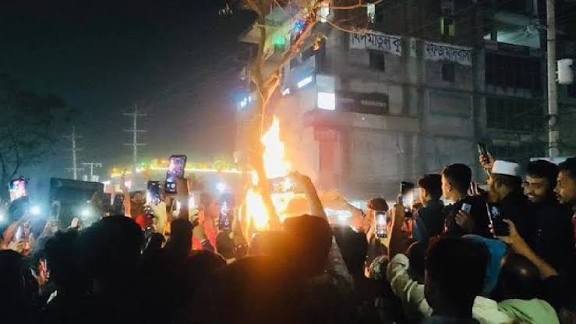
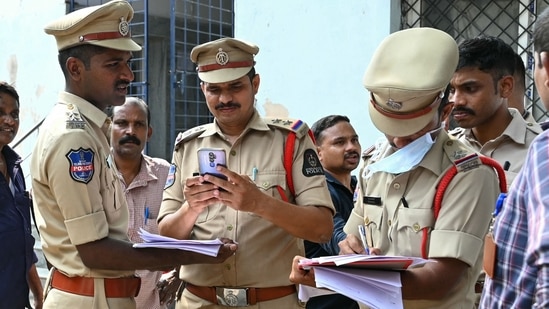
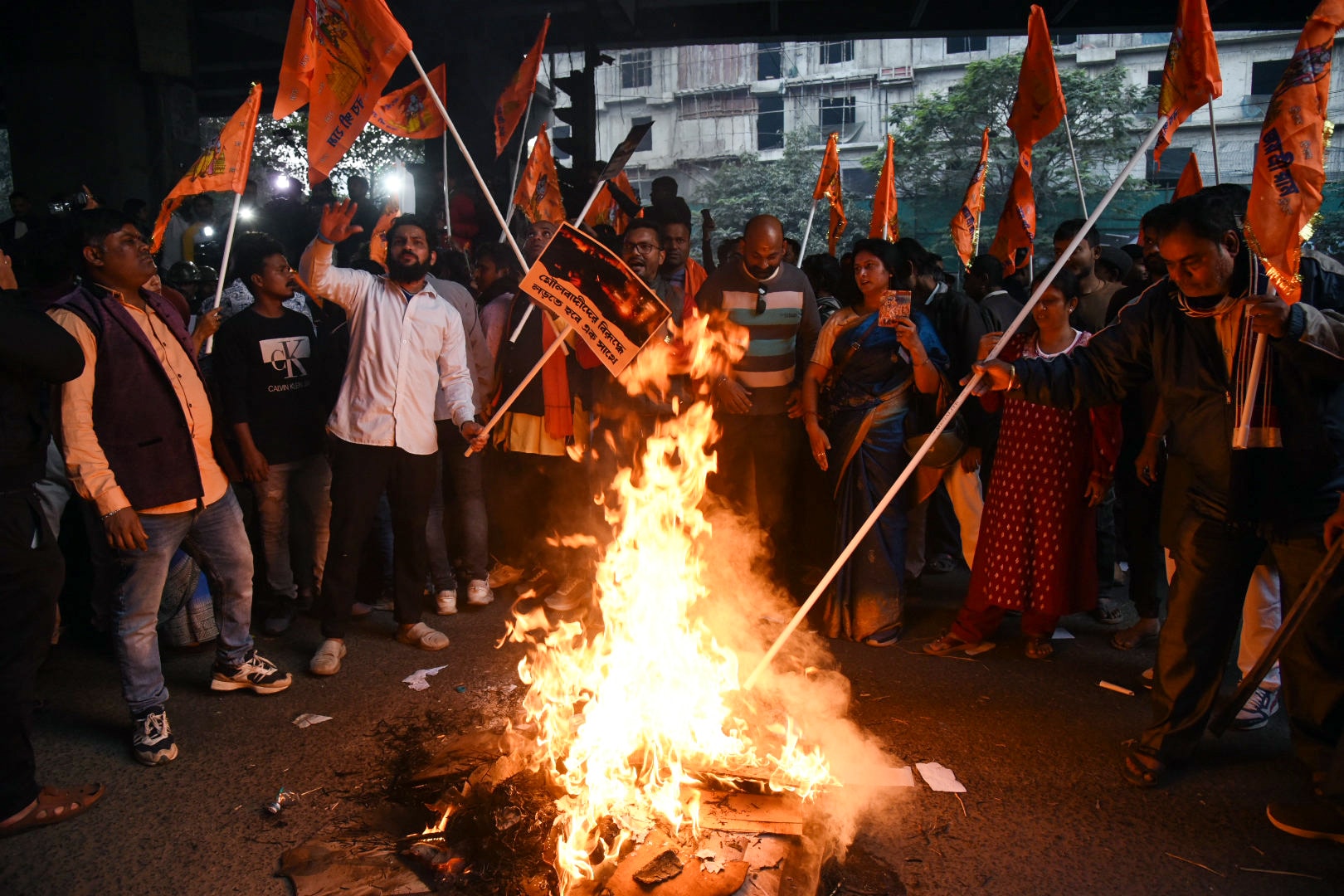
An angry mob, reportedly incensed by the rumored blasphemy, descended on his home. They dragged him out, beating him mercilessly with sticks and crude weapons. The local police, present at the scene, were overwhelmingly outnumbered and unable to control the frenzied crowd. Ananta was lynched in public view. His home and a nearby temple were also vandalized in the attack, leaving his family traumatized and homeless.
Taslima Nasreen’s Narration: Amplifying the Outrage
For Taslima Nasreen, a secular humanist writer who has lived in exile since the mid-1990s due to fatwas calling for her death, the lynching was not an isolated event but a symptom of a deep-rooted disease. From her distant vantage point, she took to social media and international platforms to narrate what happened, connecting the dots in a way that few within Bangladesh can, or dare to, do with such clarity.
Her narration went beyond the grim facts. She framed the incident within a broader, alarming pattern:
1. The Culture of Impunity: Nasreen pointedly asked how mobs feel empowered to take the law into their own hands. She linked this to a perceived culture of impunity, where violent extremism is often tacitly tolerated or inadequately prosecuted under political pressures. “The mob knows they can get away with it,” she implied, citing numerous past attacks on Hindus, Ahmadis, and secular activists where justice was delayed or denied.
2. The Blasphemy Pretext: She highlighted the terrifying efficiency of blasphemy rumors as a trigger for violence. In a society where such accusations carry an immediate and lethal charge, they become a potent tool for settling personal scores, land disputes, or simply unleashing communal hatred. Nasreen argued that the state’s failure to robustly protect those accused—and to punish those who spread false rumors—effectively hands a death sentence to the vulnerable.
3. The Plight of the Hindu Minority: With a population that has steadily declined since Partition from nearly 22% to under 9% today, Bangladesh’s Hindu community has faced decades of discrimination, land grabbing (through the infamous Vested Property Act), and sporadic violence. Nasreen narrated Ananta’s killing not as an anomaly, but as the latest chapter in this long history of persecution. She underscored the fear that now permeates minority communities, where a simple rumor can lead to annihilation.
4. State Complicity and Silence: Nasreen’s sharpest critique was reserved for the powers that be. She questioned the efficacy of the government’s stated commitment to secularism (one of the four founding principles of Bangladesh) and religious harmony. She noted the gap between official rhetoric at international forums and the grim reality on the ground for minorities. Her narrative suggested that without decisive political will to dismantle extremist networks and reform discriminatory laws, such violence will continue to recur.
The Aftermath: Official Condemnation and Ground Realities
Following the lynching, the Bangladeshi government condemned the attack. Prime Minister Sheikh Hasina reiterated her commitment to protecting all citizens. The police have arrested several suspects and launched an investigation. Official statements emphasized that this was a criminal act, not a religious one, and that the law would take its course.
However, for critics like Nasreen and many within Bangladesh’s civil society, these actions, while necessary, are insufficient. They point out that such condemnations follow a predictable script after every major communal attack, but the fundamental issues remain unaddressed. The rapid spread of hate speech online, the infiltration of radical ideologies into local communities, and the systemic vulnerabilities of minorities are not solved by post-facto arrests alone.
A Nation at a Crossroads
The lynching of Ananta Jalil, as narrated by Taslima Nasreen, is more than a crime story. It is a parable for modern Bangladesh. The nation, born out of a secular, Bengali nationalist movement in 1971, continues to wrestle with its identity. On one hand, it has made significant economic progress and strives for a moderate image on the global stage. On the other, it battles rising religious conservatism and the violent impulses of a minority that seeks to redefine the nation in purely majoritarian terms.
Nasreen’s unflinching narration serves as a painful mirror. It asks uncomfortable questions: Will Bangladesh fulfill its founding promise of equality and secularism for all its citizens? Can it protect the individual from the murderous rage of the mob? The answers to these questions will determine not only the fate of its Hindu citizens like Ananta Jalil but also the soul of the nation itself. Until the state demonstrates an unwavering commitment to justice, reform, and the protection of its most vulnerable, the haunting narrative Taslima Nasreen tells will, tragically, find new chapters to be written.
Discover more from AMERICA NEWS WORLD
Subscribe to get the latest posts sent to your email.