

By_shalini oraon

An Attack That Chills a Nation: Hindu Businessman’s Brutal Killing Ignites Fear in Bangladesh
In a horrific incident that has sent shockwaves through Bangladesh and drawn international condemnation, a Hindu businessman was brutally attacked with sharp weapons before being set on fire in the eastern district of Cumilla. The victim, identified as Nikhil Chandra Roy, a 45-year-old grocery shop owner and father of two, was ambushed near his home, subjected to a savage assault, and doused in flammable liquid. This act of extreme violence is not an isolated tragedy but a stark flare-up in a persistent pattern of sectarian intimidation and violence that threatens the secular fabric of the nation.
The Anatomy of a Hate Crime
The attack occurred in the early evening as Roy was returning from his shop in the village of Dakshin Durgapur. According to police reports and eyewitness accounts cited in local media, a group of assailants, their faces obscured, waylaid him. They first attacked him with machetes (daos), inflicting severe wounds to incapacitate him. In a final, unspeakably cruel act, they then poured what is believed to be kerosene or petrol over his body and set him alight. He was found by locals, still alive but with burns covering over 70% of his body. Despite being rushed to Cumilla Medical College Hospital and later to the Sheikh Hasina National Institute of Burn and Plastic Surgery in Dhaka, Roy succumbed to his injuries, leaving a family and community shattered.
Local police have arrested several suspects, with initial interrogations pointing towards a possible dispute over money. However, the family, community leaders, and human rights activists vehemently contest this narrative, labeling it a deliberate attempt to downplay the communal nature of the crime. They point to Roy’s known identity as a member of the Hindu minority and the sheer, symbolic brutality of the method—immolation—which carries historical echoes of extreme sectarian hatred.
A Community Under Siege: The Wider Context of Vulnerability
The murder of Nikhil Chandra Roy cannot be viewed in a vacuum. It is the latest and one of the most gruesome entries in a long ledger of attacks against Bangladesh’s Hindu minority, which constitutes approximately 10% of the population. Despite Bangladesh’s founding as a secular state and its heroic history of communal unity during the Liberation War of 1971, its minorities, particularly Hindus, have faced systemic discrimination and periodic explosions of violence.
The pattern is tragically familiar: allegations of blasphemy (often stemming from social media rumors), land disputes driven by discriminatory laws like the Vested Property Act, and general political scapegoating can quickly spiral into mob violence. Temples are vandalized, homes and businesses looted and burned, and individuals attacked. While the government, led by Prime Minister Sheikh Hasina, has often spoken of protecting minority rights and taken action against perpetrators after the fact, critics argue that a culture of impunity persists. The slow pace of justice in previous high-profile cases and the occasional minimization of communal motives by local officials create an environment where extremist elements feel emboldened.
For the Hindu community, Roy’s killing is a visceral reminder of their vulnerability. It instills a deep-seated fear that economic success or even simple visibility can make one a target. The attack sends a chilling message: you are not safe in your own home, on your own street.
National Reckoning and International Scrutiny
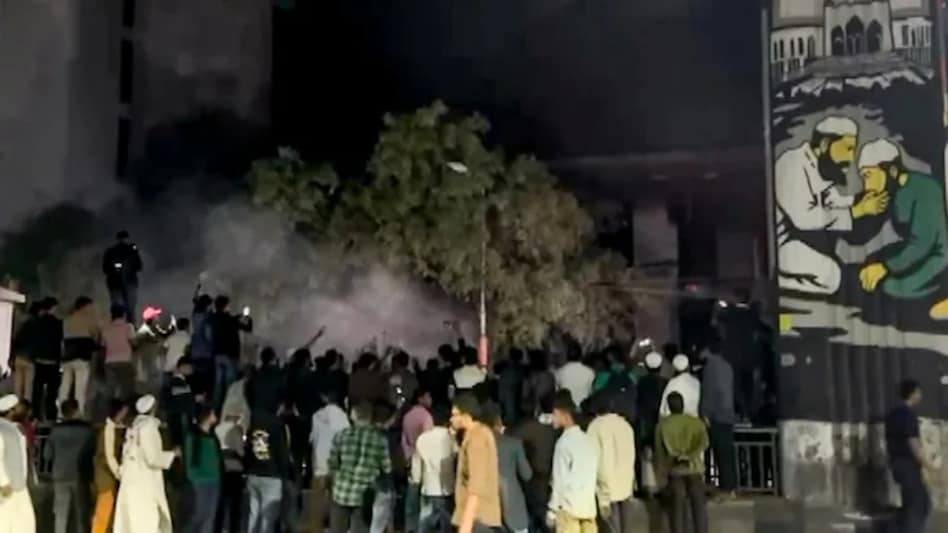
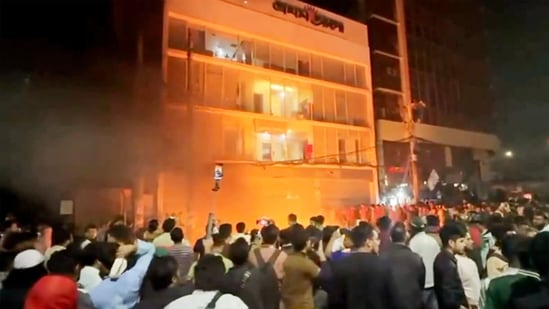
The reaction within Bangladesh has been one of profound anguish and anger. Protests have erupted in Cumilla and Dhaka, with participants from all faiths holding vigils and demanding swift and unequivocal justice. Prominent civil society figures, writers, and journalists have condemned the attack, calling it a stain on the nation’s conscience. The Bangladesh Hindu Buddhist Christian Unity Council has announced nationwide protests, stating that the “brutality has crossed all limits.”
The government, facing intense pressure, has pledged a thorough investigation. The Home Minister has assured that the culprits will be brought to justice, and the case is being treated with high priority. However, the community’s trust hinges on transparency and a willingness to acknowledge the possibility of a communal motive if the evidence leads there, rather than hastily settling on a narrative of a simple criminal dispute.
Internationally, the attack has drawn sharp concern. Human rights organizations like Amnesty International and Human Rights Watch have long documented the plight of minorities in Bangladesh. This incident has renewed calls for the government to take concrete, systemic steps to protect minority communities, reform discriminatory laws, and ensure that law enforcement agencies are trained to recognize and prevent hate crimes. India, with which Bangladesh shares deep cultural ties and a sensitive political relationship, is also watching closely, as such incidents inevitably resonate across the border.
Beyond the Headlines: A Test for Secularism
The immolation of Nikhil Chandra Roy is more than a murder; it is a stress test for Bangladeshi secularism. The nation prides itself on its culture of Bangladeshiyyot (Bengali nationalism), which traditionally transcends religion. This atrocity strikes at the very heart of that ideal.
The path forward requires action on multiple fronts:
1. Exemplary Justice: A credible, swift trial and maximum punishment for all perpetrators and conspirators, regardless of their influence or political affiliation.
2. Political Will: Consistent, high-level condemnation from all political parties, rejecting violence and hate speech that targets minorities.
3. Legal Reform: Addressing the lingering issues of the Vested Property Act and ensuring equal protection under the law for all citizens.
4. Social Cohesion: Promoting interfaith dialogue and community policing initiatives to rebuild trust at the grassroots level.
The flames that consumed Nikhil Chandra Roy have illuminated a dark corner of Bangladeshi society. How the nation responds—not just with words in the immediate aftermath, but with sustained, institutional resolve—will determine whether this tragedy becomes a turning point toward greater protection and inclusion, or merely another grim footnote in a recurring story of fear. The memory of Roy, a humble shopkeeper whose life ended in unimaginable terror, now hangs over Bangladesh, challenging it to live up to the pluralistic promise of its birth.
Discover more from AMERICA NEWS WORLD
Subscribe to get the latest posts sent to your email.

































drover sointeru
Right now it seems like Expression Engine is the preferred blogging platform available right now. (from what I’ve read) Is that what you are using on your blog?