
By_shalini oraon

Himachal’s Gorge of Grief: Unpacking the Sirmour Bus Tragedy and a Nation’s Perennial Pain
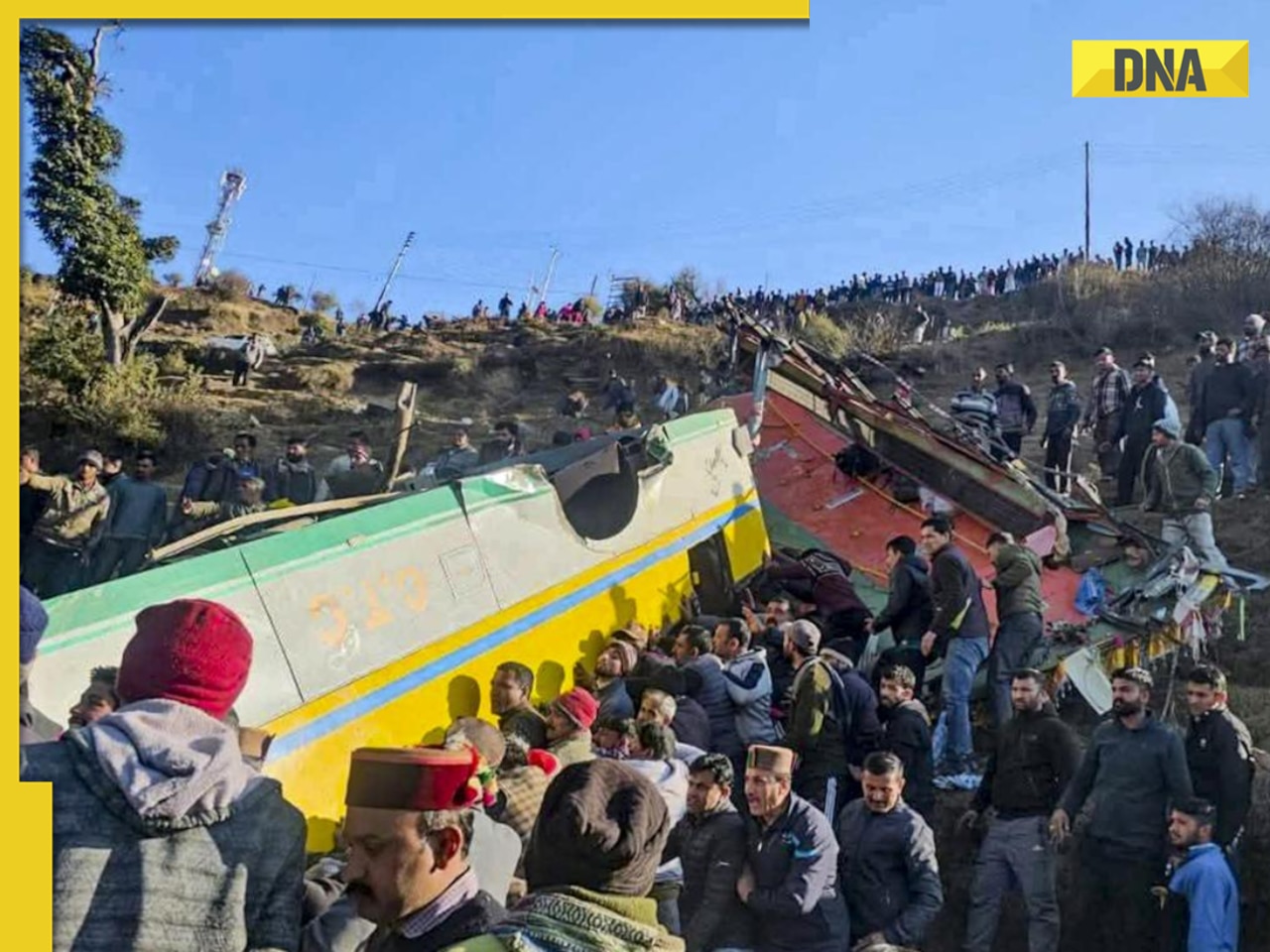
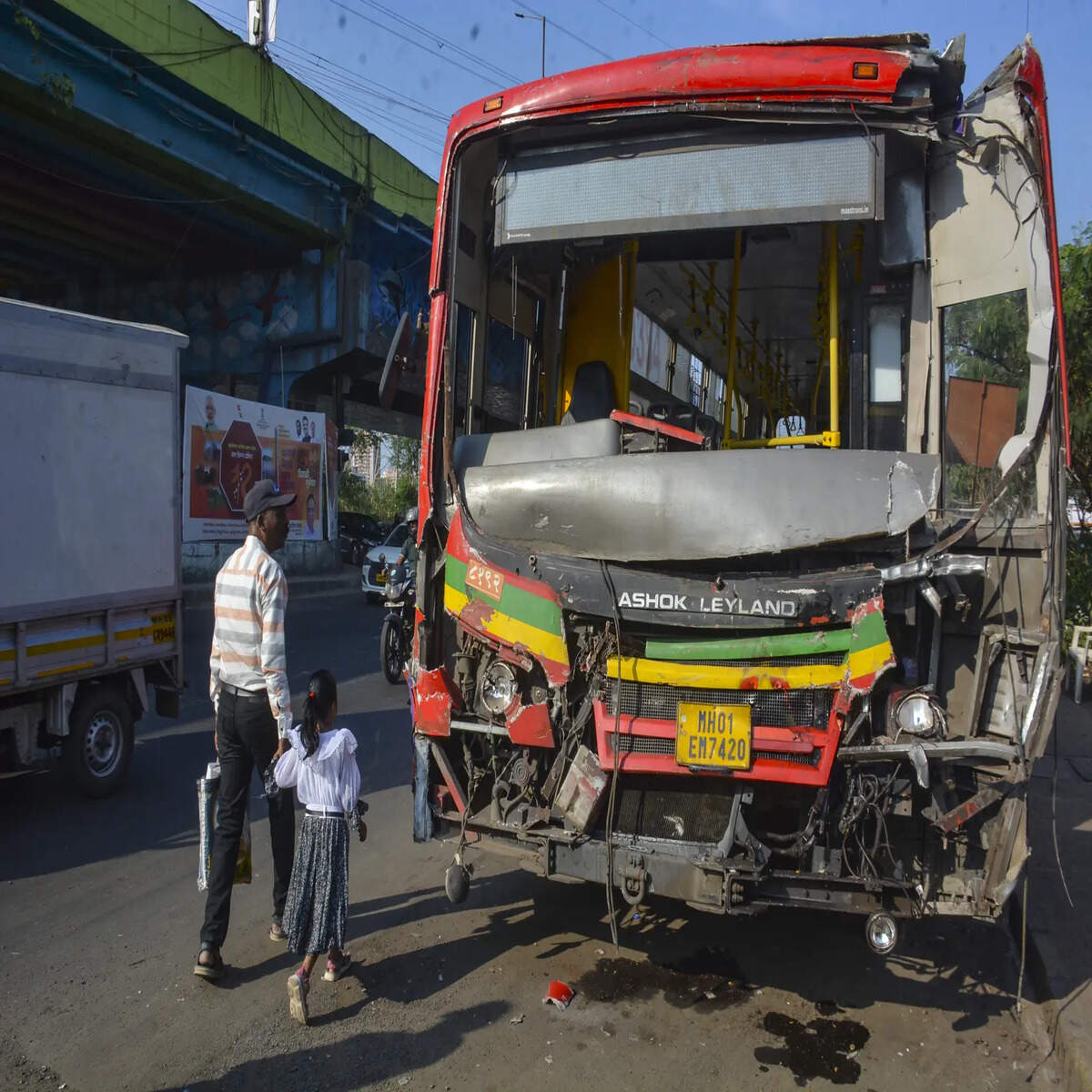
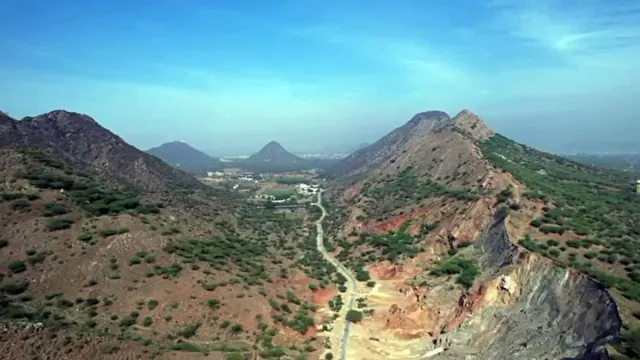
The serene, majestic landscapes of Himachal Pradesh, a haven for tourists and a home to resilient mountain communities, turned into a site of profound tragedy on a recent day. In the Sirmour district, a bus carrying over 45 passengers veered off the road and plummeted into a deep gorge, snuffing out at least 14 lives and leaving over 30 injured, many critically. The incident sent shockwaves through the hills and across the nation, prompting Prime Minister Narendra Modi to offer condolences and support, while exposing, yet again, the deadly vulnerabilities of mountain road travel in India.
The Anatomy of a Disaster
Preliminary reports suggest the private bus was en route, navigating the treacherous stretches that define Himachal’s road network. These roads, often narrow, winding, and carved along the edges of precipitous cliffs, are a lifeline but also a constant risk. While the exact cause is under investigation by authorities, the specter of familiar culprits looms large: driver error (including fatigue or distraction), mechanical failure (particularly brake failure, a nightmare on steep declines), road conditions (colloquially known as kaccha or unstable roads, landslides, or crumbling edges), or overcrowding. Each factor is a known devil, and their combination is often lethal.
The aftermath was a scene of chaos and heroic effort. Local villagers were the first responders, rushing to the gorge to pull out bodies and the injured—a testament to the tight-knit solidarity of mountain communities. The official rescue operation mobilized police, State Disaster Response Force (SDRF) teams, and medical personnel. Given the rugged terrain, extracting survivors and victims was a painstaking task. The injured were rushed to nearby hospitals in Nahan and Paonta Sahib, with some requiring referral to larger facilities in Shimla or Chandigarh.
A Nation’s Leaders React: Sympathy and Solidarity
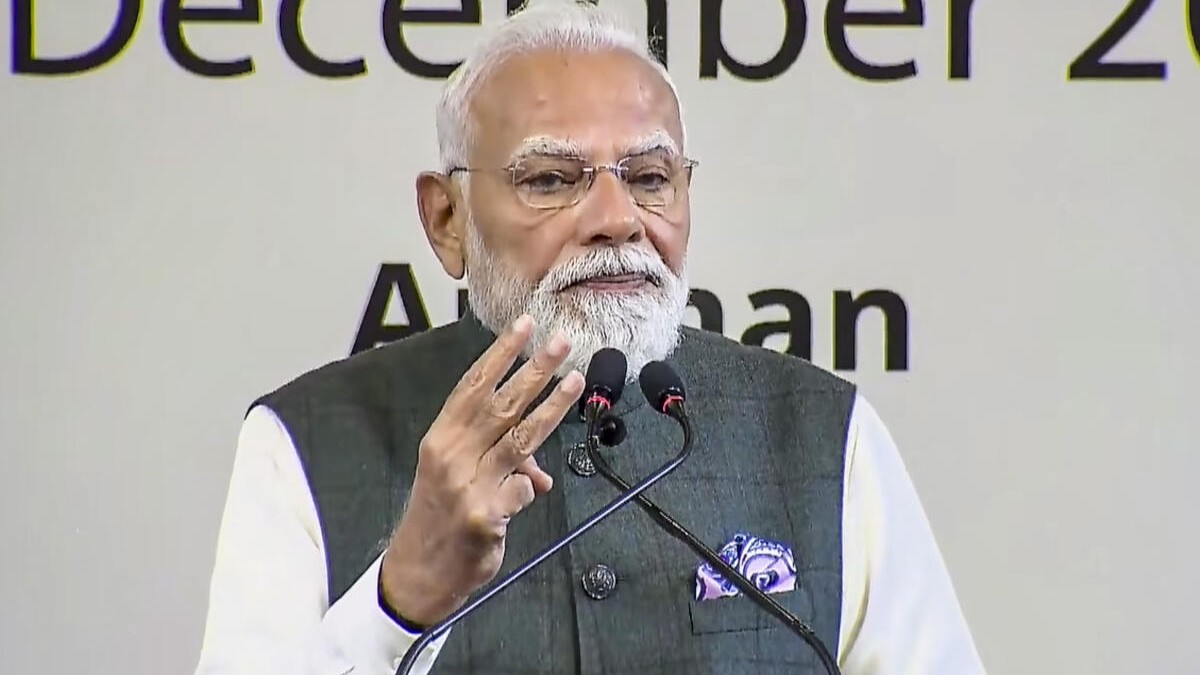
As news broke, a wave of grief and official reaction followed. Prime Minister Narendra Modi took to social media platform X to express his anguish. “The bus accident in Himachal’s Sirmour is heartbreaking,” he wrote. He extended condolences to the bereaved families and wished a speedy recovery to the injured. Significantly, he announced ex-gratia compensation from the Prime Minister’s National Relief Fund (PMNRF): ₹2 lakh for the next of kin of each deceased and ₹50,000 for each injured person.
Himachal Pradesh Chief Minister Sukhvinder Singh Sukhu, who cut short his engagements to monitor the rescue, also announced state compensation. He expressed profound sorrow and directed the administration to provide all possible medical aid. The Chief Minister’s and the PM’s messages, while a necessary expression of state solidarity, also spotlight the grim ritual that follows such tragedies: the announcement of compensation figures, becoming a bitter metric of life’s value.
Beyond the Headlines: A Recurring Nightmare
The Sirmour tragedy is not an isolated incident. It is a stark entry in a long, depressing ledger of similar disasters in the Himalayan states—Himachal Pradesh, Uttarakhand, Jammu and Kashmir, and the Northeastern hills. Just in the past few years, Himachal has witnessed multiple deadly bus plunges:
· July 2022: A bus fell into a gorge in Kinnaur, killing 14.
· September 2021: A bus accident in Kullu claimed 10 lives.
· May 2018: A major tragedy in Mandi saw a bus fall into the Beas River, killing over 40.
This pattern points to systemic failures that go beyond individual accidents. They form a complex web of chronic infrastructure challenges:
1. Road Engineering & Maintenance: Many mountain roads are old, poorly maintained, and lack basic safety features like crash barriers, proper signage, and adequate width. The pressure of increasing traffic, including heavy vehicles, strains them further.
2. Regulatory Lapses: Overloading of buses, lax fitness checks, and potential violations of permit conditions are often cited. The drive for profitability can compromise safety.
3. Human Factor: Driver training for mountain terrain is often inadequate. Long, grueling schedules lead to fatigue, a critical danger on hairpin bends.
4. Environmental Pressure: Unplanned construction, deforestation, and the increasing frequency of extreme weather events (cloudbursts, landslides) make slopes unstable and roads more vulnerable.
The Way Forward: From Condolences to Concrete Action
While compensation is crucial for affected families, and rescue operations showcase bravery, what is desperately needed is a shift from reactive sympathy to proactive, systemic reform. The “hollow” of the gorge echoes with calls for:
· “Vision Zero” for Mountain Roads: Adopting a policy that aims for zero fatalities on these roads, modeled on successful global examples. This requires political will and significant investment.
· Safety Audit Mandate: Every kilometer of vulnerable hill road must undergo a mandatory, periodic safety audit by independent experts. Identified black spots must be rectified urgently.
· Technology Integration: Mandatory GPS tracking, speed governors, and dashboard cameras in all commercial passenger vehicles. Use of slope stabilization techniques and modern engineering for road strengthening.
· Strict Regulation & Enforcement: Zero tolerance for overloading, vehicle fitness fraud, and driver duty-time violations. Harsher penalties for operators and officials found negligent.
· Community Awareness & Training: Empowering local communities on emergency response and advocating for their right to safe travel.
Conclusion: A Cry from the Hills
The Sirmour bus tragedy is a horrific reminder that for millions living in and traveling through India’s beautiful highlands, the journey itself is a daily gamble. The heartfelt condolences from the Prime Minister and Chief Minister are a dignified and necessary human response. However, they must now be the preamble to an unwavering administrative and engineering response.
The haunting beauty of the Himalayas deserves roads that do not turn into death traps. The lives of its people and visitors demand a transportation system where safety is not an afterthought born of tragedy, but a non-negotiable foundation. Until then, the gorges of Himachal and elsewhere will continue to swallow lives, leaving behind a trail of unanswered questions and a nation repeating a cycle of grief it has the power, but perhaps not yet the collective resolve, to break.
Discover more from AMERICA NEWS WORLD
Subscribe to get the latest posts sent to your email.




















![Smoke rises after Israeli strikes in Beirut's southern suburbs, on March 2 [Mohamad Azakir/Reuters]](https://america112.com/wp-content/uploads/2026/03/hgh.webp)
drover sointeru
You must take part in a contest for among the finest blogs on the web. I will advocate this web site!