
By Suraj Karowa and Jasmine Fox Skelly
ANW January 7 2026

Professional soccer players and American football stars are at much greater risk of developing dementia. What can we do to help them?
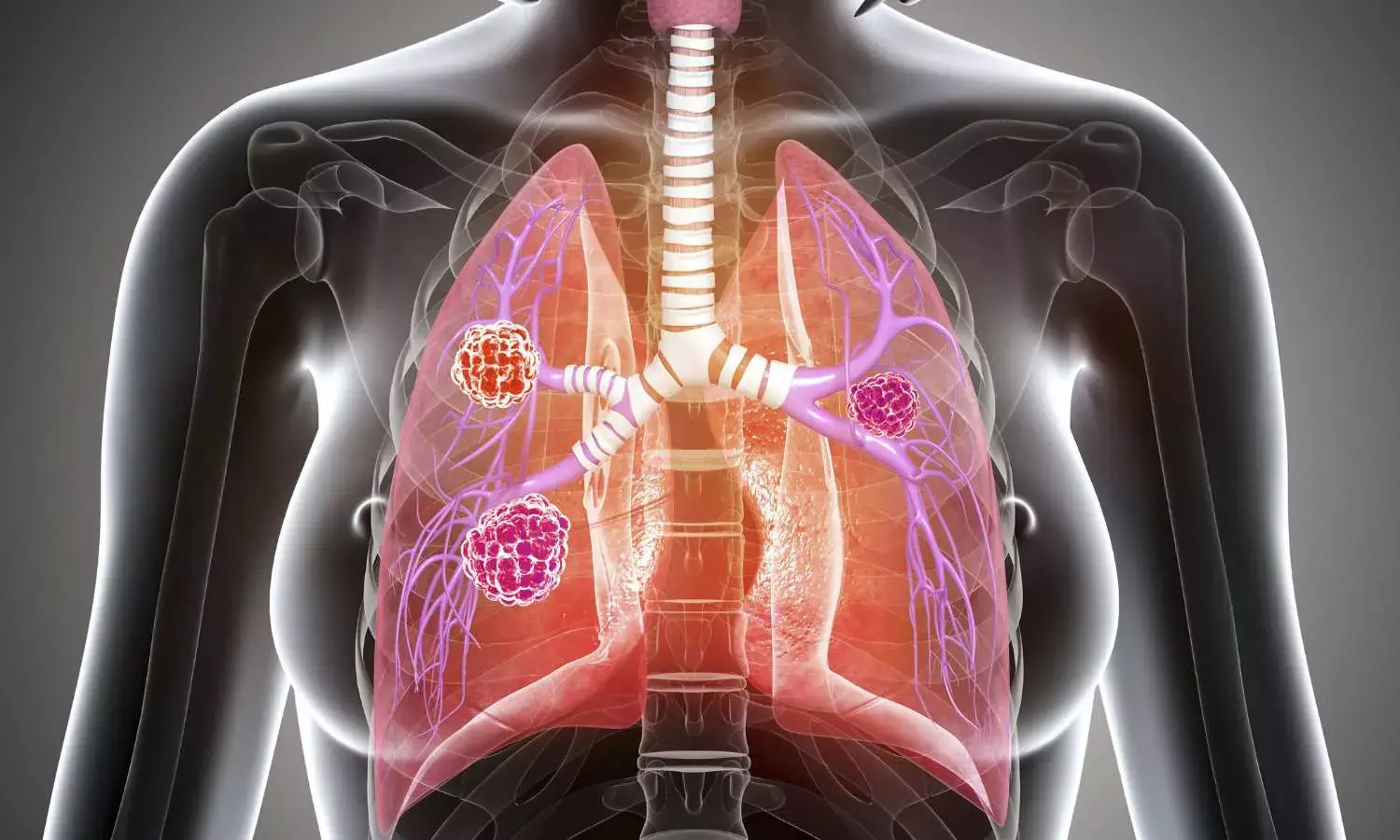
Dementia Professional soccer players and American football icons live fast and play hard, but new research reveals a devastating long-term cost: they’re far more likely to die from Alzheimer’s, Parkinson’s, and motor neurone disease.
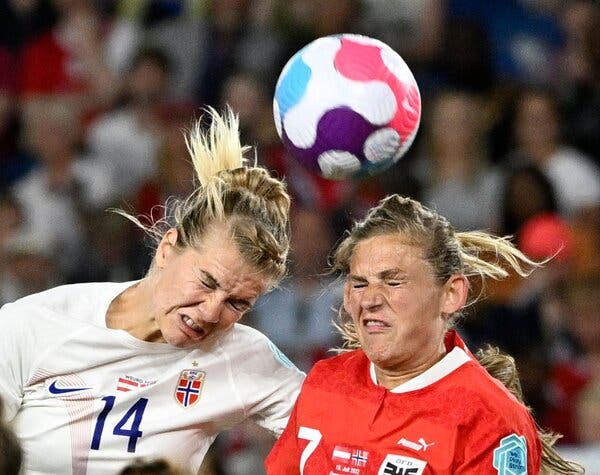
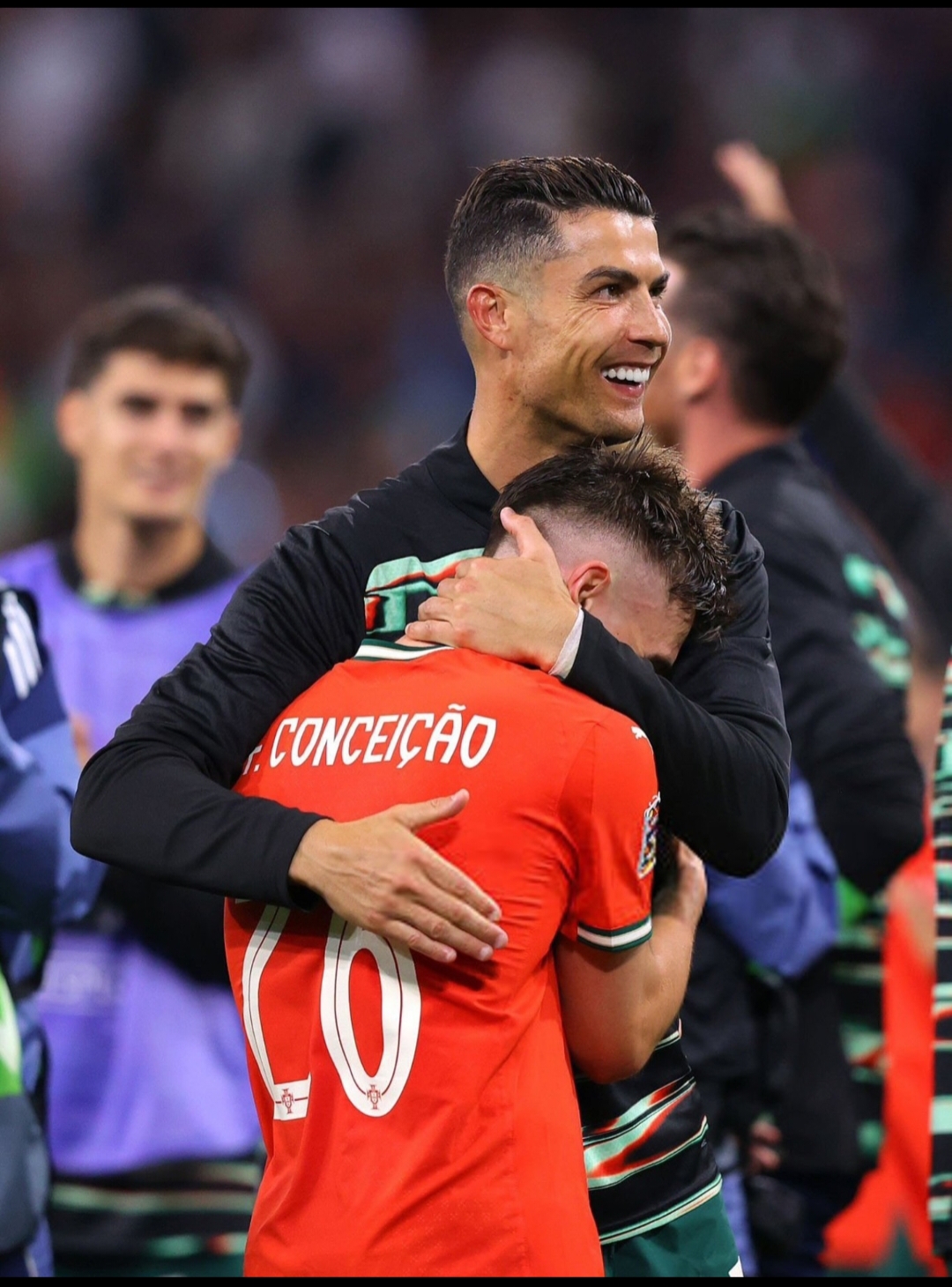
Repeated head impacts from heading soccer balls or on-field collisions are triggering irreversible brain damage, with studies showing risks up to five times higher than average.
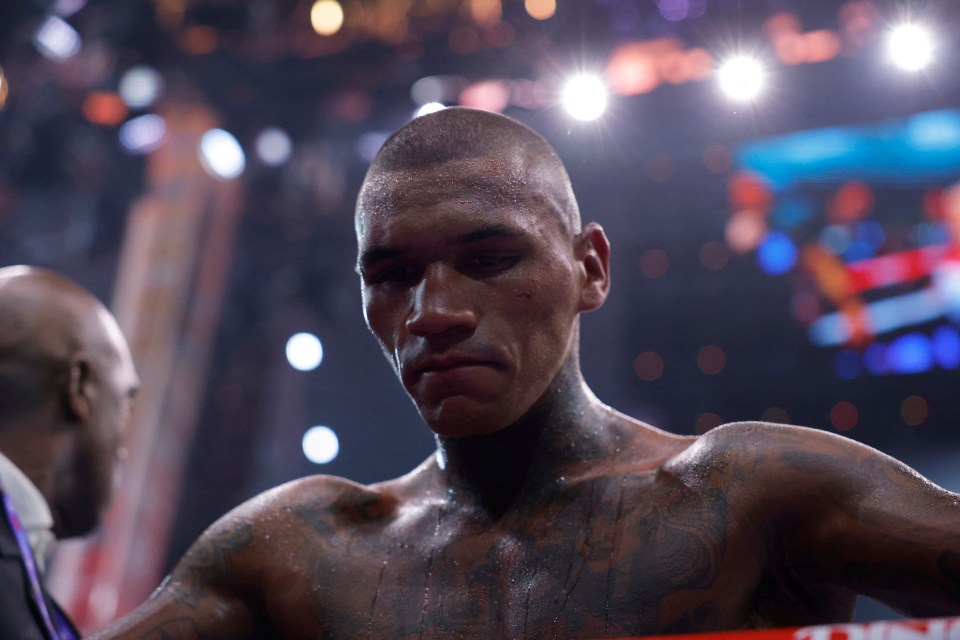
The evidence has piled up over decades. In 1928, pathologist Harrison Martland described “punch drunk” syndrome in boxers—staggering gaits, confusion, and eventual dementia pugilistica from repeated blows.
Fast-forward to today, and the same pathology strikes athletes in helmets and cleats.
Chronic traumatic encephalopathy (CTE), the modern name for this tau protein buildup in the brain, has been confirmed in high-profile cases like England’s Jeff Astle, who died at 59 from early-onset dementia, and NFL legend Mike Webster, who succumbed at 50 to Parkinson’s-like symptoms.

The dangers of contact sport have been known for around 100 years.
Even Chicago Bears star David Duerson, who took his own life in 2011 amid depression, had CTE.
“CTE is unique to those with repetitive head impacts,” says neuropathologist Willie Stewart of the University of Glasgow.
Microscopic tau tangles in the brain’s cortex are the hallmark, and for pro soccer players with dementia, “your chances of CTE are very high.
“Stewart’s landmark FIELD study, analyzing nearly 8,000 former Scottish pros matched against 23,000 controls, delivered stark numbers in 2019.
Ex-players faced five times the Alzheimer’s risk, four times the motor neurone disease odds, and double the Parkinson’s likelihood.

In 2023, a study of brains donated by former National Football League (NFL) players found more than 90% showed signs of a condition linked to dementia.
Overall neurodegenerative death rates were 3.5 times higher. Defenders, who head most, suffer worst; goalkeepers match the general population.
Career length amplifies it—from double the risk for short stints to fivefold for veterans.
Rugby internationals show similar patterns.Why heading? A soccer ball rocketing at 50 mph slams the head, jolting the brain like jelly in a bowl.
Columbia’s Michael Lipton used MRI scans on young amateur players to reveal early damage.
Frequent headers (over 1,000 yearly) score poorly on memory tests and show frayed white matter in the orbitofrontal cortex—the brain’s wiring behind the eyes.

The head’s sudden change in speed during an impact causes the brain to ricochet around inside the skull, causing damage to delicate networks .
Grey and white matter shear apart due to differing densities, stretching fragile axons that carry signals.
“It’s not skull-cracking force, but deformation that strains connections,” Lipton explains. In youth, it’s subclinical—no disease yet.
But over time, it may spark chronic inflammation, leaky vessels, or neuron death, paving the way for dementia.
Genetics or lifestyle might determine who succumbs.Boston’s Ann McKee, studying 376 donated NFL brains in 2023, found 91.7% with CTE—versus under 1% in the public. (Donors skew symptomatic, but the gap screams risk.)
She’s seen it in baseball, cycling, and hockey too—any sport with head knocks.Protecting Brains: Helmets, Bans, and Bold ChangesSolutions are emerging.
Stanford engineers craft NFL helmets with liquid shock absorbers, slashing impact by 30%.

The outermost layer of the orbitofrontal cortex appears to be particularly vulnerable to impact .
In the UK, Stewart’s work prompted heading bans in youth soccer and training limits—crucial, since pros head 68,000 times in practice versus 2,000 in matches.
“Prevention is king,” Stewart urges. “Stop banging heads, and risk vanishes.” Yet pros and amateurs resist quitting the thrill.Awareness grows: leagues monitor hits, players advocate for scans.
Families of fallen stars push for compensation funds, like NFL’s $1 billion settlement.As sports evolve, the message is clear: glory today shouldn’t mean tragedy tomorrow.
Discover more from AMERICA NEWS WORLD
Subscribe to get the latest posts sent to your email.




















drover sointeru
Hey, you used to write magnificent, but the last few posts have been kinda boringK I miss your super writings. Past few posts are just a little bit out of track! come on!