By_shalini oraon

The Unseen Cost of Celebration: Unpacking the Arpora Nightclub Fire Tragedy
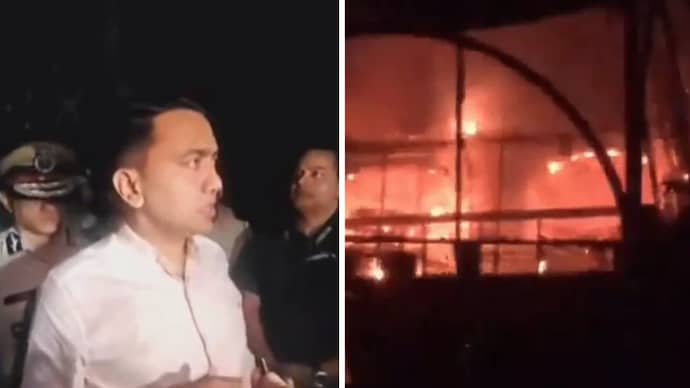
The coastal state of Goa, a name synonymous with sun-kissed beaches, vibrant culture, and pulsating nightlife, was cloaked in a pall of grief on a fateful morning. What began as another night of revelry at a popular nightclub in the tourist hub of Arpora ended in one of the state’s deadliest fire tragedies, claiming the lives of 23 individuals. The preliminary culprit, as reported by authorities, was a catastrophic cylinder blast that ripped through the venue, but the incident exposes a far more complex and devastating narrative—one of systemic neglect, the vulnerability of staff, and the unseen human cost behind the facade of endless celebration.
The Blast That Silenced the Music
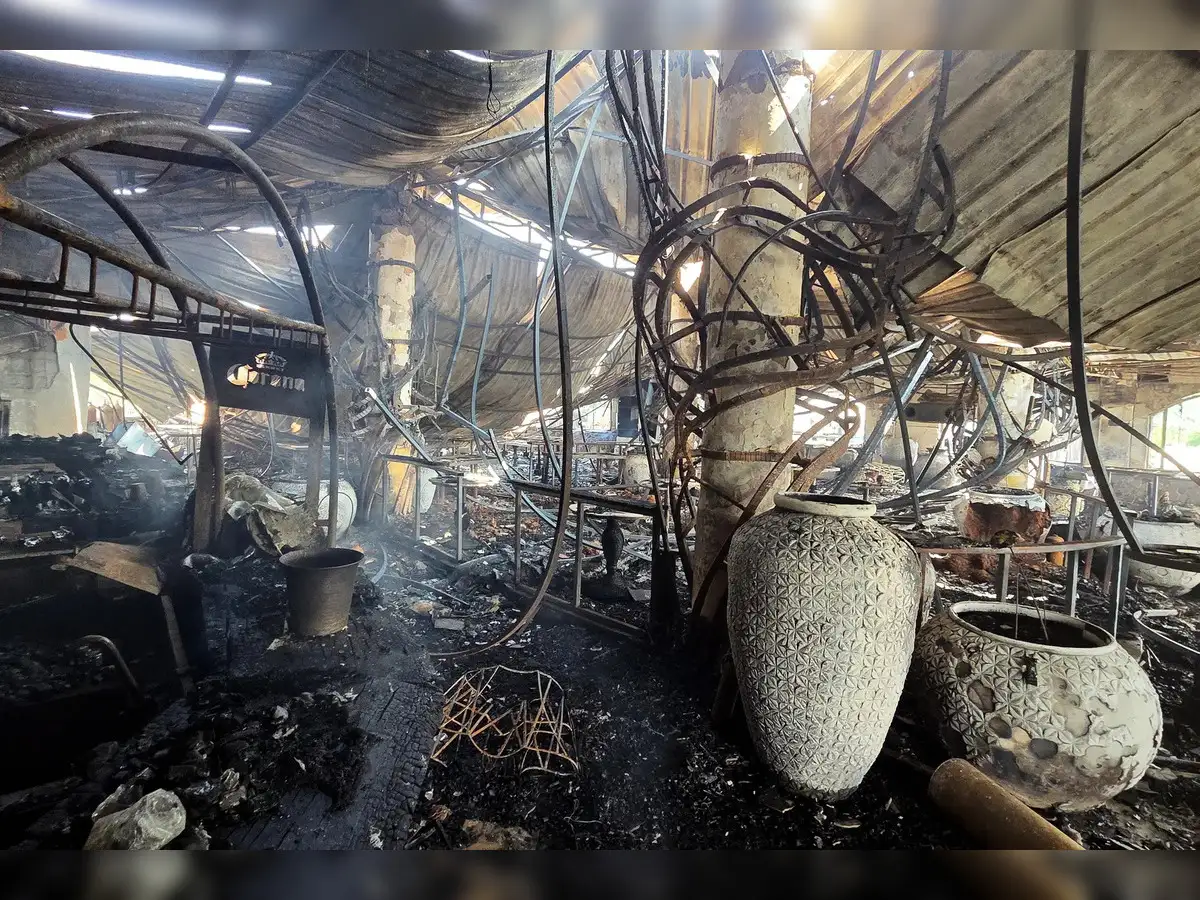
In the early hours, as patrons danced and the DJ spun tracks, a routine operation behind the scenes turned catastrophic. Reports indicate that the blast originated from a gas cylinder, likely used in the kitchen or the bar. The explosion was not an isolated event; it acted as a violent trigger. The force of the blast ruptured other cylinders, creating a chain reaction, and instantly ignited the highly flammable interior decor common to such venues—soundproofing foam, synthetic fabrics, PVC materials, and alcohol stocks. The fire, fed by this cocktail of combustibles, spread with a ferocity that defied comprehension.
Chaos erupted. While many patrons, though injured and traumatized, managed to stumble towards exits in the initial moments, the real tragedy unfolded in the labyrinthine service areas. The staff—waiters, bartenders, cleaners, kitchen helpers—found themselves trapped. The blast likely occurred in or near their working zones, cutting off primary escape routes. Thick, toxic smoke from burning synthetics filled the space in minutes, causing disorientation and asphyxiation. The very individuals who facilitated the night’s enjoyment became its most tragic victims.
The Faces Behind the Tragedy: Staff as the First and Last Line
This is the most harrowing detail of the Arpora fire: the majority of those killed were not patrons, but staff members. These were young men and women, often migrants from other states like Karnataka, Maharashtra, and Uttar Pradesh, drawn to Goa’s hospitality industry for livelihood. They worked long, anti-social hours in a high-pressure environment, their uniforms blending into the background of the sensory overload.
When disaster struck, their location sealed their fate. Service exits were blocked, back doors were inaccessible or locked, and fire suppression systems, if present, were overwhelmed instantly. Their intimate knowledge of the building’s layout became irrelevant against the rapid, all-consuming advance of the fire and smoke. This demographic detail shifts the incident from a general public safety failure to a stark case of occupational hazard and social inequity. The tragedy underscores how the engine of the nightlife economy is powered by a vulnerable workforce, whose safety is often the last item on a checklist dominated by profit and aesthetics.
A Litany of Systemic Failures
While the official investigation will determine the precise sequence, the Arpora fire fits a grim pattern seen in nightclub tragedies across India and the world. It points to a cascade of preventable failures:
1. Fire Safety Compliance as a Paper Exercise: Many establishments, particularly in high-rent tourist zones, operate with fire safety certificates obtained through complacency or corruption, without meaningful adherence. The National Building Code’s mandates for adequate, clearly marked, unobstructed exits, fire-resistant materials, automatic alarm and suppression systems, and electrical safety are often compromised.
2. The Cylinder Menace: The use of liquefied petroleum gas (LPG) cylinders in crowded commercial spaces is a known risk. Improper storage, aging or substandard pipelines, lack of leak detection, and staff untrained in handling emergencies create a ticking time bomb.
3. Overcrowding and Architectural Anarchy: In the quest for maximum capacity and “exclusive” ambiance, venues are often retrofitted with maze-like interiors, soundproofing materials that are fire accelerants, and exits that are concealed or repurposed as storage areas. The “VIP section” often takes precedence over a clear path to safety.
4. Lax Enforcement and Regulatory Capture: The responsibility of periodic inspections by fire services and municipal corporations is frequently diluted. The pressure to maintain Goa’s image as a carefree tourist paradise and the influence of powerful business interests can lead to a culture of leniency and overlooked violations.
Beyond the Ash: A Call for Radical Accountability
The response followed a familiar script: high-level inquiries announced, compensation declared for victims’ families, and a short-term crackdown on other venues. While necessary, this is insufficient. Mourning must metamorphose into meaningful action.
First, the investigation must be swift, transparent, and result in stringent legal accountability, not just for the owners but for every official in the chain of oversight who neglected their duty. This should set a precedent that erodes the culture of impunity.
Second, Goa, and India at large, needs a “Safety-First” overhaul of its hospitality code. This includes:
· A mandatory, tech-audited registry of all staff present in a venue during operational hours.
· A complete phase-out of LPG cylinders from the customer-facing areas of high-occupancy nightlife venues, pushing for centralized, safer gas systems or electric alternatives where possible.
· Regular, unannounced “stress-test” inspections by independent committees, checking not just equipment but staff evacuation drills and knowledge.
· Mandatory use of certified fire-retardant materials in all interior decorations and upholstery.
Finally, the tragedy demands a socio-economic reckoning. The staff who perished were the invisible cogs in a multi-crore industry. Their safety training, insurance, and right to a secure working environment must be non-negotiable. Unions and worker collectives in the hospitality sector need strengthening to advocate for these rights.
The music has stopped in Arpora, but the echoes of the blast must not fade. The 23 lives lost, predominantly young workers with dreams and dependents, are a searing indictment of a system that prioritizes profit over people. The true memorial to them will not be built in stone, but in the enactment of iron-clad safety protocols, rigorous enforcement, and a cultural shift where the right to a safe night out—for both patron and employee—is never compromised. The soul of Goa’s celebration must be rebuilt not just on sand and sound, but on the unshakable foundation of human security. The cost of forgetting this lesson is written in the ashes of Arpora, a cost far too devastating to ever pay again.
Discover more from AMERICA NEWS WORLD
Subscribe to get the latest posts sent to your email.