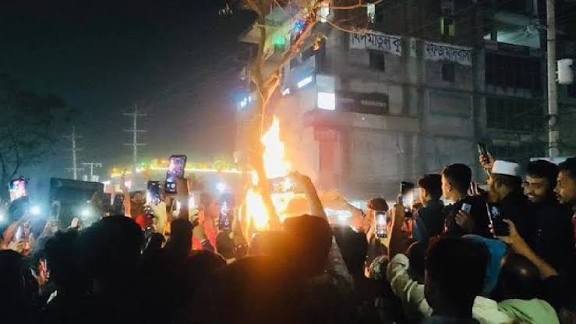

At the stroke of midnight, music, laughter and dancing at a Goa nightclub turned into a scene of horror — flames erupted, panic spread, and 25 lives were lost. What was meant to be a night of celebration transformed into a devastating tragedy that will haunt many for years to come.
The Blaze That Changed Goa’s Nightlife Forever
On the night of 6–7 December 2025, at Birch by Romeo Lane — a popular nightclub in Arpora, North Goa — a fire broke out around 11:45 pm. According to preliminary investigations, the blaze was likely triggered by indoor electric fire-crackers igniting a wooden or palm-leaf ceiling. Within seconds, thick smoke and flames spread upward, trapping many inside
Tragically, 25 people lost their lives — most of them staff working in the basement kitchen, along with a handful of tourists who had come to enjoy Goa’s nightlife. Many victims suffocated in the basement, which lacked ventilation or a proper emergency exit.
Multiple Layers of Failure — Social, Regulatory, Cultural
Safety and Regulatory Negligence in Goa
The tragedy exposed stark lapses in building and fire-safety compliance. The club reportedly lacked mandatory permissions and fire-clearance certificates. Its design — narrow entrances and exits, a basement kitchen, and wooden/palm-leaf interiors — turned the building into a death trap.
Moreover, the club had earlier faced demolition orders from local authorities. Yet those orders were stayed after appeals, allowing operations to continue despite obvious hazards. That kind of regulatory leniency highlights a deeper systemic failure in enforcement of safety norms.
Cultural & Economic Pressures in Goa
Goa’s nightlife thrives on glamour, late-night parties, and heavy tourist footfall. In a race to draw crowds and profits, safety often takes a back seat. Use of flashy effects — like indoor fire-crackers during live performances — has become almost part of the “club culture.” That very culture, however, turned deadly when combined with negligent infrastructure. The tragic outcome reveals how commercial ambitions and cultural expectation for entertainment can collide dangerously when regulations are ignored.
Read More : A Powerful Tale of India’s Changing Identity and One Woman’s Life
Read More : Minds Behind Apple Products People Love
Social Impact: Migrant Workers, Tourists, and Families in Goa
Among those who died were many migrant workers — young men from states like Jharkhand, Uttarakhand, and even other countries. These workers, often far from home, had come to Goa seeking opportunity and livelihood. Their sudden deaths send shockwaves through families and communities across India. For tourists, the tragedy destroys trust in what is seen as a carefree holiday destination.
Goa’s Tourism Industry & Economic Fallout in Goa
The disaster comes at a precarious time for Goa’s economy. Tourism and nightlife are a backbone of its income. This fire — the deadliest nightclub incident Goa has ever witnessed — threatens to tarnish the state’s reputation as a safe party destination. Authorities have already warned that this could become “another blow to Goa’s tourist appeal.”In the immediate aftermath, many nightlife venues may face stricter scrutiny; long-term, tourists may reconsider their travel plans — impacting local livelihoods heavily dependent on tourism.
Political, Administrative and Regulatory Response
The fire has triggered swift political reactions. The state government has ordered a magisterial inquiry, and several senior officials have already been suspended for failing to enforce regulations. The owners and managers of the club have been arrested and an FIR has been filed.
National-level attention was immediate: leaders expressed grief, promised relief to families, and urged stricter building and safety audits nationwide. Some have already called for urgent fire-safety audits of all entertainment venues across India.
Technological and Structural Dimensions
The tragedy reveals the gap between modern club infrastructure and rudimentary safety measures. While lighting, sound systems, and ambiance may be advanced, basic fire-safety infrastructure — like fire exits, suppression systems, flame-retardant interiors, ventilation — was evidently ignored. This incident underlines the importance of applying safety technology and structural rigor in every public gathering space, especially those that operate daily with crowds and high risk.
Historical & Global Perspective
Globally, tragedies like the 2013 fire at Kiss nightclub fire in Brazil — which claimed over 240 lives — show how nightclub fires can spiral into mass casualties when safety norms are flouted. The Goa disaster now becomes part of this sombre pattern — a reminder that entertainment hubs anywhere can turn lethal without strict compliance and oversight.
What Happens Next — Rebuilding Trust and Reforming The Nightlife Framework
The aftermath of the fire at Birch by Romeo Lane demands more than punishment. It calls for systemic reforms: mandatory fire-safety audits for all nightlife venues, strict enforcement of building and licensing laws, and accountability mechanisms for regulators and owners alike. The incident should catalyze a broader societal shift — prioritizing human lives over nightly profits, and safety over spectacle.
It also forces travellers to ask hard questions about safety on holiday: can a night out be truly carefree when hidden hazards lie behind neon lights?
Conclusion
This tragedy in Goa exposes fatal negligence hidden beneath the veneer of glamour and nightlife. Unless we learn the hard lessons — enforce safety, protect workers, uphold accountability — the cost may well be paid again in human lives. Safety must no longer be optional; it must be non-negotiable.
Discover more from AMERICA NEWS WORLD
Subscribe to get the latest posts sent to your email.