By_shalini oraon

From Trade to Tourism: Key Takeaways from Putin’s 2-Day India Visit
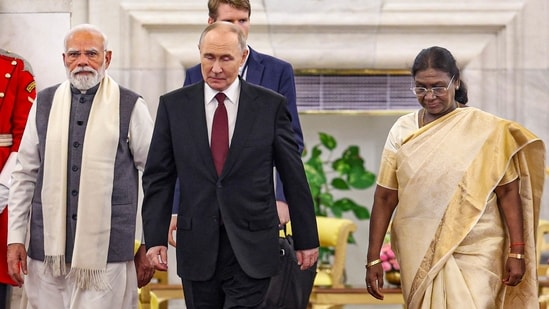
The whirlwind two-day visit of Russian President Vladimir Putin to India, his first since 2021, served as a powerful testament to a relationship that continues to defy geopolitical turbulence. While the shadow of the Ukraine conflict and Russia’s deepening ties with China loomed large, the summit between Putin and Prime Minister Narendra Modi was squarely focused on consolidating a special, time-tested partnership for a complex new era. The outcomes were substantial, pragmatic, and forward-looking, spanning defense, trade, energy, and even space.
Here are the 10 key takeaways from a visit that reaffirmed the “special and privileged strategic partnership”:
1. The Unshakable Defense Pillar: AK-203s & Beyond
The cornerstone of the relationship remains intact.The landmark deal to manufacture over 600,000 AK-203 assault rifles in Amethi, Uttar Pradesh, was inaugurated. This not only enhances army preparedness with advanced small arms but cements defense indigenization under ‘Make in India’. Both sides committed to deepening military-technical cooperation, with discussions on the continued supply of S-400 air defense systems (despite US CAATSA pressures), and joint development and production of next-generation military hardware. This signals that India will prioritize its national security needs, and Russia remains a critical, reliable supplier.
2. Trade & Rupee-Ruble Mechanism: Decoupling from the Dollar
With sanctions disrupting traditional payment channels,a major breakthrough was the agreement to expand the use of national currencies. The rupee-ruble trade mechanism was finalized, allowing bilateral trade to bypass the US dollar and euro. This is a strategic move to insulate economic ties from Western financial systems and sanctions. It facilitates smoother transactions for key imports like defense items and energy, marking a significant step toward financial sovereignty in the partnership.
3. Energy Security: Russia as a “Safe Haven” Supplier
In the face of volatile global oil prices,India secured a major commitment to its energy security. Russia will remain a long-term supplier of crude oil, petroleum products, and coking coal for India’s steel industry. With India importing discounted Russian oil at record levels, this formalizes a win-win arrangement: India gets affordable energy, Russia gets a stable market. Discussions also progressed on investments in each other’s energy sectors, including possibly in Russia’s Arctic fields, and cooperation in nuclear power (including new units at Kudankulam).
4. Beyond Buyer-Seller: The “Make in India” & Tech Transfer Push
The visit marked a clear evolution from a simple buyer-seller dynamic.A key theme was joint research, co-development, and co-production. Beyond rifles, this extends to BrahMos missiles, frigates, helicopters, and armored vehicles. A new agreement on military logistics support (similar to India’s agreements with other partners) is in the works, which would streamline interoperability and joint operations. This aligns with India’s Atmanirbhar Bharat (self-reliant India) vision while giving Russia a stake in Indian manufacturing.
5. The China Factor: A Delicate, Unspoken Balance
While not addressed publicly,managing the China factor was a critical subtext. For India, ensuring that the strong Russia-China axis does not negatively impact Russian support on issues like border tensions or Pakistan is vital. For Russia, balancing its all-weather friendship with Beijing with its historic, technical partnership with Delhi is a delicate act. The robust outcomes of this visit demonstrate that Russia values India as an independent strategic partner, not merely an extension of any other relationship.
6. Space & Tech: A New Frontier for Collaboration
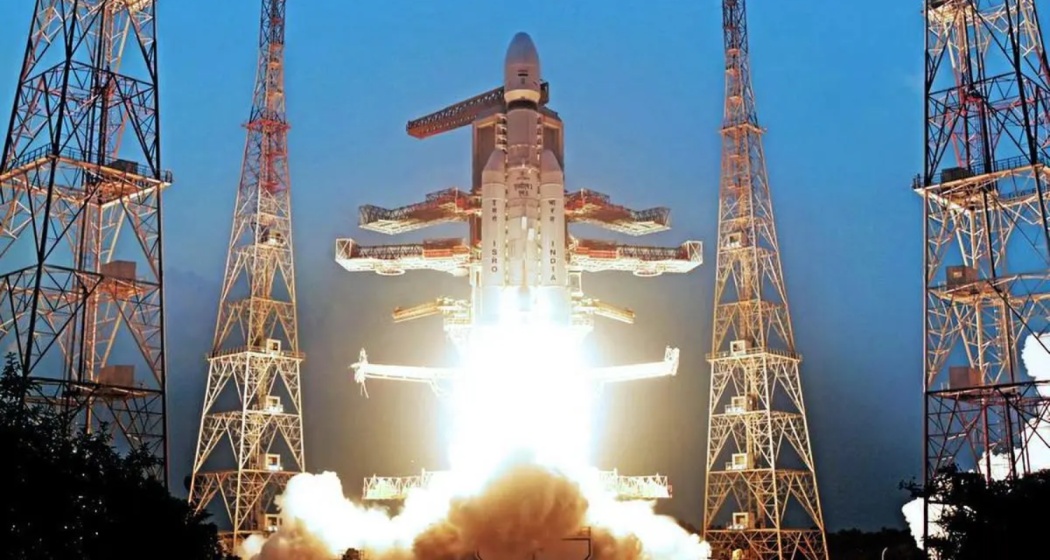
The partnership boldly entered new-age domains.A significant MoU was signed on space cooperation, focusing on satellite navigation, planetary exploration, and space technology. This includes cooperation on India’s GAGAN and Russia’s GLONASS navigation systems, and potentially joint work on human spaceflight programs. Agreements on science, technology, and innovation underscored a shift beyond traditional sectors into the economy of the future.
7. Afghanistan & Regional Stability: Convergent Concerns
The Taliban’s takeover created a shared area of concern.Both leaders discussed the situation in Afghanistan extensively, emphasizing the need for an inclusive government, prevention of terrorism, and urgent humanitarian assistance. Their convergence on preventing Afghanistan from becoming a terror hub and a threat to regional narcotics trade is significant for Central and South Asian stability.
8. The Diplomatic Dance: India’s “Multi-Alignment” in Action
Putin’s visit,coming amidst intense pressure from the West on India to distance itself from Russia, was a masterclass in India’s diplomatic multi-alignment. India demonstrated it can and will maintain strong ties with the US and its Quad partners (US, Japan, Australia) for Indo-Pacific security, while simultaneously nurturing a vital partnership with Russia for continental Eurasian security and defense needs. This visit proved India’s strategic autonomy is not just rhetoric but actionable policy.
9. Boosting Tourism & People-to-People Ties
A softer but symbolic announcement was thelaunch of a new visa-free group tourism scheme. This will allow Indian and Russian tourists to visit each other’s countries in organized groups without visas, boosting tourism, cultural exchange, and strengthening the long-standing people-to-people bonds that underpin the relationship.
10. A Relationship Recalibrated, Not Diminished
The overarching takeaway is that theIndia-Russia partnership has been successfully recalibrated for the 21st century. It is no longer the ideological alliance of the Cold War, but a pragmatic, flexible, and mutually beneficial arrangement. It has weathered the storm of Ukraine-related pressures and emerged with a fresh blueprint focused on economic engagement, technological collaboration, and strategic independence. While challenges remain—like balancing trade which is heavily tilted towards Indian imports from Russia, and navigating the US reaction—the foundations have been reinforced.
In conclusion, Putin’s compact visit was rich in substance. It moved the relationship from a focus on historical goodwill to a forward-looking framework based on shared contemporary interests: sovereign decision-making, economic and energy security, and technological advancement. The message was clear: in a polarized world, India and Russia have charted their own unique course for a partnership that both deem indispensable.
Discover more from AMERICA NEWS WORLD
Subscribe to get the latest posts sent to your email.