
By Suraj Karowa/ ANW
Paris, November 17, 2025 –

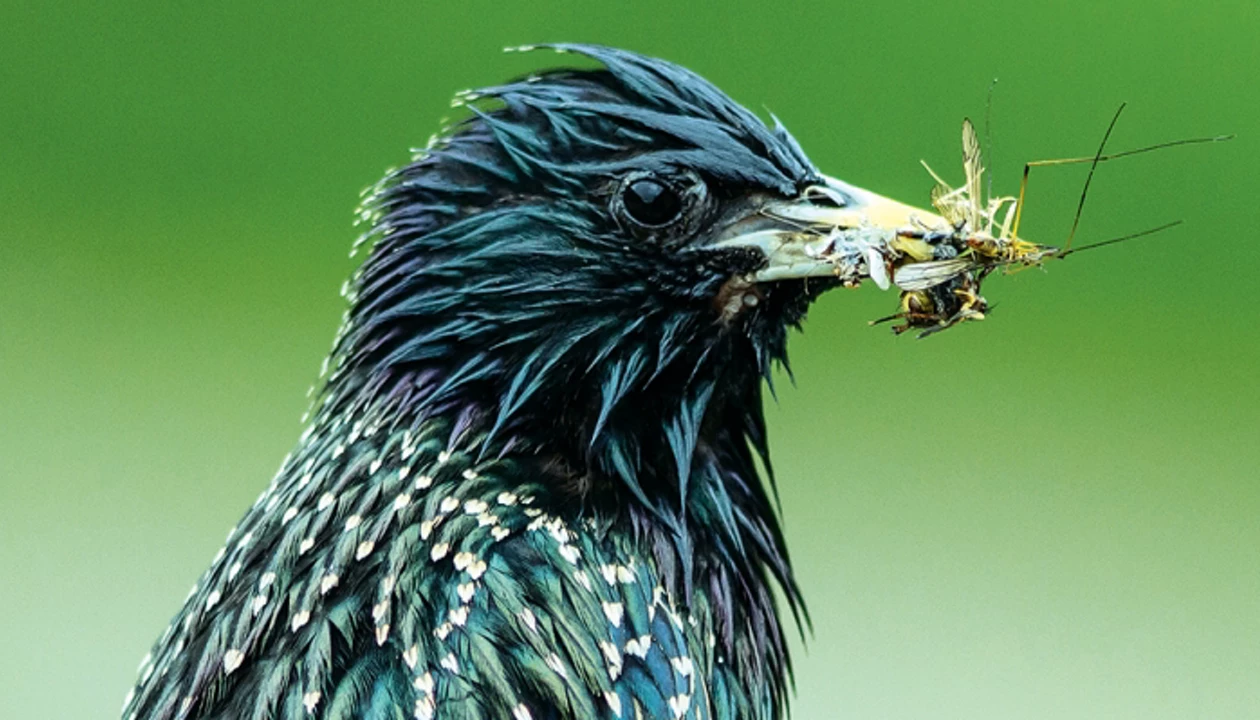
In a glimmer of hope for Europe’s beleaguered wildlife, a new study reveals that France’s insect-devouring birds are staging a modest comeback following the 2018 European Union ban on neonicotinoid pesticides.
Populations of species like blackbirds, blackcaps, and chaffinches have edged up by 2% to 3% in the years since, marking the first tangible signs of recovery linked to the policy shift.
The research, published today in Environmental Pollution, draws on meticulous data from over 1,900 monitoring sites across France. Collected by volunteer ornithologists through the French Breeding Bird Survey, the dataset spans 2013 to 2022, neatly bracketing the ban’s rollout.
Lead author Thomas Perrot, a biologist at the Fondation pour la recherche sur la biodiversité in Paris, calls the findings “a clear signal that pesticide restrictions work.” Even this small uptick, he notes, underscores the ban’s role as an “effective conservation measure” for birds reliant on insects.

Neonicotinoids—often dubbed “neonics”—are systemic insecticides that seep into plant tissues, turning crops and weeds into inadvertent poison traps for pollinators and their predators.
Introduced in the 1990s, they exploded in use across agriculture, from seed coatings to pet flea treatments. By the early 2000s, mass bee die-offs in France and Germany spotlighted their dangers, with studies showing even trace exposures disrupting bees’ navigation and foraging. Public outcry mounted, pressuring the EU to prohibit outdoor neonics in late 2018, despite lobbying from chemical giants.
France, a major agricultural powerhouse, felt the pinch acutely. Pre-ban, insectivorous bird numbers at neonics-exposed sites lagged 12% behind untreated areas.
Post-ban, from 2019 to 2022, that gap began narrowing. The study focused on 57 species across 2km-by-2km plots, isolating trends in insect-dependent feeders while controlling for variables like weather and land use.
“It’s meaningful progress,” Perrot told reporters. “These birds feed insects to their chicks and forage them as adults—neonics starved that food chain.”
He cautions that full rebound could span decades, as residues linger in soils for years. Historical parallels with DDT bans suggest 10 to 25 years for stabilization. Still, the early wins bolster calls for broader protections.
The ripple effects may extend beyond birds. Perrot speculates that small mammals, bats, and aquatic species could benefit too, as neonics cascade through ecosystems.
Generalist birds like wood pigeons and house sparrows, with omnivorous diets, showed negligible changes—highlighting how specialized feeders bear the brunt.
Experts hailed the study as a rare before-and-after snapshot. “This is special,” says Frans van Alebeek, rural policy officer at BirdLife Netherlands, who wasn’t involved.
“It took massive citizen pressure to enact the ban—petitions flooded the EU Parliament. Seeing recovery so soon is a surprise.” He credits long-term monitoring for unmasking the signal amid noise.
Yet, not all voices are unanimous. James Pearce-Higgins, science director at the British Trust for Ornithology, urges caution: “These are early, weak signals.
Habitat loss, climate shifts, or other factors could confound them.” He praises the dataset’s scale but stresses the need for ongoing vigilance. “Long-term studies like this are gold—they let us tease apart drivers.”
Globally, the stakes are dire. Bird populations have plummeted—Europe lost a third since 1980, the U.S. nearly 3 billion insectivores since the 1970s.
Insects, their linchpin prey, have vanished by up to 75% in some regions, per landmark studies. Pesticides are prime suspects, alongside habitat fragmentation and intensive farming.
The U.K. mirrored the EU ban in 2018, barring outdoor neonics except in emergencies. Research there lags, but similar trends could emerge.
Across the Atlantic, the U.S. permits widespread use, fueling debates amid farm lobby resistance. Developing nations, with laxer rules, face undocumented tolls—pesticides seep into undocumented ecosystems, Perrot warns.
This isn’t just an avian tale; it’s a biodiversity bellwether. Bees, vital for one-third of food crops, still reel from neonics’ legacy. A recent California study linked them to record honeybee colony collapses, evoking a “death spiral” for pollination services worth billions. In France, beekeepers report steadier hives post-ban, though full audits pend.
Conservationists pivot to solutions. Perrot advocates “sustainable farming” via EU “green infrastructure” funds—cutting pesticides, restoring hedgerows, and fostering semi-natural habitats. “Yield obsession over sustainability dooms us to declines,” he says. Van Alebeek critiques the approval process: “Industry crafts hyper-potent chemicals—less volume, same toxicity. Our 50-year testing regime learns zilch from history.”
As Cop30 looms in Brazil, calls intensify for a fossil fuel phaseout roadmap—tying climate resilience to nature safeguards. Brazil’s environment minister urged “courage” today, echoing pleas for integrated policies. Meanwhile, disparate crises underscore urgency: bird flu ravaging South Atlantic elephant seals; drought-stressed Senegalese grasslands testing “mob grazing”; Siberian tigers, starved by habitat squeeze, terrorizing villages; Amazon lakes boiling pink dolphins amid heatwaves.
France’s bird revival, tentative as it is, injects optimism. “Bans matter,” Perrot concludes. “They buy time for ecosystems to heal.” For a world staring down an “age of extinction,” it’s a reminder: policy can pivot the arc. But without bolder action—on pesticides, farms, and climates—that pivot risks stalling.
Discover more from AMERICA NEWS WORLD
Subscribe to get the latest posts sent to your email.

















![Smoke rises after Israeli strikes in Beirut's southern suburbs, on March 2 [Mohamad Azakir/Reuters]](https://america112.com/wp-content/uploads/2026/03/hgh.webp)